
Drawing room interior design ideas are not just about choosing the right sofa or trending wall colour. A drawing room is your home’s first handshake with every guest who walks through your door. When you get the design right, the room speaks before you say a single word.
Most homeowners confuse a drawing room with a living room and design a space that succeeds at neither. This guide fixes that problem by answering every real question Indian homeowners ask before picking up a paintbrush or opening a furniture catalogue.
What Is a Drawing Room and How Is It Different From a Living Room?
A drawing room is the formal, guest-facing space at the outermost point of your home. A living room is a private, casual family zone designed for daily relaxation. In Indian homes, the traditional baithak serves this same formal function, receiving guests in a space that feels polished and curated rather than lived-in and familiar.
The design difference matters in every practical decision you make. A drawing room prioritises:
- A defined focal point that guests see the moment they enter
- A formal seating arrangement with a sofa, accent chairs, and a centre table
- Statement lighting that creates mood rather than simply providing brightness
- A colour palette selected for guest impression rather than personal comfort
How Do You Plan a Drawing Room Layout That Actually Works?
Start with your focal point and work outward. Before you choose a sofa colour or a rug pattern, identify the wall or element you want every guest to look at first. This could be a fireplace, a feature wall with fluted wall panels, or a gallery wall of framed art.
Once the focal point is clear, arrange all seating to face or reference it. Use conversation zones to create natural guest groupings rather than pushing every furniture piece against the walls. Pulling your sofa away from the wall by even thirty centimetres instantly makes a room feel more intentional and professionally designed.
How Do I Design a Drawing Room in a 1BHK or 2BHK Apartment?
Small flats need compact drawing room design strategies. Keep these rules in place:
- Use nesting tables instead of a fixed centre table to recover floor space
- Choose a modular sofa that reconfigures for different group sizes and occasions
- Install a wall-mounted TV or skip the TV unit entirely to free up precious floor space
- Place decorative mirrors on the wall opposite a window to visually expand the room
- Keep floor tiles light in tone to make the space read larger than its actual square footage
A light colour palette on all four walls and the ceiling is not a design compromise in a small drawing room. It is a deliberate, strategic decision.
Should a Drawing Room Follow a Closed-Plan or Open-Plan Layout?
A closed-plan layout creates intimacy, acoustic comfort, and a distinctly formal atmosphere that works perfectly for a traditional guest room design. An open-plan layout improves natural light flow and suits modern urban apartments where space is shared.
For a drawing room specifically designed for hosting guests, the closed-plan layout delivers stronger first impressions. It separates the guest space from the family’s private living room zone and gives the room a defined identity.
What Should Be the Focal Point of a Drawing Room?
If your room lacks a fireplace or bay window, create a focal point through design choices. A 3D feature wall using fluted wall panels or stone cladding immediately anchors the space and gives guests something visually compelling to experience. A gallery wall of framed art grouped in a consistent frame style achieves the same result at a lower cost.
The rule that cannot be broken: every chair and sofa in the seating arrangement must have a natural sightline to this point. When seating is arranged without a focal reference, the room feels directionless regardless of how expensive the furniture becomes.
How Do I Design an Accent Wall in a Drawing Room?
An accent wall works best on the wall guests face as they enter the room. Your options by budget and permanence:
- Wallpaper with a bold botanical or geometric print for maximum visual impact
- Stone cladding for a textured, natural, sophisticated result
- Colour drenching a single surface in forest green, deep navy, or terracotta for understated drama
- A stencil accent wall as a budget-friendly alternative with strong visual payoff
Pair whichever treatment you choose with targeted LED strip lighting or cove lights running above or below the wall to emphasise its texture and depth.
What Is the Best Colour Combination for a Drawing Room in 2026?
Warm neutrals dominate drawing room colour palettes this year. Beige, soft taupe, terracotta, and muted olive green create an immediately comfortable atmosphere that makes guests feel welcome without the room feeling overly cold or formal.
Deep anchoring tones like forest green and charcoal work as accent colours on a single feature wall while keeping the remaining three walls in a lighter complementary tone.
For Indian drawing room design specifically, pairing warm gold with carved wood furniture and deep red or burgundy creates instant haveli-style warmth that no flat-pack furniture arrangement can replicate.
How Does Colour Drenching Work in a Drawing Room?
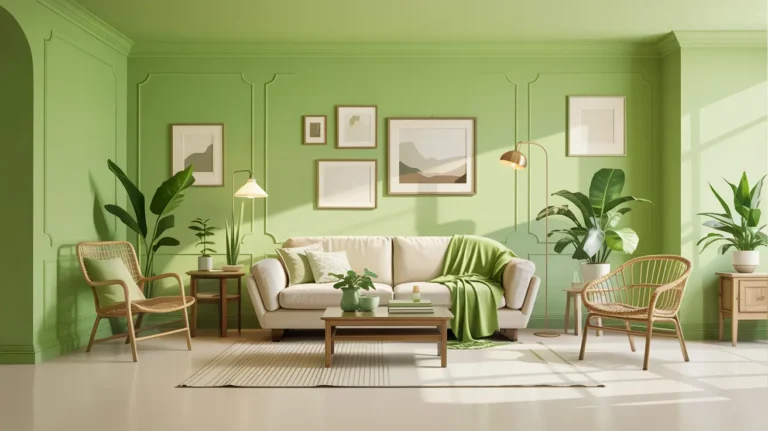
Colour drenching means painting walls, ceiling, woodwork, and even built-in shelving in a single tone. The effect is cocooning and intentional. Double drenching takes this further by layering two related tones, such as mid-sage on walls and deeper forest green on the ceiling and skirting boards, for contrast without complexity.
Always test paint samples as large swatches and observe them at different times of day before committing. The natural light aspect of your room changes how every colour reads in real life.
What Furniture Is Essential for a Drawing Room?
The non-negotiables for a functional drawing room are:
- A primary sofa, either a curved sofa for organic visual flow or a sectional sofa for larger guest numbers
- A centre table at the right height for serving food and beverages comfortably
- At least two accent chairs that provide seating without visually crowding the space
- A bar unit or cocktail cabinet rather than a TV unit if the room is used exclusively for guests
- Side tables at every seating position so guests have somewhere to set a glass or a plate
Custom upholstery on a budget frame consistently delivers more visual impact than expensive off-the-shelf furniture in an average fabric. This is one of the most reliable quality-to-cost decisions in drawing room design.
Should I Have a TV Unit or a Bar Unit in My Drawing Room?
A TV unit immediately shifts a drawing room into living room territory. It redirects all attention toward a screen and away from the guests seated in front of you.
A bar unit or bespoke cocktail cabinet does the opposite. It reinforces the hosting identity of the space and gives guests a natural point of interest and conversation. If removing the TV entirely is not practical, integrate it into built-in storage with sliding panels or hide it behind a wall-mounted artwork panel. The moment the screen disappears, the drawing room recovers its formal character completely.
How Do I Design Layered Lighting for a Drawing Room?
Layered lighting is the single biggest differentiator between a drawing room that feels warm and inviting and one that feels flat and uninspired. The three levels every drawing room needs:
- Ambient lighting: A chandelier or recessed LED ceiling fixture for general room illumination
- Task lighting: Floor lamps or table lamps near seating for reading and conversation comfort
- Accent lighting: LED strip lighting or cove lights to highlight your accent wall, gallery wall, or floating shelves
Never rely solely on a central overhead fixture. A single ceiling light creates harsh shadows and a flat, institutional atmosphere that no amount of beautiful furniture can fix.
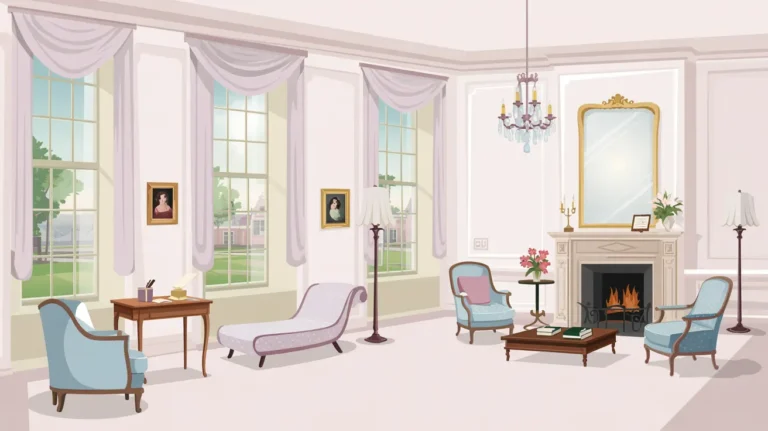
For traditional Indian drawing rooms, a candelabra chandelier in gold or antique brass positioned over the primary seating area adds grandeur that fits the formal character of the space perfectly.
Drawing Room Style Ideas That Work in Indian Homes in 2026
The Baithak and Haveli Style
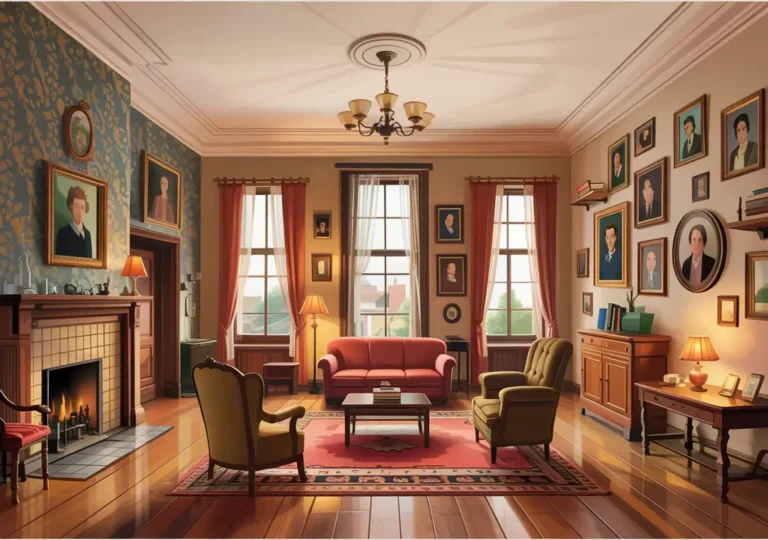
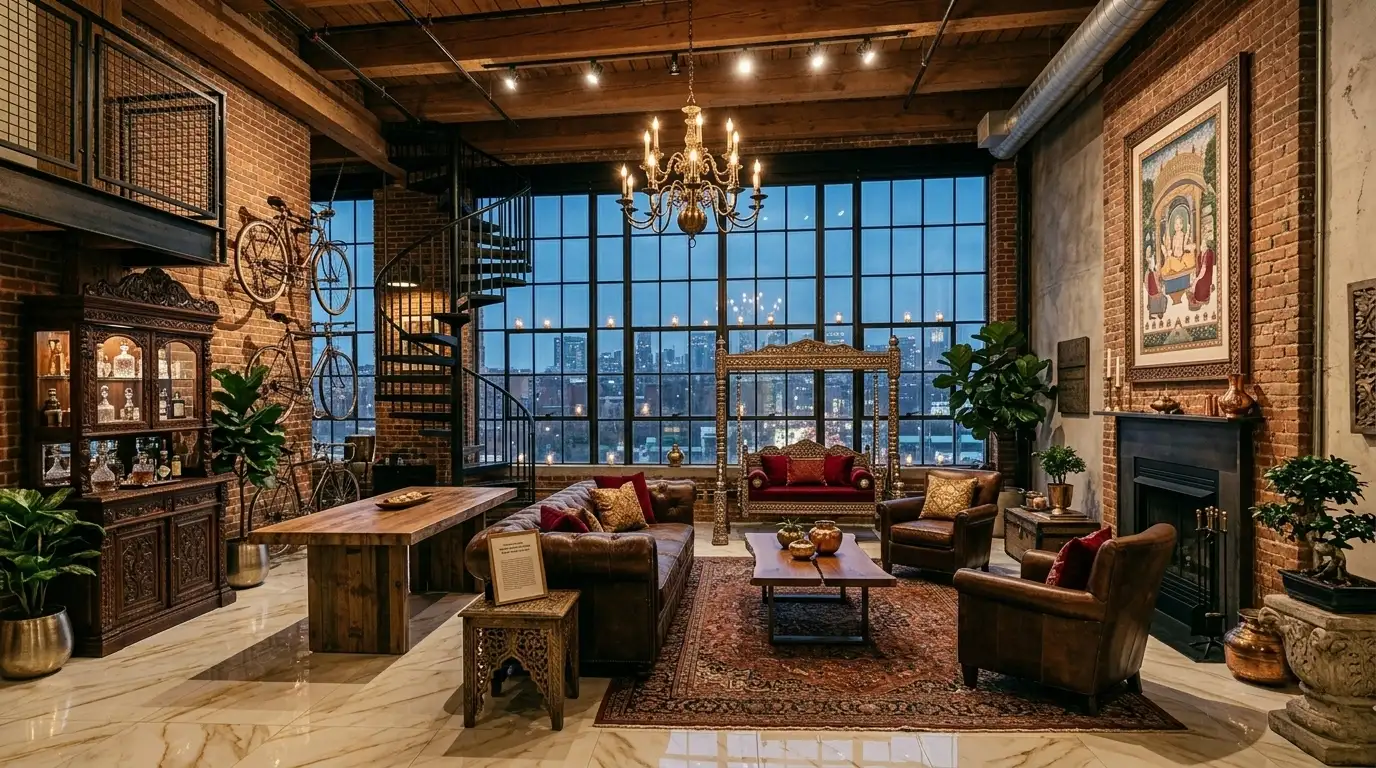
Carved wood furniture, marble tabletops, a candelabra chandelier, and draped curtains in rich fabric recreate the traditional baithak or haveli aesthetic authentically. Use deep crimson, warm gold, and earthy brown in the colour palette. A jhoola as an accent seating piece adds cultural identity without making the room feel like a period recreation or museum display.
The Luxury Neutral Drawing Room
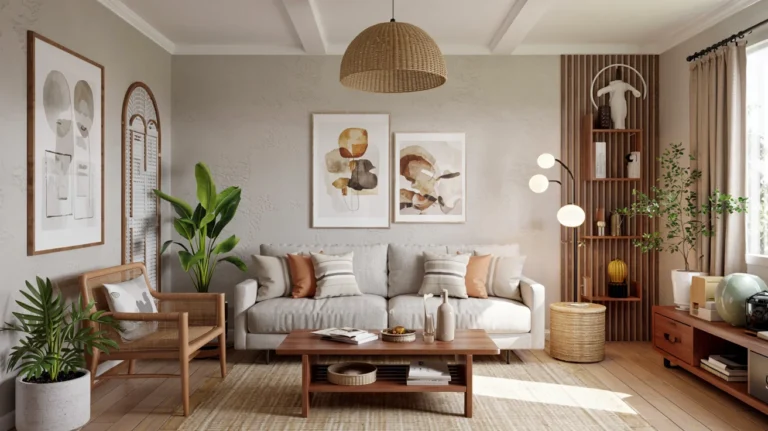
A curved sofa in velvet upholstery, marble-look floor tiles, cove lighting above a fluted wall panel feature wall, and a single large-format framed art piece creates understated luxury at a mid-range budget. This style works in modern apartments across any floor plan configuration.
The Minimalist Indian Drawing Room
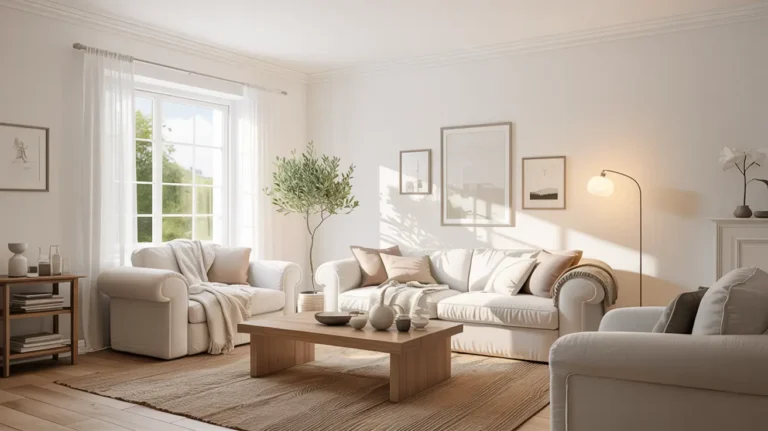
Beige sectional sofa, recessed LED ceiling lighting, indoor plants in tall floor-standing planters, and one bold accent wall. No TV unit. No surface clutter. The discipline of keeping surfaces clear is precisely what makes a minimalist drawing room look expensive rather than simply empty.
What Are the Vastu Rules for Drawing Room Design?
Vastu guidelines for drawing room layout are specific and consistently requested by Indian homeowners planning a renovation. The key points:
- Place the main sofa on the south or west wall so occupants face east or north
- Avoid positioning the centre table exactly at the geometric centre of the room
- Keep indoor plants in the north or east corners for positive energy flow
- The drawing room entrance ideally faces north or east
North and east-facing layouts in India naturally receive morning light, which makes guest reception spaces feel brighter and more welcoming during the hours when most visitors arrive.
The Biggest Drawing Room Design Mistakes to Avoid
The most damaging drawing room design mistakes are not the expensive ones. They are decisions made without a clear design framework:
- Organising the entire room around a TV unit and losing the formal character
- Buying furniture without measuring scale and proportion against ceiling height and room size
- Installing a single overhead light and calling the lighting complete
- Choosing a colour palette from a catalogue rather than sampling it in the actual room
- Selecting a patterned sofa and a patterned area rug with no shared colour anchor between them
The rug mistake is especially common. A rug that is too small for the seating arrangement is the single most immediately visible drawing room error and the one that signals inexperience most loudly to anyone who knows interior design.
How Much Does Drawing Room Design Cost in India in 2026?
| Tier | Budget | What Is Included |
| Entry-Level Refresh | Rs 20,000 to Rs 50,000 | Paint, area rug, lighting swap, cushion refresh |
| Mid-Range Redesign | Rs 1 Lakh to Rs 3 Lakh | Modular seating, wall panelling, layered lighting, wallpaper accent wall |
| Full Luxury Renovation | Rs 3 Lakh to Rs 10 Lakh and above | False ceiling, marble tiles, custom upholstery, built-in bar unit |
Plywood for wall panels and built-in furniture ranges from Rs 40 to Rs 150 per sq ft depending on grade. Investing in higher-grade engineered wood in visible built-ins delivers significantly better long-term results than cutting costs here and redirecting the savings toward accessories.
Conclusion
A well-designed drawing room does not need a large budget or a full renovation to make a lasting impression. The best drawing room interior design ideas start with a clear focal point, a deliberate seating arrangement, layered lighting, and one hero furniture piece that anchors everything else.
Get those four decisions right and every other choice, from colour palette to area rug to indoor plants, becomes significantly easier to make. Design the room with your guests in mind and you will end up with a space your own family wants to sit in every evening too.
FAQs About Drawing Room Interior Design
What is the difference between a drawing room and a living room?
A drawing room is a formal guest reception space designed for hosting visitors with curated furniture, statement lighting, and no personal family clutter. A living room is a private, casual family space for daily relaxation. In most Indian flats, the same room serves both functions, but a true drawing room prioritises guest impression above everyday comfort.
How do I make a small drawing room look bigger?
Use a light colour palette on all walls and ceiling, place decorative mirrors opposite windows, choose space-saving furniture like nesting tables and modular seating, and install recessed LED ceiling lights instead of bulky floor lamps. Keep the area rug large enough to anchor all furniture legs within its boundary.
Can I have a drawing room without a TV?
Yes. Replace the TV unit with a bar unit, cocktail cabinet, gallery wall, or book showcase as the focal point. A drawing room without a TV naturally encourages conversation, maintains its formal identity, and consistently earns stronger guest compliments than any entertainment setup will.
What colours are trending for drawing rooms in 2026?
Warm terracotta, beige, earthy greens, and deep forest green as an accent wall are the strongest drawing room colour trends for 2026. In Indian homes, warm gold with earthy brown woodwork remains relevant and fresh regardless of broader global colour movements.
What flooring works best in a drawing room?
Marble tiles deliver the strongest luxury statement. Marble-look floor tiles offer equivalent visual impact at a significantly lower cost. Large-format glossy floor tiles in cream or warm beige reflect light, expand visual depth, and are far easier to maintain than natural stone in Indian climates and conditions.
How do I design a drawing room that people actually use and enjoy?
Prioritise seating comfort over visual perfection. Use velvet upholstery that genuinely invites sitting, layered lighting that creates warmth instead of harsh brightness, and a bar unit that encourages hosting rituals. Include a book showcase or framed art that starts conversations. Design the room from the seated position outward rather than from the doorway inward.
What is colour drenching in drawing room design?
Colour drenching means painting every surface, including walls, ceiling, and woodwork, in a single tone for a cocooning and immersive effect. Double drenching uses two related tones for added depth. It works exceptionally well in drawing rooms where you want a strong visual identity without introducing the complexity of pattern.