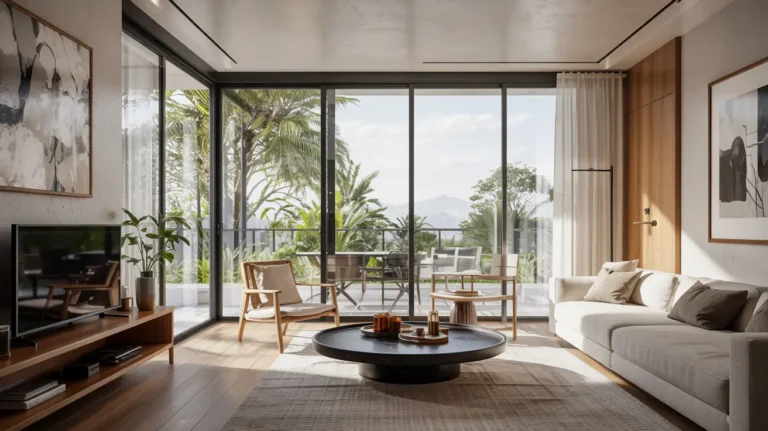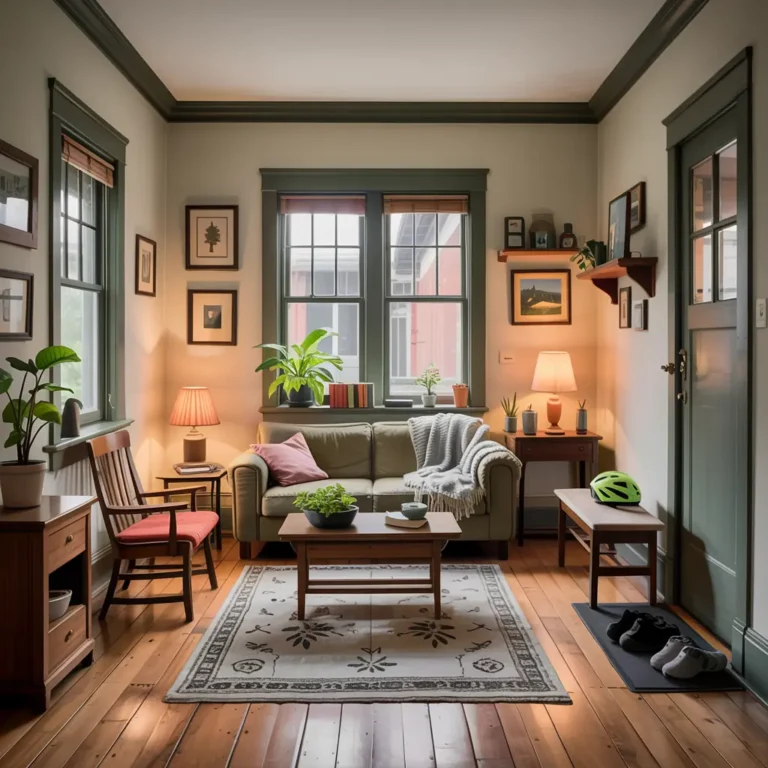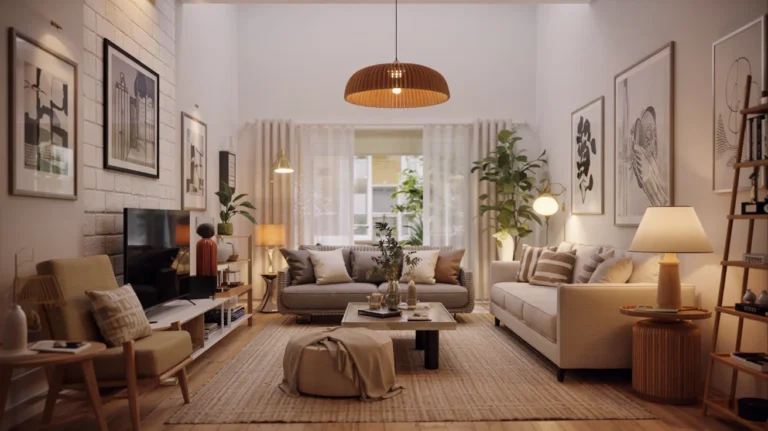

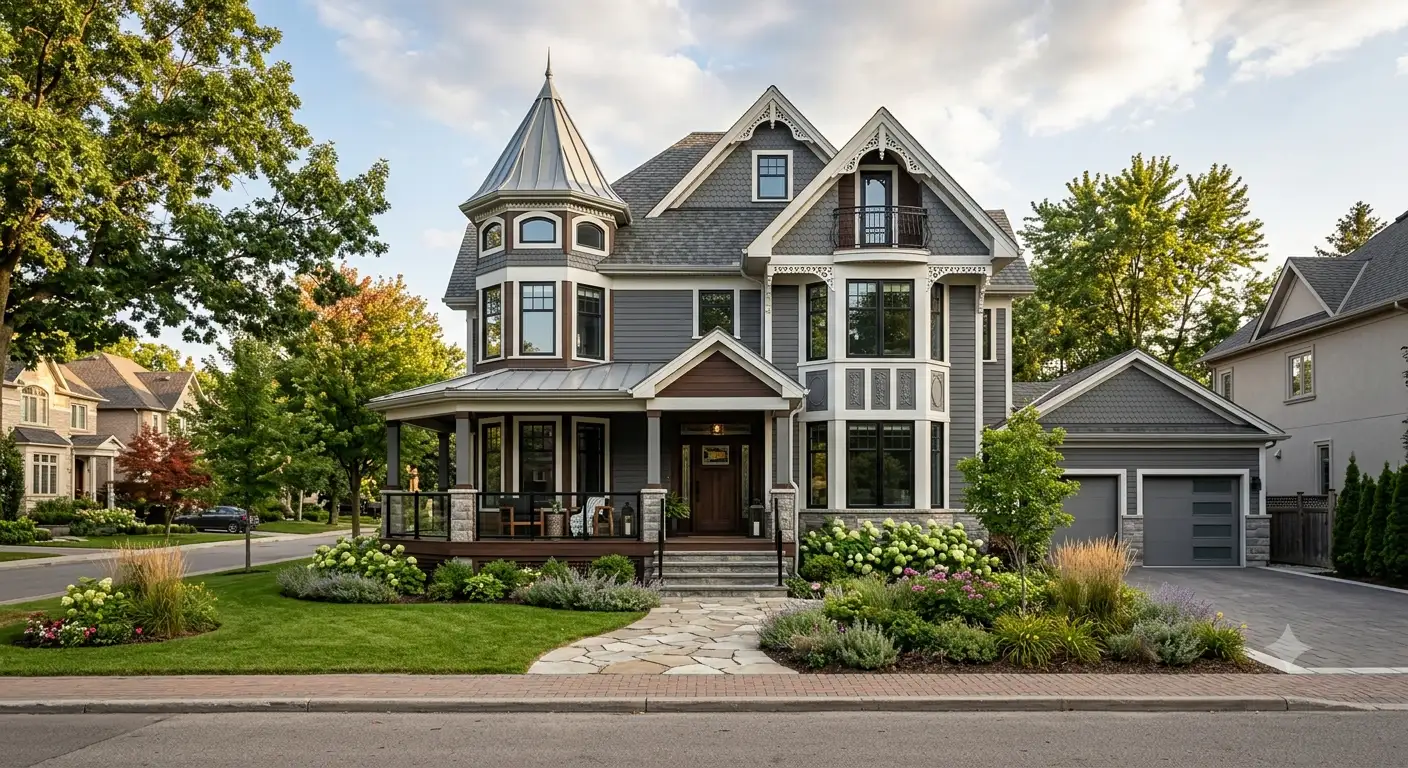
A modern Victorian house blends Victorian architecture, like bay windows, steep roofs, turrets, and decorative woodwork, with open layouts and contemporary comforts. It can mean a renovated 19th century home or a brand new build using modern Victorian house plans to recreate the look from scratch.
If you picture stuffy, dark rooms packed with knickknacks when you hear “Victorian,” you are not alone. The good news is that this style has evolved quite a bit. Let’s walk through exactly what makes this approach work today, without the museum feel or the guesswork.
What Is a Modern Victorian House?
A modern Victorian house blends Victorian architecture, like bay windows, steep roofs, turrets, and decorative woodwork, with open layouts and contemporary comforts. It can mean a renovated 19th century home or a new build using modern Victorian house plans to bring the look to life without the original wear and tear.
This style sits at the intersection of two very different goals: honoring a historic aesthetic and living comfortably in 2026. That balance is exactly why it keeps showing up in renovation projects and new construction alike.
What Makes a House Victorian Style?
Victorian style refers to homes built between 1830 and 1910 during Queen Victoria’s reign, typically two to three stories with an asymmetrical shape. Hallmarks include bay windows, steep roofs, wraparound porches, gingerbread trim, ornate trim, turrets, and Gothic architecture influences mixed with Queen Anne architecture details.
What’s the Difference Between Queen Anne, Italianate, Gothic Revival, and Second Empire Victorian Styles?
Queen Anne architecture features turrets and asymmetrical shapes with decorative woodwork. Italianate uses tall, narrow windows and bracketed cornices. Gothic Revival leans on steep roofs and pointed details rooted in Gothic architecture. Second Empire is defined by mansard roofs and a more formal, boxy silhouette.
[Comparison Table] Victorian Sub-Styles
| Style | Key Features | Roof Type |
| Queen Anne | Turret, asymmetrical shape, decorative woodwork | Steep, multi faceted |
| Italianate | Tall narrow windows, bracketed cornices | Low pitched |
| Gothic Revival | Pointed details, Gothic architecture influence | Steep roofs |
| Second Empire | Formal, boxy silhouette | Mansard roof |
| Romanesque | Heavy stone, rounded arches | Steep, complex |
Knowing which sub-style your home leans toward helps you make updates that actually match its original bones instead of fighting against them.
Is a New Build Victorian Style House the Same as Renovating an Old One?
No. Modern Victorian house plans let you build new, using Victorian style exteriors like bay windows and steep roofs with a fully open, modern layout from day one. Renovating an actual historic Victorian home means working around original features, tight square footage, and often HOA rules.
These are two very different projects with different timelines and budgets, so it helps to know which one you are actually signing up for before you start picking paint colors.
How Do You Modernize a Victorian House Without Losing Its Character?
Restore and showcase original features like crown molding, ceiling roses, and stained glass rather than removing them. Layer in modern elements like smart home technology, updated lighting, and contemporary furniture so the home feels both historically true and livable for today.
Can You Mix Modern Furniture With Victorian Decor?
Yes, mixing antique and modern pieces is a core part of this style. Pair a chesterfield sofa or chaise lounge with clean lined modern pieces, or place a gilded mirror above a streamlined console table to create eclectic contrast that feels intentional rather than mismatched.
A good rule of thumb is to let one era lead in each room. Too much back and forth between ornate and minimal pieces can start to feel chaotic instead of curated.
Can You Add an Open Floor Plan to a Victorian House?
Yes, by removing non load bearing walls to connect a traditional parlor, kitchen, and dining area into one open space. Preserve original features like bay windows and crown molding while opening the layout, so the renovation honors the home’s history without keeping its old compartmentalized rooms.
What Colors Are Used in Modern Victorian Homes?
Traditional Victorian color schemes lean on jewel tones like deep emerald, burgundy, sapphire, and navy. In 2026, palettes are shifting warmer, with greige, warm beige, and softer greens and blues replacing the cooler gray tones that previously dominated this design approach.
Pairing a deep jewel tone accent wall with warmer neutral trim is an easy way to bring this updated palette into a single room without repainting the whole house.
How Do You Stop a Victorian House From Looking Cluttered?
Lean into clustercore, a 2026 styling approach that layers decor thoughtfully without tipping into clutter. Use negative space deliberately, group collected pieces with intention, and let one or two statement items, like a gilded mirror or a gallery wall, anchor each room instead of filling every surface.
Here’s a simple way to apply it:
- Pick one statement piece per room, like a chaise lounge or chandelier
- Group small collected items together instead of scattering them
- Leave visible negative space between furniture and decor
- Repeat one or two colors throughout the room for cohesion
What Architectural Features Define the Exterior?
Bay windows, steep roofs, wraparound porches, gingerbread trim, turrets, ornate trim, and decorative woodwork define the exterior of this home style. Updates often include durable siding for low maintenance, fluted glass detailing, and a refreshed three to five color exterior scheme that updates the look while keeping the original silhouette.
What Interior Materials Are Trending in 2026?
This year favors real wood on ceilings, walls, and cabinetry over plastic or acrylic finishes, paired with fluted glass on cabinet doors and lighting fixtures. Mosaic tile is also rising, especially in bathrooms, as a direct homage to original Victorian flooring patterns like checkerboard tile.
How Do You Furnish a Modern Victorian Living Room?
Anchor the room with a statement piece like a chesterfield sofa, chaise lounge, or velvet upholstered chair, then layer in crystal chandeliers or wall sconces for dramatic lighting. Add a gilded mirror, floral wallpaper, or a gallery wall as a focal point, balanced with negative space so the room can breathe.
What Lighting Works Best in This Style?
Layer multiple light sources, combining crystal chandeliers, wall sconces, and candlelight for depth and drama. Period appropriate fixtures pair well with dimmer switches and smart home technology, letting you keep the ornate look while controlling brightness and mood with modern convenience.
How Do You Choose Wallpaper for a Modern Victorian House?
Choose floral wallpaper or damask patterns in saturated, moody tones rather than pastel or bright colors. Look for designs inspired by Victorian wallpaper, like William Morris prints, or oversized exaggerated florals that feel intentional rather than like a stock pattern blown up too large.
Test a sample on your wall before committing to a full room, since saturated patterns can look very different once they cover an entire wall versus a small swatch.
How Much Does It Cost to Renovate a Victorian House?
Costs vary widely depending on whether you are restoring original features like stained glass and crown molding or doing a full structural renovation involving removing non load bearing walls. Prioritize splurging on permanent architectural elements and save on furniture, which is easier to update later.
Do You Need HOA Approval to Update a Victorian House Exterior?
Often yes, especially in a historic neighborhood with a Home Owner’s Association overseeing exterior changes. HOA guideline compliance typically covers siding, paint colors, and architectural details, so check requirements before committing to updates like new siding or a new exterior color scheme.
Reach out to your HOA or local historic preservation office early in the planning process. Approval timelines can add weeks to a project if you wait until after you have already chosen materials.
How Do You Insulate an Old Victorian House Without Ruining the Character?
Focus on insulating behind walls and under floors rather than covering original features like decorative woodwork or stained glass windows. Pair efficiency upgrades with restoring original features like window glazing, so the home stays warmer without losing the period details that define its character.
Are Victorian Homes Hard to Maintain?
Victorian homes can require more upkeep due to wood siding, decorative woodwork, and complex rooflines, but durable modern materials reduce maintenance significantly. Restoring original features selectively, rather than maintaining everything original, also helps balance authenticity with a realistic upkeep schedule.
Is It Cheaper to Build New or Renovate an Old Victorian Home?
Building new with modern Victorian house plans often gives more cost predictability, since you are working from a clean design with known square footage. Renovating an existing historic home can uncover hidden issues behind original features, making the final renovation cost harder to estimate upfront.
What Is Clustercore and How Does It Relate to Victorian Design?
Clustercore is a 2026 styling trend that embraces this style’s natural layering, grouping collected objects and decor thoughtfully, while stopping short of true clutter. It directly answers the dilemma of wanting rich, layered rooms without the overcrowded feeling tied to traditional Victorian interiors.
Should I Decorate the Whole House or Just One Room?
A popular 2026 approach is committing full Victorian drama, like dramatic lighting, jewel tones, and ornate trim, to a single opulent room rather than the entire house. This keeps the rest of the home easier to live in while still delivering a strong, intentional design statement.
Final Thoughts
Getting a modern Victorian house right comes down to restraint as much as detail. Restore what makes the home special, mix in modern pieces with intention, and let one statement room carry the drama instead of spreading it everywhere. Get that balance right, and you end up with a home that feels rich and layered, not cluttered or stuck in the past.
FAQs
What is a modern Victorian house?
A home that blends Victorian architecture, like bay windows, steep roofs, and decorative woodwork, with open layouts and modern comforts, either through renovation or new construction.
What years were Victorian homes built?
Between 1830 and 1910, during Queen Victoria’s reign.
Can you mix modern furniture with Victorian decor?
Yes. Mixing antique and modern pieces, like a chesterfield sofa with clean lined furniture, is a defining feature of this style.
How do you stop a Victorian house from looking cluttered?
Use clustercore principles. Layer decor thoughtfully, leave negative space, and let one or two statement pieces lead each room.
What’s the difference between Queen Anne, Italianate, and Gothic Revival Victorian styles?
Queen Anne features turrets and asymmetry, Italianate uses tall windows and bracketed cornices, and Gothic Revival leans on steep, pointed rooflines.
Are Victorian homes hard to maintain?
They can require more upkeep due to wood siding and complex rooflines, but modern materials and selective restoration make maintenance more manageable.
Is it cheaper to build new or renovate an old Victorian home?
Building new with modern Victorian house plans offers more cost predictability, while renovating an existing home can uncover hidden costs along the way.
Do you need HOA approval to update a Victorian house exterior?
Often yes, especially in a historic neighborhood, so check guideline compliance before committing to siding, paint, or other exterior updates.