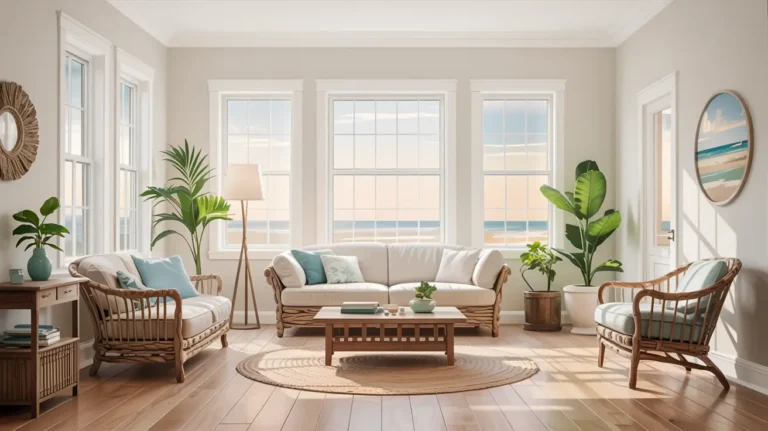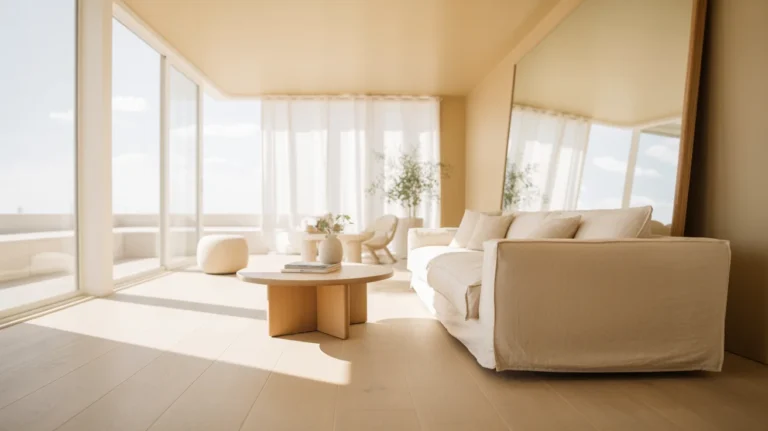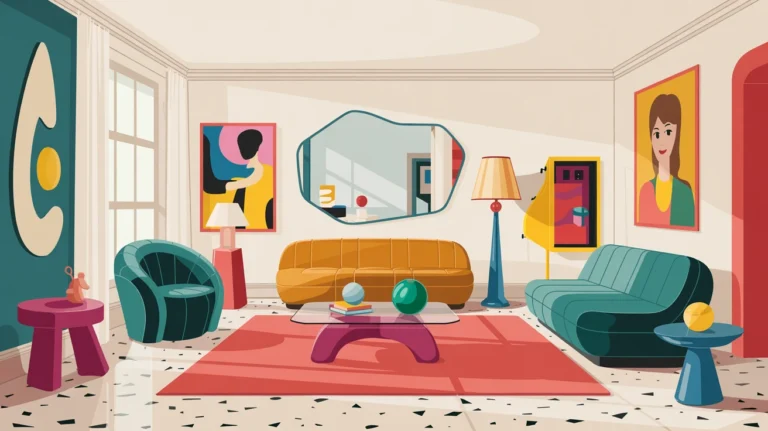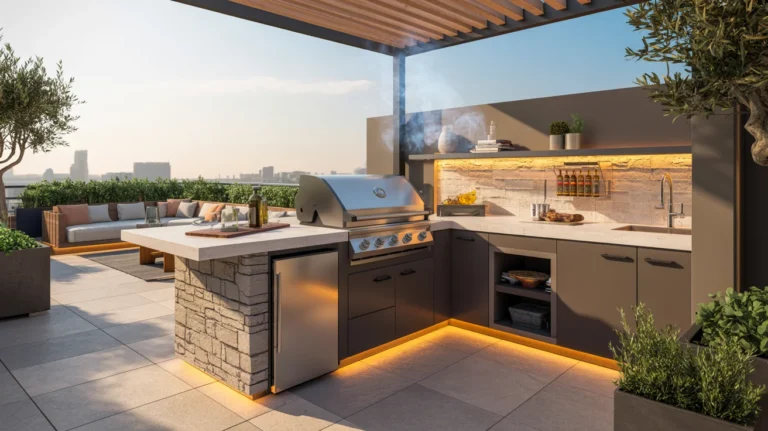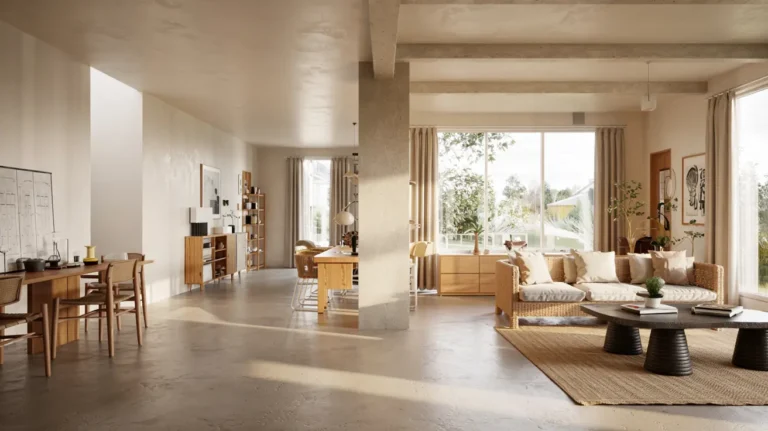

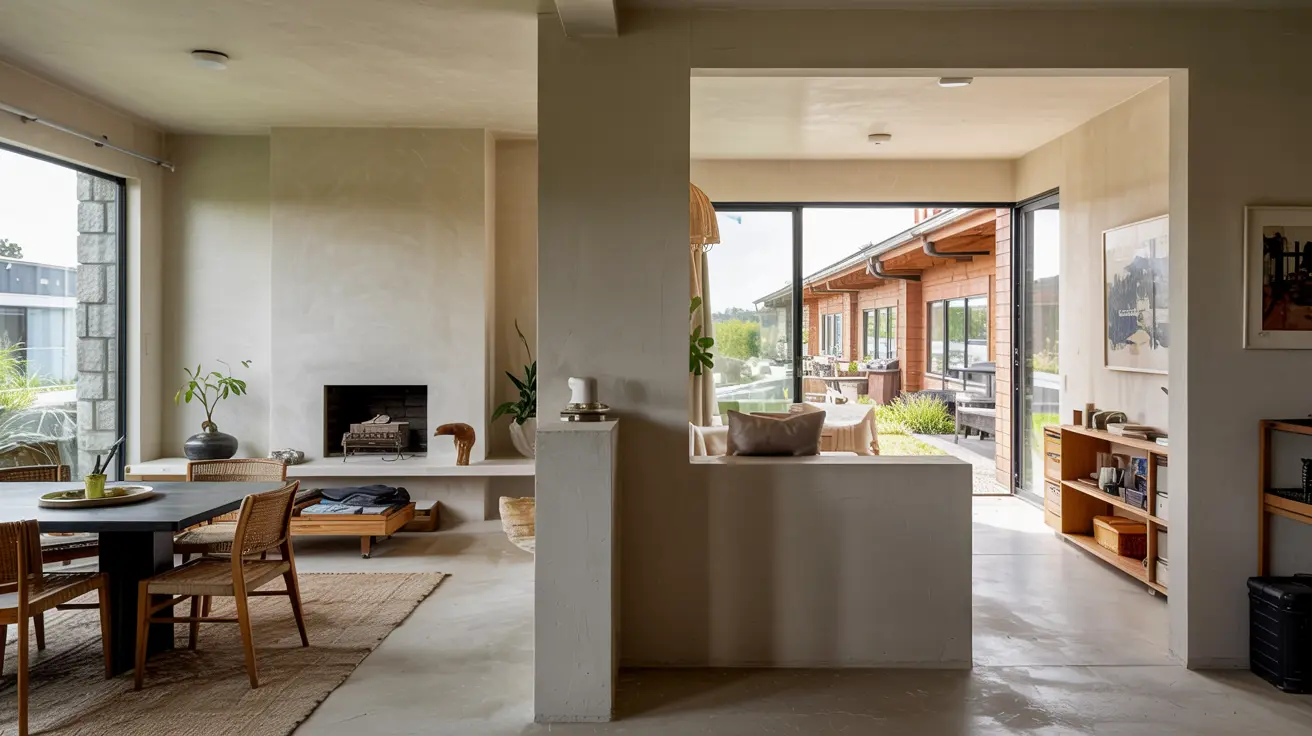
Home interior paint ideas influence how a room feels, moves, and functions. Color affects brightness, scale, and visual balance more than furniture or decor. When paint aligns with room size, lighting, and use, interiors feel steady and intentional rather than unsettled.
How Paint Changes the Way Space Feels
Paint alters how walls respond to light and distance. Light shades reflect light and soften edges, which helps rooms feel open. Dark shades absorb light and define boundaries, which can reduce perceived space when used across large surfaces. Controlled contrast creates depth without closing in the room.
Interior Paint Ideas by Room Use
Paint should support how each room is used instead of repeating one color everywhere.
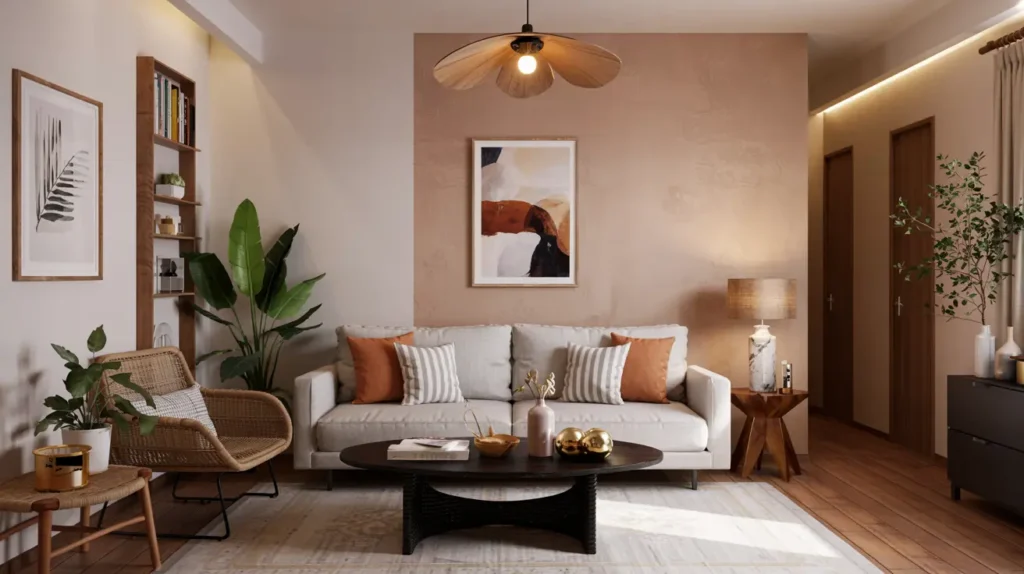
Living Room Paint Ideas
Living rooms benefit from restrained color ranges that support comfort and flexibility. Neutral tones adapt well to changing furniture and decor. Subtle accent walls add depth when placed where the eye naturally settles, such as behind seating or artwork.
Rooms that feel flat often lack tonal variation. Using multiple shades from the same color family restores depth without visual clutter.
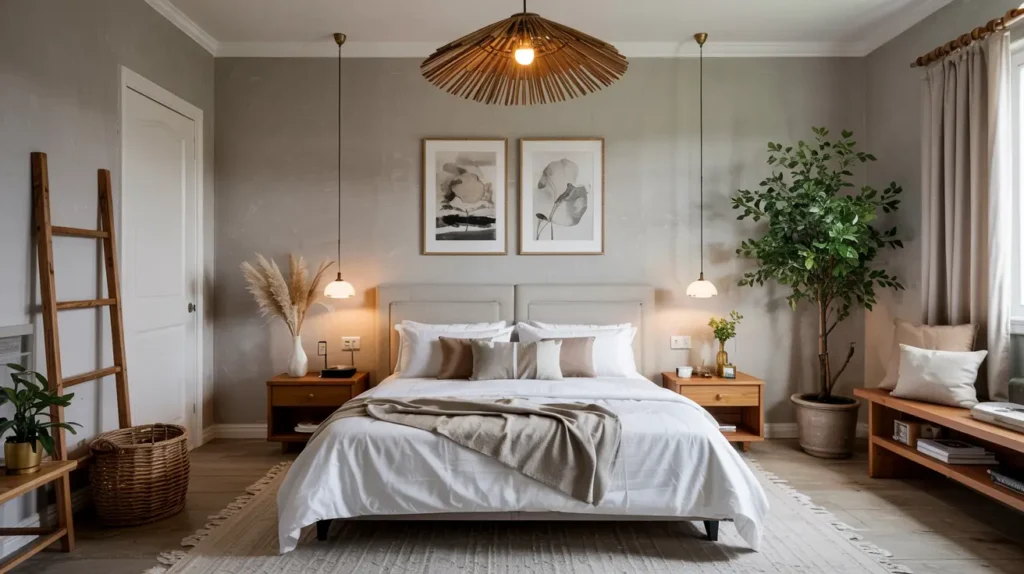
Bedroom Paint Ideas
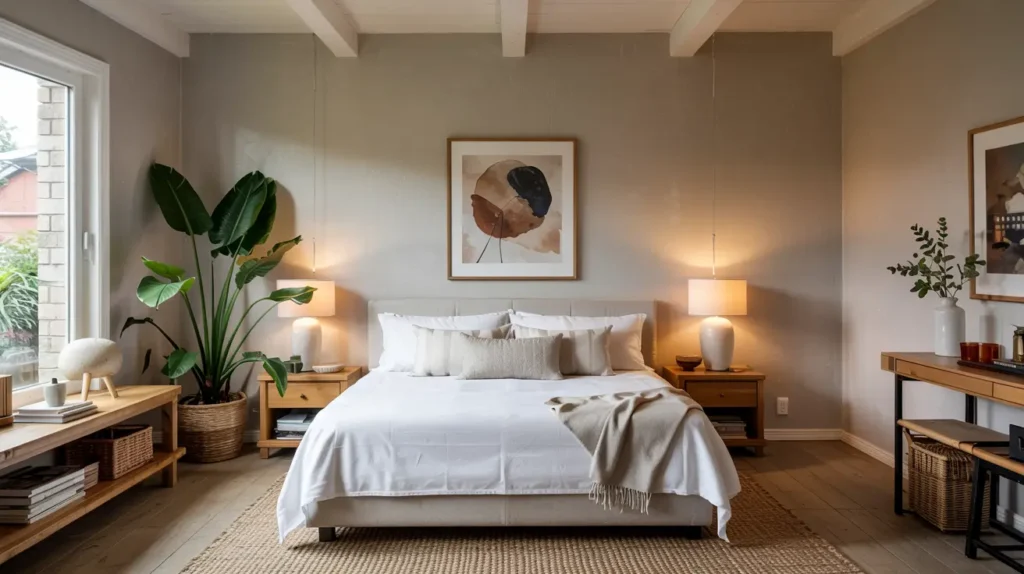
Bedrooms perform better with muted tones that reduce visual activity. Strong contrasts and reflective finishes can interrupt rest, especially under artificial lighting. Lower sheen finishes soften light and maintain calm during evening hours.
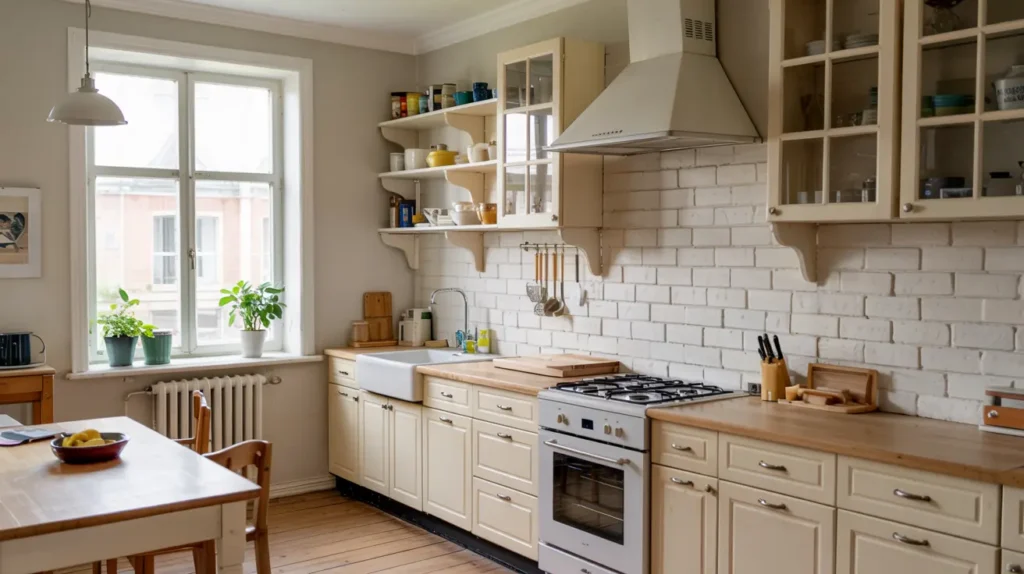
Kitchen Paint Ideas
Kitchens rely on clarity and brightness. Light wall colors improve visibility and reduce visual congestion. Cabinet colors within a neutral range prevent the space from feeling heavy.
Dark upper cabinets often compress vertical space. Lighter finishes help restore proportion.
Bathroom Paint Ideas
Bathrooms combine limited space with moisture. Pale tones increase brightness and reduce enclosure. Extending the same color across walls and ceilings removes visual breaks and improves continuity.
Higher sheen finishes protect surfaces and support cleaning without changing color appearance.
Hallway and Entryway Paint Ideas
Hallways depend on reflected light. Pale shades prevent narrowing effects and support visual flow between rooms. Keeping color consistent across connected spaces improves spatial continuity.
Interior Paint Finishes and Surface Behavior
Paint finish affects durability, cleaning, and light response.
| Area | Finish | Purpose |
|---|---|---|
| Living room | Eggshell | Soft appearance with cleanability |
| Bedroom | Matte | Reduced light reflection |
| Kitchen | Satin | Moisture tolerance |
| Bathroom | Semi gloss | Surface protection |
| Hallways | Satin | Wear resistance |
Finish selection influences long-term appearance as much as color.
Paint and Natural Light Direction
Light direction changes how paint appears throughout the day. Cooler light conditions mute warm tones, while strong sunlight intensifies undertones. Paint samples should be viewed on more than one wall to understand full color behavior.
Rooms with limited daylight often benefit from warmer neutrals to prevent dullness.
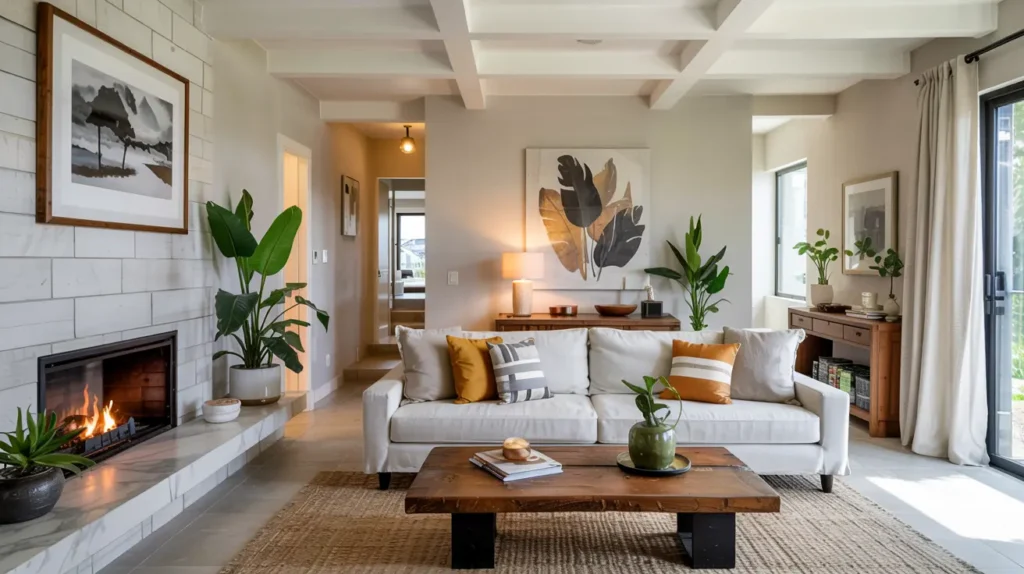
Modern Interior Paint Direction
Modern interiors rely on restraint and cohesion. Neutral foundations paired with one supporting accent maintain clarity across open layouts. Excess contrast fragments space and disrupts flow.
Consistency across shared walls improves continuity in connected rooms.
Wall Paint Ideas That Add Depth
Tone variation, soft contrast, and limited accent use add interest without overwhelming the room. Strong contrasts work best on architectural features rather than large wall areas.
Simplified palettes reduce visual fatigue and hold up over time.
Color and Daily Use
Color influences focus, comfort, and rest. Warmer tones soften social spaces. Cooler tones reduce visual activity in private rooms. Neutral shades balance both effects.
Paint performs best when aligned with daily routines instead of trends.
Paint Consistency Across Rooms
Coordinated color systems help maintain undertone consistency. Testing colors from the same source reduces variation that disrupts visual flow.
Surface texture and lighting should be considered alongside color samples.
Visual Planning for Interior Paint
Inspiration images provide direction but not accuracy. Real surface testing shows how color reacts to light, finish, and scale. Large sample boards offer the clearest preview.
This step supports confident decisions and reduces rework.
Home Interior Paint Ideas FAQs
What paint colors work across most interiors?
Balanced neutrals with soft contrast adapt well to different rooms and lighting.
How should interior wall paint be planned?
Room size, light direction, and surface finish should guide selection.
Which colors suit modern interiors?
Soft neutrals with restrained accents support clean layouts.
Do light colors help small rooms?
Yes. Light shades expand visual boundaries and increase brightness.
What wall paint ideas add interest without clutter?
Tone variation and limited accent placement add depth without distraction.
Closing Notes
Home interior paint ideas succeed when color, finish, and light work together. Careful planning improves comfort, clarity, and long-term satisfaction. Paint should support daily living and spatial balance.