

Why people choose sliding doors in the first place

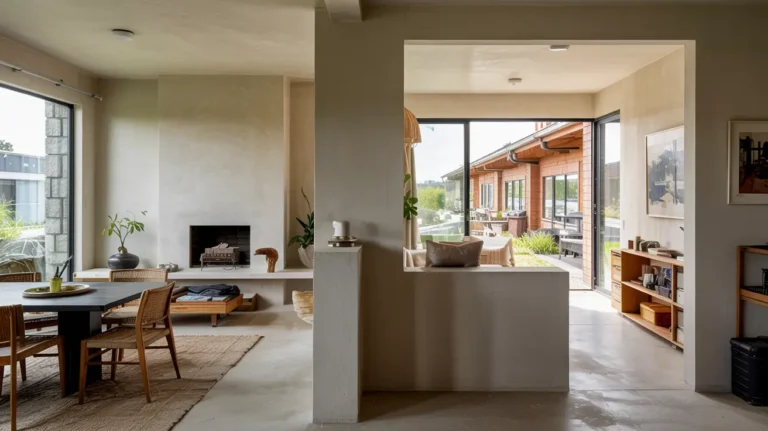
A slider opens without swinging into the room. That helps in tight layouts. It also adds more glass than many hinged doors. That can brighten a dark living room fast. Many homeowners also like the easy indoor outdoor feel.Still, a bad slider can drive you crazy. It can stick, rattle, leak air, or feel unsafe. The goal is simple. Choose a door that fits the space and runs smoothly for years.
Quick checklist before you pick a door
Start with the room and how you live in it. Think about furniture, traffic, kids, and pets. A few minutes here can save weeks of regret.
- Measure clear wall space on both sides of the opening.
- Note where wind and rain hit your home.
- Decide how much privacy you need at night.
- Think about noise from streets or neighbors.
- Check if you need a screen for bugs.
- Consider who will use the door daily.
If the door is for a main patio, comfort matters most. If it is for a closet, smooth glide matters more.
Sliding door types and where each one fits best
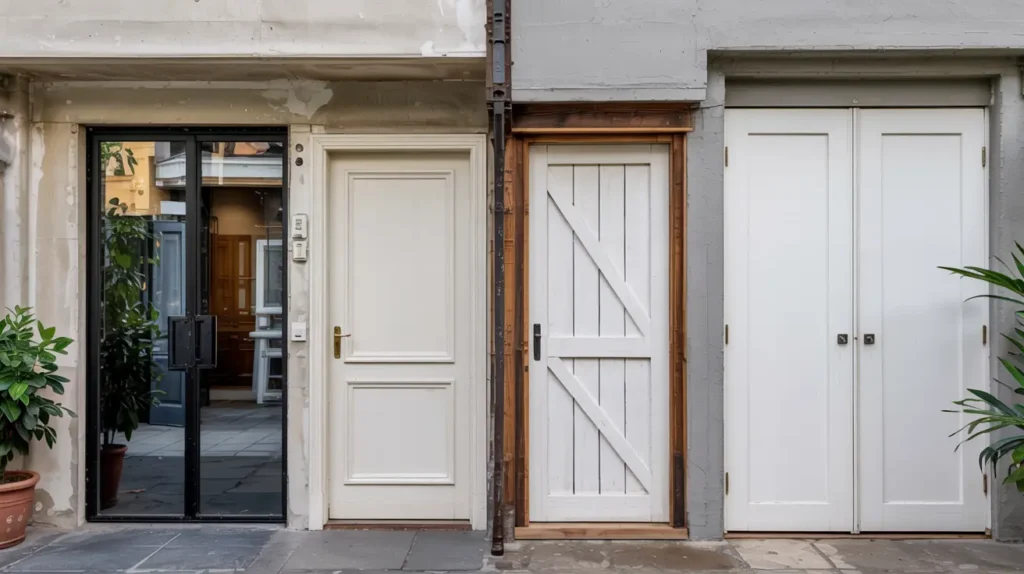
Not every slider belongs in every room. Each style solves a different problem.
Sliding glass patio doors
This is the common two panel setup. One panel moves. One panel stays fixed. It works well for patios, balconies, and decks. It also gives a wide view and strong daylight.Best for living rooms, dining rooms, small patios.Watch for drafts, worn seals, cheap rollers.
Multi panel and wide opening systems
These use three or more panels. Some panels stack. Some hide in a wall pocket. These doors suit large openings and modern builds. They cost more and need careful install.Best for open plan homes and big terrace walls.Watch for track quality, water control at the sill.
Pocket doors
A pocket door slides into a wall cavity. It frees up floor space and looks clean. It needs the right wall framing. Many existing walls cannot take it without work.Best for bathrooms, laundry rooms, tight hallways.Watch for weak framing, hard repairs later.
Barn style sliders
A barn style door hangs from an overhead rail. It stays on the outside of the wall. It looks great in some homes. It does not seal like a true door.Best for pantries, closets, rustic interiors.Watch for sound leaks and privacy gaps.
Bypass closet doors
Two panels slide past each other on parallel tracks. It works for closets and storage walls. It is simple and budget friendly.Best for bedrooms and hallway closets.Watch for bent tracks and flimsy hardware.
Sliding shower doors
These use tempered glass and corrosion safe hardware. They save space in small bathrooms. Water sealing depends on good alignment.Best for tight bathrooms.Watch for hard water buildup in the track.
The parts that decide how a sliding door feels
Most slider problems come from a few key parts. Know them and you can spot issues fast.
Track and threshold
The track guides the panel and takes the wear. The threshold also manages water. Dirt in the track makes the door drag. A damaged track makes it wobble.
Rollers
Rollers carry the weight and help the glide. Cheap rollers flatten and seize. Better rollers last longer and feel smoother. Some have adjustment screws for height.
Frame and panel
A stiff frame keeps the door square. A weak frame twists and binds. That hurts the lock and seals too.
Weather seals
Weatherstripping blocks air leaks and dust. When it wears, drafts show up fast. A tight seal also reduces outside noise.
Lock and handle set
A good lock should close with little force. If you must slam it, alignment is off. Security also depends on anti lift fit at the top.
Frame materials and what they mean in real life
Materials change price, feel, and upkeep. Pick based on your climate and habits.
Vinyl
Vinyl is popular and budget friendly. It can insulate well when built right. Cheaper vinyl can warp in extreme heat.Good for many homes and mild climates.
Aluminum
Aluminum can look slim and modern. It can also conduct heat and cold. Look for a thermal break if comfort matters.Good for modern styles and large panels.
Wood
Wood looks warm and classic. It needs sealing and care. Moisture can swell it if neglected.Good for traditional homes and covered openings.
Fiberglass
Fiberglass stays stable in heat and cold. It can mimic wood looks. It often costs more than vinyl.Good for harsh climates and long term value.
Glass options that change comfort and safety
Glass makes up most of a patio slider. That means glass choices matter a lot.
Double pane vs single pane
Double glazing helps with comfort and noise. Single pane glass can feel cold in winter. It can also sweat more.
Low emissivity coatings
Low E glass reduces heat transfer. It helps keep rooms cooler in summer. It also helps keep heat inside during winter.
Tempered and laminated glass
Tempered glass breaks into small pieces. That reduces injury risk. Laminated glass holds together better when struck. It can also reduce noise.
Privacy and sun control
Tinted glass can cut glare. Frosted glass adds privacy for bathrooms. Curtains and blinds still help at night.
Energy comfort issues people notice first
Most homeowners notice comfort problems before they notice hardware wear. Fixing comfort often starts with seals and glass.
Drafts and cold spots
Drafts often come from worn weatherstripping. Misaligned panels can also leave gaps. Fix alignment first, then replace seals.
Condensation and foggy panes
Condensation on the inside surface can happen in humid rooms. Fog between panes often means a failed seal. That usually needs glass unit replacement.
Outside noise
Noise depends on glass build and seals. Laminated glass can help. Tight weather seals also make a big difference.
Security upgrades that actually help
A slider can be secure, but only if it is set up right. Start with the basics.
Fix the alignment so the lock seats
A lock cannot protect you if it barely hooks. Adjust rollers so the panel sits square. Make sure the latch engages fully.
Add a secondary stop
A simple security bar in the track can stop forced sliding. It also helps with peace of mind at night.
Use anti lift protection
Some break ins happen by lifting the panel off the track. Anti lift blocks reduce that risk. Many modern units include them.
Choose stronger glass when needed
If security is a concern, laminated glass can help. It is harder to breach quickly.
Smart sensors for alerts
A basic contact sensor can alert you when the door opens. That is useful for back doors and rentals.
Common sliding door problems and real fixes
These issues show up again and again. Most have simple causes.
The door sticks or feels heavy
This is usually dirt in the track. It can also be worn rollers.
Fix it:
- Vacuum the track and wipe it with a damp cloth.
- Scrub stuck grit with a soft brush.
- Add a small amount of silicone based lubricant.
- Adjust roller height to level the panel.
If the track is dented, a pro may need to replace the track cap.
The door wobbles or rattles
Loose rollers or a worn track can cause wobble. Wind can also shake a loose panel.
Fix it:
- Tighten hardware screws on the frame.
- Adjust rollers so the panel sits snug.
- Check the top guide for play.
The door will not lock smoothly
Misalignment is the usual cause. The latch cannot line up.
Fix it:
- Lift the moving panel slightly by adjusting rollers.
- Confirm the strike plate lines up with the latch.
- Replace the lock if it feels loose or worn.
Water leaks near the bottom
Water issues can come from clogged weep holes. Bad sill flashing can also cause leaks.
Fix it:
- Clear debris from drainage paths.
- Keep the outside track free of leaves.
- Check caulk lines for gaps.
If water enters during storms, get a pro to inspect flashing.
The screen door drags
Screens ride on small rollers too. Dirt and bent tracks cause most problems.
Fix it:
- Clean the screen track.
- Adjust screen rollers if the model allows it.
- Replace rollers if they bind.
Maintenance that keeps sliders smooth for years
A few small habits prevent most failures.
Clean the track every month if you use the door daily. Do it more in dusty areas. Lubricate only after cleaning. Lubricant on dirt makes paste. Check weather seals twice a year. Replace worn strips before winter or peak heat.
If you hear grinding, stop forcing the door. Grinding can chew up the track fast. Fix the cause first.
Install details that separate a great door from a bad one
Even the best door fails with a poor install. This part matters if you hire a contractor too.
Measure the opening correctly
Measure width and height in several spots. Older openings can be out of square. A good installer checks level and plumb.
Plan for water management
Patio doors need proper sill support and drainage. Good flashing protects the framing. Many leaks come from poor water control, not the door itself.
Confirm the wall can support a pocket door
Pocket doors need the right stud layout and header strength. Plumbing and wiring can block the wall cavity. A contractor may need to move lines.
Decide on threshold height
Low thresholds feel nice, but they need careful drainage. Higher thresholds can handle water better in storms.
Repair vs replace, how to decide without guessing
Sometimes a repair gives you years more life. Other times it wastes money.
Repair often makes sense when the glass is fine, the frame is straight, and only rollers, seals, or locks are worn.
Replacement makes more sense when the frame warps or rots, the glass seal fails often, or you feel constant drafts even after repairs. It also helps when the door lacks modern safety and comfort features.
If you plan to sell soon, a smooth working slider helps showings. Buyers notice sticking doors right away.
Sliding doors for each room, quick picks
A few room based notes can guide you fast.
Living room to patio
Choose a stable frame and quality rollers. Pick double pane glass for comfort. Add a screen if you like airflow.
Bedroom closet
Bypass panels work well. Focus on smooth glide and quiet rollers. Mirrors can help small rooms feel larger.
Bathroom
Pocket doors save space and avoid swing conflicts. Avoid barn doors when privacy and noise matter.
Home office
Seals and sound control matter here. Consider laminated glass for noisy streets. Add blinds for glare control.
FAQs people ask before they buy or fix a slider
Can I repair a sliding door myself?
Yes, many fixes are simple. Cleaning tracks and adjusting rollers often works. Call a pro for broken glass or water leaks.
How often should I maintain my sliding door?
Clean tracks monthly in high use areas. Check seals twice a year. Lubricate only after cleaning.
How much does it cost to repair a sliding door?
Costs vary by issue and region. Roller replacement costs less than glass work. Water leak repairs can cost more due to flashing.
How can I prevent sliding door problems?
Keep tracks clean and dry. Do not force a sticking panel. Replace worn seals early and keep drainage paths clear.
How do I remove a sliding glass door without breaking it?
Get help because panels are heavy. Remove stop trim first. Lift the panel up, then swing the bottom out. Set it on padded supports.
Can I replace a sliding glass door myself?
Some skilled DIYers do it, but it is hard work. The opening must be square and sealed well. Poor flashing can cause leaks later.
How much does it cost to replace a sliding glass door?
Price depends on size, frame, and glass options. Multi panel systems cost much more than standard units. Installation quality matters as much as the door.