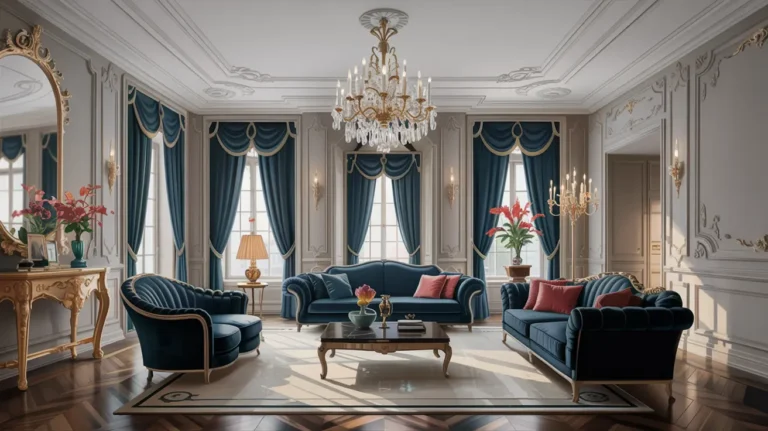

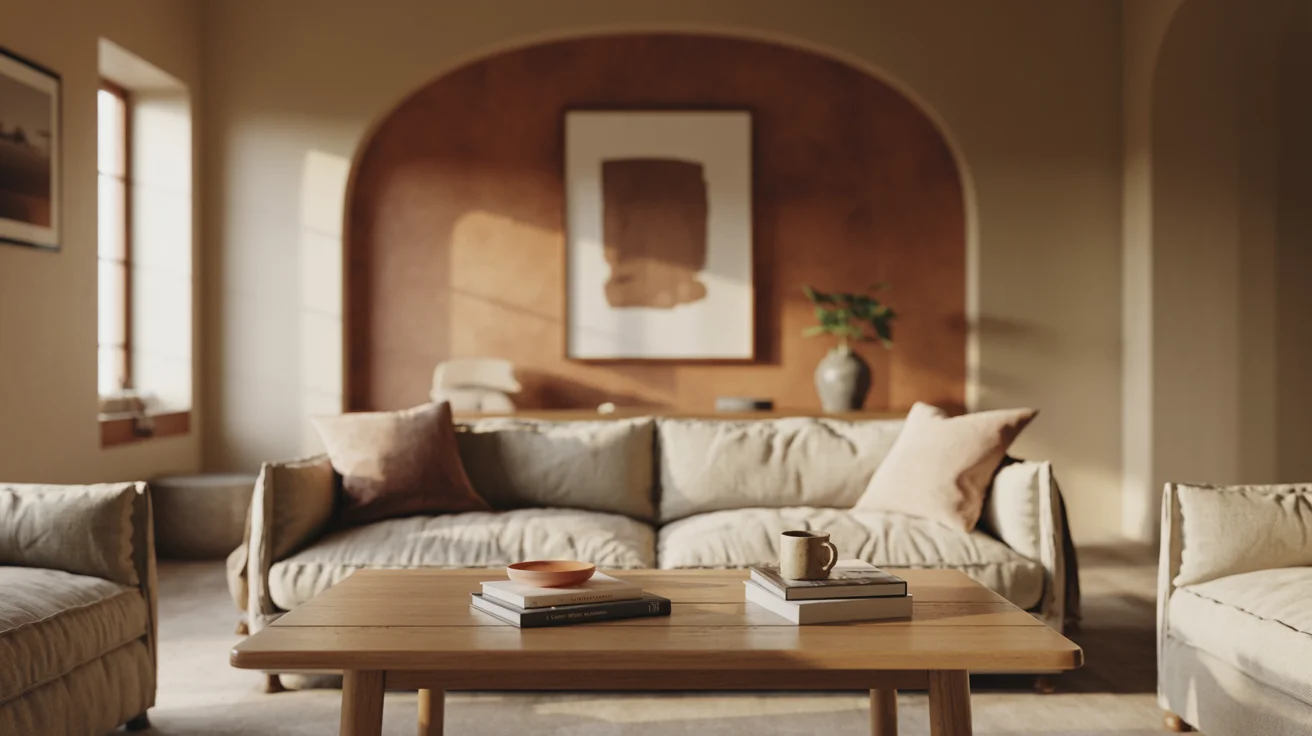
Start With the Problem Not the Paint
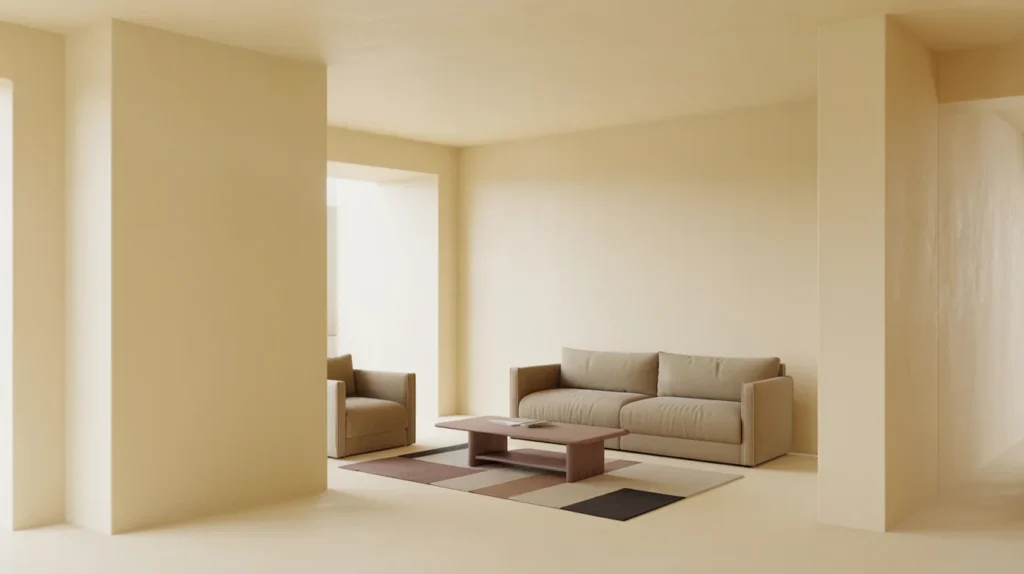
I’ve seen a lot of homes where everything is fine, but nothing feels finished. The sofa sits there. The rug sits there. The walls sit there. Then you add a few pillows and a plant, and it still feels flat. That’s usually a wall problem. Not a shopping problem. An accent wall home decor is useful because it gives the room one clear decision. It tells your eyes where to go.
What an Accent Wall Is Actually For
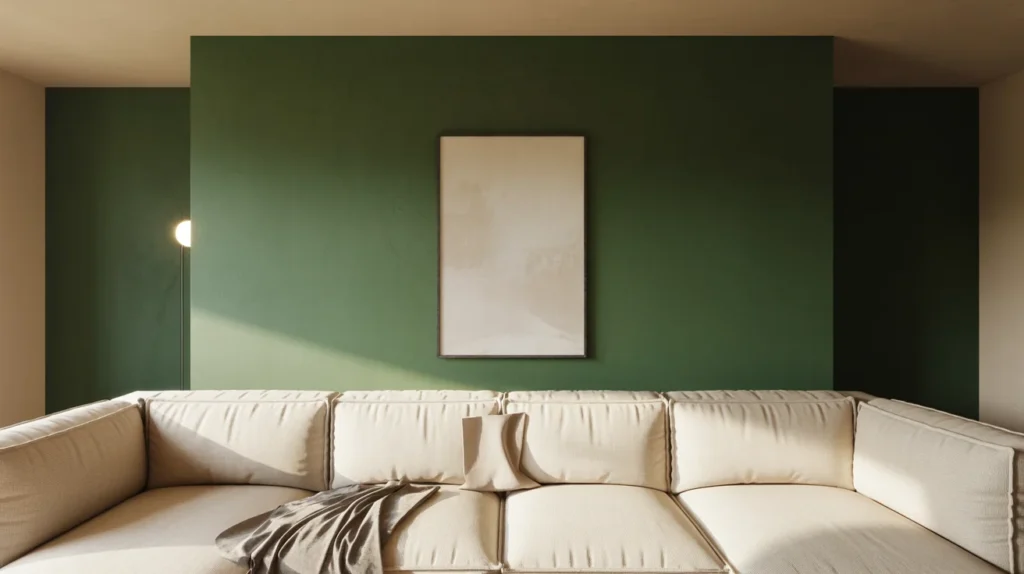
People treat accent walls like a trick. They paint one wall and hope the room feels styled. It only works when the wall has a job. The job is focused. The wall should anchor the room. When it does, the rest of the space relaxes. You stop feeling like you need more decor.
How to Pick the Wall Without Guessing
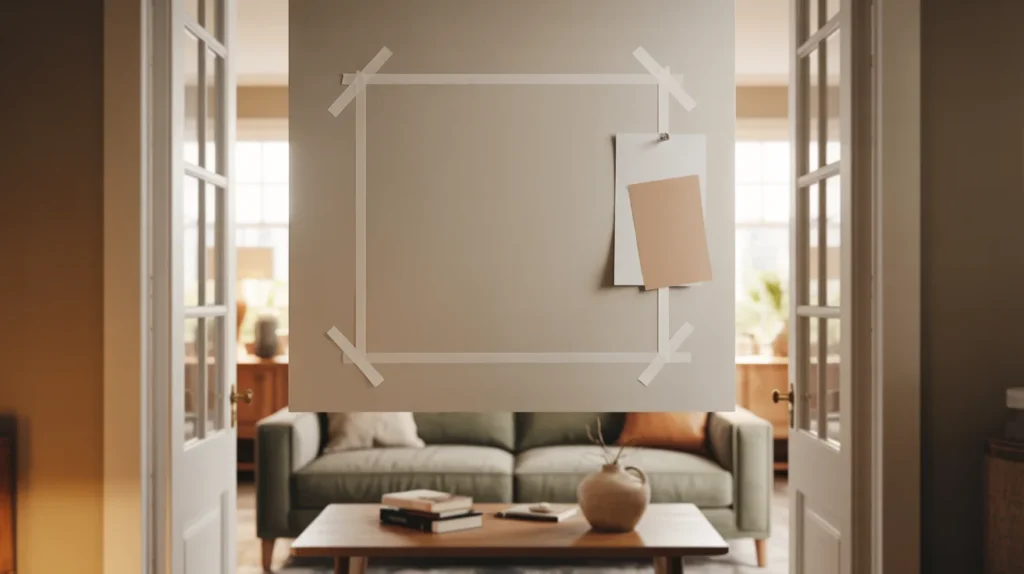
Don’t start by picking a color. Start by standing in the doorway. Notice where your eyes land first. That wall is usually the best candidate. In most bedrooms, it’s behind the bed. In many living rooms, it’s the wall the sofa faces. In dining spaces, it’s often behind the table. If your first view is a wall full of doors, skip it. That wall already has enough going on.
Paint Choices That Don’t Get Old Fast
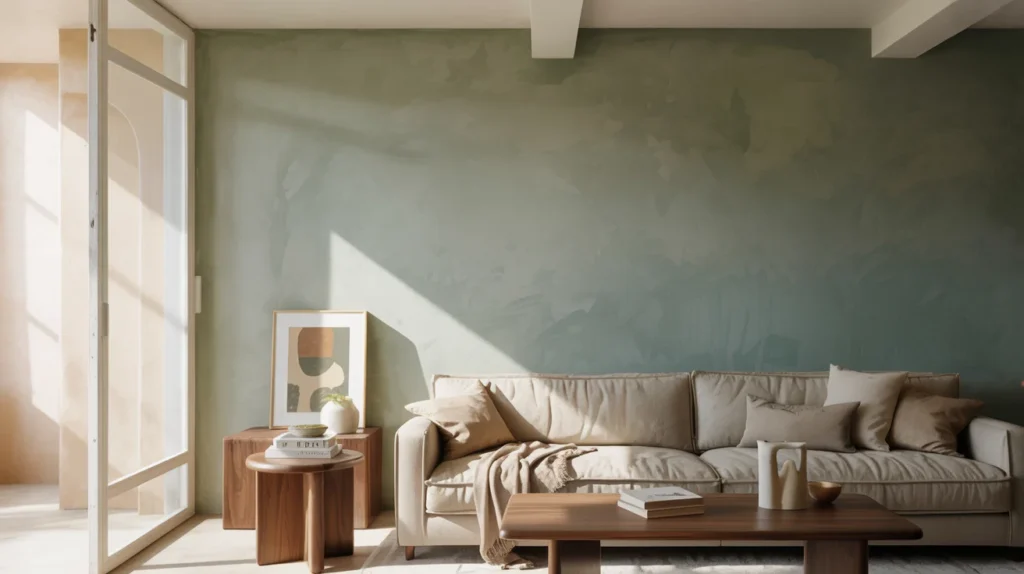
Paint is the easiest route, and it can look great. It can also look cheap fast. The difference is usually the tone and the finish. If the room gets good daylight, a deeper color can add depth. If the room is dim, deep paint can feel heavy. Matte paint looks softer and hides bumps. Gloss catches light, but it shows every mark. For most homes, a calm, muted color holds up better than a sharp trend shade.
A Simple Way to Avoid Color Regret
Most “bad” paint colors are fine colors in the wrong light. That’s why samples matter. Paint two or three test patches on the wall. Look at them in the morning. Check them again at night. Lamps can change everything. If you want a safe win, look at warm gray, dusty blue, muted green, or soft clay. These tones sit well with most furniture.
When the Room Needs Texture Instead
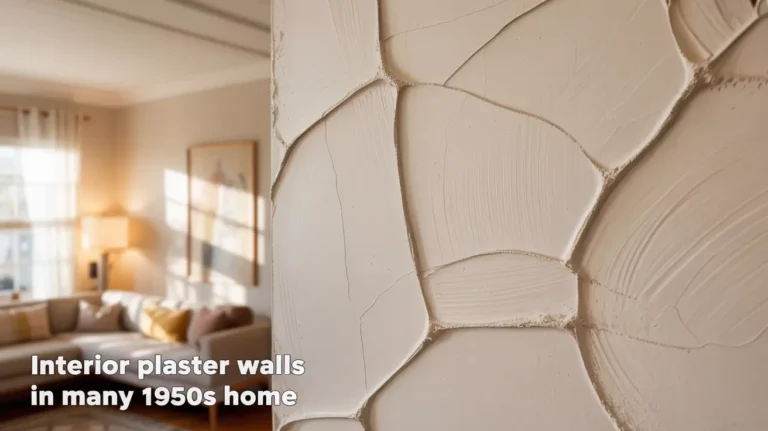
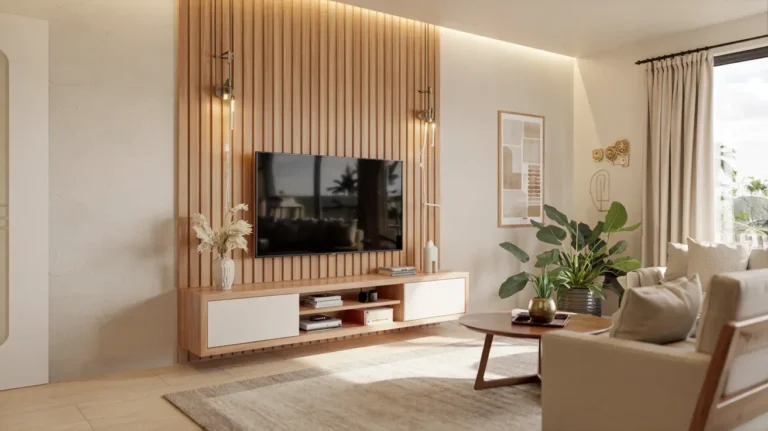
Some rooms don’t need a bold color. They need texture. Texture adds depth without shouting. Wood slats can look clean and modern. Simple paneling can make a plain room feel finished. Shiplap feels casual and lived in. Brick and stone can be strong choices, but they add weight. If the room is already dark, go light with texture. Keep the rest of the decor simple.
Wallpaper That Won’t Drive You Crazy
Wallpaper is much better now than people remember. Removable wallpaper is a real option, especially for rentals. Pattern matters, though. Big patterns need breathing room. Small patterns can feel busy in tight spaces. If your sofa or curtains already have print, keep the wall calm. And always order a sample. Phone screens lie about color and scale.
Living Room Accent Walls That Make Sense
In a living room, the accent wall should support the seating area. If the TV is on that wall, keep the wall calmer. A loud pattern behind a TV gets tiring. Paint or subtle texture usually works better. If the room is wide, a darker wall can help it feel grounded. If the room is narrow, a lighter accent can keep it open.
Bedroom Accent Walls That Feel Restful
Bedrooms are easier. The wall behind the headboard is the obvious choice. A soft color works well here. Texture can be even better. A panel detail or a quiet wallpaper can frame the bed. It makes the room feel finished. It also keeps you from overdecorating the other walls.
Dining and Office Walls That Don’t Compete
Dining rooms can handle deeper tones because you don’t live there all day. Warm lighting makes dark walls feel cozy. Offices are different. You don’t want a wall screaming behind you. Calm colors help. A muted blue or green often looks good on camera too. It reads clean without being loud.
Lighting: The Part People Skip
Lighting decides whether the wall looks intentional. Overhead lights can make dark paint look harsh. Lamps can make the same color look warm. Sconces add a finished look, even if they’re simple. Before you commit, turn on your lights at night. If the wall feels off then, it will bug you later.
How to Style the Wall Without Cluttering It
You don’t need to fill the wall to prove it’s an accent. If the color is strong, one large piece of art can be enough. A mirror can work too. Shelves can look great, but they get messy fast. If you want a gallery wall, keep the frames consistent. Keep spacing tidy. If you’re unsure, go simpler. Simple usually wins.
Common Mistakes I See All the Time
The biggest mistake is picking the wrong wall. The second mistake is going too bold in a dark room. Another mistake is mixing too many ideas at once. Paint plus busy wallpaper plus shelves can look chaotic. If the wall feels “loud,” calm it down. Swap to a softer tone. Reduce the decor. Let the wall do its job.
Budget Options That Still Look Clean
Paint is still the best budget move. Clean edges matter more than the color. If you want depth, molding strips are affordable. They can make a wall look custom. Peel and stick wallpaper is a good middle option. For wood, you don’t need a full build. A simple slat kit can give you texture without a major project.
A Quick Test to Know If You Got It Right
Finish the wall, then leave the room. Walk back in a minute later. If your eyes land on the wall naturally, it works. If the wall feels like it’s begging for attention, it’s too much. The best accent walls don’t feel like a trick. They feel like the room finally makes sense.