
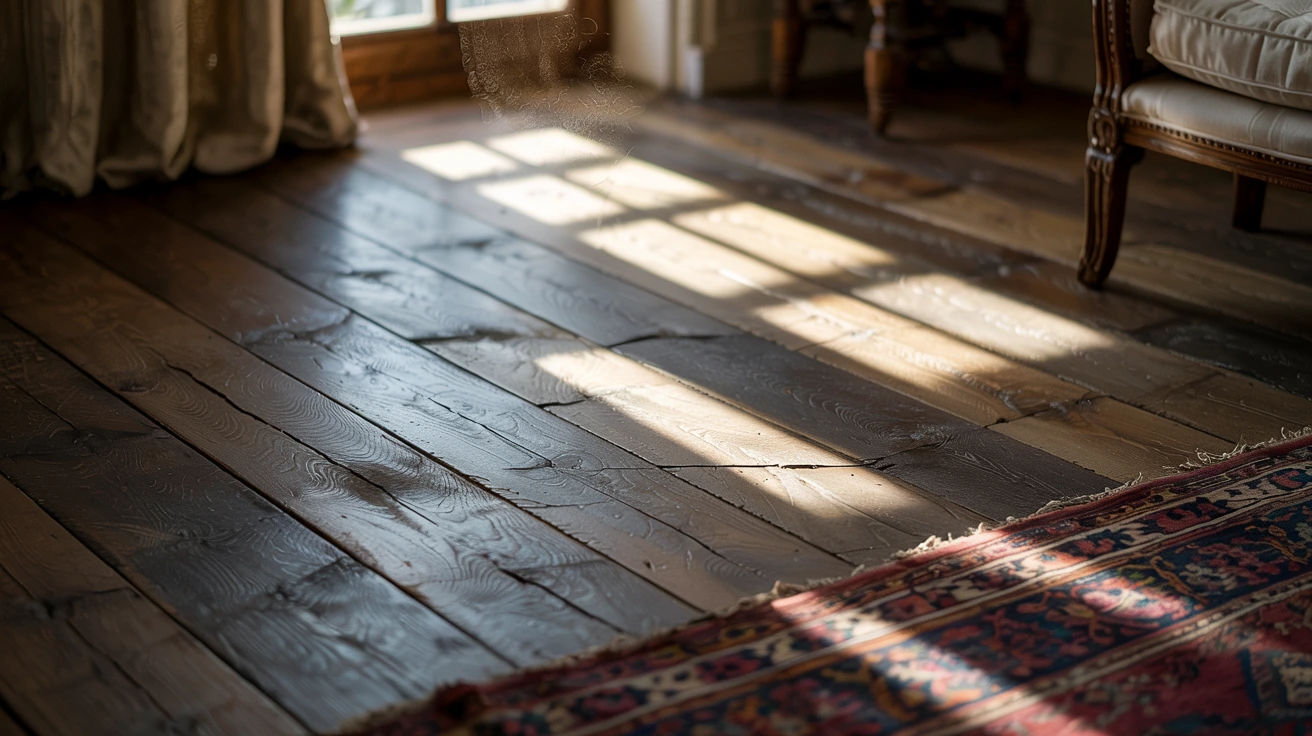
Georgian floorboards bring a certain calm to a home. They feel solid underfoot. They show age in a way that looks honest. You will often see wide planks, slight irregularity, and a surface that tells a story. If you own a Georgian house, or you are renovating one, the goal is simple. Keep what is worth keeping. Repair what can be repaired. Replace only what you must, and match it properly.
What Georgian floorboards are
Georgian floorboards are timber boards used in homes built during the Georgian period. Many were cut from local timber and fitted by hand. That is why older floors can show variation in width and length. You may also see a softer edge profile than modern boards. In higher status rooms, boards were often better selected and more carefully laid. In service areas, you may see rougher boards or different floor types.
Where you usually find them in a Georgian house
Front rooms often had better boards and a cleaner finish. Bedrooms and landings can look simpler but still well made. Kitchens and back rooms may have boards that took more wear. Entrance zones sometimes used stone rather than timber, depending on the home and the region.
Georgian houses did not use timber everywhere
It helps to remember this when planning a renovation. Many Georgian homes also used stone floors. You might find flags, limestone, or other local stone in halls, cellars, and service spaces. Some homes mix timber upstairs with stone downstairs. That blend can be part of the character.
Wood species used in Georgian floors
The timber type matters because it affects hardness, wear, and how the boards age.
Oak in earlier and higher value floors
Oak boards can feel dense and heavy. The grain can be bold. Oak often ages with a deeper tone. If you have oak, keep sanding to a minimum. Oak can last a very long time when treated with care.
Pine and softwoods in many Georgian homes
Pine was widely used and is still linked with period boards. It dents more easily than oak. It also shows wear in a softer, more visible way. That wear can look right in a period home. It can also look messy if the finish is wrong. A good finish choice makes pine look calm, not scruffy.
Other timbers you may see
Some floors include fir or elm. In some homes you may also see imported timber in higher-end rooms. The key is not the label. The key is matching what is already there when repairs are needed.
How to identify original Georgian floorboards
You do not need to be an expert to spot strong clues. You just need to know what to look for and what to measure.
Look for irregular board sizing
Older boards are often not perfectly uniform. Width can vary. Length can vary. The edges can look slightly different from board to board. Modern boards usually look too consistent.
Check the surface for signs of age
Original surfaces often show gentle wear and unevenness. That does not mean the floor is ruined. It means it has lived. If a floor looks very flat and thin, it may have been sanded many times. That can shorten its life.
Study the nail pattern and fixing style
Some old floors show evidence of earlier fixing methods. You may see signs of old nails, later repairs, or replaced sections. Repairs are normal. They do not make the floor “not original.” They just show the home has been maintained.
Measure width and thickness before you do anything
Take basic measurements in a few spots. Record board width, thickness, and direction of the boards. This matters if you need to patch or replace later.
Original vs reclaimed vs reproduction boards
Many people renovating a Georgian property want the look. The right route depends on what you already have and what you need the floor to handle.
Original boards
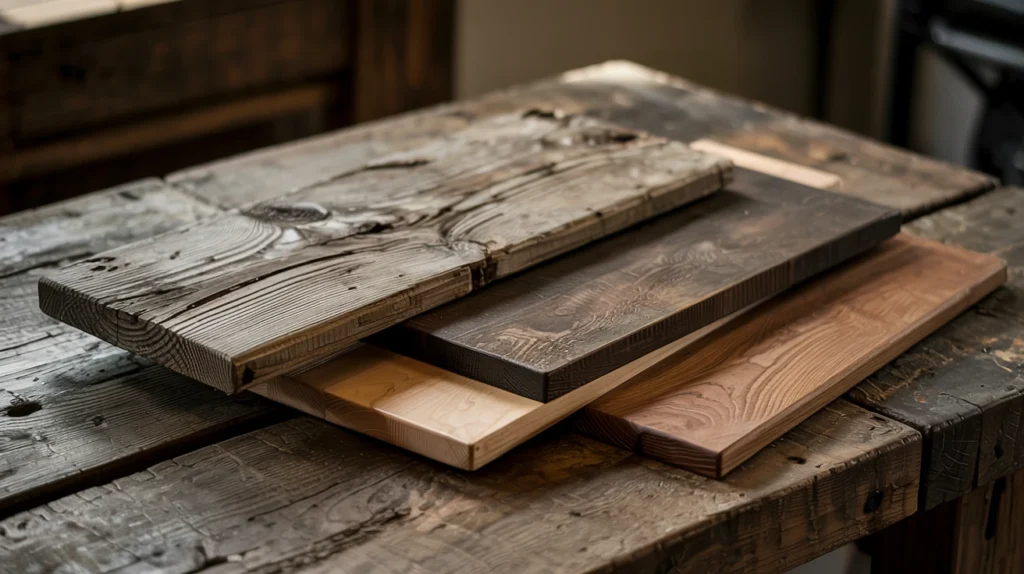
Original boards carry the most value for character. They also carry the most limits. You cannot treat them like new flooring. The right approach is gentle repair, careful cleaning, and a finish that suits the timber and the home.
Reclaimed Georgian pine boards
Reclaimed boards are salvaged from older buildings. They can match period width and surface well. They often come with patina and wear already present. That can help new repairs blend in. It also means you need careful selection so the repaired area does not look patchy.
New boards made to look old
Some new floors are sold with an aged finish. They can suit homes where the original floor is gone. They can also suit rooms with underfloor heating, where movement and stability matter more. The risk is the look can feel forced if the tone and grain do not match the house.
What to do before restoration starts
A good result comes from preparation, not from rushing into sanding.
Check moisture and ventilation first
Wood moves with moisture. If the home has damp issues, the floor will keep reacting. Fix the cause first. Look at subfloor ventilation. Check for leaks. Check for signs of mould or staining. If you skip this stage, finishes will fail and boards can warp again.
Decide what “good” looks like for your home
A Georgian floor should not look like a glossy showroom. Many owners prefer a softer finish that suits the age of the building. Decide whether you want a clean, lighter look or a deeper, warmer tone. That decision guides the finish choice.
Photograph and document the floor
Take clear photos. Record board sizes. Note any damaged zones. This is useful if you need to speak with a conservation officer or a flooring specialist later.
Wear, damage, and how to fix it
Old floors show issues that worry owners. Most can be handled without ripping everything out.
Gaps between boards
Small gaps are normal in timber floors. Seasonal change can open and close them. If gaps are large, look at humidity swings and subfloor airflow. A stable indoor environment helps. In some cases, a specialist can add discrete repairs, but heavy filling often fails over time.
Squeaks and bounce
Squeaks often come from movement between boards and joists. Bounce can come from loose boards or weak fixing. A flooring specialist can refix boards carefully from above. In some cases, the subfloor needs attention. The key is to avoid damaging the board face while stabilising the structure.
Cupping, warping, or raised edges
This often points to moisture imbalance. Do not sand a cupped floor first. Find the moisture source. Once the timber is stable again, the surface can be assessed. Sometimes the floor settles. Sometimes it needs careful flattening, but only after the cause is solved.
Rot and soft spots
If a board feels soft or crumbles at the edge, investigate. It may be local damp. It may be long-term moisture trapped under a modern seal. Replace only what is necessary, and match the board properly.
Wood-boring insects
Small holes and fine dust can signal insects. Do not guess. Get a proper inspection. Treatment depends on active or historic infestation. After treatment, repairs can be done with matched timber and careful blending.
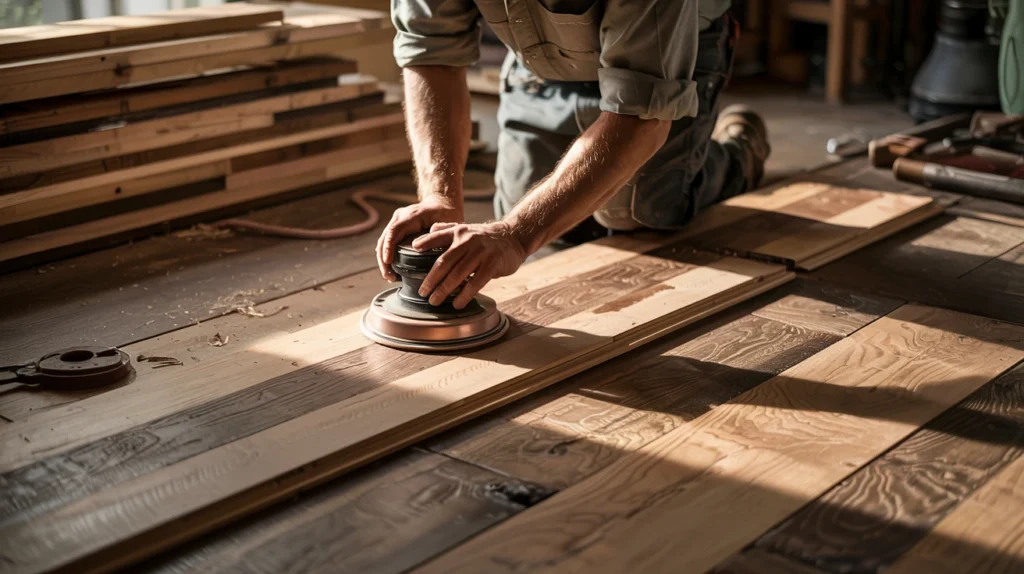
Sanding and refinishing without harming the floor
Sanding can make a floor look fresh. It can also remove decades of material in hours. Georgian boards are not an unlimited resource.
When sanding makes sense
Sanding can help when a floor has heavy surface damage, thick modern coatings, or uneven patches from later repairs. The goal should be minimal removal. A light sand is often enough.
When sanding should be avoided
If boards are already thin, over-sanding can lead to weakness and early failure. If the floor has an original face you want to keep, sanding can erase it. In those cases, cleaning and a suitable finish can give a better result than sanding.
Finish choices that suit period floors
Choose finishes that fit how the home behaves. Many period buildings “breathe.” A finish that traps moisture can create future damage. A flooring specialist can advise based on timber type, moisture levels, and use of the room.
Listed buildings and conservation care
If your home is listed or in a conservation area, the floor may be treated as part of the historic fabric. That changes how you plan work.
Repair first, replace last
Conservation work usually prefers repair over replacement. Patch repairs can be done with matching timber and similar dimensions. Keep records of what you change. If boards must be lifted, label and store them carefully.
Matching matters more than perfection
When replacement boards are needed, match width, thickness, and species as closely as possible. A perfect modern finish can look wrong in a Georgian setting. A slightly varied, well blended repair often looks more authentic.
When to speak with a conservation officer
If you are changing the floor in a significant way, seek advice early. This includes full replacement, major sanding in important rooms, or removing stone flags. Early guidance can save time and cost later.
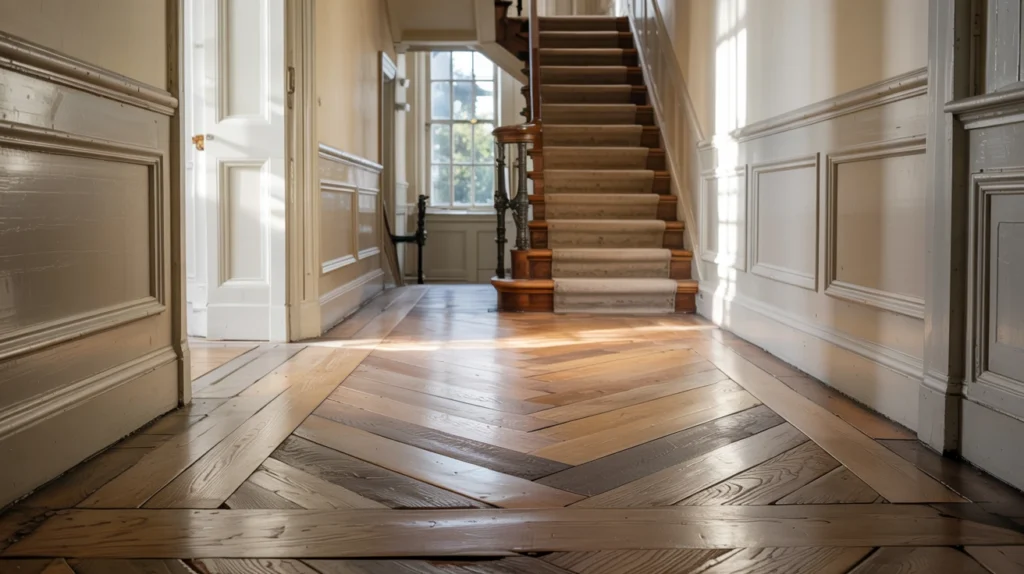
Flooring options that complement a Georgian home
Some homes keep original boards. Some need a new floor that still fits the period. These options cover both routes.
Keeping and restoring original floorboards
This is the best route when boards are stable and repairable. It supports the home’s character and can add value. The work should focus on structure, local repairs, careful surface prep, and an appropriate finish.
Using reclaimed boards for repairs or full rooms
Reclaimed boards can help you match the look in extensions or repaired sections. They can also work for a full room if original boards are missing. Choose boards that align in width and tone. Ask about thickness and stability.
Choosing engineered boards with a period look
Engineered boards can be more stable in rooms that face movement, such as kitchens or spaces with underfloor heating. The look can work if you choose a wide plank style and a tone that suits the house. Avoid finishes that look overly distressed or too glossy.
Floor coverings in Georgian rooms
Georgian rooms often used floor coverings, especially in main living spaces. This matters because it shapes how you style the room today.
Rugs, runners, and floor cloth style
Rugs can soften timber floors and protect high traffic paths. Runners suit stairs and halls. If you want a period feel, keep the floor visible around the edges and use coverings to add warmth rather than hide the entire surface.
Underfloor heating and Georgian floors
Underfloor heating can work, but it needs planning.
What to consider first
Old timber floors move with heat and moisture. Underfloor systems can dry timber and increase movement. If you want underfloor heating, discuss it with a specialist who understands period buildings. In many cases, engineered boards handle it better than original softwood boards.
Protecting the floor long term
If heating is installed, the goal is stable temperatures and controlled humidity. Sudden heat changes can lead to gaps and distortion. A slow, steady approach protects the timber.
Questions to ask a floor restorer
A good contractor will explain their approach in plain language. These questions help you find someone who respects period floors.
- How will you minimise sanding and protect board thickness
- How will you repair loose boards and reduce squeaks
- How will you handle moisture checks and ventilation
- Can you source matching boards for patch repairs
- Which finish do you recommend for this timber and this house
FAQs
Georgian floorboards for sale?
Check width, thickness, and timber type so it matches your room. Ask if the face is original or heavily sanded. Confirm how many square metres you will get.
Georgian floorboards cost?
Price depends on species, width, thickness, condition, and how rare the boards are. Reclaimed boards usually cost more. Labour and restoration work often add a lot.
Georgian flooring ideas?
Use wide planks with a natural tone. Keep the finish low sheen. Add rugs and runners to protect high traffic areas.
Georgian floor tiles?
They suit entrances, halls, and back areas. Choose classic tones and simple patterns. Avoid high gloss modern looks.
Edwardian flooring?
Edwardian floors often use narrower, more uniform boards. Some homes also feature more decorative wood layouts. Match what your house already has.
Original Georgian windows?
They affect drafts, humidity, and floor movement. More swings can mean more gaps and squeaks. Stable room conditions help timber floors last.
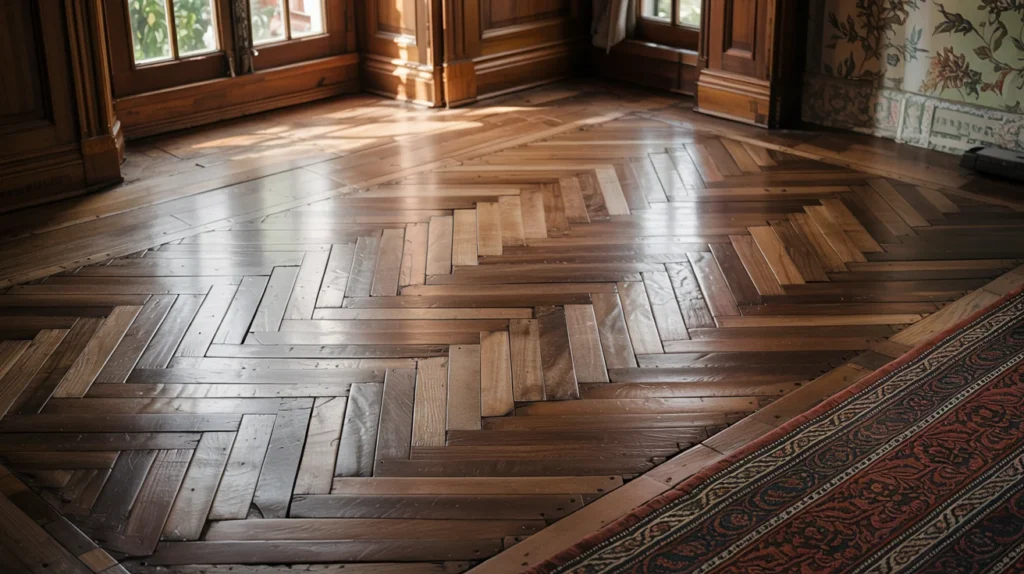
Parquet flooring?
Parquet is more common in later periods. It can suit some formal rooms, but wide boards usually fit Georgian homes better. If you use parquet, keep it subtle and period friendly.
Conclusion
Georgian floorboards are part of what makes a period home feel real. Start with identification and measurement. Check moisture and ventilation before you touch the surface. Repair first and replace only when necessary. Match any new boards carefully. Choose finishes that respect the timber and how the building behaves. With the right approach, your floor can look calm, authentic, and built for daily life.