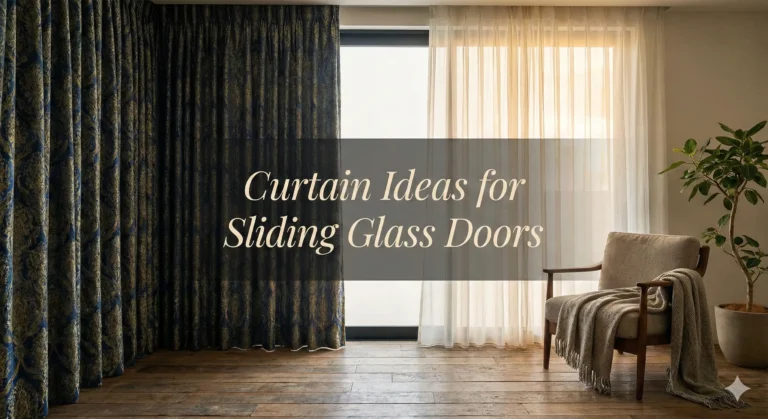

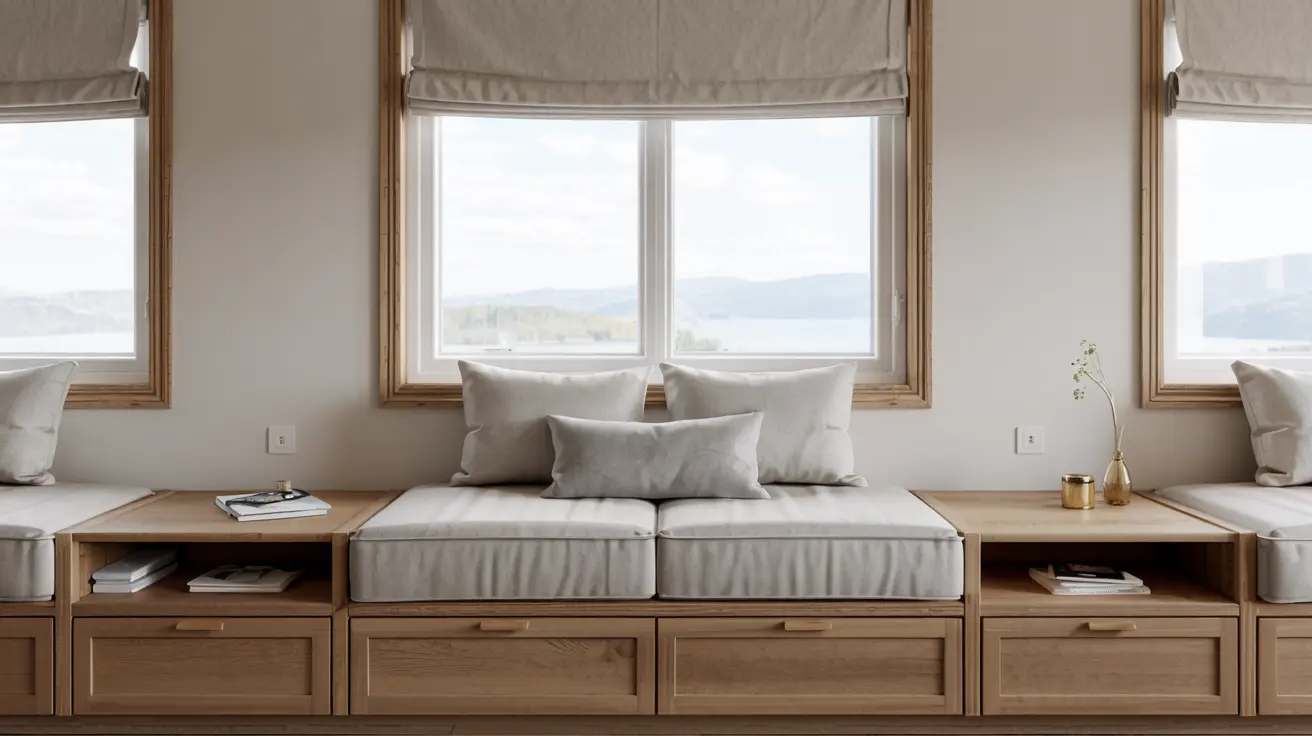
A window seat should look calm and feel comfortable. It should also handle daily use. Start with the right layout, then lock in comfort sizing. Finish with storage, fabric, and light control.
Window seat ideas by layout
Choose a layout that fits the window shape and the room traffic. Clean lines matter, but comfort matters more.
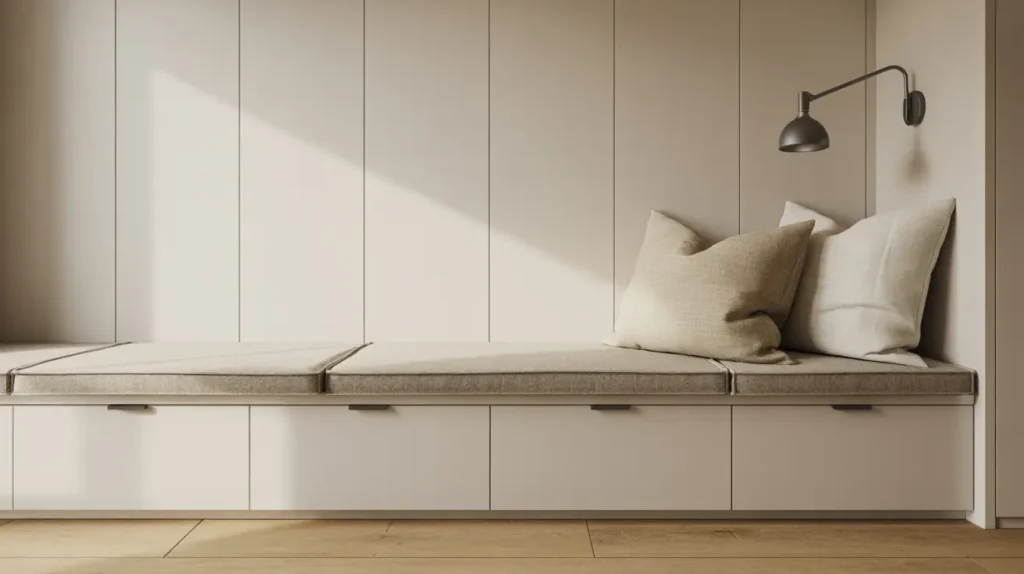
Wall to wall bench
A wall to wall bench looks built in because it fills the span. Keep the face flat and the trim simple. Match the bench height to nearby chairs.
Use one long cushion for a tidy look. Add two back pillows for support. Keep pillow colors close to the wall or sofa.
Bookshelves plus bench
This layout works when you need storage and display. Keep shelves straight and evenly spaced. Avoid heavy trim that adds visual weight.
Use closed cabinets on the bottom if clutter builds fast. Place a few objects on shelves, not a full collection. Leave open space so the unit feels lighter.
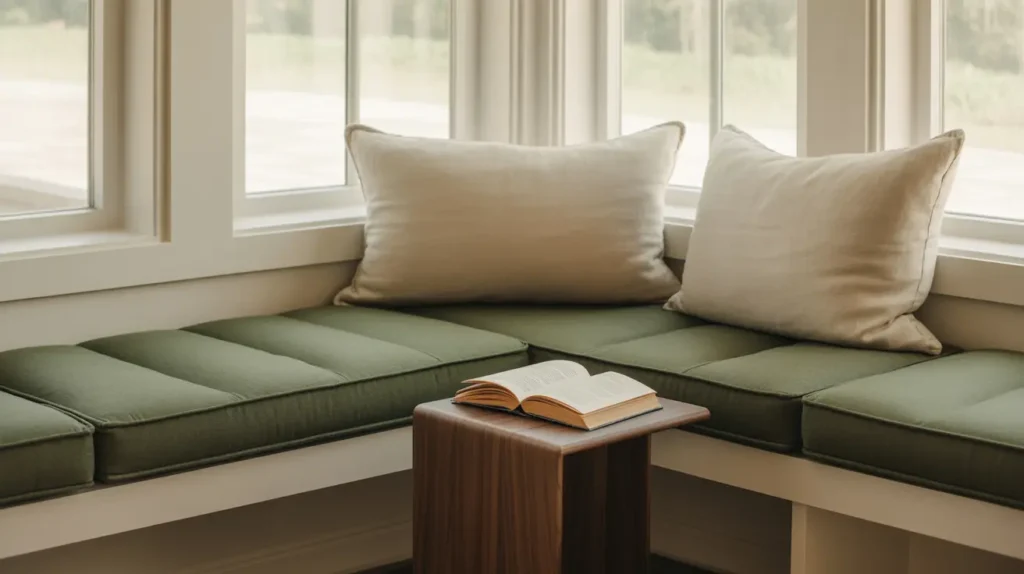
Corner window seat
A corner seat adds lounging without needing a deep wall section. Keep the corner seam tight and the shape squared. Use a simple cushion that fits edge to edge.
Add two large pillows for the back. Skip tiny pillows that end up on the floor. Keep one throw blanket nearby if you use it.
Bench between twin beds
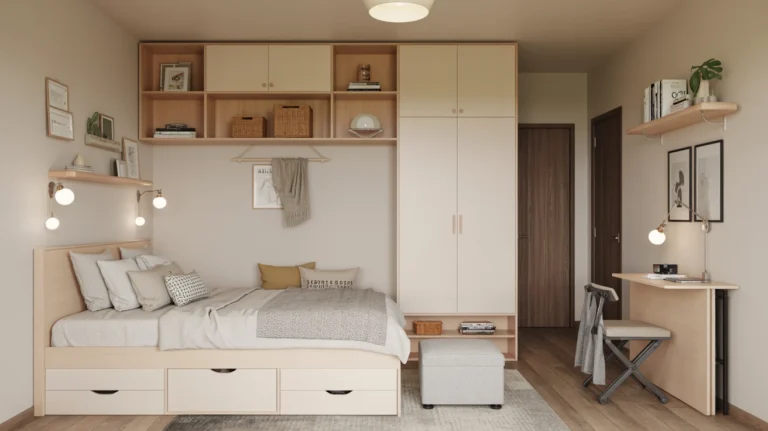
This works well in shared bedrooms. It gives kids a spot for books and clothes. Keep the bench low so it does not block sightlines.
Use a cushion that matches bedding tones. Add a small wall light for reading. Keep decor limited so the seat stays usable.
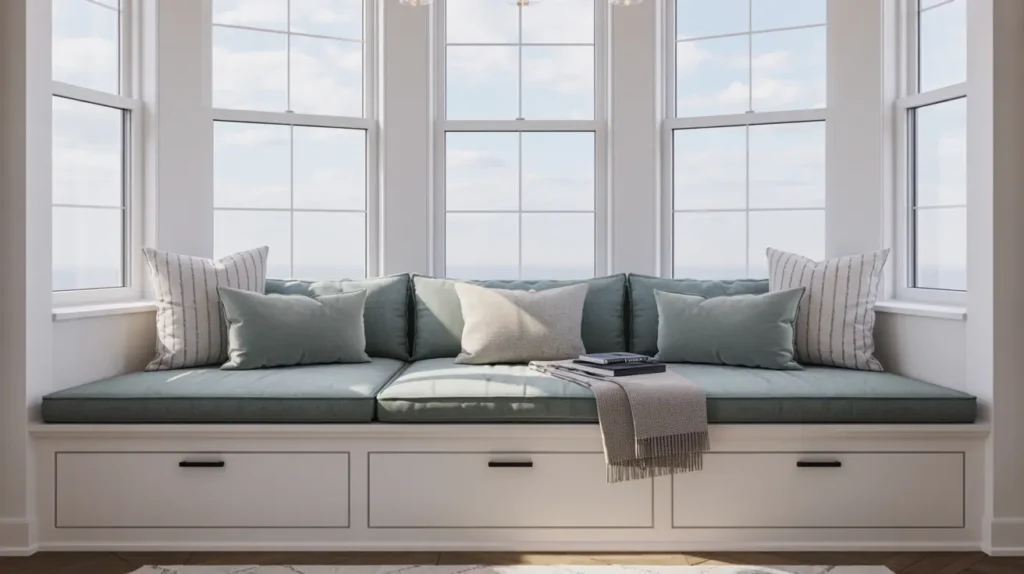
Bay window seat
Bay windows create a natural nook, but angles cause gaps. A straight front face keeps the look clean. Hide angled joints inside the box frame.
Make a cardboard template for the top. Test the template twice before cutting wood. Cut slowly and check fit at every edge.
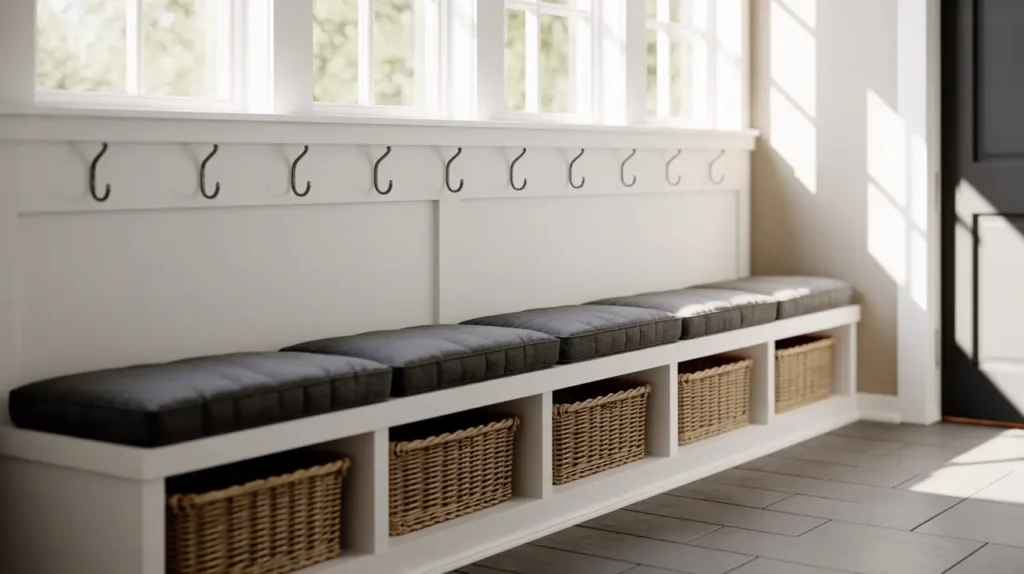
Mudroom window bench
Mudroom seats take abuse, so choose durable finishes. Use wipeable paint and sturdy hardware. Plan storage for daily items, not seasonal clutter.
Drawers work well for gloves and hats. Hooks above help with bags and jackets. Keep hook spacing even for a tidy wall.
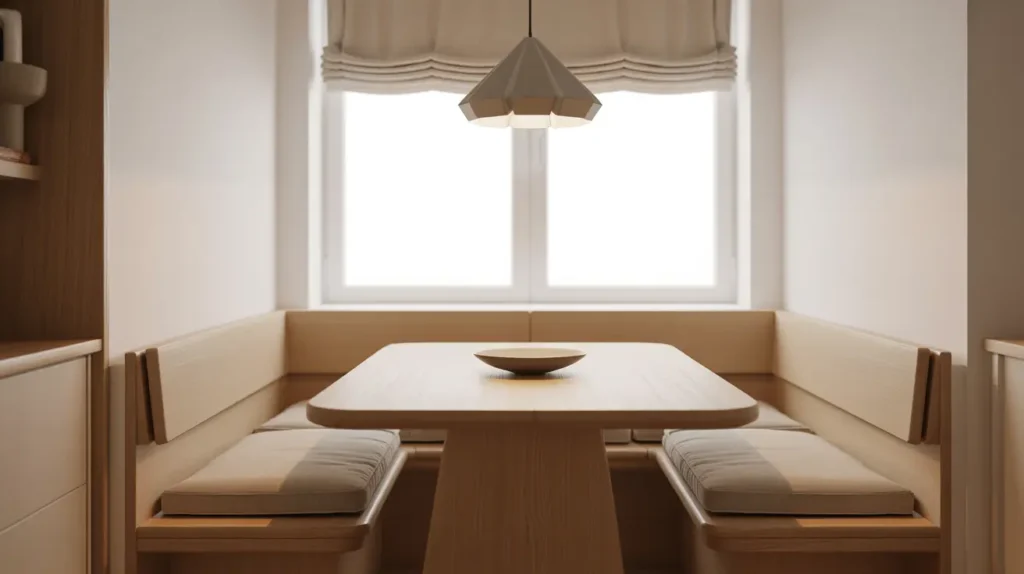
Kitchen banquette by the window
A banquette can add seating in small kitchens. It also makes a cozy breakfast spot. Plan entry and exit so people do not get trapped.
Use removable cushion covers for easy cleaning. Keep the bench back slim or skip it. Add a small table that leaves knee room.
Faux window seat with a bench
This option saves time and avoids construction. Pick a bench with a solid frame. Push it tight to the wall for a built in feel.
Use a cushion that fits the full width. Add one shade or one pair of panels. Keep styling simple so the seat stays functional.
Built in or freestanding bench
Both can look modern, but they solve different problems. Built ins help storage and symmetry. Benches help flexibility and speed.
Quick decision rules
Ask these questions before you start.
- Do you need hidden storage every week?
- Do you want a seamless wall look?
- Will you keep this layout for years?
Two yes answers point to a built in. Two no answers point to a bench.
Why built ins look bulky
Built ins look heavy when the base feels tall. They also look heavy with busy trim. Keep details flat and aligned.
Use fewer seams on the front panels. Choose simple pulls or push latches. Paint the unit close to the wall color.
Why benches look temporary
A bench looks random when it floats away from the wall. It also looks unfinished without soft layers. Fix the placement first.
Move the bench tight to the wall. Add a fitted cushion. Add a shade or panels to frame the window.
Dimensions that feel comfortable
Comfort decides if people will use the seat. Height and depth matter most. Cushion support makes the comfort last.
Seat height
Aim for about 18 inches to the finished seat surface. Count the cushion in that number. This matches most chair heights.
If kids use it most, go slightly lower. If older adults use it often, stay near chair height. Avoid very low seats.
Seat depth for sitting
For upright sitting, start around 16 to 20 inches deep. This supports legs without forcing a slouch. It also saves floor space.
If you use thick back pillows, reduce depth a little. Pillows take up sitting space. Test with a box before you build.
Seat depth for lounging
For lounging, go deeper than a chair. Aim around 22 to 30 inches deep. Deeper seats support tucked legs and relaxed posture.
If the room is small, use a footstool instead. You get lounge comfort without extra depth. Keep walkways clear.
Cushion thickness and support
A thin cushion feels hard over time. A soft cushion sags and loses shape. Choose foam that feels firm at first touch.
Add a non slip layer under the cushion. This stops sliding on smooth wood. Use a removable cover for easier cleaning.
Back support
Most window seats rely on pillows for back support. Two large pillows often work best. They also let you change the look fast.
If you add a fixed backrest, keep it low. A tall back blocks light and views. Keep edges simple for a clean finish.
Storage that stays tidy
Storage should match your habits. Good storage feels easy to use. Bad storage turns into clutter.
Drawers
Drawers handle mixed daily items well. They keep things sorted and hidden. They also open easily in tight spaces.
Use shallow drawers for small items. Use deep drawers for blankets and games. Keep drawer fronts flat and simple.
Lift top storage
Lift tops hide bulky items fast. They work best for seasonal blankets and pillows. They need safe hardware for daily use.
Use lid stays or soft close hinges. Avoid heavy lids without support. Keep fingers safe around hinge points.
Open cubbies
Cubbies work only with a strict system. Without a system, they look messy. Use baskets to reduce visual noise.
Pick matching baskets in the same size. Store only a few item types. Remove anything that does not belong there.
Signs your storage plan is failing
These issues show up early.
- Items pile on top of the seat
- You avoid opening the storage
- You see clutter from across the room
Switch to drawers or baskets with clear categories. Reduce what you store there. Keep the seat top clear.
Materials and finishes that look clean
Modern style looks best with fewer finishes. Keep colors consistent. Choose one main finish and one accent.
Painted built ins
Painted units look calmer when they match the wall tone. This helps them blend into the room. Use a durable finish that wipes clean.
Keep sheen low to medium. High gloss shows fingerprints and flaws. Keep trim minimal for a cleaner outline.
Wood tops
A wood top adds warmth without adding clutter. It also breaks up a large painted block. Keep the edge profile simple.
Match the wood tone to floors or nearby furniture. Avoid mixing many wood tones in one corner. One warm tone looks more planned.
Plywood or stone look tops
Plywood edges can look simple and modern. Stone look tops add durability for mugs and plants. Use these when you want a harder surface.
Keep the rest of the design plain. Let the top lead the look. Avoid ornate trim with a bold top.
Upholstery and fabric choices
Choose fabric that matches your home reality. Kids and pets need tougher fabric. Performance fabric resists stains and wear.
Use texture instead of busy patterns. Solid colors look cleaner over time. Add piping only if you want a tailored edge.
Window treatments that finish the seat
Light control affects comfort. Privacy matters in street facing rooms. The right treatment makes the nook feel complete.
Roman shades
Roman shades look neat and simple. They work well in small rooms. They also keep the area uncluttered.
Choose light filtering for most rooms. Choose blackout for sleep spaces. Measure carefully so the shade hangs straight.
Curtains and panels
Panels add softness and height. They work well in living rooms and bedrooms. Keep fabric simple and lightly textured.
Use a simple rod and simple rings. Hang panels higher to make the window feel taller. Keep hems clean and even.
Layering without clutter
Layering can work when it stays light. Pair one shade with simple panels. Keep colors in the same family.
Avoid heavy layers in tiny rooms. They make the wall feel busy. They can also block natural light.
Pillow plan that stays usable
Too many pillows stop people from sitting. Keep it simple and supportive. Use pillows that people can move easily.
Start with two back pillows. Add one smaller pillow if you want. Skip tiny pillows that slide and fall.
Common problems and quick fixes
Most window seat problems come from comfort and light. Some come from drafts and moisture. Solve the problem before you add decor.
Seat height feels wrong, so adjust the platform or cushion thickness. Depth feels wrong, so test with a box and a pillow stack. Cushions slide, so add a grippy pad or ties. Glare hurts eyes, so add a light filtering shade. The area feels cold, so seal trim gaps and use a shade at night.
FAQs
What windows work for a window seat?
Bay windows work well because they create a nook. Picture windows also work with enough wall space below. Many windows can work with a bench.
How do you style a window seat?
Start with a fitted cushion. Add two back pillows for comfort. Add one shade or simple panels to frame the window.
What is the best height for a window seat?
Most people prefer about 18 inches finished height. Include the cushion in that number. Adjust slightly for kids or older adults.
How deep should a window seat be?
For sitting, aim around 16 to 20 inches deep. For lounging, aim around 22 to 30 inches deep. Use a footstool if space is tight.
Which looks more modern, a built in or a bench?
Built ins look modern when they sit flush and simple. Benches look modern when they fit the space and feel planned. Choose based on storage and permanence.
What is the best storage under a window seat?
Drawers work best for daily use. Lift tops work best for bulky items. Cubbies work best only with matching baskets and strict categories.
Conclusion
Pick a layout that fits the window and room flow.
Set height and depth for comfort before you build.
Choose storage you will use every week.
Control glare and privacy with the right treatment.
A seat people use always looks better.