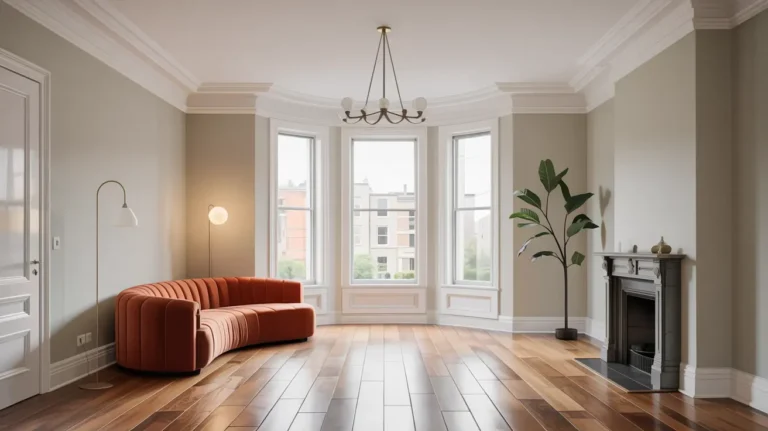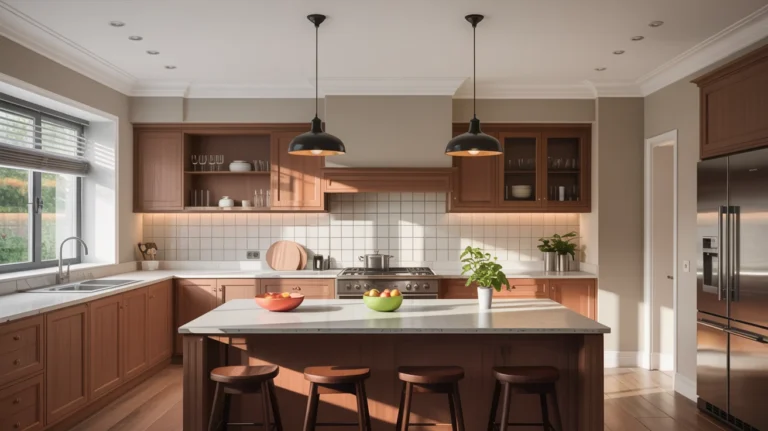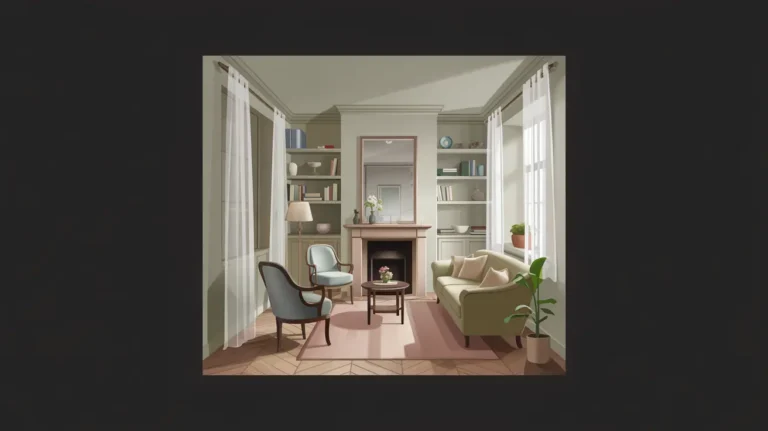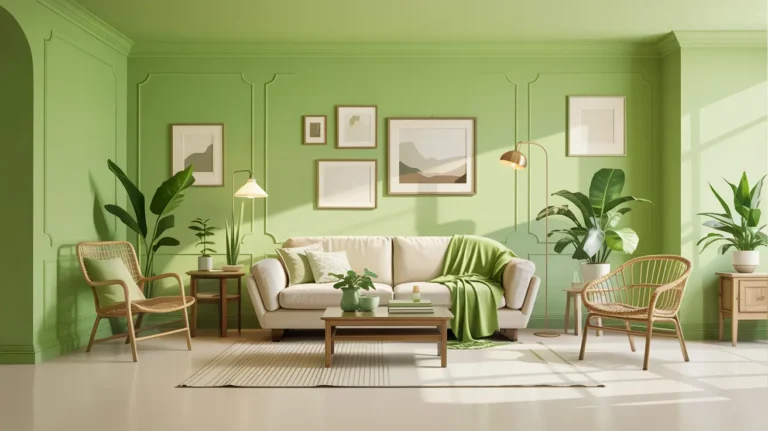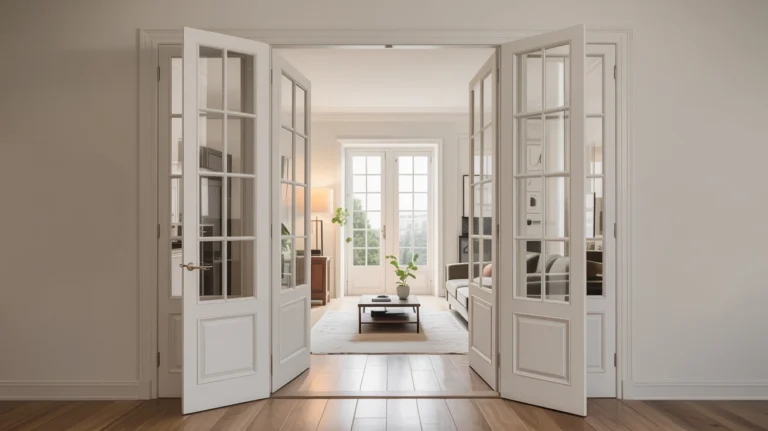

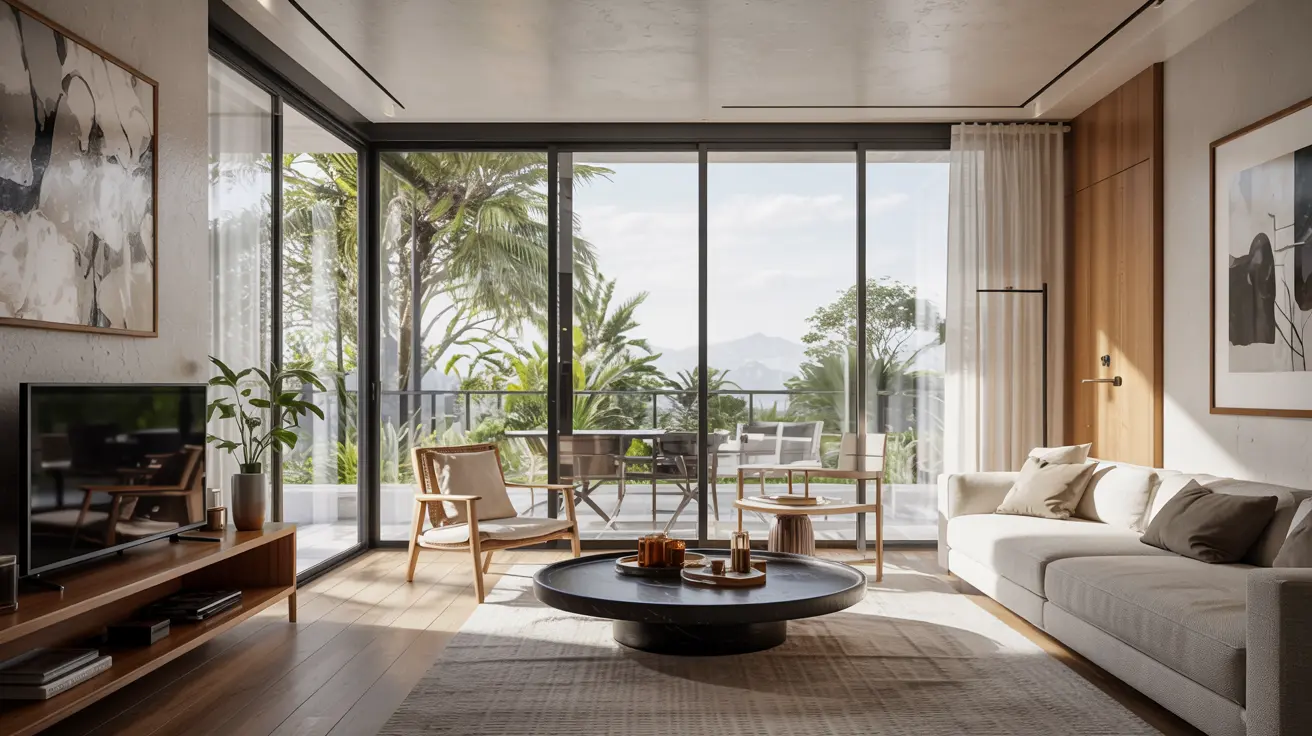
A good window design does more than look nice. It controls light, airflow, privacy, and comfort. It also affects noise, cleaning effort, and energy use. This guide shares 20 practical ideas. Each one explains where it fits best and what to watch.
How to choose the right window design before you pick a style
Great window choices start with function. Style comes second. Think about how the room feels today. Then pick a window that fixes the problem, not one that only looks good.
Start with the room’s main need
Every room has a priority. Living rooms need light and views. Bedrooms need privacy and sleep control. Kitchens need ventilation and easy cleaning. Bathrooms need airflow with privacy. Write the top two needs for each room.
Choose the opening style that matches your space
Some windows swing inward or outward. Others slide. If furniture sits near the wall, sliding can help. If you want strong airflow, casement often works well. If you get rain often, awning can vent while staying protected.
Pick a frame material that fits your climate and routine
Frames affect upkeep and long term stability. uPVC suits low maintenance homes. Aluminium feels modern and stays slim. Wood adds warmth but needs more care in harsh weather. Match material to your time and climate.
Decide on glass based on comfort, not trends
Glass choice can change daily comfort. Double glazing can reduce heat loss and noise. Low E glass can cut glare and heat gain. Triple glazing can suit colder zones and loud streets. Pick glass based on your real problem.
Plan privacy and light together
Many people pick either privacy or light. You can get both with smart placement and treatments. Use frosted glass where needed. Add sheer curtains for daytime softness. Use blackout blinds for bedrooms. Think in layers.
Measure correctly and respect practical clearances
Most regrets come from size mistakes. Leave enough wall space for curtains and rods. Keep swing clearance for casement windows. Maintain safe heights in kid spaces. If you plan a window seat, measure depth early.
Top 20 window design ideas that work in real homes
1) Slim frame sliding window for small rooms
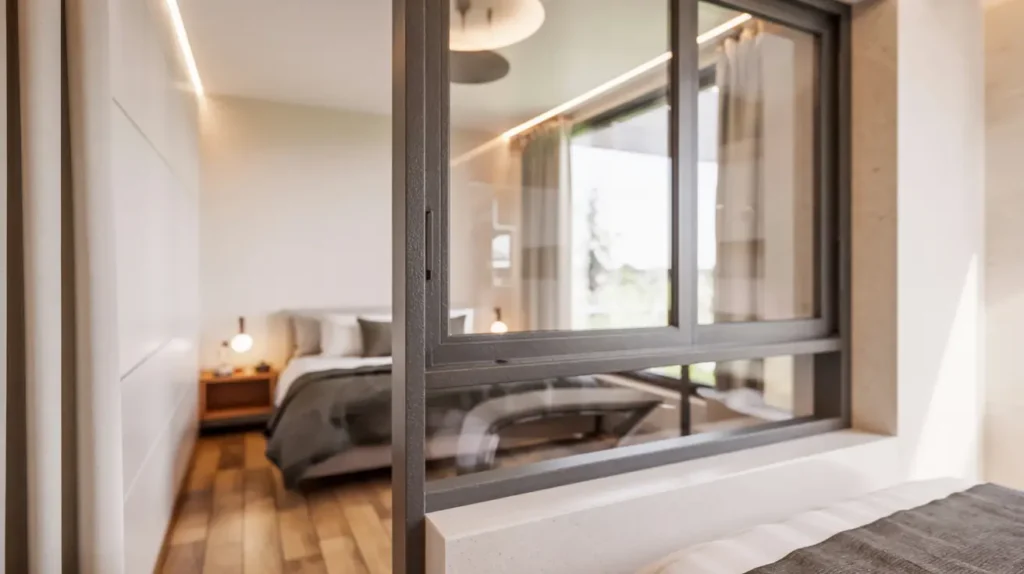
Sliding windows save space because they do not swing. They suit apartments and tight layouts. Use them in kitchens, bedrooms, and balconies. Choose quality tracks for smooth movement and easy cleaning.
2) Casement window for strong airflow
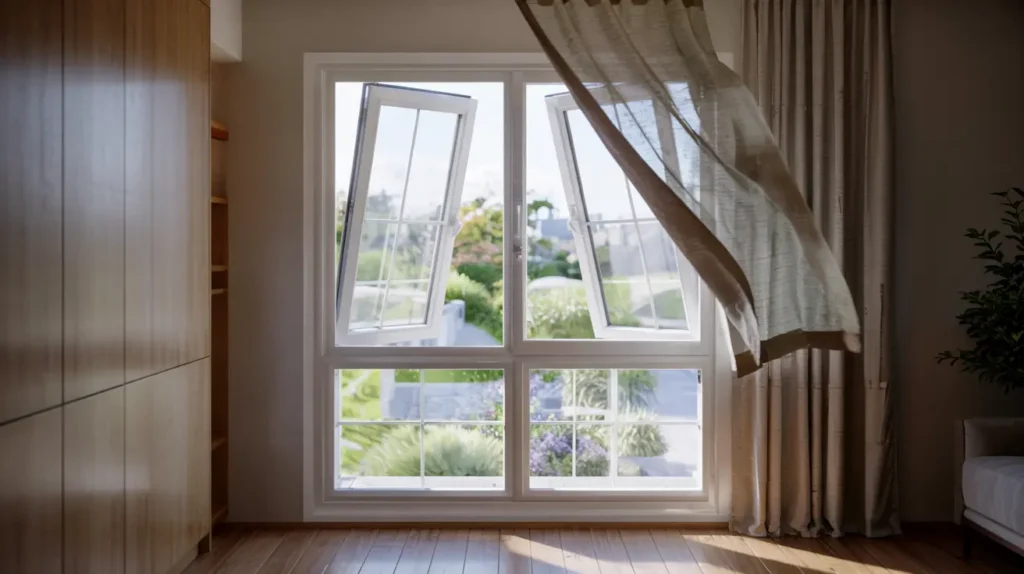
Casement windows pull in breeze well. They work great in living rooms and home offices. They also seal tight when closed. Keep furniture clear of the swing area. Add insect screens if you open them often.
3) Awning window for rainy climates and bathrooms
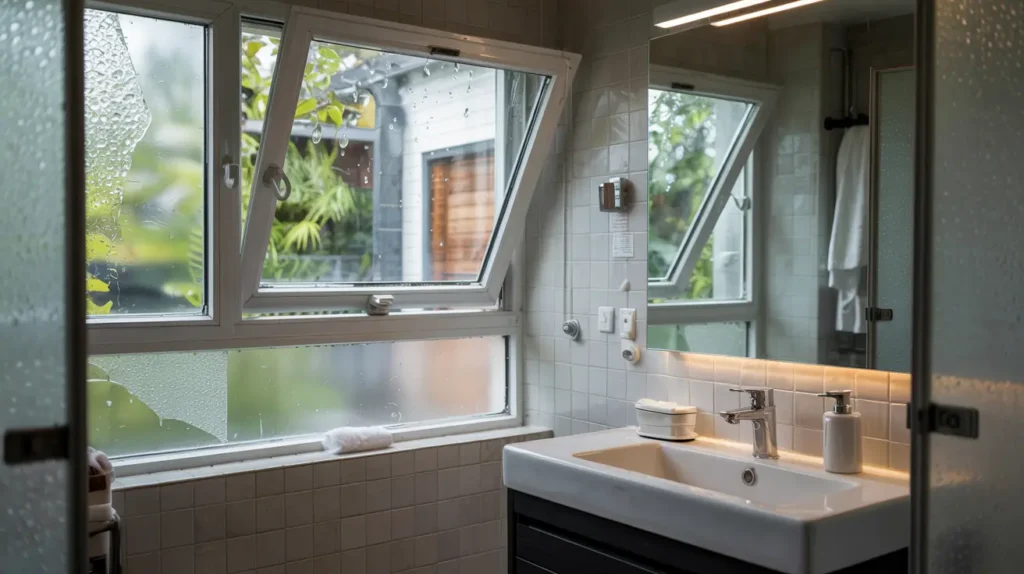
Awning windows open from the bottom and tilt out. They vent even during light rain. They suit bathrooms, kitchens, and laundry areas. Pair them with frosted glass for privacy. Clean hinges and seals twice a year.
4) Picture window for a clean, wide view
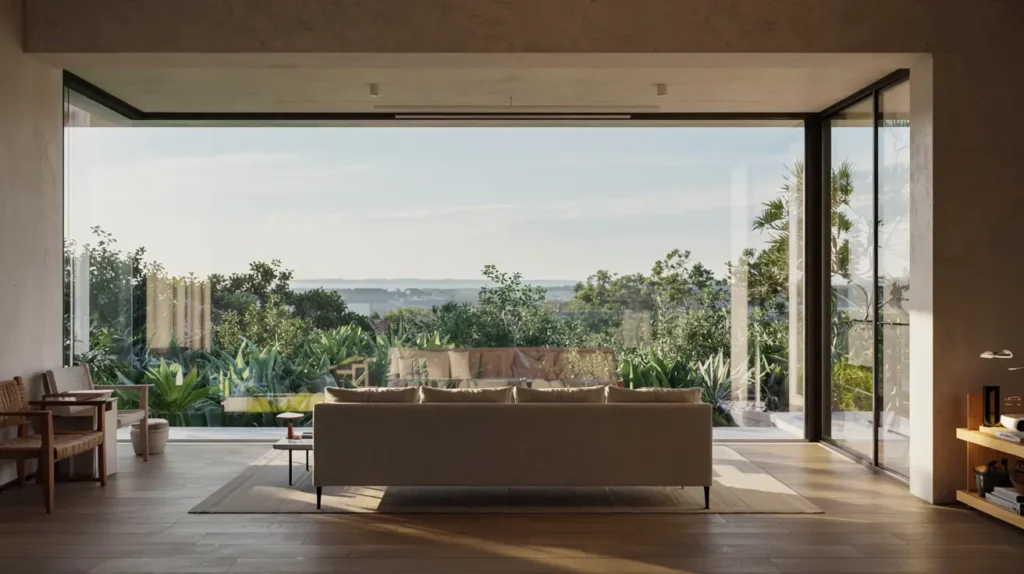
Picture windows do not open. They frame views and bring strong daylight. Use them in living rooms and dining areas. Pair with operable side windows for ventilation. Choose low E glass if the window faces harsh sun.
5) Bay window with a built in window seat
A bay window adds depth and character. It also creates a perfect reading nook. Use it in living rooms and master bedrooms. Plan cushion depth and storage early. Use light sheers to keep the area airy.
6) Bow window for a softer, curved front
Bow windows use more panels than a bay. The curve feels elegant and bright. They suit front facing living rooms. They need strong structural support. Keep curtains simple so the shape stays visible.
7) Floor to ceiling window for bright modern interiors
Tall glazing makes rooms feel larger. It works best in living rooms with a view. It can also suit dining spaces. Add sheer curtains to soften glare. Add blackout options if the room needs screen comfort.
8) Corner window for panoramic light
Corner windows open up two directions of light. They suit modern homes and open plans. Use them near dining corners or lounges. Plan the structure with a professional. Use layered treatments for privacy at night.
9) Clerestory windows for privacy with daylight
Clerestory windows sit high on the wall. They bring light without direct sightlines. They suit bathrooms, stairwells, and hallways. They also work behind bed headboards. Add operable panels if you want airflow.
10) Garden window for herbs and kitchen charm
Garden windows extend out like a small box. They suit kitchens, especially above sinks. They hold small plants and bring light. Check waterproofing and seals. Use easy wipe glass to reduce cleaning time.
11) Double hung window for classic style and easy cleaning
Double hung windows open from top or bottom. They suit bedrooms and older style homes. Many designs tilt in for cleaning. They also help with safe ventilation. Choose strong locks for security.
12) Fixed plus casement combo for view and ventilation
This combo puts a fixed window in the center. It adds casements on the sides. You get a wide view and real airflow. It suits living rooms and offices. Match frame widths so it looks balanced.
13) Black frame windows for sharp contrast
Black frames look bold and modern. They suit white walls and natural wood tones. They also work in industrial interiors. Use slim profiles to avoid heavy lines. Balance with warm textures so the room stays inviting.
14) Wood frame windows for warmth and timeless feel
Wood frames add softness and character. They suit traditional and rustic interiors. They also pair well with earthy palettes. Seal and maintain them to avoid swelling. Use good glazing to improve comfort.
15) Aluminium frame windows for a modern slim look
Aluminium frames allow narrow sightlines. They suit contemporary homes and large glass spans. They often feel clean and minimal. Pick thermal break options when possible. Match finish to your hardware for a neat look.
16) uPVC windows for low maintenance families
uPVC windows suit busy homes. They resist moisture and need little care. They suit bedrooms, kitchens, and rental units. Choose quality profiles for better stability. Clean seals to avoid dust buildup.
17) Frosted glass window for bathrooms and street facing rooms
Frosted glass keeps privacy while letting light in. It suits bathrooms and stair landings. It also works near sidewalks. Pair with awning or top opening for ventilation. Avoid heavy curtains in these spaces.
18) Layered window treatments for flexible privacy
Treatments change how windows feel. Use sheers for daytime softness. Add thicker curtains for evening privacy. Use blackout blinds for sleep rooms. Keep colors calm so the window stays the focus.
19) Built in storage around windows for small homes
Window walls can hold shelves and cabinets. This works well in bedrooms and studies. It creates a custom look and saves space. Leave room for airflow and curtains. Use moisture safe materials near kitchen windows.
20) Match window style to architecture for a cohesive look
A window should fit the home’s lines. Modern homes suit large panes and slim frames. Traditional homes suit grids and classic proportions. Matching style improves curb appeal. It also makes interiors feel more intentional.
Common window design problems and practical fixes
Too much heat and glare
South or west facing windows can overheat rooms. Use low E glass or double glazing. Add sheers to diffuse light. Add blinds for direct sun control. Place plants to soften harsh angles.
Not enough privacy
Street facing rooms need smart privacy choices. Use frosted glass in key zones. Add top down blinds for light with privacy. Use higher window placement in bathrooms. Layer sheers and curtains for day and night.
Outside noise feels too loud
Traffic noise can ruin sleep and focus. Use double glazing or better seals. Choose windows that close tight, like casement. Add thick curtains to reduce echo. Seal gaps around frames during installation.
Condensation on glass
Condensation can signal humidity and poor airflow. Use exhaust fans in bathrooms and kitchens. Vent rooms daily for a few minutes. Consider better glazing in cold zones. Check seals if water forms between panes.
Windows feel hard to clean
Cleaning should match your lifestyle. Choose tilt in designs when possible. Avoid complex grids if dust bothers you. Use sliding windows with easy tracks. Keep a safe step stool plan for tall windows.
Drafts and leaks
Drafts often come from poor installation. Choose quality hardware and seals. Check alignment and locking points. Replace worn weather stripping. Fix leaks early to protect walls and paint.
Quick comparison table to help you decide faster
| Window idea or type | Best for | Best rooms | Main watch out |
| Sliding | Space saving | Kitchen, bedroom | Track dust |
| Casement | Strong airflow | Living, office | Swing clearance |
| Awning | Rain safe venting | Bathroom, kitchen | Hinge upkeep |
| Picture or fixed | Big view | Living, dining | Needs another vent |
| Bay or bow | Character and seating | Living, bedroom | Structure planning |
| Clerestory | Privacy daylight | Bath, hall, stairs | Harder cleaning |
FAQs about window design ideas
What window type gives the best airflow?
Casement windows often pull in breeze well. Awning windows also vent while staying protected.
Which window design works best for small bedrooms?
Sliding windows save space near beds and dressers. Add layered treatments for privacy.
Are floor to ceiling windows a good idea for hot climates?
They can work with the right glass. Use low E and good shading to control heat.
What is the easiest window style to clean in apartments?
Tilt in double hung styles can be easier. Simple sliding designs also clean fast.
How do I get privacy without losing natural light?
Use frosted glass in key areas. Add sheers or top down blinds for flexible coverage.
Should I choose uPVC, aluminium, or wood frames?
Pick uPVC for low care. Pick aluminium for slim modern lines. Pick wood for warmth, with upkeep.
Final thoughts
The best window design solves a real problem in your home. Start with light, airflow, privacy, and comfort. Then choose the style that fits your room and routine.