
What A Victorian Farmhouse Interior Really Is
Picture a country house with tall ceilings, creaking stair treads and sunlight on old floorboards. That is the heart of a Victorian farmhouse interior, where practical rooms share space with carved woodwork and deep trim. The house has history, but it still needs to hold muddy boots, school bags and grocery crates without feeling precious.
How This Style Sits Between Townhouses And Simple Farms
City houses from the same era often show heavy colour, rich fabrics and formal front parlours. Plain farm dwellings can swing the other way and feel bare, with little trim and very few frills. A Victorian farmhouse sits between these two moods, with strong skirting boards, tall windows and maybe a bit of porch gingerbread, but also with straightforward rooms that put family life first.
Reading The Bones Before You Pick Paint
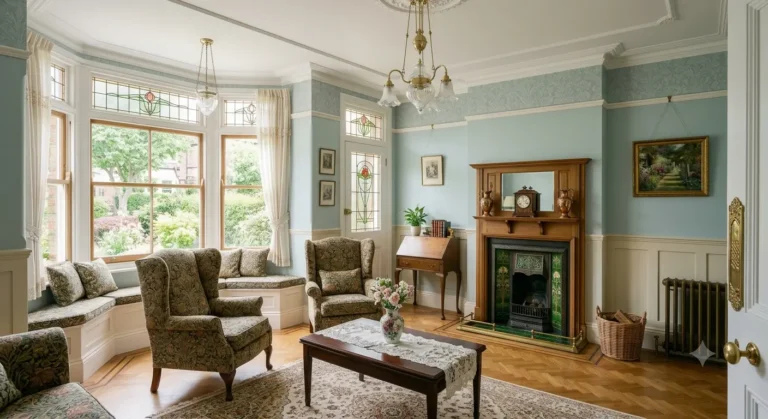
Before changing colours or buying a single rug, it helps to see what the building already tells you. Walk from room to room and note the height of each window, the shape of the staircase, the weight of the doors and any pockets of beadboard or old plaster. Many farmhouses still hide pine or fir planks under later coverings, and sometimes there are pocket doors or ceiling medallions covered by paint. Those details are your main guides, so protect them wherever you can.
Floors, Trim And Doors That Carry The Story
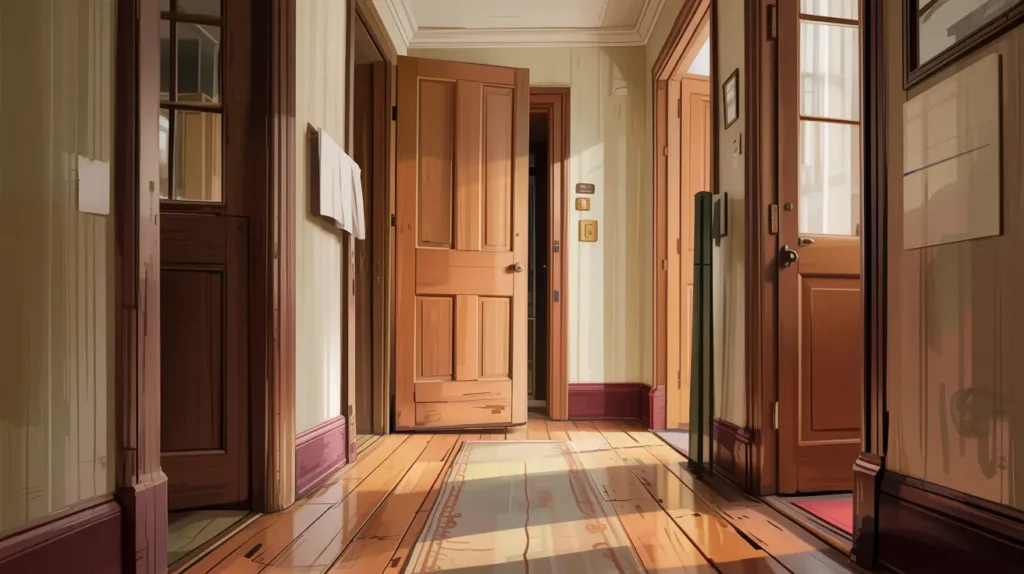
Old timber boards carry marks from every chair scrape and muddy footprint, and that patina gives the whole house its calm strength. Sanded and sealed pine, fir or oak can take daily wear and still look honest after years of use. In halls, baths and laundry spaces, small hex tiles or simple brick patterns suit the age of the house and wash down easily. Deep baseboards, well shaped frames around doors and solid panel doors link one room to the next and deserve careful repair instead of replacement.
Colour And Light That Suit A House In Open Country
Many farmhouses sit on a rise or beside open land, so rooms see strong light one hour and grey clouds the next. Off white walls, warm cream and soft stone shades forgive dust and toy marks while keeping spaces clear and bright. Gentle greens, clay tones and soft blues on doors, dressers or one accent wall echo hedges, soil and wide skies. Pale trim around tall windows lets daylight bounce across wood floors and simple mirrors, so you rarely need harsh overhead glare.
A Kitchen Built For Real Cooking, Not Just Pictures
In this type of house the kitchen is the engine room, so design choices need to stand up to daily pans, jars and plates. Painted timber cabinets, plain worktops, open shelves and a deep sink all pull their weight. Simple tile behind the stove cleans well and suits both modern ranges and older cookers. A worn table or island, a freestanding hutch and stacks of crockery in view make the space generous and ready for use, not staged for a photograph.
Dining Rooms And Sitting Rooms With Room To Breathe
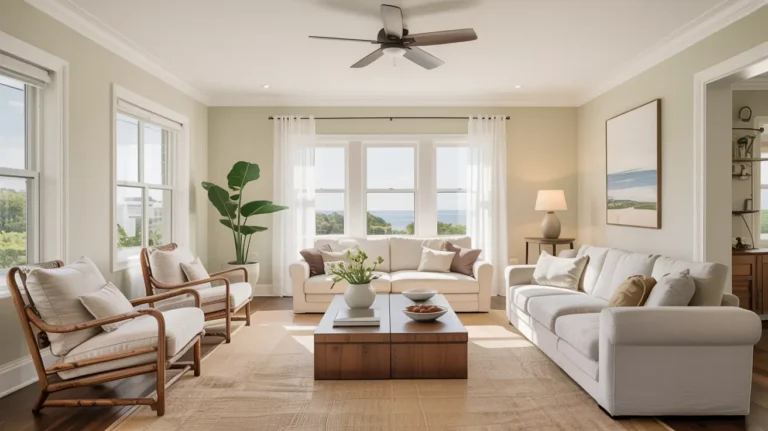
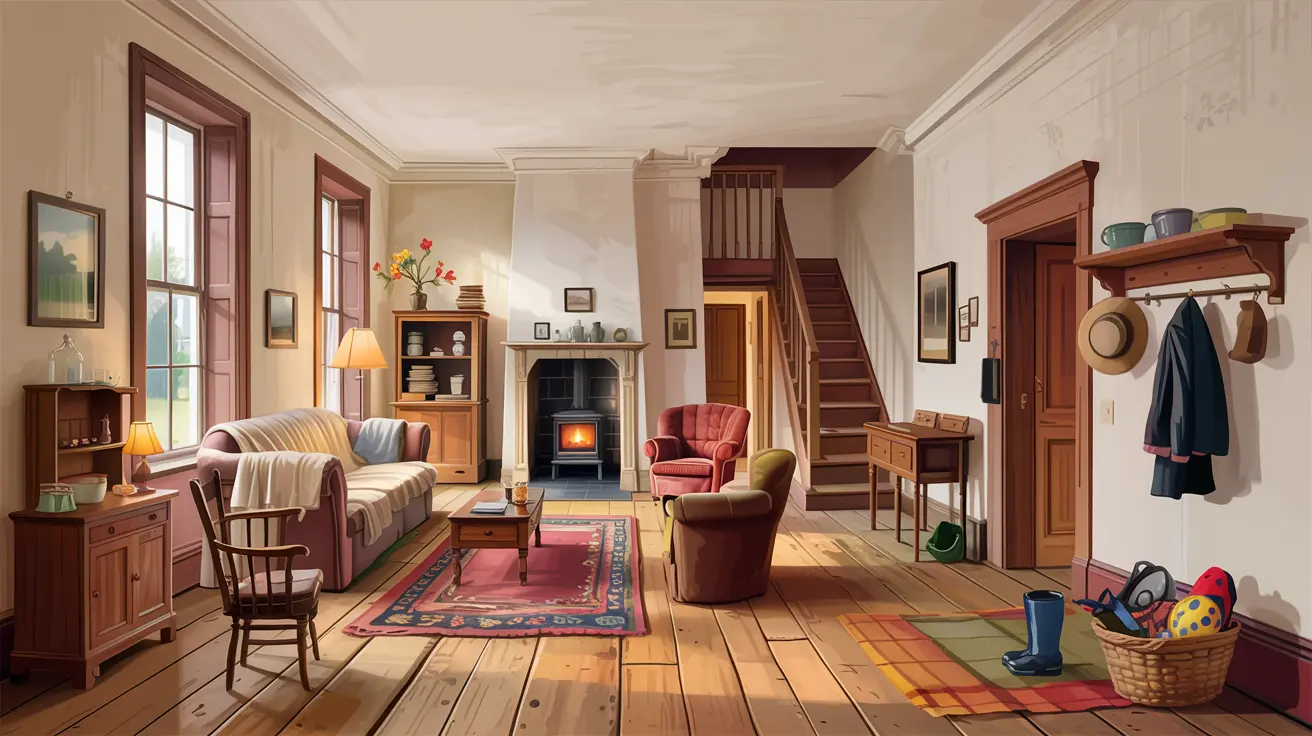
Older layouts often kept a formal front parlour and a more relaxed family room closer to the stove. You can keep some of that rhythm while making space for today. A dining room near the kitchen suits a solid wood table, a mix of chairs and a low pendant over the centre. A wool or cotton rug reduces noise and stops chairs scraping raw boards. In the main sitting room a slipcovered sofa, a wood stove or fireplace and one strong old cabinet or hutch can carry most of the visual weight.
Entryways And Staircases That Welcome Everyday Life
The first few steps inside set the mood for the whole farmhouse, so the entry and stairs deserve steady attention. Bare timber treads, painted risers and a simple runner give the staircase shape without turning it grand. Hooks, a peg rail or a homemade bench collect coats and bags while still showing off plaster or beadboard walls. In a long hall, a narrow table, a vintage mirror and a slim rug help the eye move towards the light at the end, instead of getting stuck at the front door.
Bedrooms That Feel Settled And Restful
Upstairs, bedrooms in a Victorian farmhouse do not need layers of frill to feel special. A metal or wooden bedstead, plain cotton or linen sheets, a stitched quilt and a wool rug make a calm base. Painted chests, small bedside tables and shaded lamps keep the room useful without crowding every wall. A few family photographs or framed sketches say more about the story of the house than a grid of generic prints.
Bathrooms With Character And Straightforward Care
Baths and showers deal with steam, splashes and busy mornings, so materials must earn their keep. Small hex tiles or simple square tiles on the floor, paired with white or pale walls, give a quiet backdrop that suits old doors and windows. A freestanding tub or a straight lined built in version both work, as long as fittings stay simple and solid. A pedestal basin or a plain vanity with a framed mirror, wall lights at face height and a soft shower curtain keep cleaning easy and the look steady.
Mudrooms, Laundry Corners And Back Doors
Country houses collect mud, dog hair, tools and sports kit, so it is wise to give that mess its own home. A small mudroom with tile or brick underfoot, strong hooks, baskets and a deep sink handles daily boots and coats. Laundry spaces can repeat hex or brick tiles, plain shelves and a wood counter, which ties them back to the kitchen and hall. Even a narrow back entry can hold peg rails, a tray for boots and a narrow bench while still respecting original walls and window frames.
Letting New Pieces Live With Old Ones
Most families need more seating and storage than a nineteenth century plan allowed, so modern furniture has to join the house. A simple contemporary sofa feels at home draped with a quilt and facing an antique chest or wood stove. Basic bookcases can flank a fireplace while leaving original trim clear. New light fittings look better when they stay modest in size, use warm metal and hang at a height that suits human scale rather than shouting from the ceiling.
Small Steps When You Cannot Renovate Everything At Once
Few owners can tackle every room at the same time, so it helps to work in layers. First, choose a handful of paint colours that suit the light in your rooms and use them across halls, landings and main spaces. At the same time, refinish one level of floors, even if the rest waits for another season. Next, swap thin curtains for lined linen, bring in a couple of wool rugs and hunt for one strong vintage table, cabinet or chest for each floor. Bigger projects, like a new bath layout or full kitchen rework, can follow later when money and time allow.
Habits That Quietly Erase The House’s Character
Some quick fixes feel tidy at first yet slowly scrape away what made the farmhouse special. Wall to wall carpet over old boards, hollow core doors in place of solid ones and thin, sharp trim around windows all flatten the rooms. Very shiny finishes, hard cool greys on every surface and slick built ins that cover deep skirting boards can fight against the quiet age in the walls. Guarding a few strong elements, like the staircase, doors, floors and main windows, gives you freedom to refresh softer layers again and again.
Letting A Victorian Farmhouse Work Hard Today
In the end, a good Victorian farmhouse feels honest about its age and steady under the weight of daily life. Old boards, tall windows and carved railings sit beside tough fabrics, baskets of toys and decent storage for coats and tools. Children can sprawl on a rug, friends can drop bags in the hall and meals can simmer on the stove while the house holds their noise and stories. When design choices respect both history and today’s routines, the building gains a quiet strength that no new build can copy.