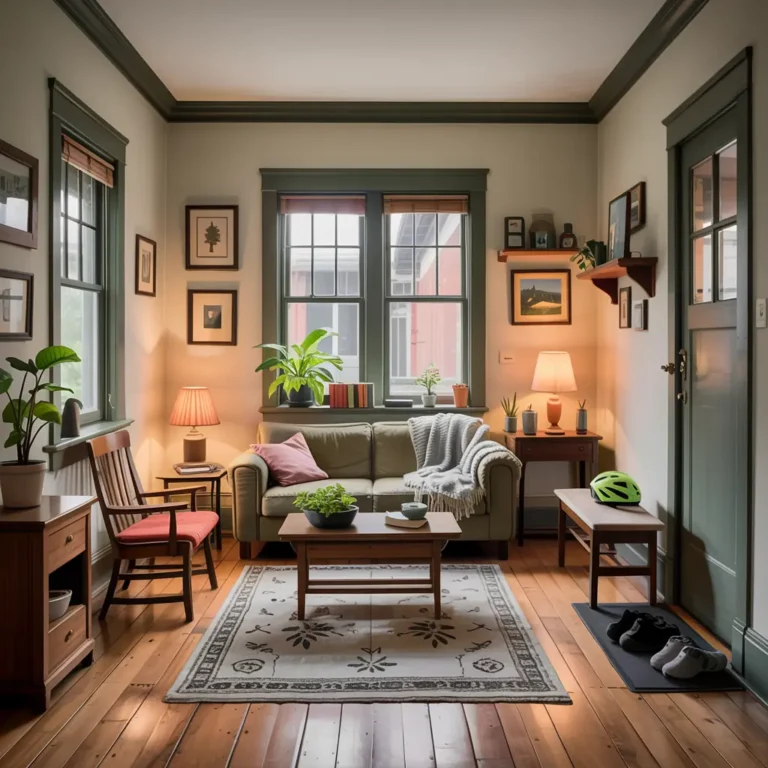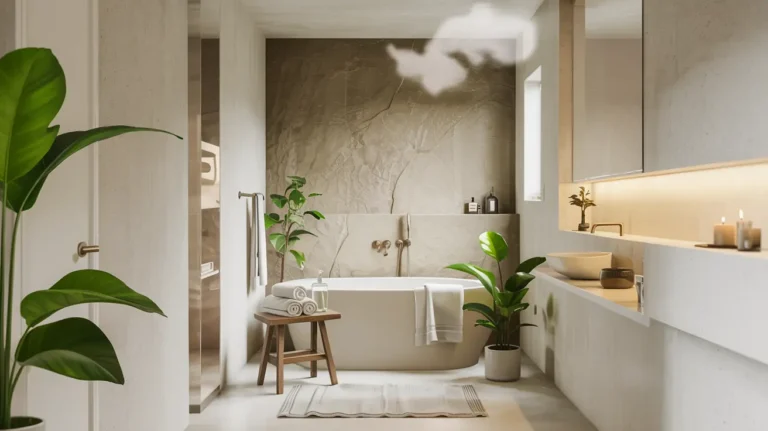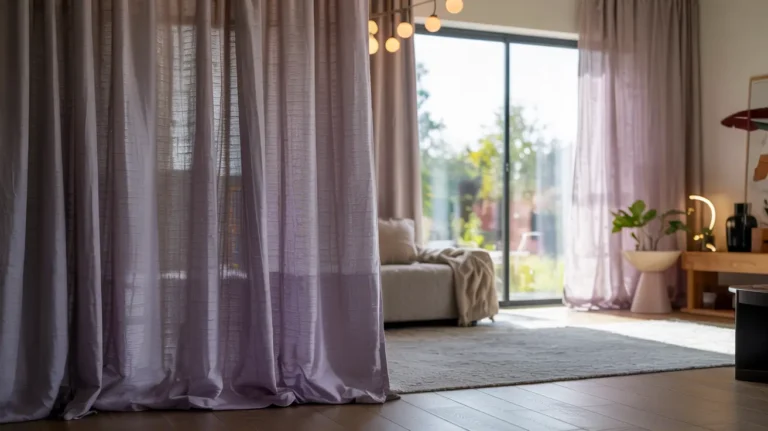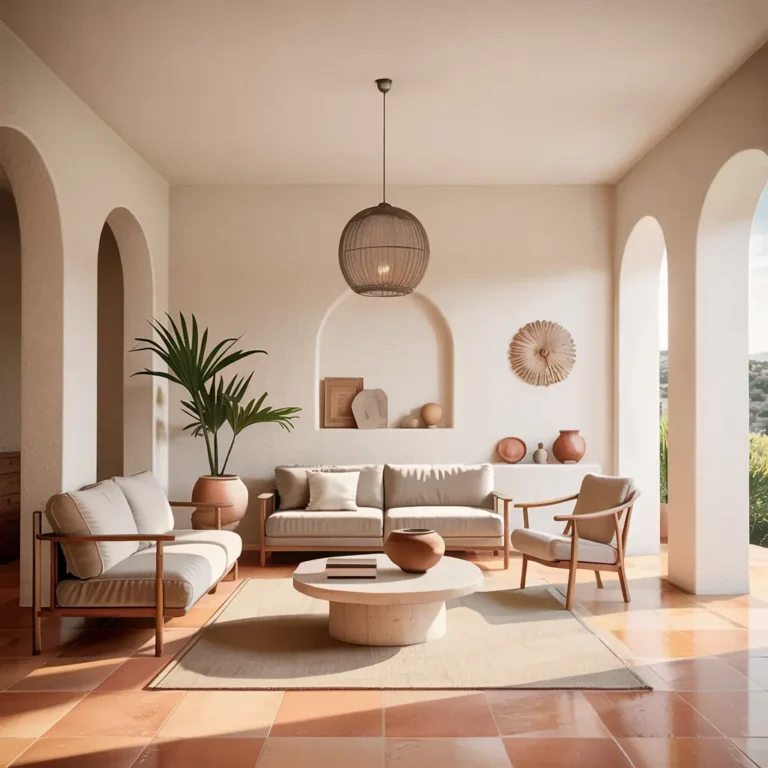

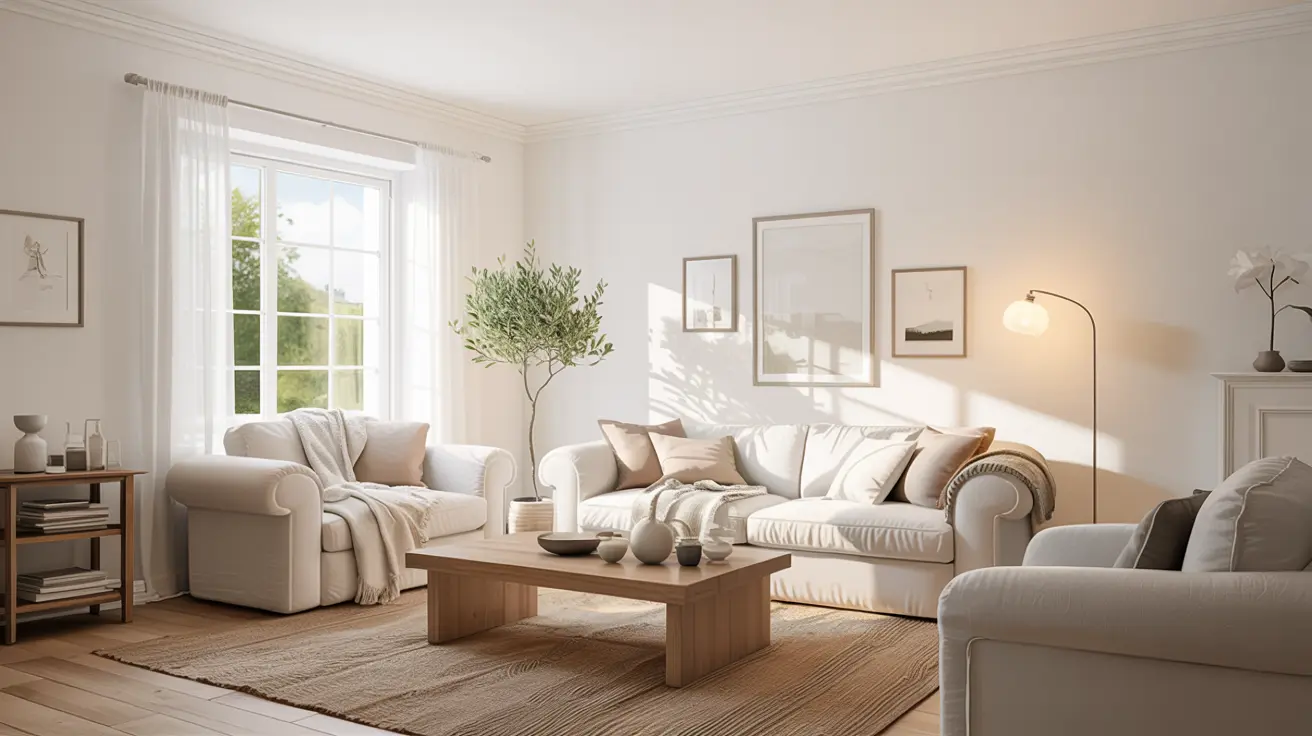
White living room ideas can look bright and calm. They can also feel cold or plain when everything blends together. The trick is simple. Choose the right white, then build warmth with light, texture, and a few steady accents.
Why so many people choose white for the living room
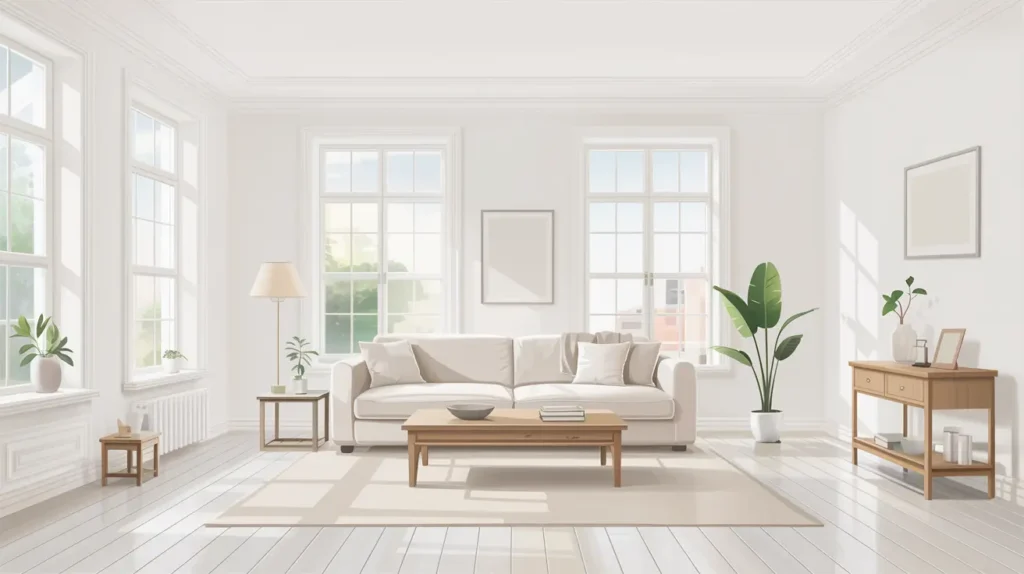
White makes a room feel larger because it bounces light. It also makes furniture and art stand out. If you like switching pillows, rugs or decor over time, white gives you an easy base.
White also helps in open layouts. The room feels connected without forcing one bold color across every area.
What usually goes wrong with a white living room
Most problems come from two things. The white does not match the room’s light. Or the room has no texture and contrast.
It feels cold
This happens when the white leans cool and the room lacks warm materials.
Fix it with warm bulbs, soft fabrics, and wood tones. Add a rug with texture. Add linen or cotton curtains.
It looks flat
When walls, sofa, and curtains match too closely, the room loses depth.
Fix it by mixing whites and off whites. Add one darker anchor like walnut, black, or charcoal. Use texture to break up the smooth surfaces.
The paint looks different all day
White changes with sunlight and shadows. It also changes under lamps at night.
Fix it by testing a large paint sample on more than one wall. Check it in morning light and at night.
You worry it will not stay clean
This is a fair concern, especially with kids or pets.
Fix it by choosing washable paint and practical fabrics. Use removable covers, throws, and rugs you can clean.
Step 1: Pick the right white for your light
White is not one color. Some whites look creamy. Some look crisp. The best choice depends on your room.
Warm white vs cool white
Warm whites can show soft cream or beige. Cool whites can show gray, blue, or green. Warm whites feel cozy. Cool whites feel sharp and modern.
A quick guide you can use
| Room light | What often happens | Better direction |
| Low daylight or shaded rooms | White can look icy or gray | Try a warmer white or soft off white |
| Strong sun and bright windows | Warm whites can look too creamy | Try a balanced white with a cleaner tone |
| Mixed lighting, day plus lamps | White shifts from wall to wall | Test samples in day and night light |
Keep your test simple. Paint a big sample. Stand back. Look at it at different times of day. If it feels right in real use, it is the right white.
Wall finish matters
Matte looks soft and hides wall flaws. It can mark easier, so choose a washable formula. Satin cleans easier but can show bumps and patches more.
Step 2: Add depth without adding clutter
A white room needs small differences. Think in layers, not in more stuff.
Use a family of light tones
Mix white with cream, ivory, or light gray. Even small shifts help. Off white curtains can soften bright walls. A cream sofa can warm the whole space.
Give the eye one or two anchors
Pick one deeper element. It can be a wood table, black frames, or a darker chair. Repeat that tone a few times so it feels planned.
Step 3: Texture is what makes white feel cozy
If you do nothing else, add texture. Texture makes white feel lived in.
Mix soft, natural, and smooth materials
Soft can be boucle, linen, cotton, or velvet. Natural can be jute, rattan, or wood grain. Smooth can be glass, ceramic, metal, or stone.
Rug choice changes the whole room
A rug warms the space and defines the seating area. In open layouts, it also helps with zoning. If the room feels cold, try wool or a thick woven rug. If it feels busy, choose a flatter weave.
Curtains soften the light
Sheer curtains keep the room bright. Linen adds warmth and a relaxed look. Match the curtain rod finish with other metals in the room so it feels consistent.
Step 4: Lighting makes white look expensive
White walls show your lighting choices. One harsh ceiling light can make the room feel sterile.
Use layered lighting
Use a ceiling light for general glow, then add a floor lamp and a table lamp. This makes the room feel calm at night.
Use warm bulbs for living rooms
Many living rooms feel best with bulbs around 2700K to 3000K. Use the same bulb color across the room to avoid odd color shifts.
White living room ideas by style
White works in almost any style. The difference comes from materials, shapes, and accents.
Scandinavian
Use clean lines, pale wood, and simple decor. Add a textured rug and a cozy throw. Use a few black accents for contrast.
Japandi
Keep it quiet and natural. Use warm whites, low furniture, and natural wood. Choose fewer items, but make each one count.
Modern
Choose a cleaner white and sharper shapes. Add contrast with black, glass, or chrome. Use one strong piece of art to create a focal point.
Coastal
Use warm whites with sandy neutrals. Add linen, jute, and woven textures. Bring in soft blue through art or pillows.
Modern boho
Start with soft white, then layer plants and textiles. Add rattan or cane pieces. Keep the color palette grounded so the room stays calm.
Accent colors that look great with white
You do not need many colors. One main accent and a few supporting tones will do the job.
Black
Black adds structure fast. Use it in frames, lamps, or hardware. Balance it with soft textures.
Green
Plants make white rooms feel alive. Sage and olive also work well in pillows and art.
Navy
Navy adds depth without feeling loud. A navy chair or a few pillows can anchor the room.
Earth tones
Warm browns, tan, and terracotta make white feel welcoming. Use them through wood, leather, or pottery.
Furniture choices that keep the room practical
White living rooms look best when the furniture feels grounded and easy to use.
Choose one main anchor piece
Most rooms start with the sofa. If your sofa is white or cream, ground it with a textured rug or wood table. If your sofa is darker, white walls help it stand out.
Coffee tables that work with white
Wood warms the room. Glass keeps it light. Stone adds texture and weight. Pick what fits your daily life and cleaning habits.
Built ins and shelves
White shelves look clean, but styling needs contrast. Mix books, ceramics, framed photos, and one or two darker pieces. Leave some open space so it looks airy.
Simple mistakes to avoid
- Using one white on everything with no texture
- Choosing paint without testing it in your real light
- Mixing bulb colors so the walls shift at night
- Skipping contrast, so the room feels unfinished
- Adding too many small decor pieces that create clutter
A quick finishing checklist
- Your paint looks good in day and night light
- You layered at least three textures
- You added one anchor tone and repeated it
- Your lighting feels warm and relaxed
- Your rug fits the seating area and frames it well
Frequently asked questions
How do I make a white living room feel cozy fast?
Add a textured rug and warm lighting first. Then add a throw and a few pillows in soft fabrics. Bring in wood and one plant for warmth.
Is off white better than pure white?
In many homes, yes. Off white often feels softer and more forgiving. Pure white can look harsh in low light.
Why does my white paint look yellow at night?
Warm bulbs can shift white toward cream. Mixed bulbs can make it worse. Use consistent bulbs and test your paint under lamps.
What is the safest accent color with white?
Green is the easiest because plants work in any room. Black also works when you keep it minimal and repeat it.
Final thoughts
A great white living room is not about perfect white. It is about balance. Choose a white that suits your light. Add texture. Add warm lighting. Add one steady contrast. Do that, and the room will feel bright and comfortable.