
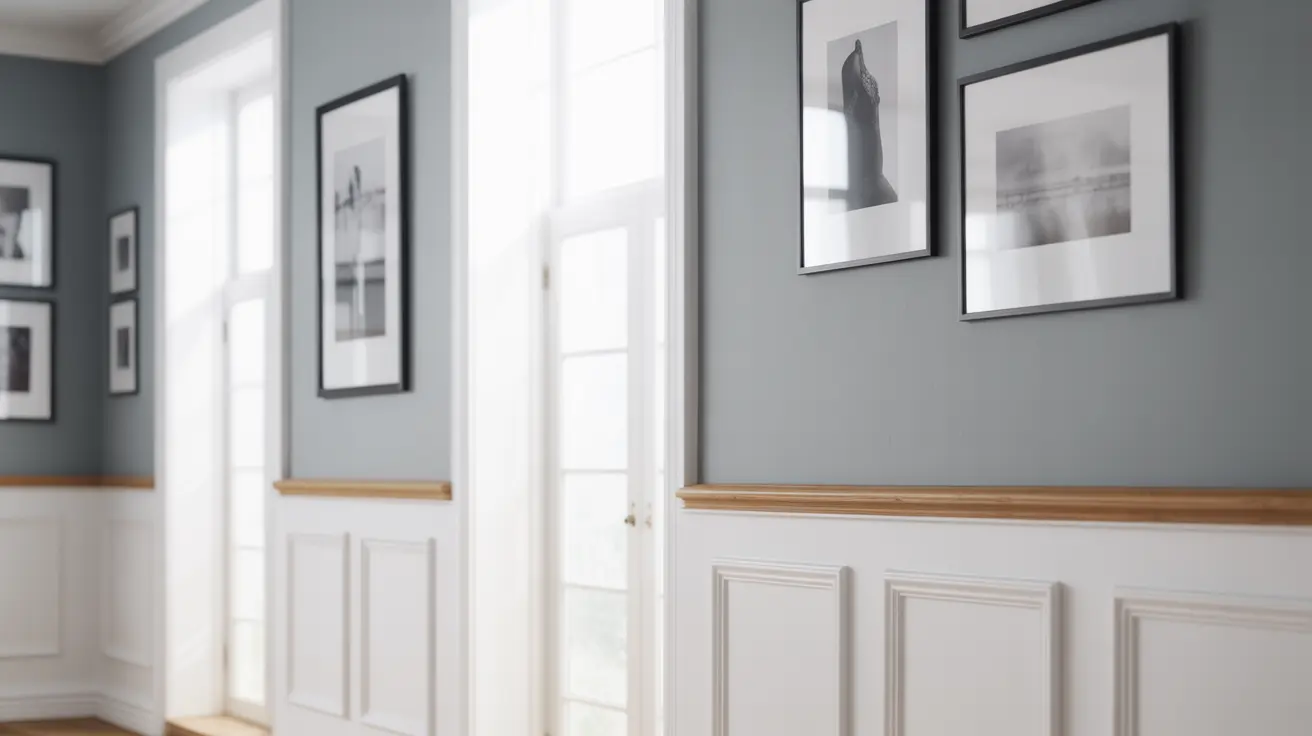
Good wall details change a room fast. Wainscoting adds shape, depth, and protection. It also makes plain drywall feel intentional. Many people want the look, but fear mistakes. Wrong height can shrink a room. Bad spacing can look cheap. The fixes are simple when you plan first.
This article focuses on choices that work in real homes. You will learn styles, heights, materials, and clean layouts. You will also get problem fixes for corners, outlets, and uneven walls. Use the ideas as a menu, not a checklist. Pick one direction and commit.
What wainscoting is and why it works
Wainscoting is wall paneling on the lower part of a wall. It often includes baseboard, vertical trim, and a top rail. Some designs use a chair rail on top. Others use a cap molding with a flatter edge. The main job is visual structure. A second job is wall protection in busy areas.
The best part is flexibility. It can look classic or modern. It can cover half a wall or reach the ceiling. It can be simple trim or full panels. It works in small rooms too, when height and scale are right.
Pick the right height so it looks balanced
Height is the make or break detail. Too low can feel skimpy. Too high can squeeze the wall above. A common starting point is the rule of thirds. That puts the top line around one third of wall height.
Use this quick method:
- Measure floor to ceiling in inches.
- Multiply by 0.33 for a starting height.
- Adjust to match windows, counters, and trim lines.
Examples help:
- An 8 foot wall is 96 inches tall. One third is about 32 inches.
- A 9 foot wall is 108 inches tall. One third is about 36 inches.
Real rooms need real adjustments. Align the top rail with a windowsill when possible. Match kitchen countertops if the wall meets cabinets. On stairs, follow the slope with a clean angle line. Consistent lines look calmer than strict math.
Choose a style that matches your home
Different looks solve different goals. Some styles hide dents well. Others feel light and modern. Pick based on the room and your taste.
Beadboard for soft texture
Beadboard has narrow vertical grooves. It feels casual and friendly. It fits bathrooms, mudrooms, and kitchens. It also suits cottage and coastal spaces. Paint it in a light tone for an airy feel. Go darker for a rich, classic look.
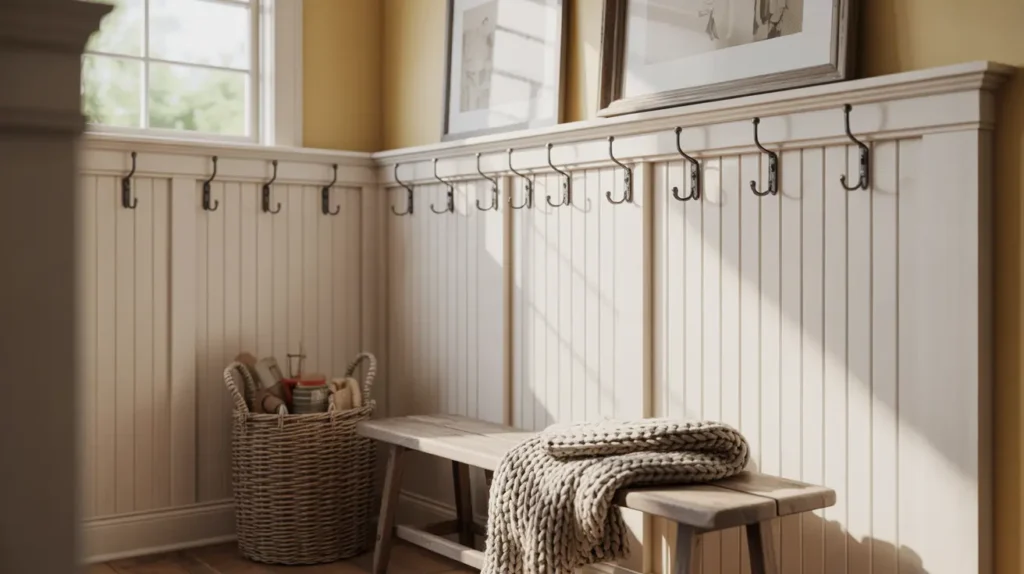
Board and batten for bold vertical lines
Board and batten uses wide boards with thin battens on top. It adds height and strong rhythm. It works in entryways and hallways. It also looks great behind a dining bench. Wider spacing feels modern. Tight spacing feels more traditional.
Picture frame molding for a clean classic look
Picture frame molding makes rectangles with thin trim. It is also called applied panel molding. This style looks polished without heavy panels. It works well in dining rooms and living rooms. It also pairs nicely with wallpaper above.
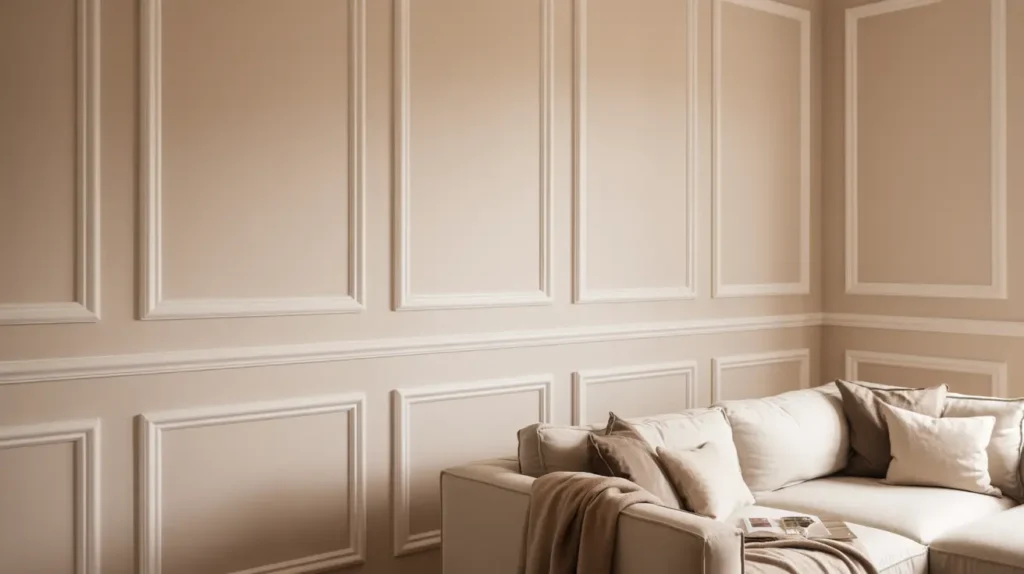
Flat panel for modern simplicity
Flat panel wainscoting has smooth, simple panels. The profiles stay clean and sharp. It fits modern and transitional homes. It also works well with minimal decor. Pair it with a thin cap molding for a crisp top line.
Raised panel for formal rooms
Raised panel wainscoting has deeper profiles and thicker trim. It feels traditional and formal. It fits classic dining rooms and libraries. Use it when the home has strong trim details already. It looks best with careful proportions.
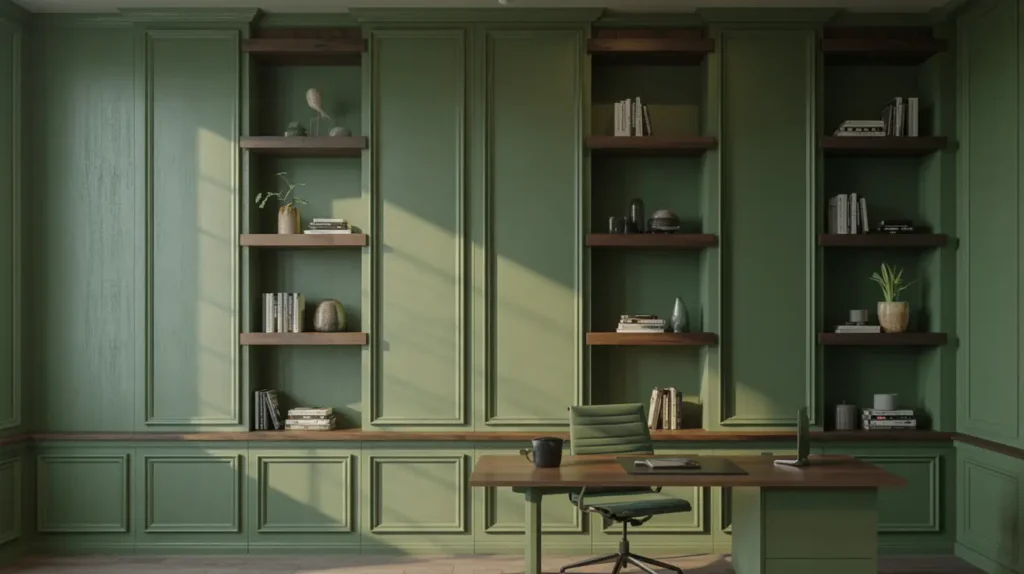
Full height paneling for high impact walls
Full height installs can reach the ceiling. Some people call it judges paneling in taller layouts. This look adds drama and warmth. It works well on a single accent wall. It also suits home offices and bedrooms.
Best materials for each room
Material choice affects cost and durability. It also affects how it handles moisture and heat.
Solid wood looks great and holds up well. It costs more and can move with humidity. Plywood is stable and budget friendly. It works well for flat panels. MDF is common for paint grade trim. It cuts clean and stays smooth. It can swell if water reaches exposed edges. PVC handles moisture better than MDF. It is a strong choice for bathrooms and basements.
Here is a simple match guide:
| Room | Best material | Why it works |
|---|---|---|
| Bathroom | PVC | Handles humidity and splashes |
| Mudroom | PVC or sealed wood | Takes bumps and wipes clean |
| Dining room | MDF or wood | Smooth finish and crisp lines |
| Basement | PVC | Resists damp air better |
| Bedroom | MDF or plywood | Easy paint and clean look |
Seal edges well in any room. Moisture finds weak points first. Prime cut ends before paint. Caulk seams for a cleaner finish.
Color and finish ideas that look intentional
Paint choice changes the whole vibe. A two tone wall is a common approach. Use one color on the paneling and another above. Contrast can look sharp and modern. Soft contrast can look calm and classic.
Try these approaches:
- Same color on wall and trim for a seamless look.
- Dark paneling with light walls for depth.
- Light paneling with wallpaper above for pattern.
Finish matters in busy areas. Semi gloss wipes clean and resists scuffs. Satin looks softer and still cleans well. Flat paint can mark easily on lower walls. Save flat paint for upper walls when possible.
Room by room wainscoting ideas that solve real problems
Each room has different wear and different sight lines. Small changes make a big difference.
Entryway and hallway
These areas take the most hits. Paneling protects walls from bags and shoes. Use board and batten for vertical height. Use beadboard for a softer look. Keep the top line consistent through long hallways. That line guides the eye and feels tidy.
Dining room
Dining rooms love structure. Picture frame molding looks tailored here. Add a slightly higher top rail for a formal feel. Pair with a bold wall color above for contrast. Chairs often bump walls, so durability helps.
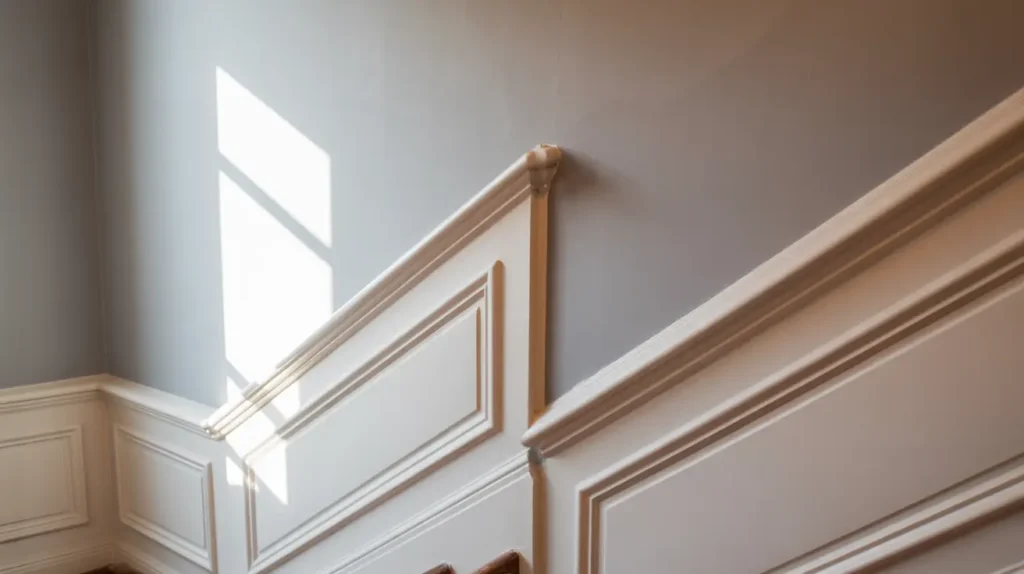
Staircase wall
Stairs can look awkward with plain drywall. A sloped top line can follow the stair angle. Another option is a level top rail with panels below. Pick one approach and stay consistent. Clean corners matter most on stairs.
Bedroom
A half wall behind the bed can act like a headboard. Flat panels feel modern and calm. Full height paneling can create a cozy, wrapped look. Keep colors softer for restful rooms. Avoid heavy profiles in small bedrooms.
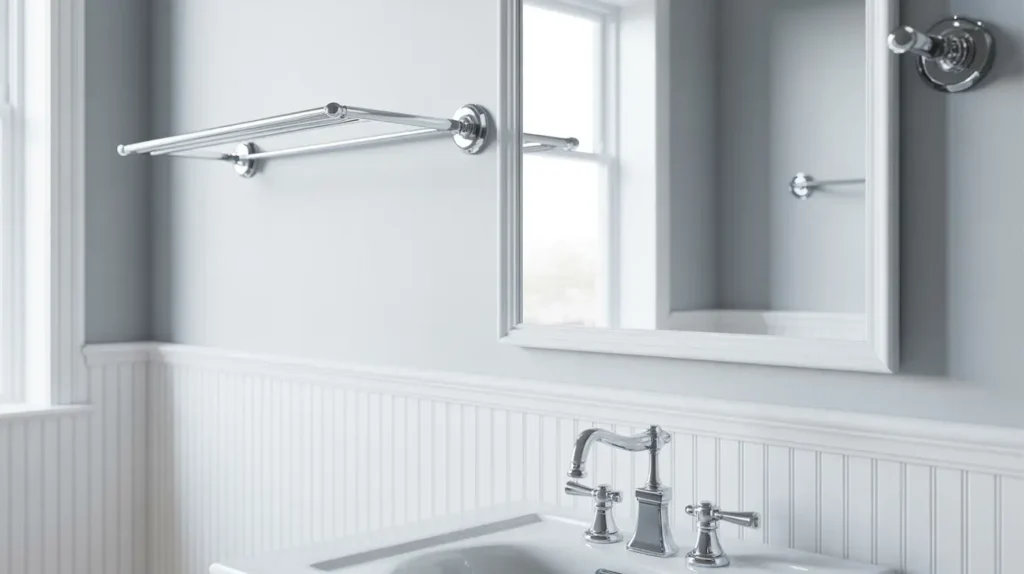
Bathroom
Bathrooms need the right material. PVC handles humidity well. Beadboard looks especially good in bathrooms. Keep seams sealed and edges primed. Choose satin or semi gloss for easier cleaning.
Kitchen and breakfast nook
Paneling can add charm near banquettes and nooks. Align the top with counter height when walls meet cabinets. Use a wipeable finish for splashes. Keep trim profiles simple near busy backsplashes.
Common mistakes and fixes
Most issues come from layout, not style. Fix the planning and the install looks pro.
The panels look uneven
Uneven walls cause gaps and waves. Set a level top line first. Use a laser level if you have one. Shim where needed before nailing. Caulk small gaps at the end for a clean finish.
Spacing feels random
Random spacing ruins the look fast. Start with a full wall measurement. Plan equal panel widths when possible. Adjust slightly at the corners if needed. Keep stiles and rails consistent across the wall.
Outlets land in weird spots
Outlets can cut through rectangles and look messy. Plan the layout around them early. Shift panel lines a little to avoid tiny slivers. Use matching wall plates for a cleaner look.
Corners do not meet cleanly
Corners show every mistake. Check walls for out of square angles. Use test pieces before final cuts. Fill small gaps with wood filler, then sand smooth. Paint hides a lot when the surface is flat.
The room feels shorter after installing
This usually means the height is too high or too dark. Lower the top line in small rooms next time. Use a lighter color to keep the room open. Add vertical elements like battens to pull eyes upward.
DIY planning that keeps the job stress free
A clean install starts with prep. Rushing causes most bad results. Plan the layout before cutting anything.
Basic tools and supplies:
- Tape measure, pencil, level
- Saw for straight cuts
- Finish nails or brad nails
- Construction adhesive
- Caulk, wood filler, sandpaper
- Primer and paint
A simple install order:
- Mark studs and draw your top line.
- Install baseboard if it is changing.
- Add the top rail or chair rail.
- Place vertical pieces with measured spacing.
- Add inner frames if using picture frame molding.
- Fill nail holes, sand, and caulk seams.
- Prime, then paint two coats.
Work in small sections. Step back often and check alignment. Fix small drift early. It is harder later.
Cost and time expectations
Costs vary by material and room size. DIY is usually far cheaper than hiring. Labor can double or triple the total. Complex profiles cost more than simple trim. Full height panels cost more than half walls.
Time depends on your comfort level. A small wall can take a weekend. A full room may take several weekends. Painting and drying add time too. Plan extra time for corners and outlets.
FAQ people search about wainscoting
What is the best type for beginners?
Picture frame molding is often easiest. It uses simple trim and clean rectangles. Beadboard panels can also be simple.
How high should it be?
One third of the wall is a solid start. Match windowsills and counters when needed. Consistent lines matter most.
Is it out of style?
No, when proportions look right. Cleaner profiles fit modern homes. Classic panels fit traditional homes.
Can I use it in a bathroom?
Yes, with the right material. PVC is a safe choice. Seal edges and caulk seams.
Do I need a chair rail?
Not always. Some styles use a flat cap molding instead. The top line just needs to look finished.
Can it go floor to ceiling?
Yes, and it looks dramatic. Use it on one wall if the room is small. Full height paneling adds warmth fast.
What paint finish works best?
Satin or semi gloss works well on lower walls. They clean easier than flat paint. Choose what matches your trim style.