
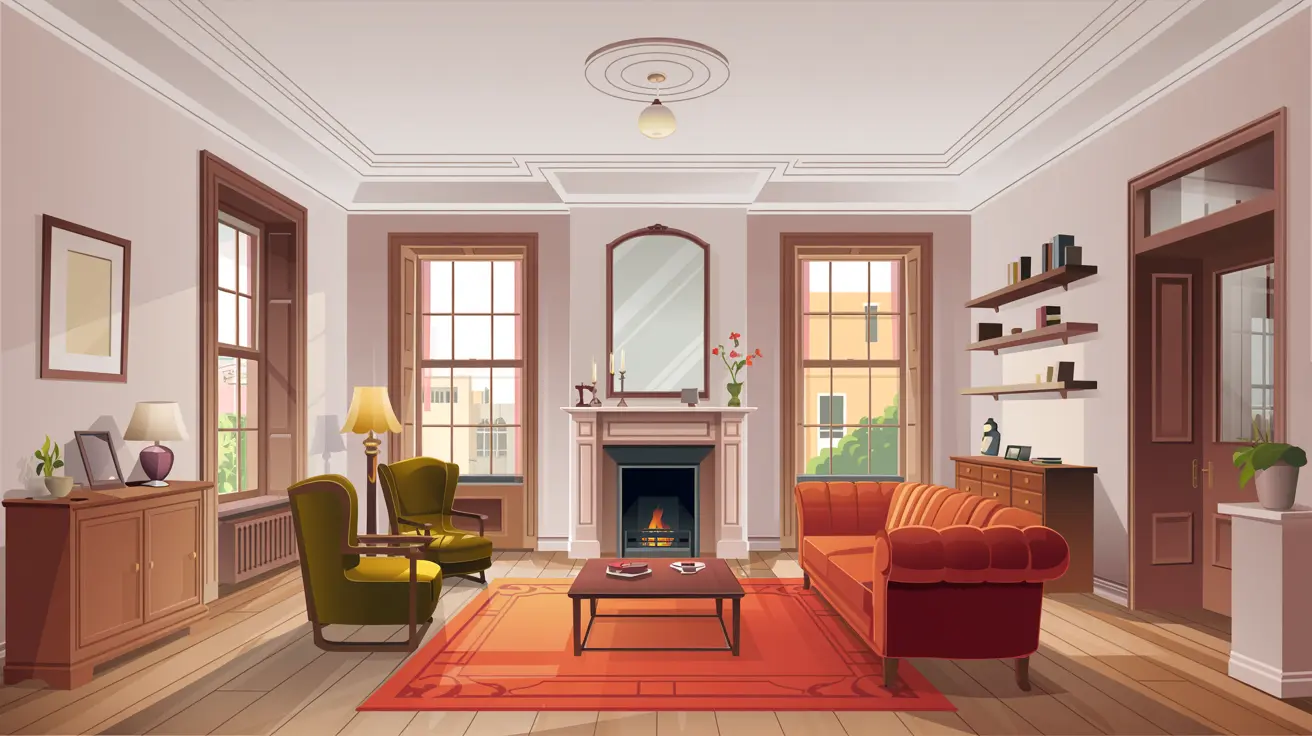
Victorian house interior design has a very special charm. High ceilings, tall sash windows and detailed woodwork create a rich mood in every room. At the same time, many period homes can feel dark, crowded or awkward for daily life. The real goal is to keep the character while adding light, comfort and smart storage. With a clear plan, you can create a home that feels both historic and modern.
What Is Victorian House Interior Design
Victorian house interior design comes from a time of growth, industry and rising city life. Interiors from this era often used strong colour, patterned wallpaper and layered fabrics. Rooms were filled with art, books, ornaments and furniture that showed taste and success. There was a clear sense of order, with mouldings, rails and framed openings guiding the eye. Today the aim is to capture that richness in a calmer, more practical way for daily living.
Modern Victorian interiors work best when they respect the original structure. You keep the height, the proportions and the special features of the period house. You then soften the look with clearer layouts, better light and simpler furniture shapes. This balance lets a period home feel comfortable instead of heavy or gloomy. It also creates a style that does not date quickly and supports long term value.
Start by Reading Your Victorian Home
Before you choose colours or buy furniture, take time to study the house. Walk through each floor and notice how wide the rooms are and how high the ceilings feel. Watch how daylight moves from front to back and where spaces feel dark or blocked. This first reading of the building tells you which parts need help and which already work. It is the base for every design choice that follows.
Many Victorian houses share a familiar layout. You may have a narrow hallway, a front living room and a second reception behind it. Further back, you often find a dining room and a compact kitchen near the garden. Understanding this sequence helps you decide where to open views between rooms. It also shows where you might keep smaller, cosy spaces for work or quiet time.
Key Architectural Features to Keep or Recreate
Architectural features carry most of the character in a Victorian home. Cornices, ceiling roses, picture rails and deep skirting boards frame every room. Panel doors with strong architraves add a sense of weight and quality to the interior. If these elements still exist, repair and repaint them rather than replacing them. If they are missing, simple new versions can bring rhythm and structure back.
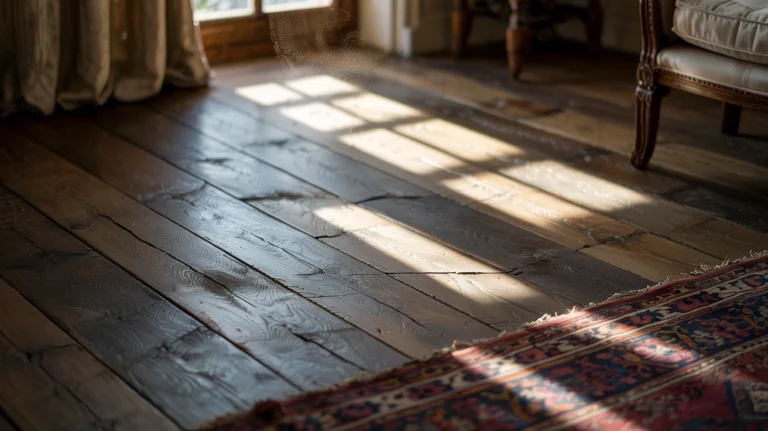
Fireplaces are another key part of Victorian house interior design. Even if they no longer work, mantels and hearths can become focal points in a room. Restoring tiles, cleaning stone and repainting timber often transform the space around them. Original floorboards, parquet or patterned tiles also deserve care and protection. Refinished floors with a good rug usually look richer than brand new coverings.
How to Treat the Hallway in a Victorian House
The hallway sets the tone for the whole Victorian home. In many houses it feels long, narrow and darker than you would like. Your goal is to turn that corridor into a welcoming route rather than a tunnel. You do this through light, colour and simple, tight storage. A few careful decisions here can change the feeling of the entire house.
Start by using as much natural light as possible. If the front door has glass, choose panels that let daylight pass while still offering privacy. Use a ceiling light that suits the height and spreads light along the hall, not just in one spot. A mirror near the entrance helps bounce light and creates a sense of extra depth. Together these choices make the hall feel taller and more open.
Flooring in a Victorian hallway should be both hard wearing and attractive. Patterned tiles or a striped runner give energy and visually pull you through the space. Painted boards in a warm, practical shade can also work if tiles are not an option. Keep shoes, coats and bags grouped in one neat area, not spread along the full length. This helps the architecture stand out and stops the hall feeling cramped.
On the walls, a deeper tone on the lower section and a lighter tone above works well. If you have a dado rail you can use it to separate these areas cleanly. This approach grounds the hallway but still protects the feeling of height. It also links nicely to staircases, balustrades and landings on the upper floors. The result is a classic, calm entrance that supports the rest of your design.
Designing a Victorian Living Room
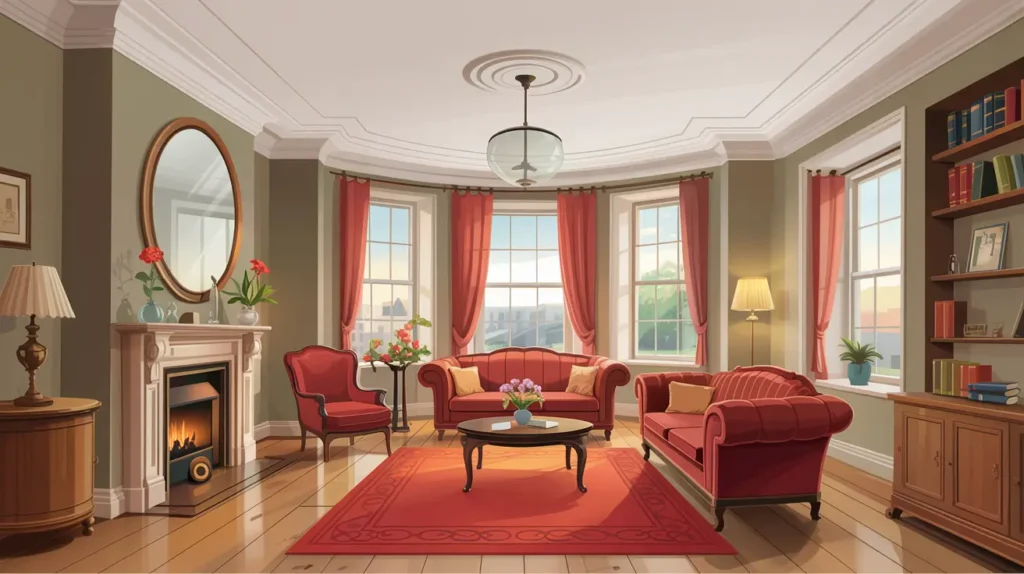
The living room is often the heart of Victorian house interior design. Most of the time it has a fireplace, alcoves and sometimes a bay window. These features can either feel awkward or become your greatest strengths. Everything starts with a clear focal point and a layout that supports conversation. Once those are set, colour and furniture choices become much easier.
In most Victorian homes, the fireplace should be the main focus of the living room. Clean and repaint the mantel so that it stands out clearly against the wall. Use one strong mirror or one main artwork above it to draw the eye. Keep the items on the mantel itself simple and well chosen rather than crowded. This gives the room a centre that works day and night.
Alcoves on either side of the chimney suit built in storage very well. Low cupboards can hide media equipment, games and daily clutter. Shelves above are ideal for books, framed photos and a few special objects. When cupboards and shelves share the wall colour or sit a little deeper, they feel calm. This avoids the jumpy look that comes from many separate free standing units.
Seating should be planned around human contact, not only a television. Position the main sofa so it faces or partly frames the fireplace rather than turning away. Place armchairs and a coffee table so that people can talk without twisting or shouting. If there is a bay window, use it for a reading seat or a small extra bench. This adds another useable corner without disturbing the main layout.
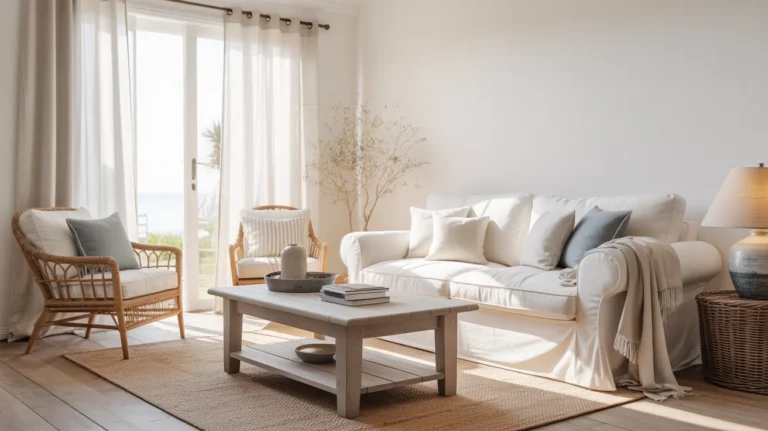
Colour and fabrics then shape the mood of the room. Deep green, navy and claret shades suit evening relaxation when balanced with light trim. Soft neutral walls with one strong accent tone feel brighter for daytime use. Velvet, wool and linen fabrics bring depth and comfort when combined in layers. Short cushions, throws and curtains can carry these tones without looking heavy.
Creating a Classic yet Practical Victorian Kitchen
The kitchen in a Victorian house has often changed many times. It may still be a narrow galley at the back or part of a newer extension. Your aim is to make the kitchen feel calm, practical and in tune with the period. Simple layouts, honest materials and gentle colours usually give the best result. It should feel like part of the home, not an imported style from somewhere else.
If your kitchen is narrow, keep the layout straightforward. Use straight runs of cabinets rather than too many corners and changes. Framed doors with modest detailing echo traditional joinery without feeling fussy. Choose warm neutral tones for cabinetry so that they age gracefully over time. Worktops in wood, stone or a natural looking composite add a solid, timeless feel.
Walls behind worktops offer a chance to suggest Victorian character. Brick style tiles, soft geometric patterns or simple small squares can work very well. Stay away from extremely busy designs that will compete with the rest of the house. Let windows, doors and cabinet proportions remain the main visual story. This helps the room feel settled and not over designed.
In extended kitchens, light becomes the main design tool. Glazed doors, larger windows or roof lights help pull daylight into deeper areas. Arrange cooking, eating and sitting zones so that each has a clear role. Use different light levels to support these zones, with brighter task light for cooking. Hide appliances where possible to keep the space calm even when it is busy.
Shaping a Small Victorian Bathroom
Many Victorian bathrooms sit in tight corners or later additions. They often feel small but can still have strong character and good comfort. Success comes from a very simple layout and a few classic touches. It helps to accept the size instead of fighting it with too many fixtures. A neat, well planned small bathroom is better than a crowded one.
Decide the position of the toilet first, then place the basin and shower or bath around it. Use compact basins, shorter baths or walk in showers where space is limited. A clear glass panel rather than a full framed enclosure keeps sight lines open. Choose a white or soft off white suite so surfaces and finishes can carry more interest. This keeps the room light and allows colour to come from paint and tile.
On the floor, small tiles or simple stone designs sit well in a Victorian house. Walls can carry tiles on the lower half for strength and paint above for softness. Gentle greens, blues or stone shades stay clean and calm over time. Traditional style taps, a classic towel rail and a well chosen mirror finish the mood. The room then feels connected to the rest of the house without looking themed.
Turning a Victorian Bedroom into a Calm Retreat
Bedrooms in Victorian homes are made for quiet comfort and layered style. Tall ceilings, strong skirting and generous windows already provide a peaceful frame. Your role is to add a clear focal point, gentle colours and good storage. Done well, the room feels restful at night and fresh in the morning. It should support sleep first and decoration second.
The wall behind the bed should act as the main feature. Choose a headboard with a simple but confident shape that fits the wall height. Place bedside tables at a comfortable level with lamps slightly above eye height. This grouping creates a stable visual frame and supports reading and relaxation. Keep clutter away from this wall so it holds the focus of the room.
Then decide how you want to treat the walls. A single soft colour over every wall is often the most restful option. If you enjoy pattern, use it behind the bed only and keep the other walls plain. Nature inspired prints and gentle repeating motifs suit a Victorian bedroom well. Bedding, cushions and throws can pick up on these tones without feeling forced.
Storage must suit both the shape of the room and your routine. Built in wardrobes in alcoves make good use of awkward corners near chimney walls. Tall units that reach near the ceiling offer more space and look more deliberate. Painting them in the same colour as the walls helps them blend into the background. Inside, mix hanging space, shelves and drawers so items stay organised.
Using Small Victorian Rooms as a Study or Snug
Many Victorian houses have small rooms that are easy to ignore. These might be box rooms, side rooms or second receptions with no clear function. They can become very useful if you give them one strong purpose. A focused design creates a space you actually use instead of a storage dump. Two common and helpful uses are a home study or a snug.
For a study, aim for calm colours and a clear working layout. Choose a desk that fits the wall and leaves enough room to move around it. Use shelves and closed units so the floor stays open and your mind feels clearer. Mid toned neutrals and soft greens or blues help keep focus during longer sessions. Good light at the desk, along with a more relaxed side lamp, completes the setup.
For a snug, the mood can be richer and more playful. Deeper colours on the walls and softer lighting create an intimate feeling. A small sofa or a pair of armchairs and a side table are usually enough. A soft rug and a few cushions help the space feel warm and inviting. This kind of room is perfect for reading, music or quiet talks away from the main areas.
Colour and Pattern That Suit a Victorian House
Colour and pattern are central to Victorian house interior design. Historic interiors often used deeper tones and plenty of print. Modern homes benefit from a more balanced approach with room to breathe. A good method is to choose one anchor colour, one support shade and one lighter base. You then place each where it suits the light and the function of the room.
Strong shades such as forest green, navy or deep red work well on feature walls. Balance these with lighter ceilings, trims and some plain surfaces. In smaller rooms, mid tones on walls with paler woodwork often feel more comfortable. It is better to use depth in a few logical places than to darken every surface. This way, rooms feel cosy but not closed in.
Pattern should support the architecture, not drown it. Wallpaper on a chimney breast or behind a bed is often enough to set the tone. Rugs, cushions and curtains can repeat smaller versions of this pattern or colour. Leaving some walls and fabrics plain gives the eye space to rest. This makes the whole interior feel more refined and easier to live with.
Fabrics add the final layer of richness through touch and drape. Velvet brings luxury, linen adds ease and cotton keeps things fresh and simple. Wool in rugs and throws adds warmth underfoot and around seating. Use a small group of fabrics and colours across each room to keep it coherent. This approach makes the house feel ordered without feeling stiff.
Blending Old and New in a Victorian Interior
The most successful Victorian interiors mix old and new with confidence. Too many antiques can feel heavy, while only modern pieces can feel mismatched. A balanced mix respects the age of the house and the needs of present life. The structure and fixed features stay rooted in history. Furniture, lighting and art bring in a more current voice.
In each room, try to include at least one item that clearly reflects the period. This could be a mirror, a sideboard, a chair or a pendant light. Surround it with simpler modern pieces in shapes that suit the space. If scales and colours relate to one another, the combination looks deliberate. The period details then act as a backdrop rather than a costume.
Technology should be present but not dominant. Hide cables where you can and group devices in one controlled area. Place screens in positions that do not compete with fireplaces or main windows. Let mouldings, doors and architectural shapes stay as the leading lines. This balance keeps the home useful while still feeling like a true Victorian interior.
Planning, Budget and Common Mistakes
Good planning is vital for Victorian house interior design. Begin by listing the rooms you use most and the issues each one has. Separate tasks into repairs, layout changes, surface updates and furnishings. Always deal with structure, damp, wiring and plumbing before decoration. This protects your budget and stops you from having to redo finished rooms.
Set a clear budget and keep a margin for surprises, as older homes often hide extra work. Spend more on floors, windows, doors and built in joinery that shape every room. Spend less on items that are easy to change, such as small lights and accessories. This way, the core of the house grows stronger while still leaving room for updates. Careful staging also makes large projects feel less overwhelming.
There are a few common mistakes you should avoid. Removing original features without proper thought can harm both character and value. Painting every room in very strong colours without enough light can make the house feel heavy. Relying only on small, cold ceiling spots creates harsh, flat spaces. Choosing softer, warmer light and mixed sources usually suits period homes better.
Caring for Original Victorian Features
Regular care keeps original features in good shape for many years. Timber floors respond well to gentle cleaning and occasional refinishing. Avoid heavy sanding unless the boards are badly damaged. Use finishes that protect the surface but let the grain remain visible. This keeps the floor honest and connected to the age of the house.
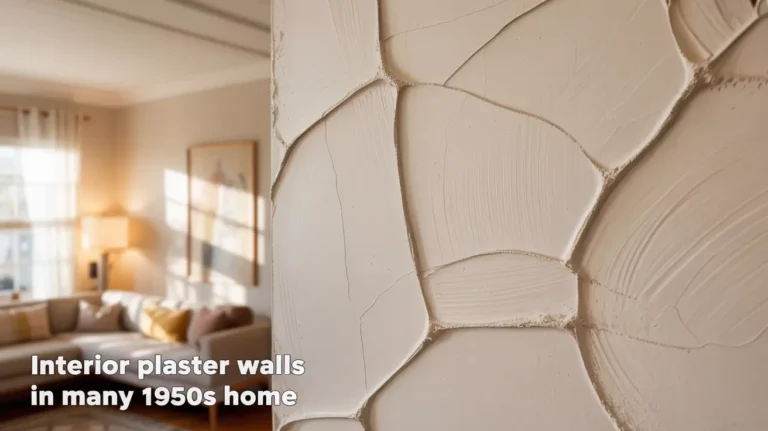
Plaster, tiles and stone need patience and a light touch. Check for cracks and loose areas and repair them before they spread. Clean with mild products rather than harsh chemicals that might cause harm. Always test cleaners in a small hidden spot before broader use. The goal is to support the material and its story, not to erase it.
Textiles and wallcoverings also benefit from simple, steady routines. Vacuum or dust curtains, upholstery and rugs on a regular schedule. Protect fabrics from strong sun where you can, especially deeper colours. Treat marks quickly using suitable products and clear instructions. With this kind of care, rooms stay rich and welcoming rather than tired.
Frequently Asked Questions
Many people wonder if white walls work in a Victorian house. They do, especially when paired with warm wood, texture and a few stronger accents. Others fear that dark colours always make small rooms feel tiny. In truth, deep tones can suit a snug or a small living room very well. The key is to keep ceilings light and lighting strong and gentle.
There is also a question about modern furniture in a period setting. Modern pieces can look excellent when you respect scale and line. Including one or two items that reflect the house’s age keeps the link to history. Starting work in the kitchen, main living area and main bedroom often makes most sense. Once these spaces feel right, the whole house starts to feel more settled.