
Why a Vacation Home Needs Its Own Way of Thinking
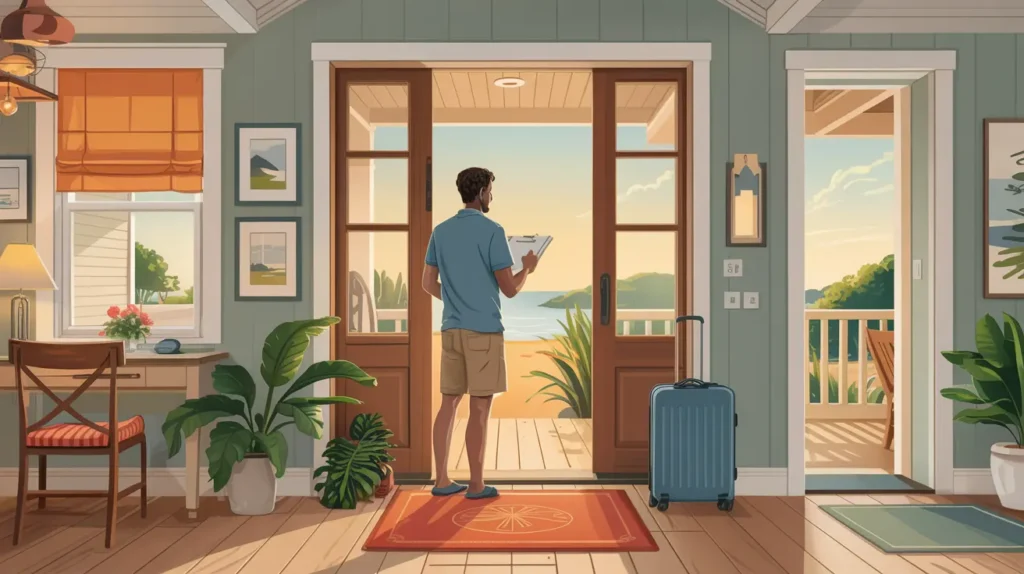
When I walk into a vacation home interior design, I look for one thing first: does the place make sense the moment you step inside? A getaway house gets treated very differently from a full-time home. People arrive tired, drop their bags anywhere, and start wandering around without asking questions. If the rooms don’t guide them naturally, the stay starts with confusion instead of calm. A well-designed vacation home avoids that. It welcomes people right away, keeps stress low, and sets the mood for the entire trip. That is why layout, comfort and easy-to-understand spaces matter far more here than fancy décor.
Understand Who You Are Designing For
Before picking colours or fabrics, I always ask owners who actually uses the place. The answer shapes the entire project. If a house sees lots of families, we need sturdy seating, simple storage, safe pathways and fabrics that survive spills. If the home attracts couples, the focus shifts to lighting, privacy and a bedroom that feels gentle and quiet. Some guests even work during their stay, so a small corner with a chair and decent light can make their week far easier. Once you know the main crowd, the design stops feeling random and starts moving in a clear direction.
Let the Location Do Some of the Work
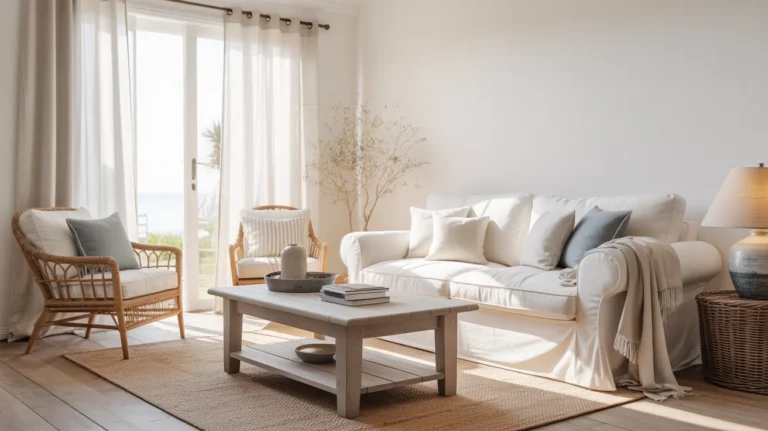
Good vacation homes borrow from what’s outside their windows. A coastal house often feels right with soft breezes, linen textures, pale wood and sun-washed tones. A cabin in the hills usually suits warmer colours, layered fabrics and a stronger focus on the fireplace. City retreats benefit from clean shapes, good storage and a few bold moments that echo the neighbourhood’s energy. Choose one simple theme that fits the setting — something like calm coastal escape or warm hillside hideaway. Keep that phrase in mind and let it steer your decisions. It keeps the house consistent and keeps guests relaxed from room to room.
Shape the Layout Around Real Life
Whenever I plan a vacation home, I start by imagining how people move through it. Bags in hand. Kids running ahead. Someone hunting for a bathroom. If the entry has hooks, a bench and a dependable mat, the rest of the place stays tidier for the whole stay. In the living area, furniture should never force people to squeeze past each other. A walkway that feels open makes the entire home feel larger. Small homes especially need double-duty pieces — a dining table that works for laptop mornings, a console that stores games, chargers and blankets. Layout decisions matter just as much as the décor layered on top.
Build a Living Room Guests Actually Want to Sit In
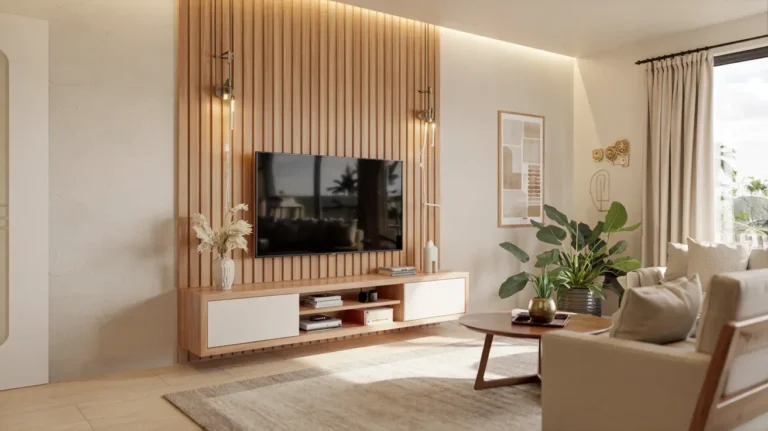
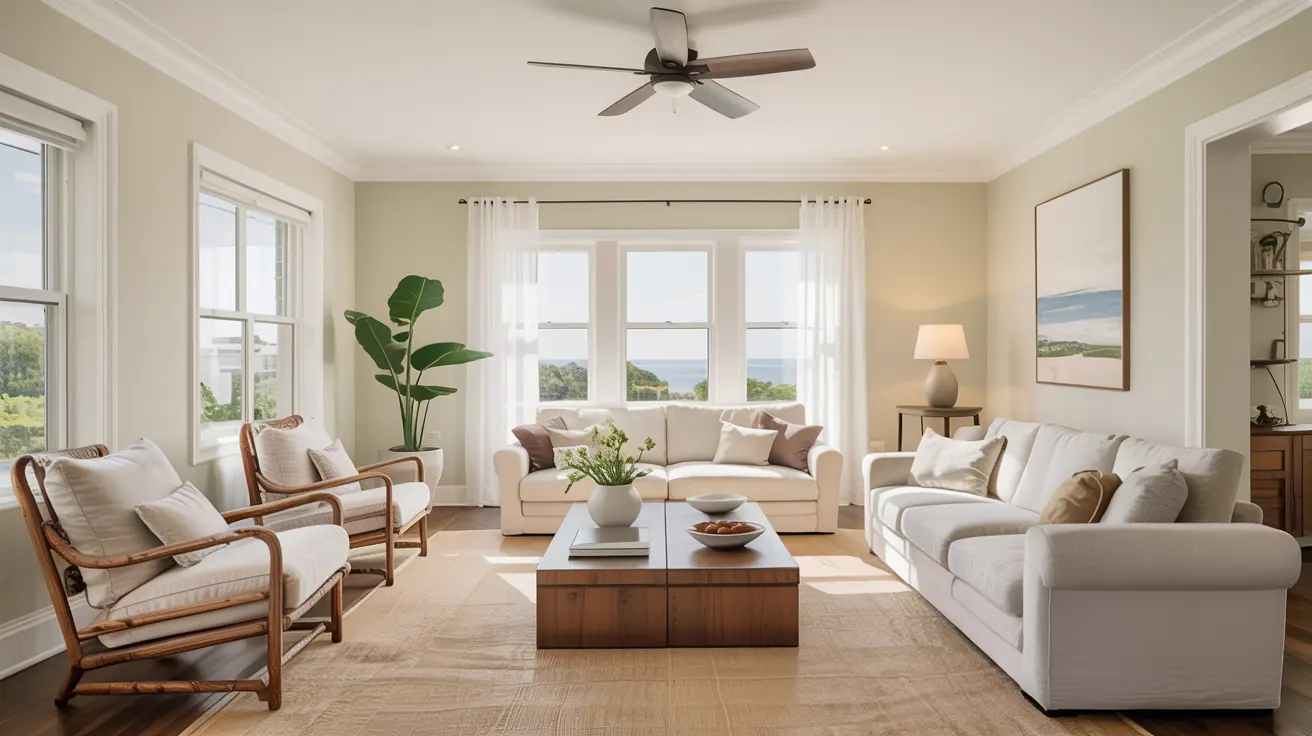
The living room carries so much of a trip’s mood. Rainy days, late-night chats, morning coffee — it all happens here. Start with seating. If the house sleeps six, the living room should seat six comfortably, not four on a sofa and two on stiff chairs. A rug with enough size to tie the seating together grounds the room and protects the floor. Good lighting is the secret ingredient. Mix ceiling light with a floor lamp and a softer table lamp. Even a simple room starts feeling warm once the lighting settles into place. Keep décor light and purposeful so cleaners can reset the room fast and guests never feel crowded by clutter.
Set Up Bedrooms That Feel Good the Moment You Walk In
Guests may forget the art in the hallway, but they never forget a bad bed. The mattress, pillows and sheets matter far more than anything else in the room. Aim for calm colours, gentle lighting and enough storage for short stays. Every bed should have a table and lamp on each side. People like having their things close at night without hunting for outlets or dragging cables. Thick curtains or layered blinds help control early light, which families with young kids always appreciate. Keep the room straightforward and soothing — you want guests to breathe out the moment they step inside.
Make Bathrooms Straightforward and Pleasant
Vacation home bathrooms don’t need luxury. They need clarity and comfort. A room with bright, even light near the mirror and a softer option for evenings always feels more thoughtful. Choose simple tiles and finishes that stay fresh between deep cleans. A clear glass screen opens the shower visually and avoids the heaviness of old curtains. Hooks near the shower, shelves for toiletries and clean towels placed within easy reach make the space function smoothly without effort. One good shower head and a safe floor mat go a long way.
Use Light and Colour to Guide the Mood
Watch how sunlight moves through the home. It tells you where to soften glare, where to brighten darker corners and where to bring in cosy tones. Soft neutrals often work best in shared areas because they’re calm, flexible and photography-friendly. Bedrooms can carry richer tones if you keep them grounded with gentle bedding and warm light. Keep one colour story flowing throughout the home. Even small shifts from room to room feel connected when they stem from the same palette.
Choose Materials That Hold Up to Real Use
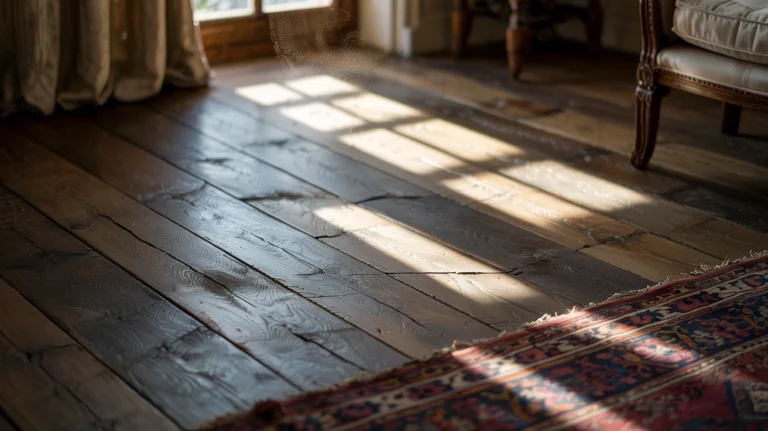
Vacation homes see everything — sand, wet towels, luggage wheels, sunscreen, muddy shoes. Pick materials that survive the chaos. Sturdy fabrics, washable covers, flat-weave rugs and flooring that handles repeated cleaning keep the home looking cared for longer. In kitchens and bathrooms, avoid surfaces that show every fingerprint or watermark. A few smart choices here save money over time and reduce the amount of replacing and repairing you do each year.
Add Small Smart Features That Make Stays Easier
Simple tools take stress off both owners and guests. A keypad lock avoids key handoffs. A thermostat you can adjust from afar helps manage energy. Outdoor lights on timers guide late arrivals. Inside, labelled switches and a short guide for heating, internet and appliances prevent confusion. A locked cabinet for owner items and organised shelves for linens help local teams keep everything in order.
Spend on What Matters Most
Put your budget into things people touch for long stretches — beds, sofas, dining chairs and outdoor seating. These influence comfort and reviews more than trendy decor pieces ever will. For the rest, keep things honest and simple. Good storage, clean lines and a few personal touches make the home feel warm without overspending. When the house is rented, pay attention to guest feedback. It tells you exactly where upgrades pay off.
Common Mistakes Owners Make
Many vacation homes feel like storage spaces for leftover furniture. This creates a mix of styles that never quite fit together. Choosing one clear direction fixes this quickly. Another issue is poor lighting. One bright bulb doesn’t create atmosphere. A few well-placed lamps change a room instantly. Seating shortages also cause problems. If the home sleeps six, the dining and living areas must seat six. And finally, clutter. Vacation homes often collect random items over the years. A seasonal reset keeps things fresh and light.
A Quick Walk-Through Before You Host Anyone
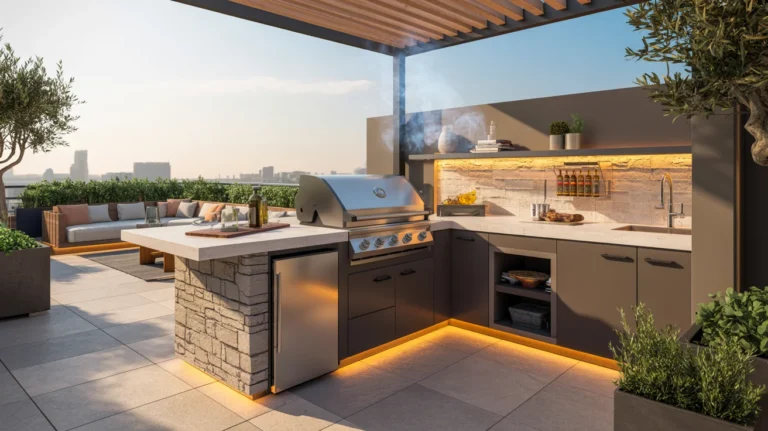
Take a slow walk through the house with fresh eyes. Enter carrying bags and see where things naturally land. Sit in the living room and check if everyone has a comfortable place. Try each bed and each lamp. Pretend to unpack in the bathroom and see if it flows. Step outside and ask if the space invites people to relax. If the home feels clear, calm and ready after this walk-through, then the design is working.