
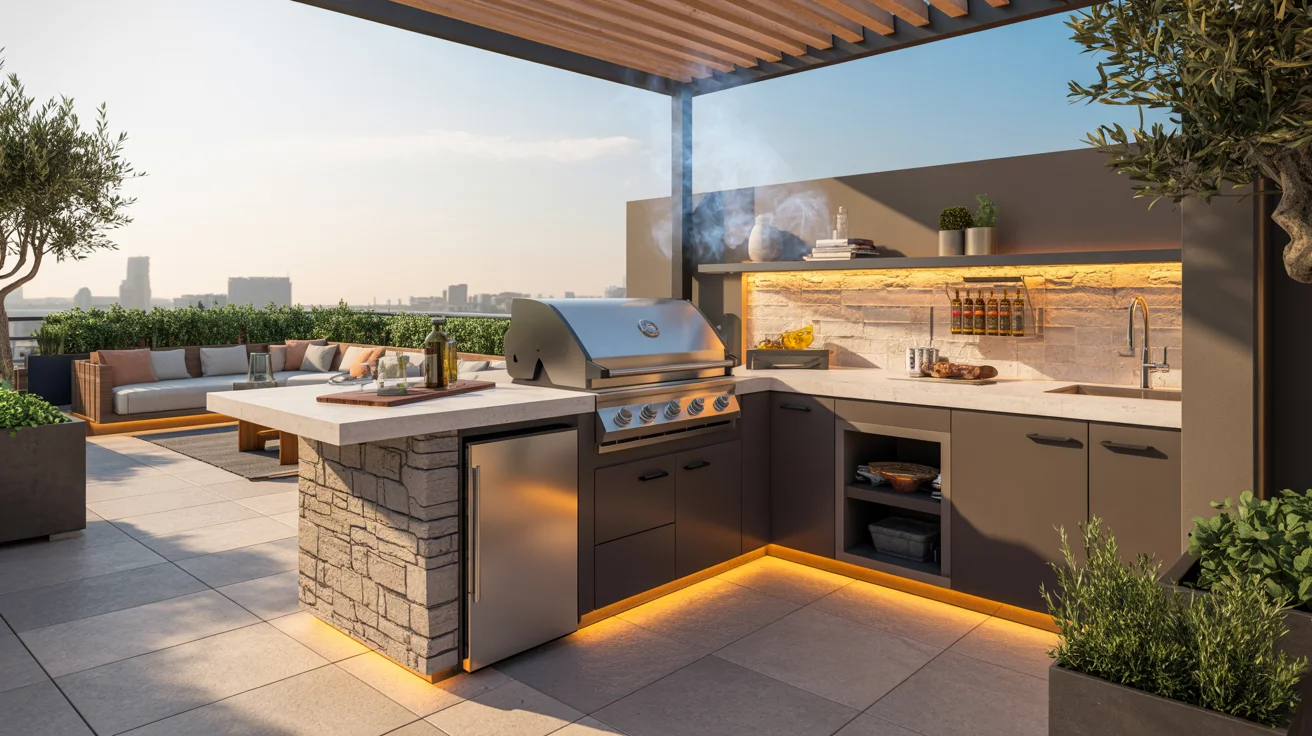
A good terrace grilling setup is not about fancy finishes. It is about smoke control, safe heat zones, and smooth movement. When those three work, you cook more often. You also stress less during weekends. The goal is simple: make your terrace feel like a real outdoor kitchen.
Know Your Limits Before You Pick a Grill
Terraces have rules that backyards do not. Neighbors sit closer, and wind shifts fast. Many buildings limit charcoal or open flames. Start by checking your building policy and local guidance. That step saves time and money.
Open, Covered, or Semi Covered Terrace
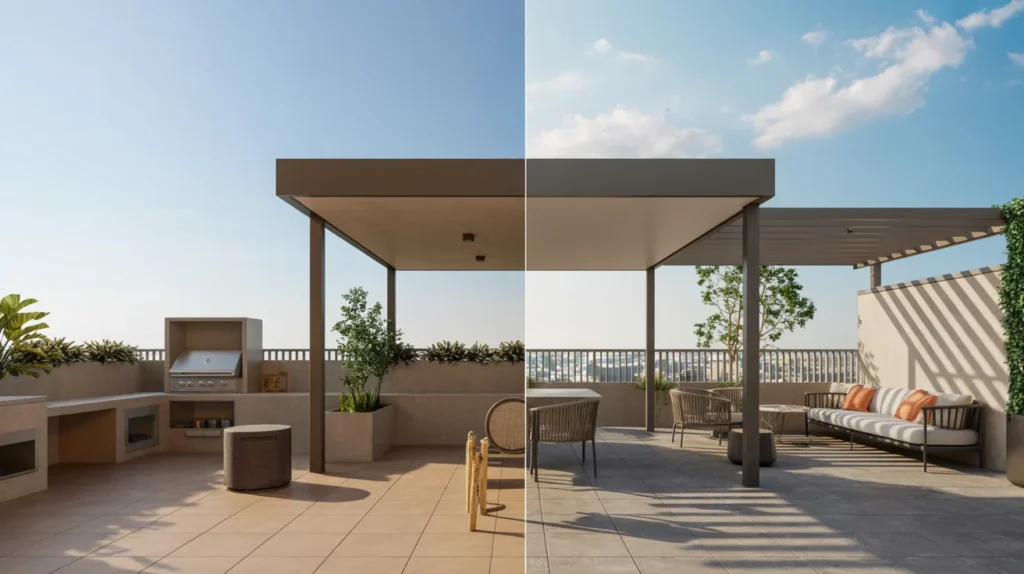
An open terrace clears smoke faster. A covered terrace can trap heat and grease near the ceiling. Semi covered spaces with side walls can behave like a room. If your space has a roof, plan airflow early. If it is open, plan wind direction instead.
Measure Your Real Working Space
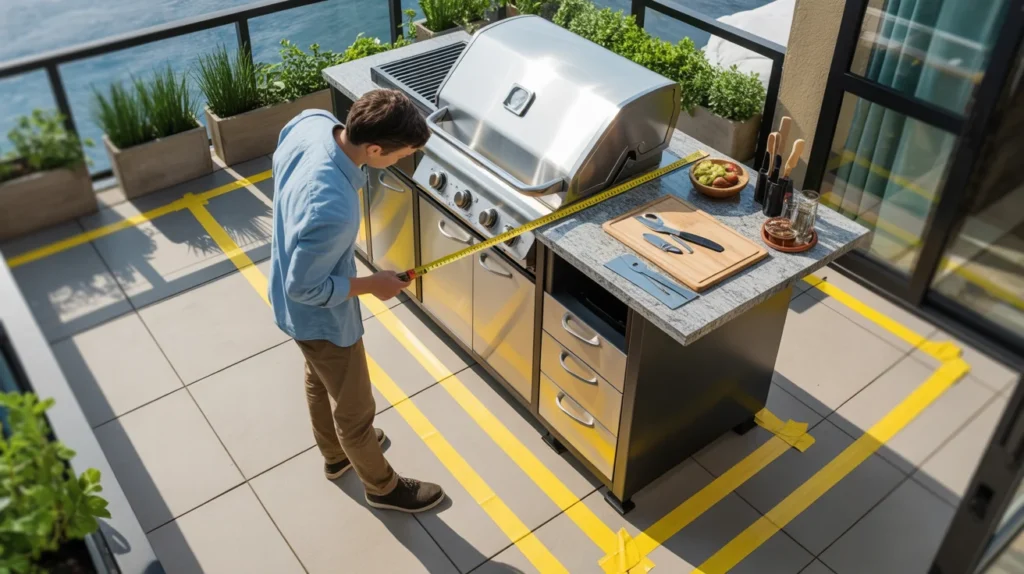
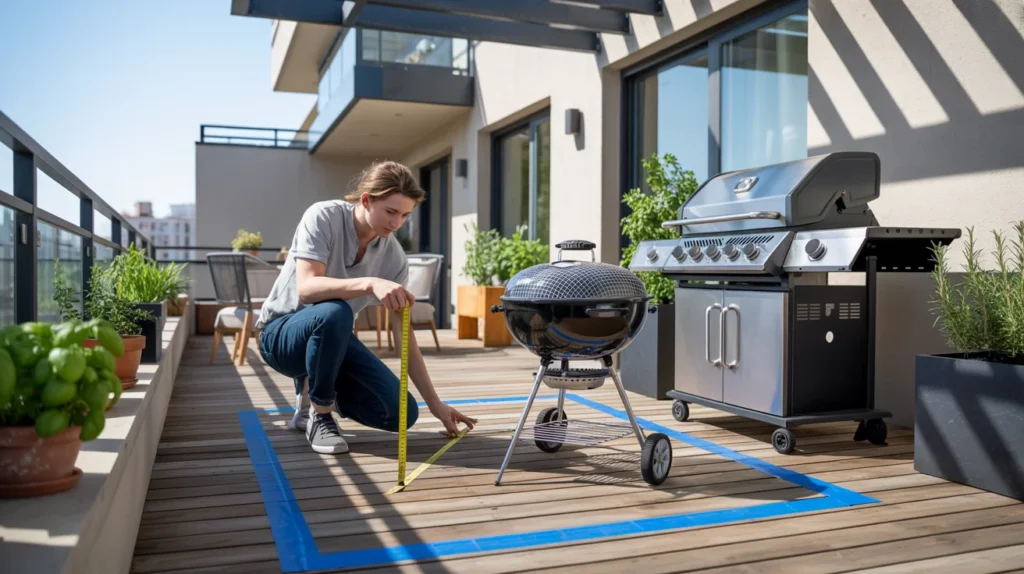
Measure the area where you will stand and turn. People forget the space needed for trays and plates. Leave room to step back from heat. Keep a clear path from grill to table. A roomy path makes cooking feel safer.
Plan Three Zones So the Space Feels Effortless
Most terrace layouts fail because everything sits in one tight cluster. Divide the space into zones, then place items around them. This makes the area feel larger. It also reduces accidents. Even small terraces work well with this approach.
Hot Zone
The hot zone includes the grill and the landing space beside it. Keep this zone free of cushions and decor. Heat and flare ups happen without warning. Place the grill on a heat safe base or mat. Avoid pushing it against railings or screens.
Prep Zone
The prep zone is where you season, slice, and plate. It needs a flat counter and bright light. A rolling cart works if built ins are not possible. Keep tools here, not on the grill shelf. That keeps your hands steady and your counter clean.
Serve and Sit Zone
This zone is for eating and conversation. Put it out of the smoke path whenever you can. Keep chairs away from the hot zone edge. Leave a walkway for people to pass behind the cook. That stops bumping and spilled plates.
Pick the Right Grill Type for Terrace Life
The best grill depends on rules, smoke tolerance, and daily habits. A great grill that you cannot use often becomes clutter. Choose the option that fits your building and routine. Then match the design to it. That is how terrace cooking stays consistent.
Electric Grill
Electric grills are usually the easiest for apartments. They create less smoke than charcoal and light quickly. They need a safe outdoor rated outlet nearby. Avoid running cords through doors and windows. If power access is tricky, use a licensed electrician.
Gas Grill
Gas grills cook fast and handle family meals well. Smoke still happens from dripping fat, so lid control matters. Use safe storage for cylinders and keep them upright. If you have a fixed gas line, hire a qualified installer. Leaks and loose fittings are not worth the risk.
Charcoal Grill
Charcoal gives deep flavor but brings higher smoke and sparks. Many buildings restrict it, even on open terraces. Ash can spread and stain floors. If charcoal is allowed, use a lidded unit with good airflow control. Keep a tight cleanup routine after each cook.
Built In Grill Station
Built ins look clean and feel permanent. They also require correct clearances and heat safe construction. For covered terraces, ventilation planning becomes a major step. Built ins work best when you own the place long term. Renters usually do better with modular pieces.
| Grill type | Smoke level | Best terrace size | Setup effort | Neighbor friendly |
| Electric | Low | Small | Low | High |
| Gas | Medium | Small to medium | Medium | Medium |
| Charcoal | High | Medium to large | Medium | Low |
| Built in | Varies | Medium to large | High | Medium |
Choose a Layout That Fits the Shape of Your Terrace
Layouts are about movement, not trends. A good layout keeps tools close and people out of your way. It also gives you landing space where you need it. Pick the simplest layout that matches your terrace width. Then build around it.
Galley Layout for Narrow Terraces
Place the grill on one side and prep on the other. Keep the middle walkway clear. This layout feels natural in tight spaces. It also keeps smoke away from the prep counter. Many roof decks and slim terraces suit this best.
L Shape Layout for Balanced Spaces
An L shape gives you a strong working corner. Put the grill on one run and prep on the other. Storage fits easily under the prep side. This layout keeps the serve zone separate. It is a smart middle ground for many homes.
Single Wall Layout for Very Small Terraces
A single run works when floor space is limited. Place the grill first, then landing space, then prep. Keep dining at a separate corner or use a foldable table. This setup looks neat and reduces clutter.
Island Layout for Social Cooking
An island can be great, but it needs space. It also needs clear walking paths on all sides. Wind can blow smoke into seating if placement is wrong. If your terrace gets gusty, islands can frustrate you.
Smoke and Ventilation: Fix This and Everything Feels Better
Smoke is the biggest reason terrace grilling becomes a complaint. The fix is part placement, part cooking habits, and sometimes equipment. Start with the easiest wins first. Small changes can cut smoke a lot. That helps neighbors and keeps your terrace usable.
Use Wind to Your Advantage
Watch wind direction at the usual cooking time. Place the grill so smoke moves away from doors and seating. Avoid corners that trap smoke against walls. If wind shifts often, keep the setup flexible. A rolling cart helps you adjust fast.
Control Drips and Flare Ups
Most heavy smoke comes from fat and sugary sauces. Trim thick fat edges and use drip trays. Add sauce near the end of cooking. Keep the lid down when flare ups start. These habits reduce smoke without changing your grill.
Covered Terraces Need Extra Care
Roofs and pergolas can trap heat and grease. If your grill sits under a ceiling, check the maker’s clearance guidance. Consider an outdoor rated hood if the area is enclosed. If a hood is not possible, an electric grill may fit better. Safety and comfort matter more than tradition.
Heat Safety That Protects Your Home
Heat damage happens quietly, then shows up as stains or warping. Terraces often have wood, plastic, and fabric close by. Build a clear hot zone and keep combustibles away. Use heat safe finishes near the grill. This is where smart design earns trust.
Clearances and Safe Surfaces
Keep distance from railings, screens, and furniture. Use non combustible surfaces near the grill when possible. Add a rated heat mat on wood decking. Avoid placing grills under low ceilings or hanging decor. When in doubt, increase clearance.
Fire Tools You Actually Need
Keep a small fire extinguisher nearby and easy to reach. Store fuel away from heat, not under the grill. Keep a metal bin for ash if charcoal is used. Make sure the path to the exit stays clear. These steps lower risk without changing the vibe.
Materials and Finishes That Stay Good in Sun and Grease
Terraces face sun, rain, and cooking splatter. The wrong materials stain fast and look tired. Choose finishes that wipe clean and handle heat. That saves time every week. It also keeps the area looking new longer.
Countertops and Work Surfaces
Stainless steel cleans quickly and handles weather well. Stone and concrete handle heat and feel solid. Porcelain surfaces resist stains and are easy to wipe. Avoid untreated wood right beside heat. If you love wood, keep it in the seating zone.
Flooring Around the Grill
Tile, stone, and concrete clean easily after cooking. Composite decking needs heat protection near the grill. Wood decking can work with a proper mat and careful placement. Grease stains are common, so plan for easy wipe down.
Lighting, Shade and Comfort That Make You Grill More Often
People stop grilling when the space feels annoying at night. Bad lighting leads to undercooked food and frustration. Harsh sun makes prep uncomfortable. Fix comfort and your terrace becomes a habit. That is the real win.
Task Lighting
Add bright light over the grill and prep areas. One focused fixture can change everything. Avoid glare that blocks your view of the grate. If wiring is hard, start with outdoor rated plug in lighting. Keep cords tidy and protected.
Shade Without Smoke Traps
Shade helps, but it can trap smoke if the space is tight. Keep airflow open on at least one side. Avoid fabric curtains near heat. If you use a canopy, place the grill closer to the terrace edge. That improves smoke flow.
Storage That Keeps the Terrace Calm
Clutter is the enemy of small terraces. Tools end up everywhere and surfaces get messy. A few smart storage choices fix this fast. Keep items near the zone where they are used. That keeps your movement smooth.
- Wall hooks for tongs, brushes, and gloves
- A slim rolling cart for prep and serving
- Sealed bins for charcoal or pellets, if allowed
- A weather safe box for cushions and textiles
Common Problems and Fixes That Work in Real Life
Terrace grilling comes with repeat problems. Solve them once, then enjoy the space. The best fixes are often simple. Focus on smoke, space, and cleanup. Those three drive most complaints.
Smoke Drifts to Neighbors
Cook with the lid down more often. Use drip trays and avoid heavy flare ups. Grill when wind is calmer, if possible. If conflicts continue, switch to electric for day to day use. Save charcoal for places where it is welcome.
The Terrace Feels Too Small
Use a single wall or galley layout. Add a folding table or a slim cart. Store tools vertically to clear counters. Keep only what you use weekly. Extra gadgets turn into stress.
Grease Stains and Smells Linger
Choose wipe clean surfaces near the grill. Clean while the grill is warm, not hours later. Use a cover after the grill cools. Keep trash sealed and moved out quickly.
Wind Makes Cooking Hard
Use a heat safe wind screen, not a fabric barrier. Avoid blocking airflow around the grill body. Place seating out of the gust path. If wind is constant, pick a grill with good lid control.
A Simple Build Plan You Can Follow
Start small and build as you learn what you use. That prevents wasted money. It also keeps your terrace flexible. A smart first setup can still look premium. Add upgrades only after a few weeks of cooking.
Starter Setup
Choose a grill that fits your rules. Add a heat safe mat and a rolling prep cart. Add task lighting and a basic tool set. Keep seating simple and movable. This setup already feels complete.
Mid Upgrade
Add fixed counter space and better storage. Improve lighting and shade. Add a small serving ledge or bar top. Add a cover that fits well. These upgrades boost comfort and cleanliness.
Final Words
Add a built in station only if you love the layout. For covered terraces, plan ventilation and clearances early. Add a sink if plumbing makes sense. Use durable materials for counters and cabinets. Hire qualified pros for gas and electrical work.