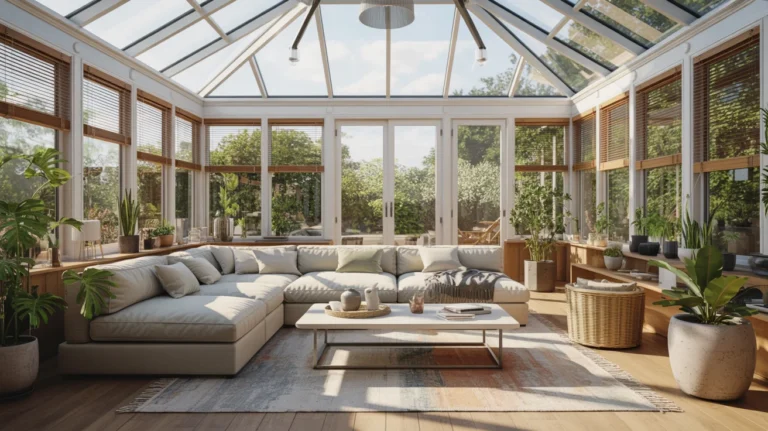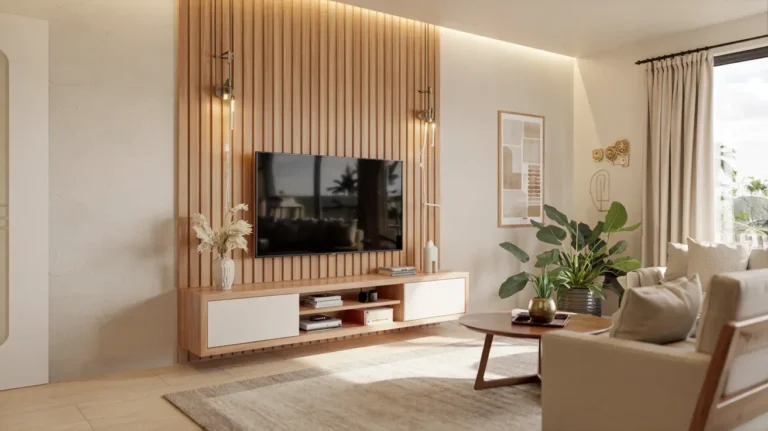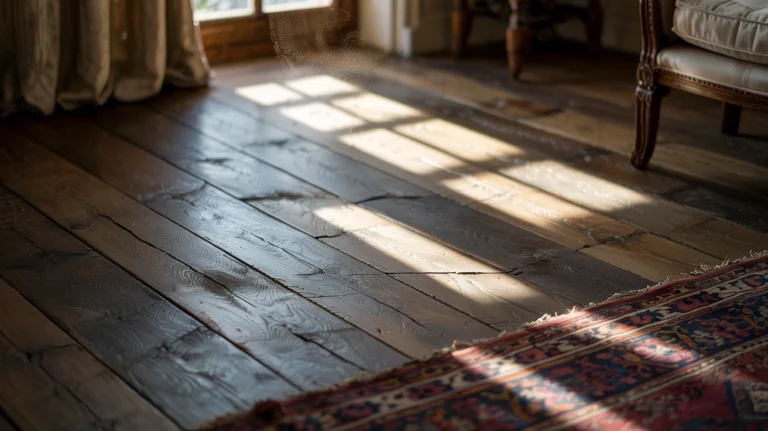

Seaside cottage style should feel calm, not staged. It is light, cozy, and a little imperfect. The best rooms look collected over time. They also work on normal, messy days. This look is not about beach props. It is about color, texture, and comfort.
Seaside cottage decor is a mood, not a theme
Think fresh air, soft light, and rooms that breathe. That feeling comes from simple choices you repeat. Skip loud anchors, rope nets, and novelty signs. Those items date fast and feel like a costume. Instead, use subtle coastal hints in materials. When something feels like a souvenir, edit it out.
Start with a light, warm palette
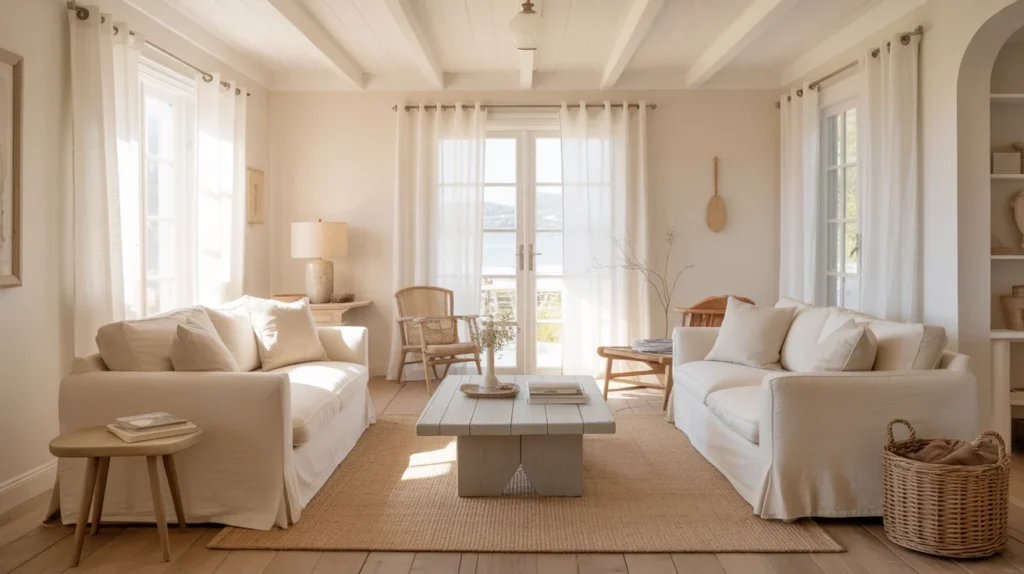
Begin with warm white walls, not sharp bright white. Add sandy beige and driftwood gray for quiet depth. Bring soft blue or sea glass green through fabric. Use navy as a small accent, not a main color. Muted tones look more natural than bold turquoise. If a color shouts, it will tire you later.
Use natural textures that feel sun worn
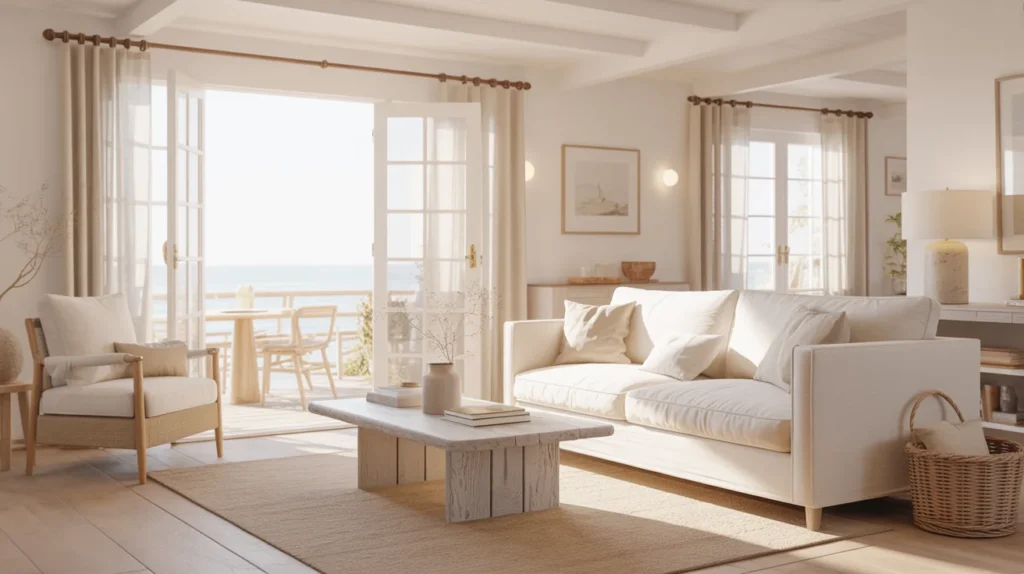
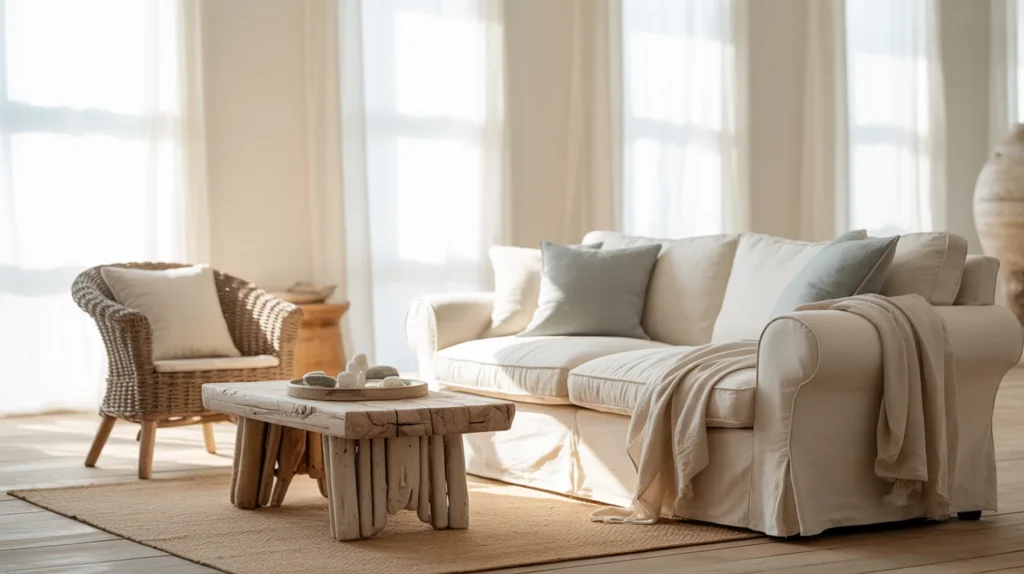
Texture is what makes this style feel lived in. Weathered wood adds warmth without looking heavy. Rattan, wicker, and cane bring a breezy layer. Jute and seagrass rugs ground the room with softness. Linen and cotton keep seating relaxed and washable. Mix smooth and rough finishes so the space has life.
Add cottage character to walls and trim
Simple paneling can change a plain room fast. Beadboard and wainscoting feel classic and calm. Shiplap can work, but keep it minimal and soft. Paint trim the same warm white as the walls. That trick adds depth without busy contrast. If ceilings are low, avoid heavy dark woodwork.
Choose furniture that invites real life
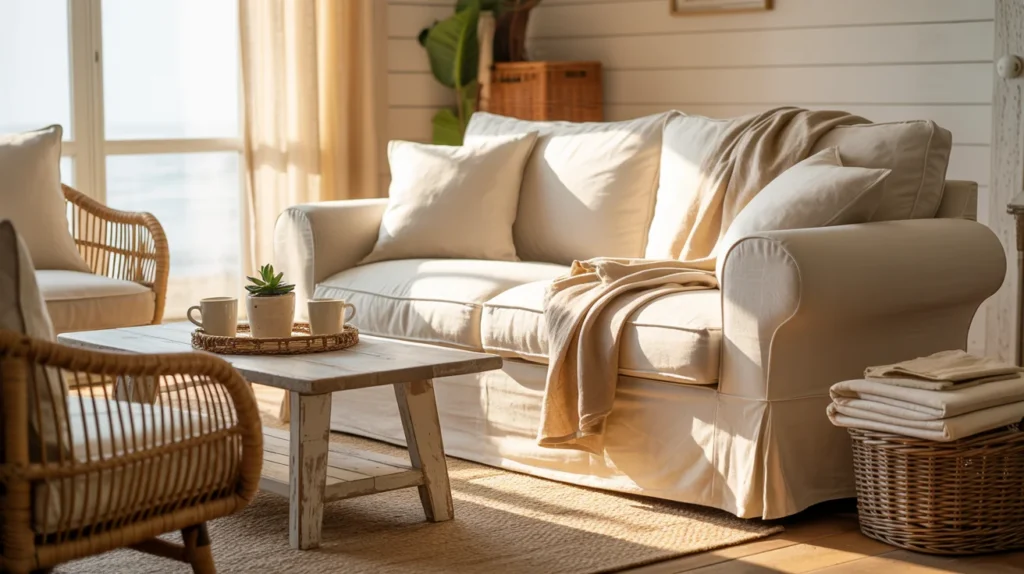
Pick pieces that feel easy, not precious. Slipcovered sofas suit sandy feet and spilled tea. Look for simple shapes and comfortable seat depth. A vintage side table adds charm and breaks sameness. Avoid matching sets that make the room look staged. One sturdy wood piece can anchor the whole space.
Make textiles do the cozy work
Light curtains keep the room bright and soft. Sheer layers still give privacy when lined well. Add cotton cushions and one linen throw for comfort. Use stripes in small doses for a coastal nod. Blue and white prints also work when kept simple. Too many patterns can make a cottage feel cluttered.
Pick coastal accents with restraint
Choose a few accents that look collected, not bought. A bowl of shells works if it feels natural and small. Sea glass tones look calmer than shiny decor pieces. Driftwood and rope details add texture in tiny spots. Art should feel airy, like landscapes or soft abstracts. One strong piece beats ten little trinkets every time.
Make small spaces feel airy
Small cottages need breathing room, not extra stuff. Use light colors and keep furniture off the floor when possible. A large rug can make a room feel bigger and calmer. Mirrors help when they reflect windows, not clutter. Choose closed storage so surfaces stay clear. If a corner feels tight, remove one item first.
Renters can still get the look
You can change the mood without changing the walls. Start with curtains, rugs, pillows, and lamps. Swap harsh bulbs for warm light that flatters wood. Use removable hooks for art and baskets. A slipcovered sofa or chair changes the room fast. Keep changes portable so you can take them later.
Keep it practical in humid, salty air
Humidity can make fabrics smell and metals rust. Choose washable covers and breathable natural fibers. Wipe surfaces often and keep airflow moving. A small dehumidifier helps in damp bedrooms. Avoid untreated metal near open windows by the sea. Rotate rugs and vacuum often so fibers stay fresh.
Common mistakes and quick fixes
If the room feels themed, remove novelty decor first. If it feels cold, warm up the white and add wood. If it feels flat, add one woven piece and one soft textile. If it feels messy, build a storage spot near the entry. If it feels dark, lighten curtains and add a mirror. Small edits beat big shopping trips.
Room recipes that make decisions easy
Room by room choices keep the look consistent. Each recipe uses a warm base and layered texture. Start simple, then add one standout detail. This keeps the space calm and not overdone. Personal items matter more than trendy objects. Let the room evolve as you live there.
Living room recipe: light, texture, and comfort
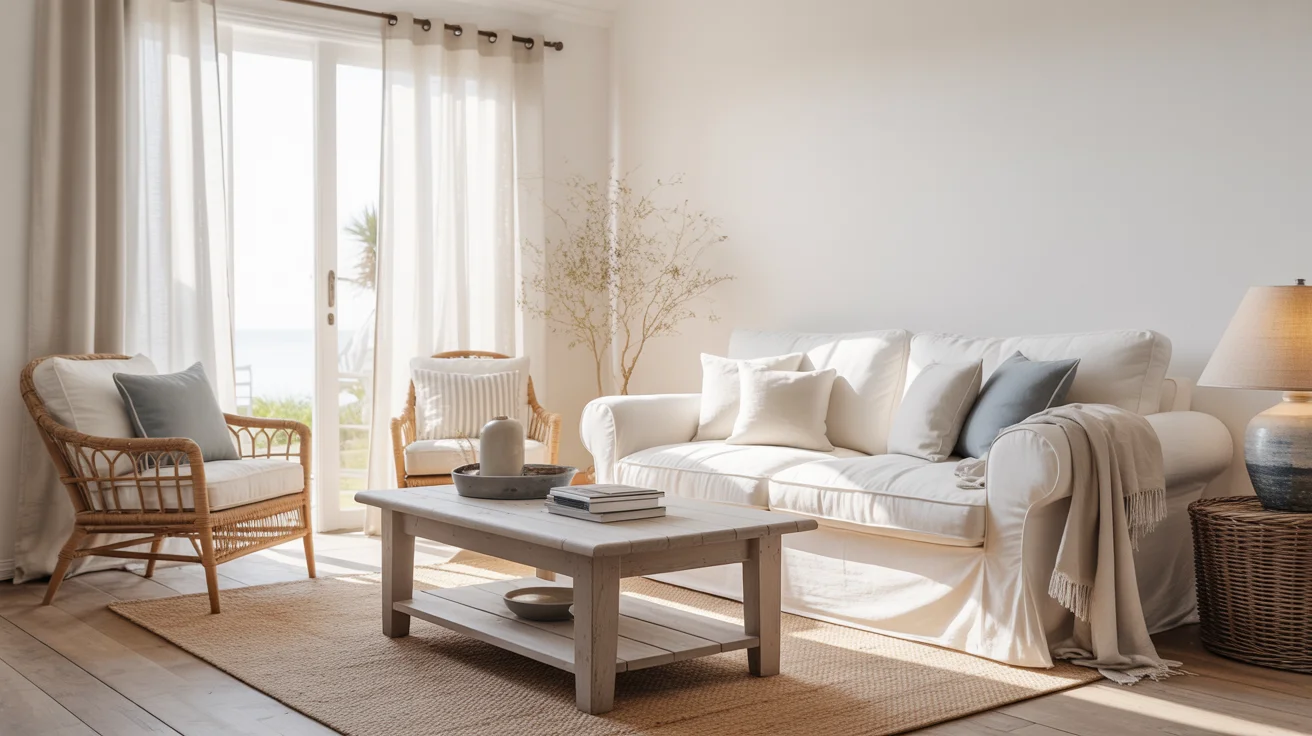
Start with warm white walls and a slipcovered sofa. Add a jute rug to ground the seating area. Bring in weathered wood through a coffee table or console. Use two pillows in soft blue, plus one neutral cushion. Hang art with calm coastal colors, not loud slogans. Finish with a basket to hide throws and daily clutter.
Bedroom recipe: calm color and breathable bedding
Keep walls warm white or a pale, dusty blue. Choose cotton sheets and a linen duvet cover. Add one striped pillow or a small blue print. Use light wood nightstands for a cottage feel. Swap heavy drapes for airy curtains with lining. Keep surfaces simple so the room stays restful.
Kitchen and dining recipe: clean and collected
Let the kitchen feel bright but not sterile. Use warm whites and simple hardware on cabinets. Add rattan stools or a woven pendant for texture. A muted runner rug softens the floor and adds comfort. If you use open shelves, keep them sparse and neat. One ceramic bowl on the counter is enough charm.
Bathroom recipe: fresh, simple, and easy to clean
Choose warm white paint and light tile where possible. Use cotton towels in white, sand, or pale blue. Add a basket for towels and extra toilet paper. Pick finishes that resist water spots and fingerprints. Good ventilation matters more than fancy decor. Keep counters clear so the room feels like a retreat.
Entry recipe: stop clutter at the door
A small entry zone prevents mess from spreading. Add hooks for bags and jackets at easy height. Use a bench with storage for shoes underneath. Place one basket for grab and go items. Hang a mirror to bounce light and open the space. A durable mat keeps sand and dirt in one place.
Porch and patio recipe: the fastest cottage win
Outdoor corners sell the seaside mood quickly. Start with seating you will actually use daily. Add cushions in soft blue or sandy neutrals. String lights create warm glow on ordinary evenings. A woven outdoor rug makes the area feel finished. If nights are cool, a small fire bowl adds comfort.
FAQ about seaside cottage decor
These answers cover the questions readers ask most. Keep your choices simple and repeat what works. Color and texture do the heavy lifting here. Avoid novelty items and you will not regret it. Think comfort first, then add small coastal hints. When unsure, edit down instead of adding more.
What colors work best for this look
Warm whites, sandy neutrals, and soft blues work best. Sea glass green can add calm without feeling loud. Use navy in tiny touches for contrast and depth. Keep tones muted so rooms feel relaxed and bright. Repeat the same palette across rooms for flow. If a color feels sharp, soften it with warm light.
How do I avoid cheesy beach decor
Skip big signs and obvious nautical props. Choose natural texture like rattan, linen, and weathered wood. Use one coastal accent, then stop and step back. Pick art that feels airy instead of novelty prints. Let the palette suggest the coast, not the objects. A room that breathes always feels more expensive.
Can I do this style far from the ocean
Yes, because it is a mood, not a zip code. Light colors and breathable fabrics create the feeling anywhere. Use texture like jute rugs and woven baskets for warmth. Avoid piles of shells and rope decor in inland homes. Add a hint of blue and keep the rest neutral. The calm, cozy vibe is what people notice first.
What fabrics and rugs hold up best
Cotton and linen feel right and wash well. Slipcovers help when kids, pets, or guests visit often. Jute and seagrass rugs look great but need regular vacuuming. In damp areas, choose rugs that dry fast and resist mildew. Avoid heavy velvet in humid rooms because it holds moisture. Good airflow keeps fabrics fresh for longer.