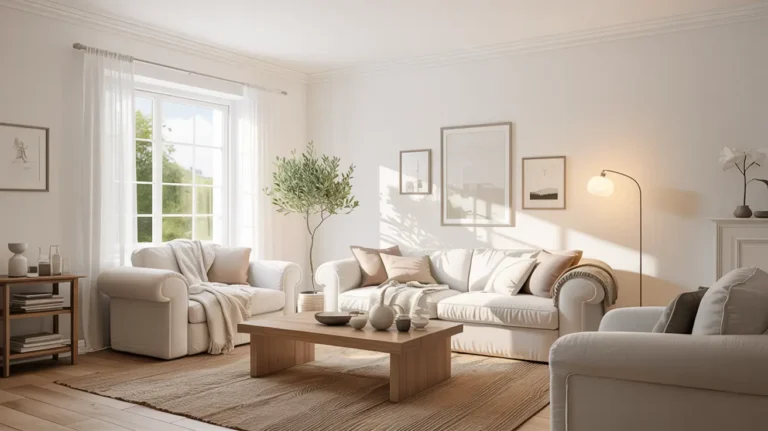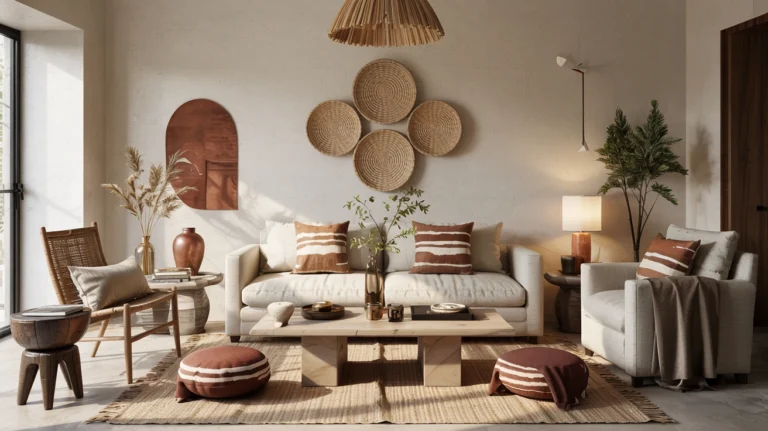

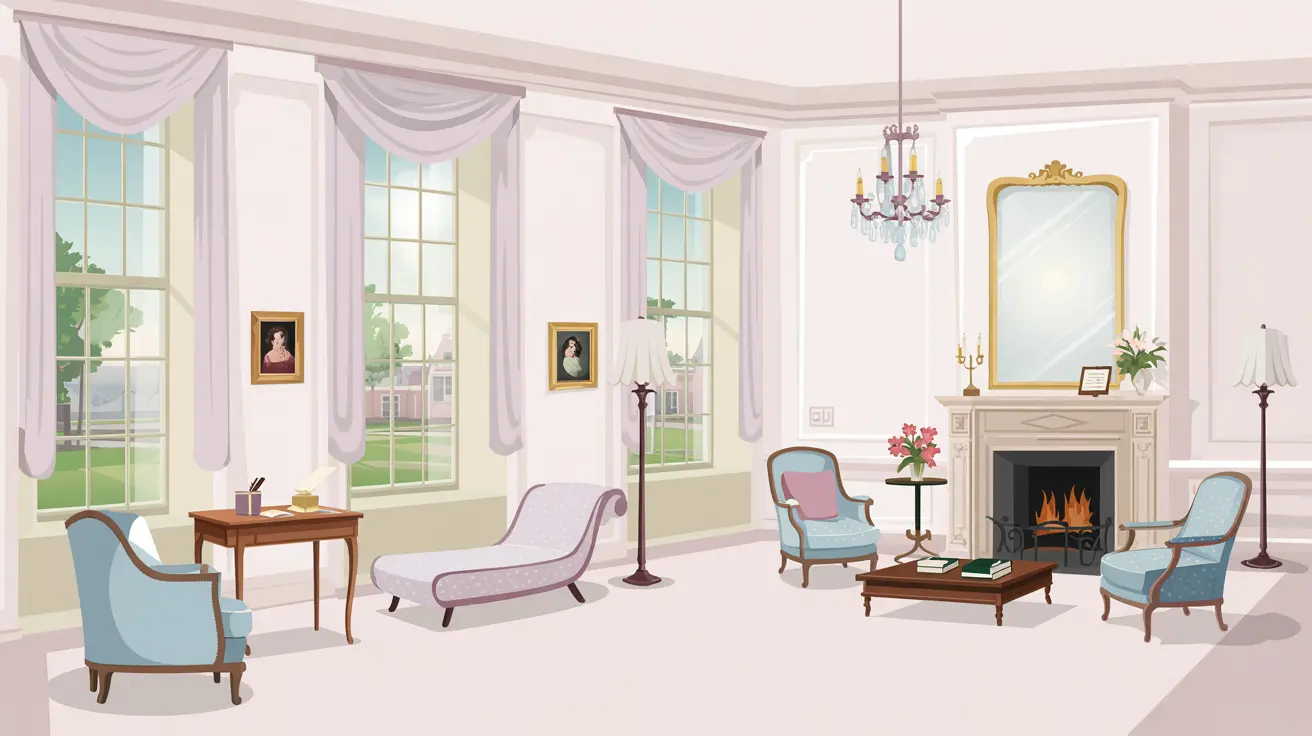
Many people fall in love with the grace they see in period dramas. Rooms feel light, refined and balanced. Nothing looks plain, yet nothing feels stuffed. That mood comes from a real historic style often called Regency interior design. It grew alongside Regency architecture in early nineteenth century Britain and refined the neoclassical ideas of the Georgian period.
This style can work in modern homes too. You do not need a mansion, a ballroom or a huge budget. You only need to understand the key principles and apply them in a smart, edited way.
What This Style Really Means
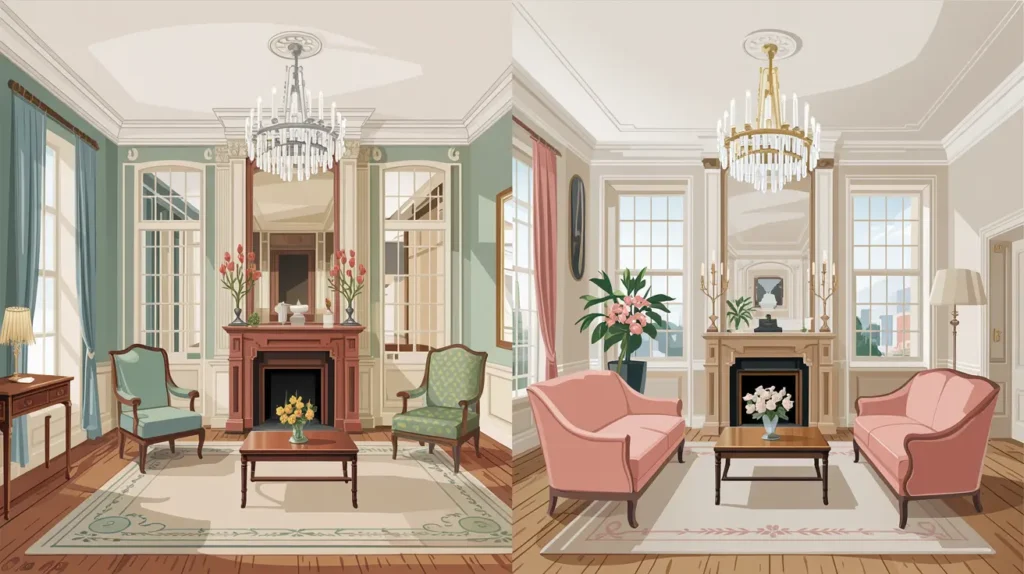
At its core, this style values elegance, proportion and light. Rooms are calm and ordered, not heavy or overdone. Designers describe it as a refined branch of neoclassicism, with symmetry, clear geometry and controlled ornament.
Furniture has clean lines with gentle curves. Surfaces stay fairly flat, not deeply carved. Classical symbols such as lyres, laurel wreaths, rosettes and lion paws appear as quiet details, not shouting features.
Colour supports this feeling. Walls and ceilings often sit in light creams, soft blues, pale greens or gentle greys. Rich jewel tones arrive in smaller doses through fabrics, art or small pieces of furniture. Suzie Anderson and other contemporary stylists describe Regency palettes as expressive but always balanced.
Historic Roots and Guiding Principles
The British Regency period ran in the early eighteen hundreds. It followed late Georgian taste and overlapped with French Empire style. Architects and furniture makers drew from Greek, Roman and Egyptian sources and turned them into lighter, more refined rooms.
Buildings from this era often show white stucco fronts, tall sash windows and strict symmetry. Interiors continued this balance. Main rooms centred on fireplaces, doors or tall windows. Furniture, lights and art mirrored each other around these points.
Three principles help you recognise the style. The first is symmetry. The second is a light filled, airy envelope. The third is controlled richness, where good materials and fine detail appear, but in an edited, thoughtful way.
Architecture, Ceilings and Windows as a Starting Point
Regency homes often had high ceilings and tall, narrow sash windows. These brought generous daylight deep into rooms and gave walls space for mouldings and art. Many townhouses also gained decorative cornices, ceiling roses and simple wall panels during this period.
In a modern home, you may not have these details. You can still suggest the look. Simple wall panelling with slender frames can create order on a flat wall. A neat cornice or slim ceiling moulding helps the room feel more finished. Align furniture around a central feature such as a window, fireplace or mirror to echo the old enfilade alignments.
Windows matter too. Long curtains that fall from near the ceiling to the floor support the vertical lines seen in period examples. Light fabrics in plain or soft stripes keep the room bright and elegant.
Colour, Materials and Surfaces
Colour is one of the easiest ways to bring this style into a home. Historic sources describe light, muted palettes with creams, whites, pastels and gentle greys as the base. Jewel tones like emerald, sapphire and ruby appear as rich accents rather than full room coverage.
You can paint walls in a soft neutral or a pale blue, then use deeper colour on a pair of chairs, cushions or a small table. This pattern keeps the room calm but far from bland.
Materials carry a lot of weight. Traditional rooms used polished woods such as mahogany and rosewood, stone or marble for fireplaces and tables, and metal in gilded or brass accents.
In a modern setting you might not use rare veneers, but you can still choose timber pieces with a fine grain, metal hardware with a warm brass finish and a few stone or stone look surfaces. The mix should feel refined rather than rustic.
Furniture Shapes and Classical Motifs
Furniture from the Regency period tends to look slim and balanced. Chairs often show sabre legs that sweep slightly out, scroll arms and gently curved backs. Tables sit on turned or carved pedestal bases and often feel narrow rather than heavy.
Classical motifs appear in measured doses. Greek key borders, laurel wreaths, lyres, rosettes and animal inspired feet show up on furniture, mirrors and small decor. These symbols link the room back to the classical sources that shaped the style.
When you select modern pieces, focus on shape first. A simple sofa with a slightly curved back and clear legs can sit well beside a vintage style side chair. Avoid very bulky, low forms that feel more like a different era.
Lighting, Mirrors and Decorative Layers
Light was central to historic rooms. Chandeliers, wall sconces and table lights reflected in tall mirrors to amplify candlelight. Today, electric fittings replace candles, but the idea remains the same. A central hanging light, supported by paired wall lights and table lamps, can wash the room in soft, layered light.
Mirrors are almost a signature. Large gilded frames above fireplaces or consoles double both light and space. In a small home, one well placed mirror can stand in for several ornate pieces. Choose a classical frame with restrained ornament rather than a very busy design.
Textiles add depth. Regency inspired rooms often use silk, velvet, damask and fine cottons with stripes, small florals or chinoiserie scenes. In a modern home with pets or children, you can use durable fabrics with prints that echo these patterns. The goal is a sense of softness and comfort, not a fragile museum.
Regencycore and the Bridgerton Influence
Regencycore is a newer term that grew from the success of a popular period series. It describes a romantic, embellished look that borrows from the Regency era but turns up the drama. Articles on this trend talk about tea sets, layered ruffles, floral wallpapers and many decorative touches, all wrapped in pastels and gold.
This approach is fun and theatrical, but it can be too strong in real homes. True historical rooms were often more edited and balanced than some screen sets. If you enjoy Regencycore, you can still soften it. Keep the structure of the room calm, add a pastel wall, a graceful bed or sofa, and then layer in a few romantic details rather than dozens.
Think of Regencycore as a mood, not a set of props. Focus on elegance, symmetry and a sense of occasion instead of copying every detail you see online.
Regency, Hollywood Regency and Other “Regency” Labels
It is easy to confuse different styles that share the same word. Hollywood Regency is not the same as the original British Regency style. It grew in twentieth century California and embraces strong contrast, lacquer, mirrors, animal prints and high gloss glamour. It is bold, flashy and deliberately maximal.
The earlier style we are exploring is gentler and more rooted in neoclassicism. It uses colour with care and keeps detail balanced. It can share some love of mirrors and metal, but it does not chase extremes.
Many homes also carry a more general “traditional” look. These spaces may mix Victorian, Georgian and other historic cues with no clear focus. Bringing in a cleaner Regency influence usually means simplifying, lightening colours and editing excess pieces so the bones of the room can breathe.
Creating a Regency Inspired Living Room
A sitting room is often the best place to begin. Start by choosing a focal point. This could be a fireplace, a tall window or a central wall where you will place a mirror. Arrange main seating so it faces this point and feels balanced from both sides.
Paint walls in a soft tone that suits the room’s light. Add a rug with a simple border or a gentle classical pattern. Choose a sofa with graceful proportions and a pair of lighter chairs. Place a slim console or table along one wall, perhaps under a mirror or artwork.
Then layer smaller pieces. Add cushions in a mix of plains and stripes or florals. Bring in a few brass or gilded accents through a lamp, frame or small object. Make sure there is space between items so the eye can rest.
Adapting the Style for Bedrooms and Small Apartments
In a bedroom, the bed becomes the main feature. A tall upholstered headboard, a simple canopy or a softly draped rail can give the right sense of romance. Keep bedside tables light and add classic lamps with fabric shades. Soft wall colours, layered linen and one mirror or piece of art finish the picture.
Small apartments can still use this style. The key is restraint. Choose one or two strong gestures rather than many small ones. This might be a paneled feature wall and a gilded mirror, or a graceful chair and a chandelier. Keep furniture slim and avoid heavy brown pieces that devour space.
Rental homes may not allow major changes. Here, removable panel strips, paint, textiles and portable lights do most of the work. A good rug, elegant curtains and a few structured accessories can shift the mood without touching the architecture.
Common Mistakes and How to Avoid Them
One common error is turning the room into a theme set. When every object shouts “period,” the space can feel fake and tiring. Instead, layer only a handful of clear references and keep the rest simple.
Another mistake is using very dark, strong colours on every wall. While some historic rooms used bold tones, much current guidance on Regency style shows lighter shells with deeper accents. Heavy schemes can lose the airy quality that defines the look.
People also often mix many eras. They might place very ornate Victorian pieces, rustic country items and sleek modern shapes together with no plan. Simplifying down to a clearer set of references helps. Choose either this neoclassical language or something else as your base, then add only a few contrasting pieces.
Finally, scale matters. Very large sofas and coffee tables will fight with the light, refined nature of this style. Oversized art can crush delicate mouldings or windows. Balanced proportions create the calm elegance you are looking for.
Bringing Regency Grace into Your Home
This style is not about recreating a palace. It is about taking ideas that worked two centuries ago and translating them for life now. You choose light, balanced rooms, thoughtful symmetry and a few classical details that make your home feel composed and welcoming.
Even one room handled in this way can change how your whole home feels. Start small, learn the language of the style and add layers slowly. Over time you can build spaces that carry the romance of the period while still working perfectly for modern daily life.