
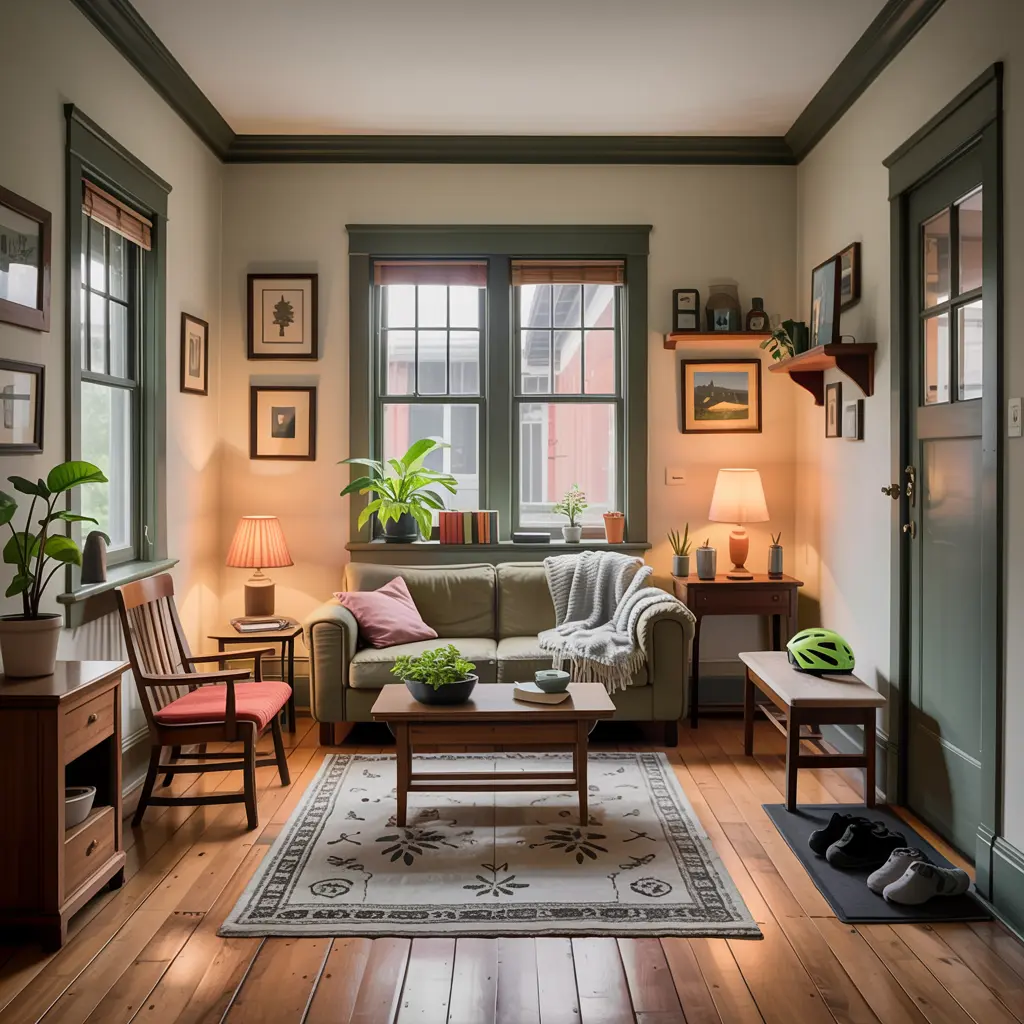
Most people in Portland do not live in show homes. Coats stack near doors. Bikes lean where they fit. Pets track in rain and mud. A good room here has to handle all of that and still feel calm at the end of the day.
Life Inside A Portland Home
You see many kinds of places across the city. Small bungalows. Plain cottages. Mid century houses. Townhomes and tight condos. Most of them share the same story. Little more stuff than storage. Long wet seasons. Not enough light.
Good design in this city starts with daily routine, not with a picture online. When you wake. Where you drink coffee. Where bags land after school or work. How often you cook. How often friends visit. Once that is clear, decisions about layout, color, storage and furniture become much easier.
Different Homes Need Different Plans
Older Houses With Good Bones
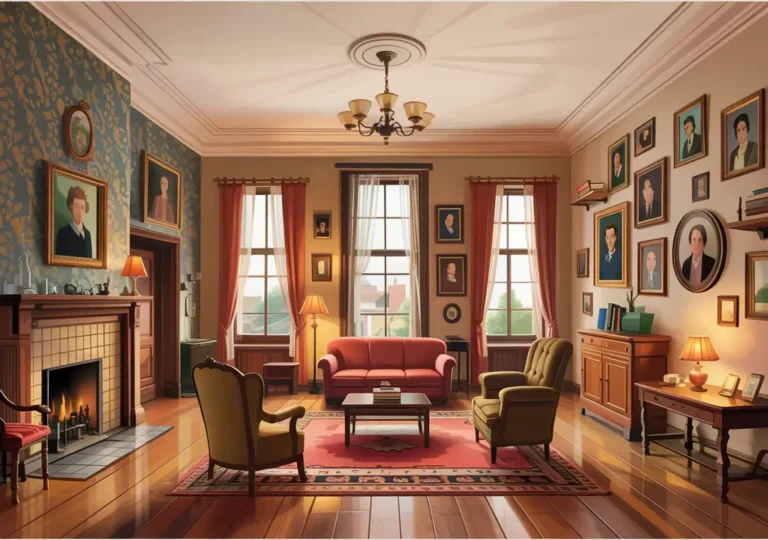
Many streets hold early houses with narrow halls and small bedrooms. They often have solid trim, wood floors and built in units. These details make the house special, so the plan should keep them.
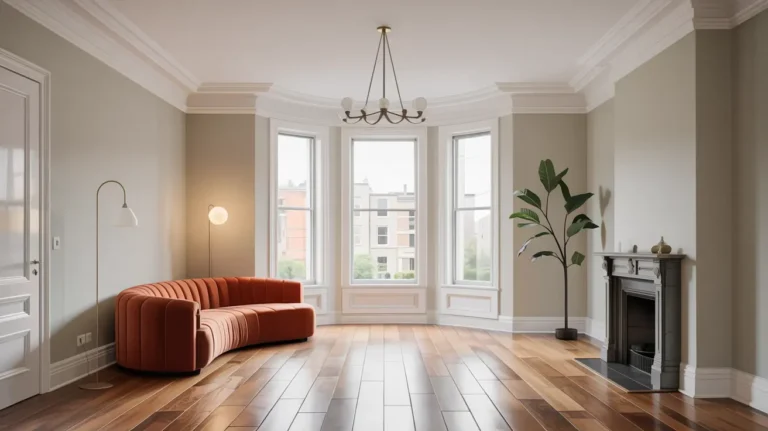
Slim sofas and chairs fit better than huge sectionals. Shallow cabinets and shelves slide into odd corners. Softer wall colors show the old wood instead of hiding it. A mix of floor lamps, table lamps and small ceiling lights keeps rooms bright even when clouds sit low.
Condos And Lofts
Condos and lofts usually give you one main space with tall windows and hard surfaces. They look open at first and then start to echo. It can feel like living in a box.
Rugs and curtains soften the sound. Bookcases and upholstered chairs break long walls into smaller areas. A simple color story keeps the space calm. Storage has to grow upward with tall shelving and cabinets. Benches and coffee tables that hide things inside earn their place.
Suburban Houses And Backyard Units
Houses in nearby suburbs often have more square footage. They can still feel confusing. The front door may open straight into a large area with kitchen, dining and family zone all together.
A better plan gives that space a clear path from entry to seating. Storage by the door catches shoes and bags. Seating groups gather near light and away from main paths.
Backyard units and small guest houses need careful planning. A compact kitchen. A sofa that turns into a bed. Tall skinny storage instead of deep bulky pieces. Quiet color so the space feels generous, not cramped.
When Rooms Feel Dark Or Crowded
Low Light All Winter
Many Portland homes feel gloomy for months. Trees and close houses block daylight. Older windows are small. One bright ceiling light is not enough and often feels harsh.
Start with three kinds of light. General light on the ceiling. Soft wall lights to lift dark corners. Table or floor lamps near seats. Use warm white bulbs, not blue ones. Choose wall colors that are light but still warm. Pale rugs bounce light back up. Glass doors or interior windows let light spill from bright rooms into darker halls.
Clutter That Never Ends
Closets in many houses are short and narrow. Hallways stay tight. Things fall out of cupboards. Piles grow on chairs and tables. After a while the house never feels tidy.
Begin with a simple sort. Keep what you use. Donate what just sits. Then pick furniture that hides storage. Beds with drawers. Storage stools. Benches with lids. Tables with shelves under the top.
Built in units help a lot in small homes. Shelves around a fireplace. Cabinets by the door. Drawers under stairs. When every person has a clear spot for shoes, bags and daily gear the whole house feels calmer.
Work Family And Hobbies In One Space
Many people now work from home. Kids do homework at the table. Someone paints or plays guitar in the same room. It feels like everything fights for the same flat surface.
You do not need a huge house to fix this. You need zones. A small desk near a window for focused work. A reading chair with a lamp for quiet time. A craft or toy area that closes into cabinets or big baskets.
Light screens or tall bookcases can divide space when needed. Good storage for cords, laptops and papers lets you close the work day at night. The same room then feels like home again.
Greener Choices On A Normal Budget
Many people here care about health and the planet. They still worry that greener options always cost more. So they wait and live with old carpet and strong paint smells.
Think in steps, not in one huge leap. First change what touches air and skin. Use low VOC paints. Pick cotton or linen for bedding and curtains. Switch to efficient bulbs. Later, during a bigger project, look at better insulation, new windows or reclaimed wood floors.
Buying fewer pieces but better ones also helps. Solid wood tables last longer than flimsy ones. Local makers and vintage shops often give more character with less waste.
Color And Texture That Suit The City
Homes here sit under clouds many days of the year. Very bright white walls can feel cold in that light. Warm off white, soft taupe and gentle green usually work better.
Deep colors still have a place. Forest green cabinets. A rust sofa. A dark blue wall behind a bed. Use them in smaller doses so the room stays open.
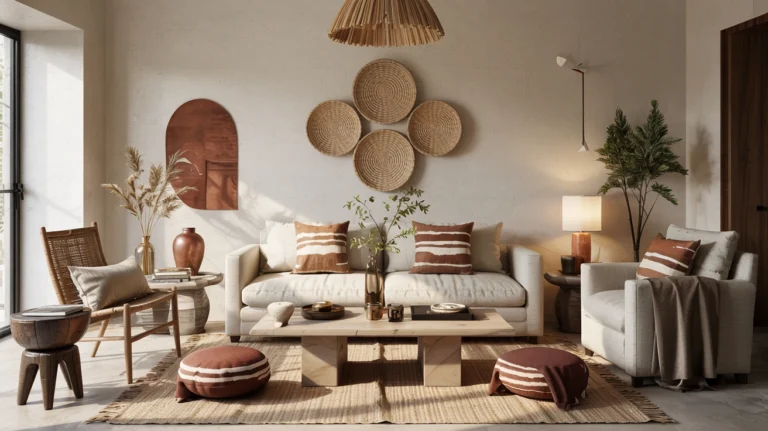
Texture matters as much as color. Wool rugs, linen curtains and rough wood tables make simple rooms feel rich. Smooth tile next to matte paint and woven baskets gives the eye something to explore without feeling busy. A few real plants, a stack of books and a bowl from a local maker add quiet story.
Room By Room Ideas
Living Rooms That Carry The Day
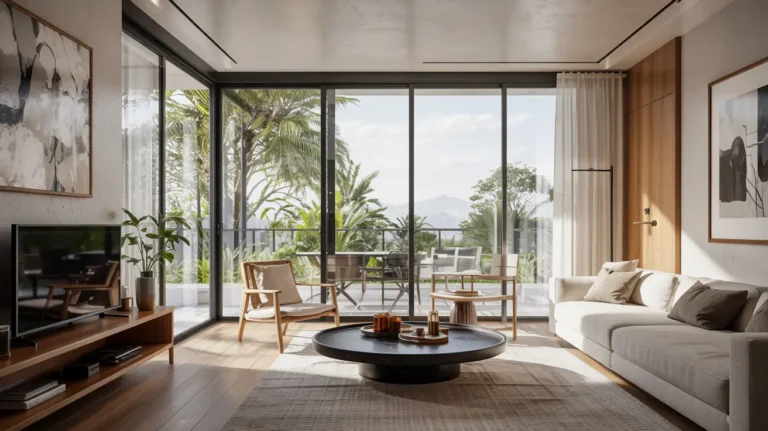
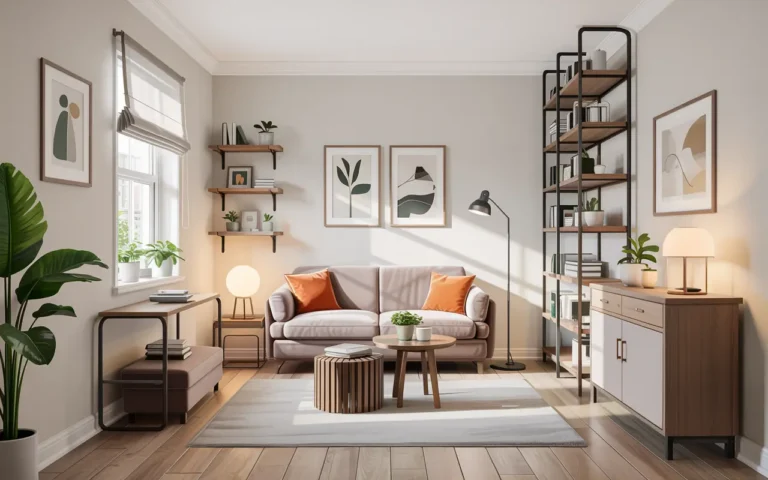
The main living space often does the work of three rooms. Morning coffee. Laptop work. Play time. Guests. That is a lot of pressure.
Start by protecting a clear walkway from door to seating. Do not block that line. Then choose a sofa, chairs and tables that leave space to move. Add small tables near every seat so cups and books have a place.
Use closed storage for toys, blankets and devices. Baskets and low cabinets work well. Hang art and photos that match your own memories and local views. The room should tell your story, not copy a catalog.
Kitchens And Eating Spaces
Old kitchens in the city can feel cramped and dark. New ones can feel bright but empty and echo filled. Both need clear work areas and better light.
Place task lights over counters and sinks. Keep cabinet colors calm so they do not tire your eyes. Use hardware that feels solid in the hand.
Open shelves or glass doors near windows stop upper walls feeling heavy. Keep these spots for daily dishes and glasses. Save tricky decor for places that do not need constant cleaning.
Eating corners feel better when three things match. Chair comfort. Table size. Light height. A pendant that hangs a little low over the table makes meals feel like an event even on weeknights.
Bedrooms And Small Apartments
Bedrooms should feel like a break from noise and screens. Choose quiet color. Limit furniture to what you need. Make sure there is a place to put clothes away.
In small apartments, height is your friend. Use tall wardrobes. Pick a bed with drawers under the mattress. Hang curtains higher and wider than the window frame. This makes the room feel taller and less cramped.
Natural fiber bedding breathes better and feels good on skin. Simple lamps on both sides of the bed help you read or rest without harsh light. One or two pieces of art that you truly like are enough.
Kinder Choices For The Planet
Homes in this region can be gentle on the land and still look warm and polished. You do not need every new eco label. You need common sense and a few strong habits.
Choose floors that last more than a few years. Pick classic tile patterns that will not look tired next season. When you can, repair solid furniture instead of buying new flat packed pieces.
During a remodel, talk early about sun, shade and airflow. Window size, roof shape, insulation and fresh air systems work best when planned together. That way the house stays more comfortable in heat, smoke and cold without constant strain on systems.
Quiet Technology Instead Of Gadget Walls
Many homes now use phone based control for lights, sound and temperature. It can help daily life when set up with care. It looks messy when every wall carries a different box.
Recessed speakers, small wall keypads and a few simple light scenes keep rooms calm. You still get movie sound, warm light at night and cooler bedrooms in summer. You just do not stare at piles of gear.
Good tech in this climate should support rest and safety. Softer evening light. Easy checks that doors are locked. Timers that turn lights off when no one is in a room. Simple tools used well beat complex systems no one wants to touch.
Working With A Portland Interior Designer
Someone who works on local homes every week has seen the same problems you face. Low light. Odd layouts. Old wiring. Tight storage. They also know which carpenters, painters and suppliers handle those issues well.
Most projects start with a visit and a talk. You walk through the rooms together. You explain how you live and what you hope to change. You share a budget range that feels real. The designer listens and asks questions.
After that you may see floor plans, mood boards and samples. The designer helps you choose materials, colors and furniture. They can also handle calls with contractors and track orders. You stay in charge of key choices without carrying every detail.
When you interview a designer, ask how often they give updates. Ask what happens if prices change. Ask which local shops or makers they like. The answers show how the working relationship will feel day to day.
Money Time And Planning
Cost depends on size and scope, but loose groups help. Light refresh. Focused remodel. Full renovation.
A light refresh may mean paint, new lights and updated furniture. You can do this in stages. A focused remodel usually covers one kitchen or bathroom with new surfaces and maybe a small layout shift. A full renovation moves walls, adds or changes windows and replaces most finishes.
A single room refresh can finish in some weeks. A full remodel can run many months from first visit to final styling. Old houses often hide surprises behind walls and floors. Keep a small buffer in the budget so these finds do not stop the work.
Share your real range at the start. That lets everyone aim for choices that match your comfort level. You avoid falling in love with plans that do not fit your wallet.
Quick Questions People Often Ask
Is style in this city always simple and modern
No. Many homes mix older trim and built in units with cleaner lines and plain color. The result feels relaxed and lived in.
Can a designer use furniture I already have
Yes. Many designers like to start with the sofa, table, chair or rug you already enjoy. They build the plan around those pieces.
How long does a typical project take
Small updates can finish in a few weeks once items arrive. Large remodels normally take several months from first ideas to final touches.
Do I need help for every change
You can paint a room or swap a light on your own. A short consult still helps avoid layout mistakes and bad lighting plans that are hard to fix later.
Where should I start if everything feels too big
Pick one room. Write what works and what does not. Note how you want that room to feel. Collect a few pictures that match that feeling. Then talk through them with someone you trust or with a designer. One clear room often becomes the start of a better whole house plan.