
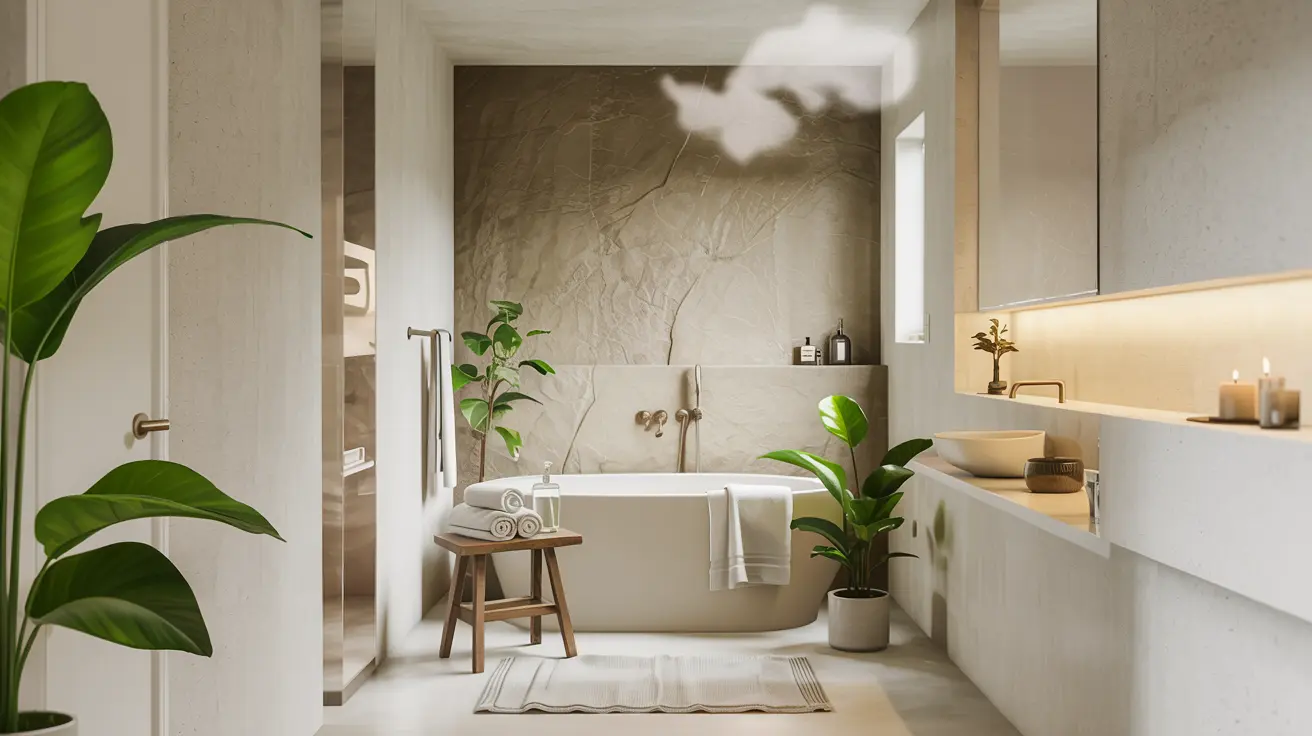
What Natural Spa Interior Design Really Feels Like At Home
Think about the last time you walked into a room and let out a quiet breath without even planning to. Maybe it was a small spa, a hotel bathroom that felt softer than yours, or a friend’s house where everything seemed calm but not stiff. That easy, relaxed feeling is exactly what natural spa interior design style tries to bring into normal homes.
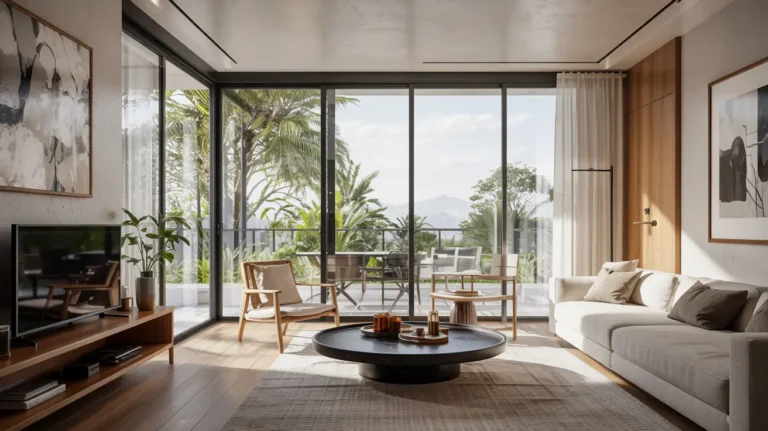
In this kind of room nothing is shouting for attention. Colours are gentle, shapes are simple and you can see clear space between things. There is a bit of wood, a bit of stone, maybe a few plants and light that feels warm instead of harsh. It does not matter if the room is big or small. The aim is that the space greets you in a kind way every time you open the door.
Why Nature Inspired Rooms Help You Switch Off
Most of us know we feel different near trees, water or open sky, but our rooms do not always reflect that. Bright light, sharp colours and piles of stuff keep the brain switched on. A quieter, nature led room does the opposite. It gives your eyes less to process and tells your body it can drop its guard for a while.
When you step into a space with softer light, fewer objects and pleasant textures under your hands and feet, something in you slows down. Your shoulders drop a little. You stop rushing for a moment. At home, that might be the difference between dragging the day into the evening or actually feeling like you have arrived back with yourself. In a small spa or studio, it is the difference between a quick treatment and a visit that people really remember.
Simple Ideas That Quietly Hold A Spa Style Room Together
Rooms that feel effortless rarely happen by accident. There are usually a few quiet rules in the background. One is to make sure the eye has places to rest. That means clearer floors, open stretches of wall and not too many colours or finishes fighting in the same view.
Another is to lean on materials that feel like what they are. Wood should look and feel like wood. Stone should feel solid, not like a thin print. Fabrics should move and breathe. A third is to think beyond the photo. The room should sound soft, smell clean and feel safe under bare feet. When these pieces line up, the space starts to work with you instead of against you.
Choosing Materials Your Skin And Feet Will Thank You For
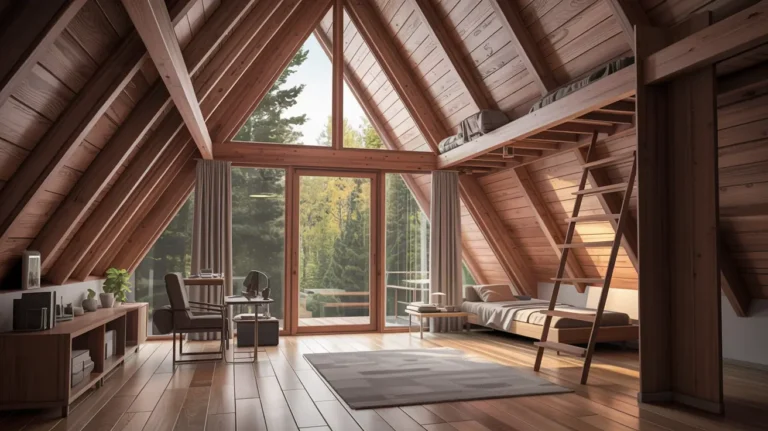
It is easy to choose finishes from a screen, but your body has to live with them every day. Warm woods such as teak, cedar or well sealed oak feel good under bare feet and along the edge of a bench. They carry a gentle grain and they age in a way that still looks honest, which means you do not have to panic about every tiny mark.
Around showers and tubs, stone earns its place. Slate, limestone or travertine bring a bit of weight and a calm, cool touch that works well after hot water. A slightly textured stone underfoot helps you feel secure when the floor is wet, while a smoother finish on the wall feels comfortable when you lean back. Lighter materials like bamboo or rattan work nicely in stools, baskets and smaller details, where you want warmth without heaviness. The test is simple. If you would not enjoy standing, sitting or leaning on it, it probably has no place in a spa style room.
Soft Colour Choices That Help You Unwind
Colour sets the tone of a room before you notice anything else. In spaces that feel like a retreat, the palette usually comes from quiet outdoor scenes rather than bright charts. Think of sand, worn stone, tree trunks, dried grasses and waves on a dull day.
Warm beige, soft off white, clay and sand tones create a gentle base that does not glare first thing in the morning. These shades sit close to natural skin colours, which makes mirrors kinder and the room easier to live with. Muted greens, taken from leaves or moss, bring in a hint of plants without turning the room into a jungle. Soft, greyed blues can cool the space without feeling icy. A small family of these tones, repeated on walls, textiles and a few key objects, does far more for your mood than a long list of strong colours.
Letting Light Make The Room Feel Safe And Warm
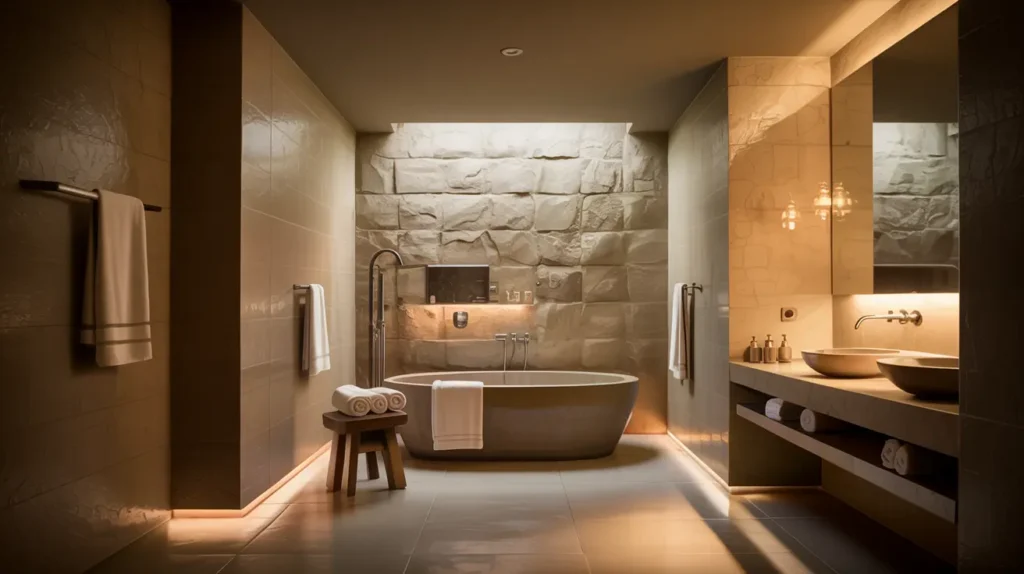
Light has a huge impact on how a bathroom or treatment room feels. Too strong and it starts to feel like a clinic. Too weak and it feels gloomy or unsafe. In a spa style space, you are looking for clear but kinder light. Daylight from a window, a high slot or a roof opening is always a good start. It just needs a bit of softening so it does not feel harsh. Thin curtains, frosted glass or slim wooden slats can turn direct sun into a gentle wash and give you privacy at the same time.
In the evening, or in rooms with little daylight, a few simple layers of artificial light take over. A warm ceiling glow on a dimmer lets you switch from bright cleaning mode to soft evening mode. Wall lights that skim stone or plaster add depth and make the room feel more interesting without adding clutter. Low lamps near the floor or under benches guide your steps during night time visits. A couple of candles now and then are enough to turn an ordinary soak into something that feels almost like a small ritual.
Bringing Living Things And Natural Details Inside
A room with no sign of life from outside can feel flat, even if the finishes are expensive. The good news is that you do not need many pieces to change that. One well cared for plant in the right place can shift the entire mood. A fern on a shelf, a peace lily by the tub or a small palm in a bright corner brings movement and a quiet sense of growth.
If the room is larger, a slim line of planting along a wall or a row of pots behind a bench can soften straight lines. Bowls of smooth stones, a piece of driftwood from a beach walk or a simple clay pot with a few branches from the garden are easy to change with the seasons. These details cost very little, but they keep reminding you that there is a world beyond tiles and fittings.
Looking After Sound, Scent And Touch As Much As The Look
Rooms that photograph well but sound hard or smell heavy rarely feel restful. To really support you, a spa like space has to treat all the senses with a bit of care. Sound comes first. Hard floors and bare walls bounce noise, so thick towels, mats, upholstered seating, timber slats and plants all help soften echo. When the room is quieter, a gentle background track can add to the mood. Slow music, rain or flowing water at low volume usually works without becoming annoying.
Scent should feel fresh and light. A small diffuser, oil burner or herbal steam can carry simple notes like eucalyptus, mild citrus or soft wood tones. These sit well in wet spaces and do not feel sticky. Touch is everywhere in a room like this. Robes, towels, railings, seat edges, floors. If these pieces feel kind under your hands and feet, you will relax more quickly. Rounded edges, soft cotton and non slip finishes all send the clear message that you can move without worrying.
Letting The Room Flow In A Way That Feels Natural
You can have beautiful materials and still feel awkward in a room if the layout does not make sense. A spa style space should feel like a small, easy journey. In a full spa, that journey might start at a quiet welcome desk, move through changing and washing areas, pass steam or sauna rooms and finish in a deep rest zone. Guests and staff use routes that cross only where needed, so nobody feels in the way.
At home, the same idea can be much simpler. Hooks or a rail for robes near the door, then the basin and storage for daily items, then the tub or shower, and finally a small spot to sit or stand and take a breath before you leave. A low wall, a short screen or a slight change in floor level is sometimes enough to give each part of the room its own feel without chopping it into tiny boxes.
Making Spa Style Work In Small And Busy Homes
A lot of people look at pictures of spa bathrooms and think, that is nice, but my place is too small or too crowded. The truth is that many of those photos are taken in normal sized rooms. The difference is not size, it is what is in the space and how it is arranged. The first step is always to clear what you do not need to see all the time. Extra bottles, tools and cleaning supplies can live in a cupboard, drawer or basket.
Then you choose one or two changes that make the biggest difference. A single wall in a softer, textured finish can change the whole mood. A wooden mat or low slatted platform under your feet can make you enjoy standing there instead of hopping around on cold tiles. Better towels, a simple curtain or glass panel and a small stool or side table near the tub all tell you this room is meant for more than rushing. A plant on the sill or a small landscape picture near the mirror can be the last gentle note that ties it all together.
Keeping The Calm Look Practical For Everyday Use
Rooms have to cope with real life, not just photo shoots. Steam, soap, limescale and rushed mornings are part of normal living. A calm, natural style only works if you can keep it going without constant stress. Stone on floors or in showers needs the right sealer and a simple cleaning routine so it stays looking good. Very rough textures in places that get soaked can hold dirt, so they are better as accents rather than covering large areas.
Wood near water needs to be chosen and treated for damp conditions. It works best where it can dry out between uses, while tiles or stone handle the spots that stay wet. Plants will need watering and the odd trim, so hardy types that can handle a missed watering now and then are a smart choice. When you think about these things early on, the room remains pleasant and easy to live with season after season.
Shaping The Room With Care For More Than Just Looks
Many people feel more relaxed in a room when they know it has been put together with care for the wider world as well as for comfort. That does not have to mean grand statements. It can be as simple as choosing wood from well managed forests, stone from closer quarries and paints that do not fill the air with harsh fumes.
Good insulation, sensible hot water choices and lighting that only runs when needed can lower waste and bills without you feeling any less comfortable. Showers and taps that use less water but still feel generous, and tubs that are deep and cosy instead of huge and shallow, all help. Talking about these choices with family or guests can even make them feel more connected to the space. It shows that rest here does not depend on taking too much from somewhere else.
One Realistic Example Of Changing A Plain Bathroom
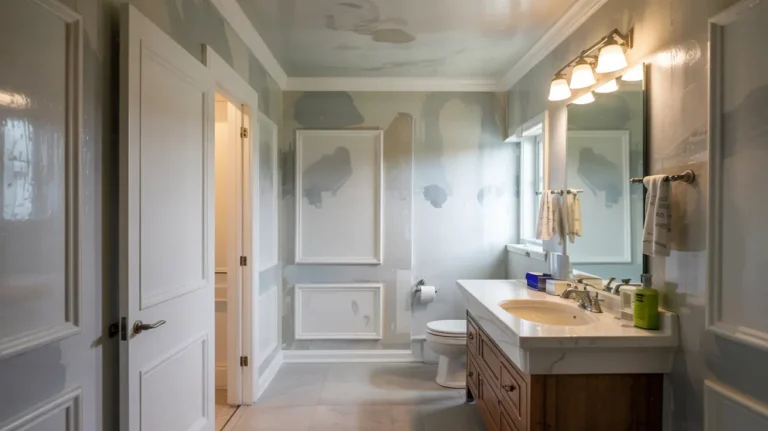
Picture a very ordinary bathroom. Shiny white tiles from floor to ceiling. One bright bulb in the middle of the ceiling. A standard tub with bottles balanced along its edge. It works, but it does not feel like a place you want to stay in. Now imagine changing the mood without moving any plumbing.
You pick the short wall at the end of the tub and give it a warmer, textured finish. It might be a stone effect or a hand applied plaster in a soft clay tone. You swap the ceiling light for a warmer fitting on a dimmer and add one small wall light that skims that new surface in the evening. A simple wooden stool stands beside the tub with room for a glass of water, a candle and a folded cloth or book. Closed storage hides most of the bottles that were on show. One or two steam loving plants sit on the window ledge. A quiet diffuser adds a light, clean scent. The size of the room has not changed at all, but the way it feels has changed a lot.
Questions People Ask Before They Try This
People often ask, is my room too small for this. In most cases it is not. If you soften the light, choose kinder surfaces and put away things you do not need every day, even a compact bathroom can feel calm and welcoming. Another common worry is cost. You do not have to do everything at once. It makes more sense to improve a few things you touch every day than to spread your budget very thinly over many small changes.
Some people are unsure whether simple modern fixtures can sit next to natural materials without clashing. They can, and often they look better that way. A plain white tub against a soft stone wall and a wooden stool can feel far more restful than a room full of pattern. Renters worry they will have to leave everything behind, but lamps, stools, baskets, textiles and plants all move with you. They can change the feeling of a room while you live there and then start again in the next place. In the end, natural spa style is less about perfect images and more about a handful of kind, steady decisions that make daily life feel lighter.