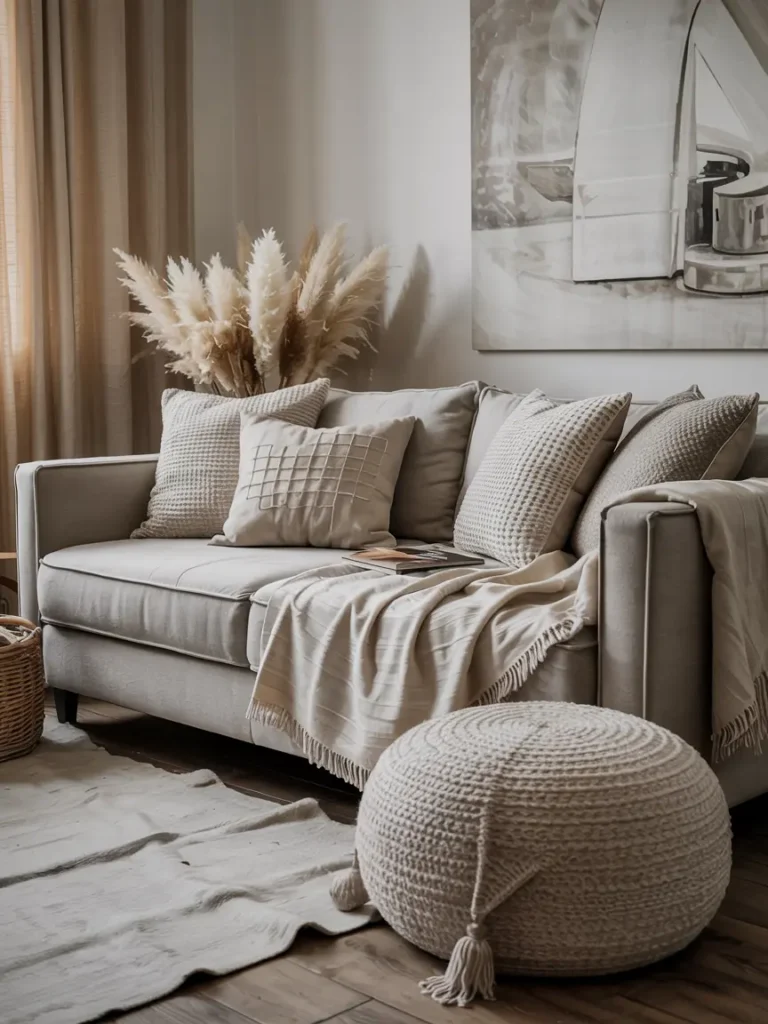
What Styling and Furnishing Really Means
Styling and furnishing is the finishing layer of interior design, and it connects your architecture to your everyday life. We work with furniture, textiles, lighting, art, and accessories and look at how each piece affects scale, comfort, and flow in the room. Furniture placement shapes how you move, talk, and rest, and studies show that open, balanced layouts can reduce tension and improve comfort. Soft furnishings and decor influence how cozy and personal a space feels, while curtains, rugs, cushions, and throws add character and warmth. Our goal is always to use these tools with intention, not excess.
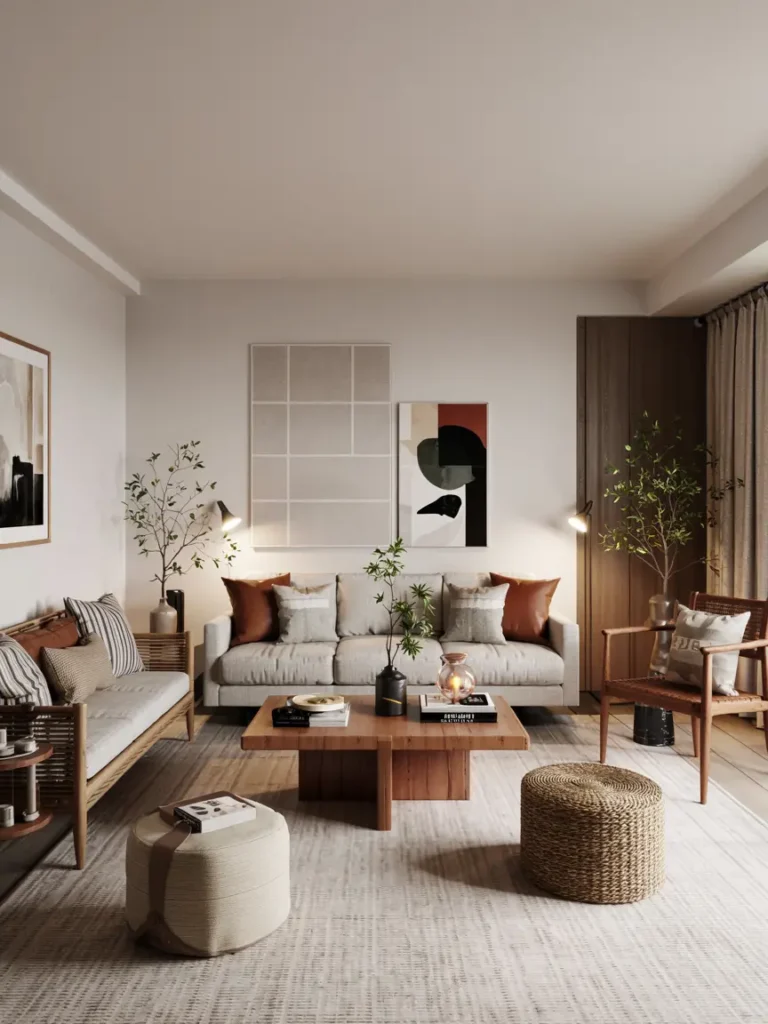
Why the Finishing Layer Matters So Much
Many homes look almost right but still feel off. Often the base is fine and the real issue sits in the finishing layer. Oversized sofas, random chairs, and heavy window treatments can make rooms feel cramped, while too many small items or weak lighting create visual noise and strain. On the other hand, well-chosen furniture, layered textiles, and considered lighting can make rooms feel richer and more inviting. Accessories like art, mirrors, lamps, and plants also matter because they express personality and help rooms feel lived in and real. Styling is not an extra; it is what turns a house into a home.
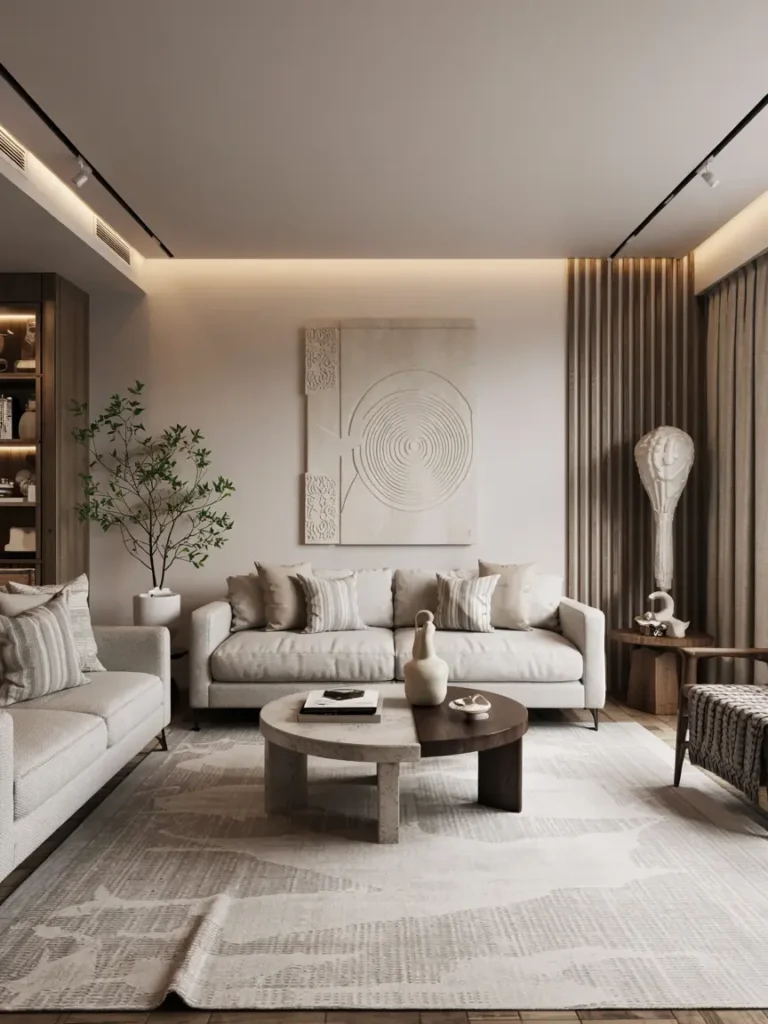
What Our Styling and Furnishing Service Includes
We start by understanding your life, who lives in the home, how you use each room, and what must stay or can change. You share photos, measurements, and a simple brief, and we review your current pieces with an honest eye. Some items can stay where they are, some can move elsewhere, and some need to be replaced. From there, we build a full concept that can include a furniture plan that respects scale and circulation, suggestions for seating, tables, storage, and side pieces, a clear direction for color and texture in each room, and recommendations for rugs, curtains, cushions, and bedding. We also develop a lighting plan that layers ceiling, wall, and lamp light, along with art and accessory ideas that match your taste. Soft furnishings like rugs, curtains, upholstery, and cushions are central because they add comfort, help with acoustics, and shape the mood of the room. You receive a clear package with visuals, notes, and a shopping roadmap so you know exactly how to move forward.
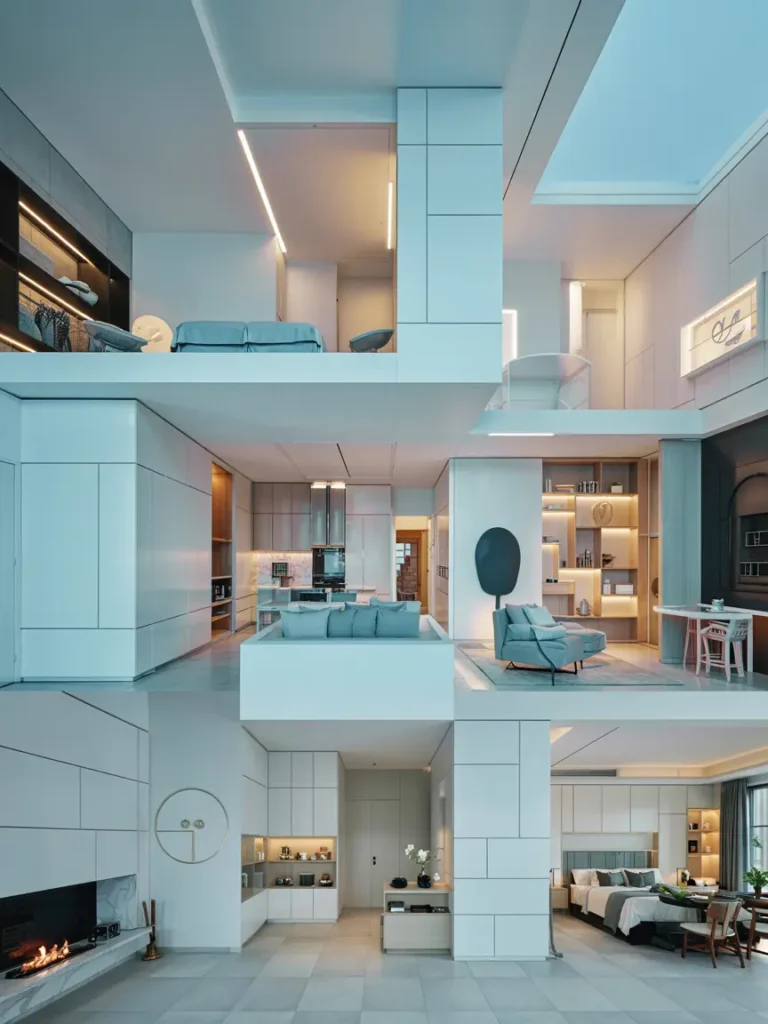
Furniture Layout, Scale, and Flow
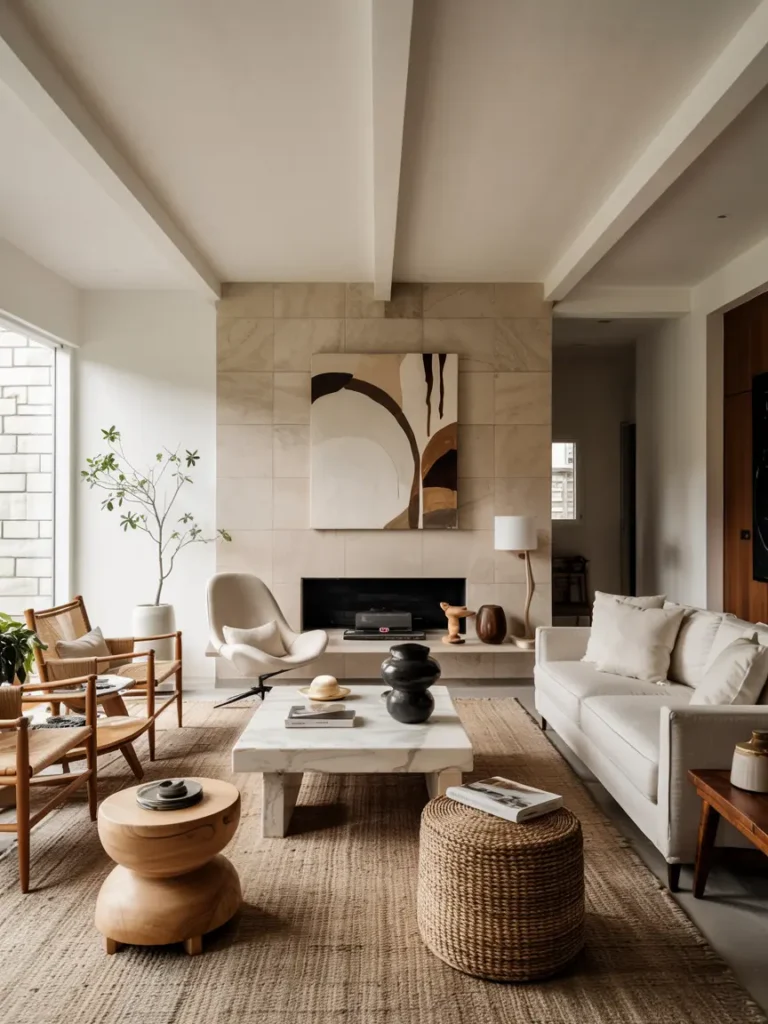
Furniture is the skeleton of a room, and if it is wrong, nothing else feels right. We look at traffic paths and sightlines first and plan where you enter, sit, and walk. Proper clearances and balanced groupings reduce stress and make rooms easier to live in. We then choose or adjust seating, tables, and storage to match the scale of the space. Too large, and the room feels cramped. Too small, and it feels weak and cluttered. The goal is a layout that supports conversation, rest, and daily tasks without effort.
Soft Furnishings, Texture, and Comfort
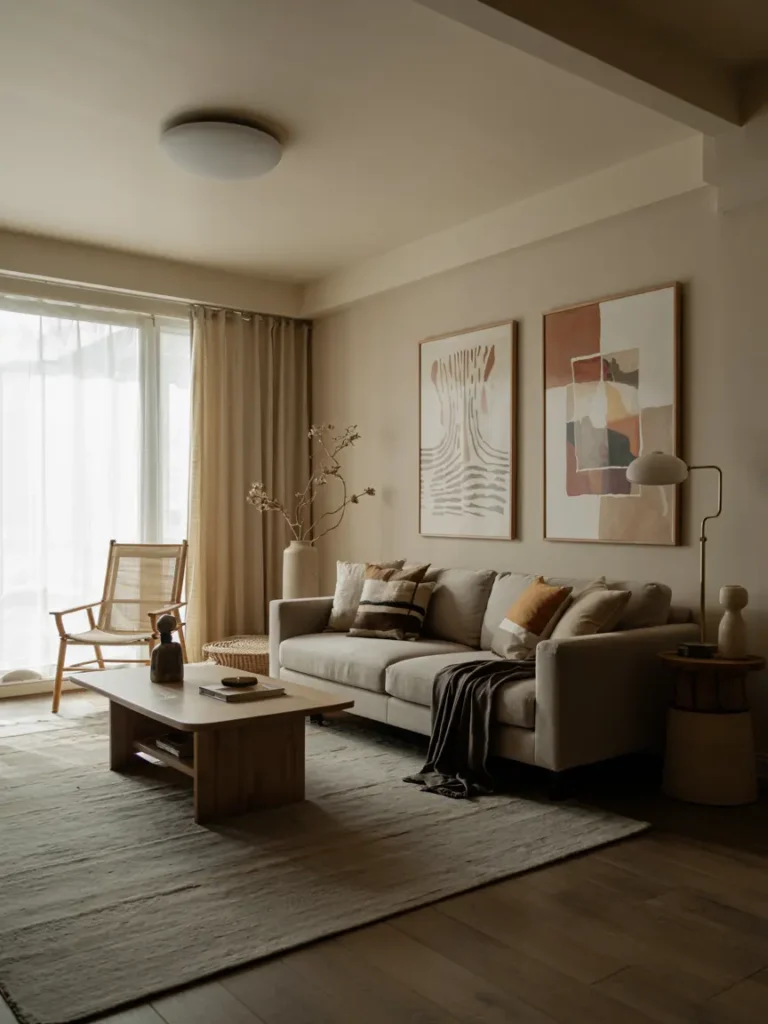
Soft furnishings are more than decoration. They support comfort, acoustics, and even temperature in a room. We use rugs to anchor seating areas and define zones. Curtains or blinds help control light and offer privacy. Cushions, throws, and upholstery add warmth and tactile interest that make a room feel inviting.
Texture plays a big role here. Many designers expect layered textures and textiles to stay central in future trends. A mix of linen, wool, cotton, velvet, or bouclé can make a room feel deeper and more welcoming, even when the color palette is calm and simple.
Lighting, Color, And Mood
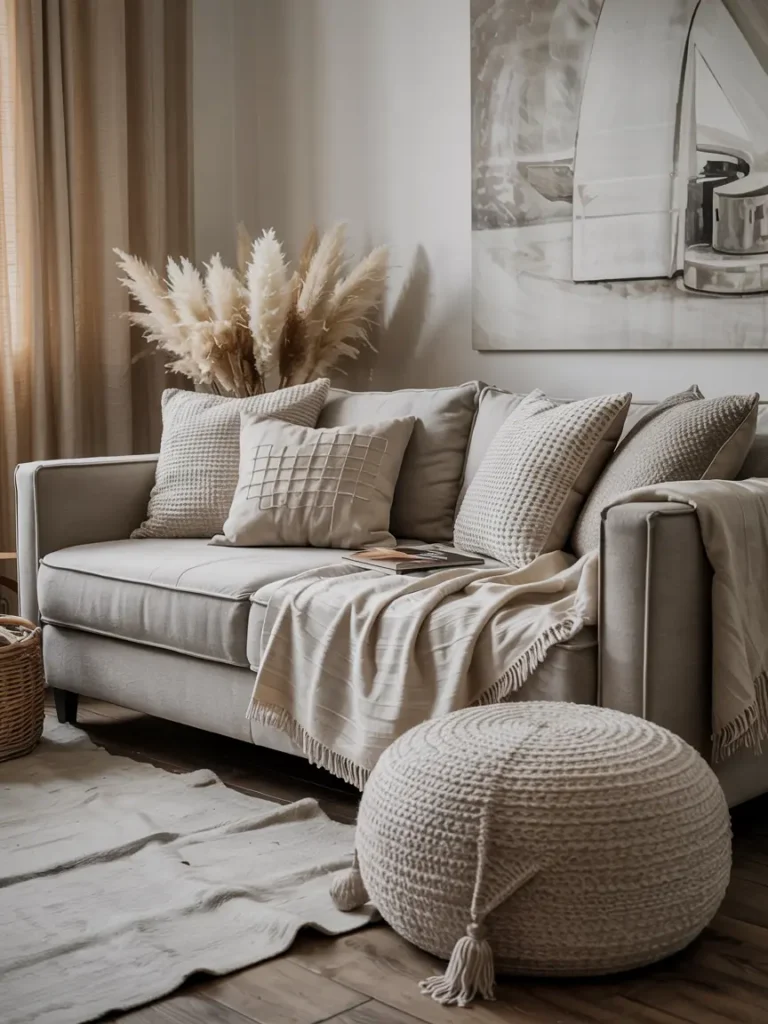
Light and color are powerful. They shape the energy and mood in every room. We always look at daylight first: where it enters, where it falls, and what it hits. Then we layer artificial light on top, using ceiling lights for general use, wall lights for softness, and table or floor lamps for tasks and atmosphere.
For color, we think about how you want to feel in each room. Soft neutrals and earthy tones support calm, while richer colors and contrast can add energy where it is needed. We build palettes that match your taste and stay livable over time so the space feels good long after the first look.
Accessories, Art, and Personal Story
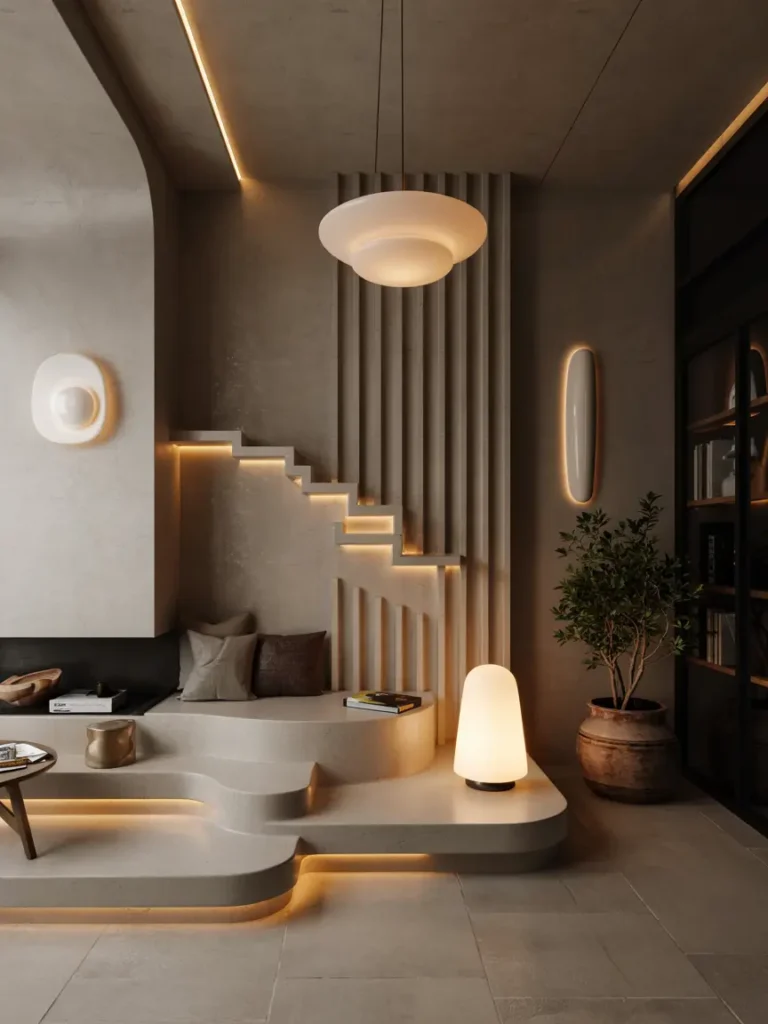
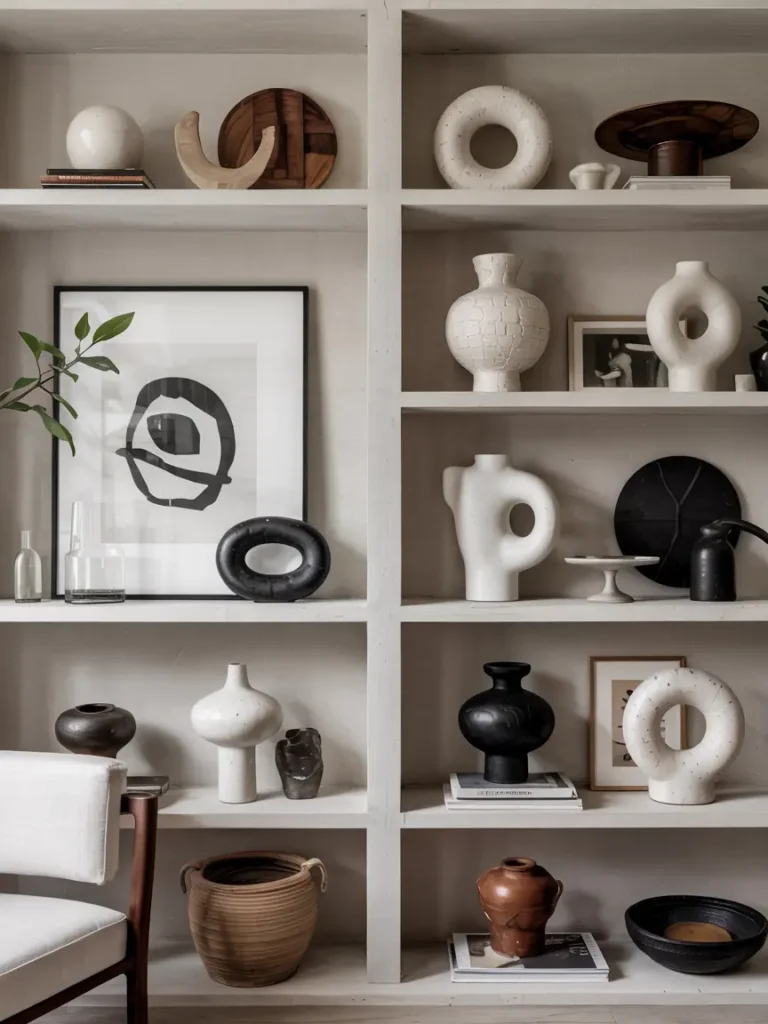
Accessories are not random extras; they are how your home tells your story. We help you choose and place wall art, mirrors, vases, lamps, books, and personal objects. Design guidance often stresses that accessories should support a theme, not fight it, so we edit surfaces so they do not feel cluttered. Groupings, changes in height, and a bit of negative space create rhythm and calm instead of noise.
Plants often join this layer as well. They add life, color, and a gentle link to nature, and studies show that greenery indoors can support relaxation and comfort. The result is a space that reflects you, not a showroom.
Styling For Small Spaces and Real Life
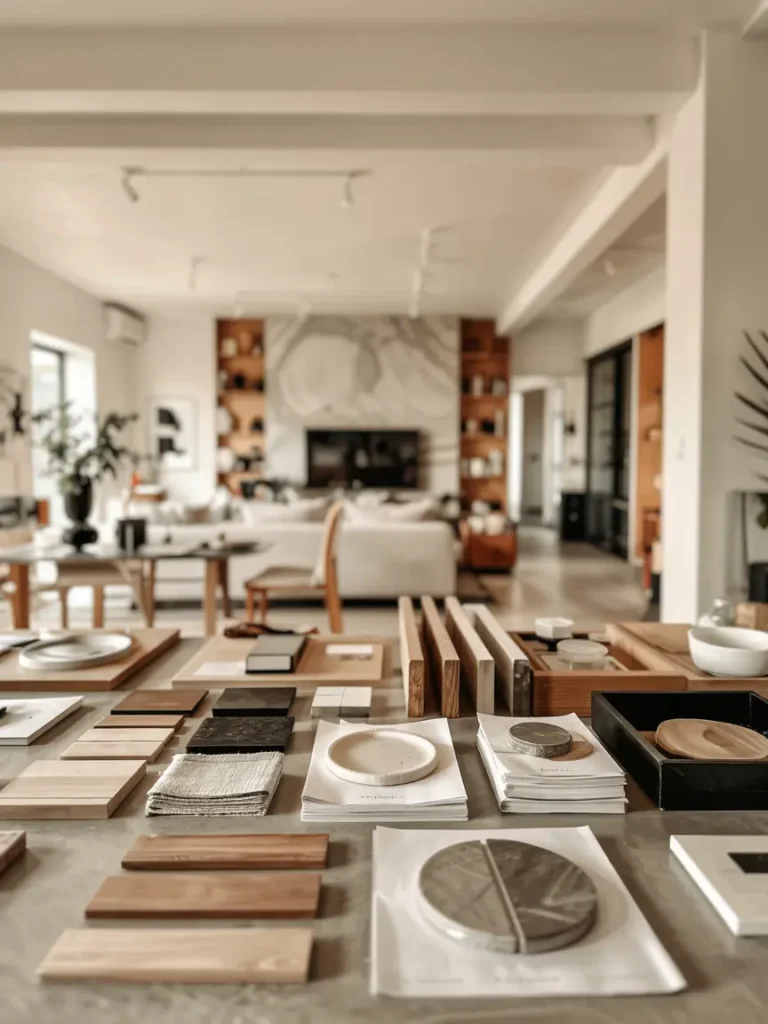
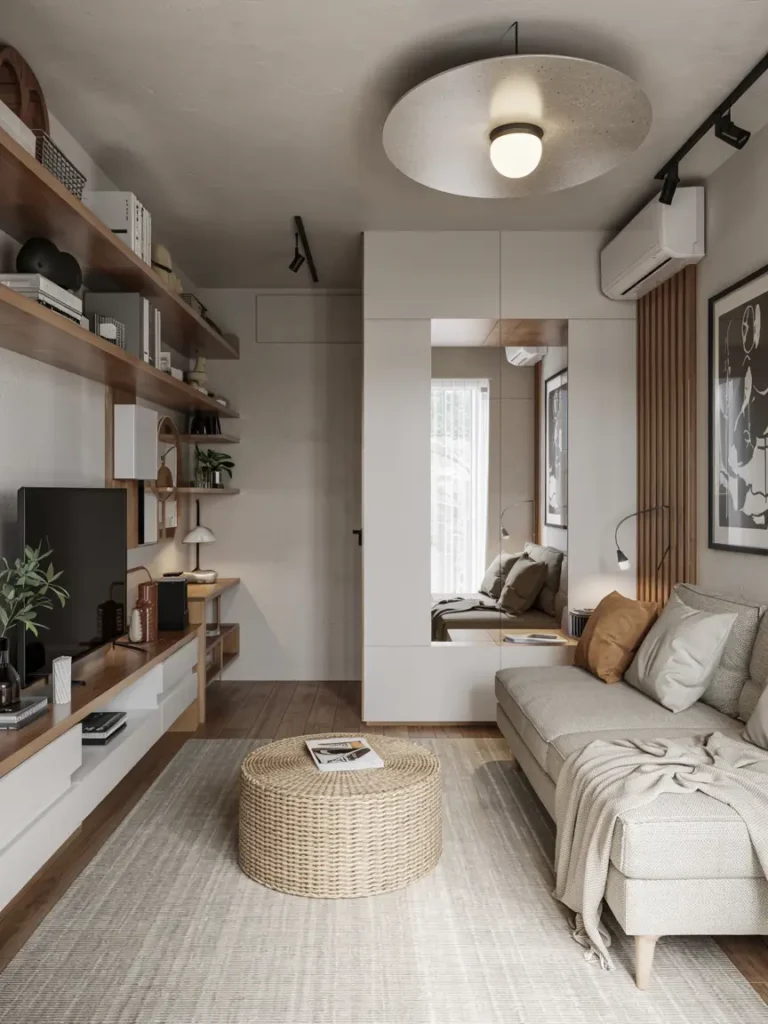
Many clients live in modest homes, not huge houses, and small rooms often need styling even more than large ones. We help you avoid common mistakes like too many small items, rugs that are too tiny, or heavy curtains that block light. When needed, we choose multi-purpose furniture and hide practical items inside cabinets, baskets, and ottomans. Enough open floor and wall space is left so the room can breathe. Families also need real solutions, so we consider cleaning, pets, children, and storage for everyday life. Durable fabrics, wipeable surfaces, and simple systems make the styling easier to live with and easier to maintain over time.
How Our Styling and Furnishing Process Works
We begin with a call to learn about your rooms, lifestyle, and budget. You then share photos, a simple video tour, and measurements. From there, we study your space and existing pieces and create a styling concept with a clear direction for layout, color, texture, and mood. You review this concept and share feedback, and once the direction feels right, we refine the plan and build your detailed selections. You receive visuals, notes, and a purchase roadmap so you know what to buy and how to move forward. If your package includes support during setup, we help you adjust placements and details once items arrive. At every stage, we stay focused on getting the feeling of the room right, not just ticking off a list.
Is This Service Right for You
This service fits if you are not changing walls or floors but your rooms still feel unfinished. It suits you if you have collected furniture over time and nothing quite matches, or if you have just moved into a new place and want it to feel settled fast. If you want your home to look pulled together, feel more comfortable, and reflect who you are, styling and furnishing is usually the right level of help. If you are planning a full renovation instead, our renovation-focused service may be a better fit, and we can guide you to the best choice during an initial call.
Start Finishing Your Home Properly
You do not need a bigger house to feel better at home; you need rooms where layout, furniture, textiles, lighting, and details all support the same story. If your home feels almost right but not quite there, styling and furnishing can close that gap. Share your space and your goals with us through homeinteriorlab and we will build a practical, beautiful plan to finish your rooms with confidence.