
You can learn a lot about your house with a few records and a clear plan. The goal is simple. Find when it was built, who owned it, who lived there, and what changed over time. Once you know where to look, the research feels more like a treasure hunt than paperwork.
Start with what you already have at home

Begin with your closing papers if you bought the house. Look for the deed, title paperwork, and any old appraisal notes. Check the inspection report too. It may mention past additions, roof age, or older systems. If the previous owner left a folder, go through it slowly. Receipts and contractor invoices can reveal renovation dates fast.
Write down the basics before you search
Make a simple list before you open any websites. Write your full address, including unit number if you have one. Add the parcel number or APN if it’s on your tax bill. Note your county and city. These details matter because records are often stored by county, not by city.
Build an ownership timeline with deed records
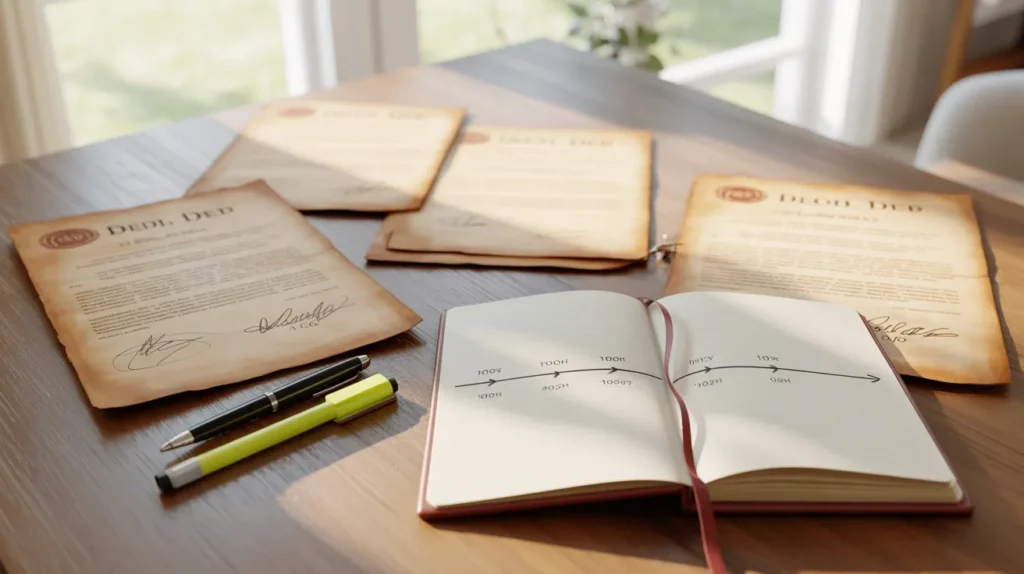
If you want the real ownership history, deeds are the backbone. Start with the most recent deed and work backward. Many counties have an online search through the recorder of deeds or county clerk office. If your county site is limited, you may need to visit in person or request copies.
A deed usually includes the buyer, seller, and transfer date. It may also list a legal description, parcel number, and sometimes a sale amount. When you link each transfer in order, you create a chain of title. That timeline helps you confirm names before you look them up in other sources.
Problem: I can’t find older owners online
This happens a lot with older homes. Online systems may only show recent decades. In that case, call the recorder of deeds office and ask about older deed books or microfilm. Many offices still keep older records, but they are not always digitized.
Use tax records to confirm dates and spot big changes
Property tax records are a goldmine because they are easy to access in many areas. Look for the year built field, assessed value changes, and property description details. If you see a big jump in value in one year, that can hint at a major renovation, an addition, or a rebuild.
Tax rolls can also show owner names over time. They may not be as detailed as deeds, but they help you double-check the timeline.
Problem: The year built looks wrong
That is common. Some records use an estimate. Others use the year of a big remodel. When the year built seems off, compare it with deed dates, permit history, and old maps. The true story usually shows up when you cross-check sources.
Search building permits to learn what was changed
Permits tell you what work was approved and when. Look for building permits, electrical permits, plumbing permits, and HVAC permits. Some cities let you search permits online. Others require an email request. If you can find a certificate of occupancy, it can help confirm when a home was first approved for living.
Permits can also explain strange layout choices. Maybe a garage became a room. Maybe an old porch was enclosed. If you plan renovations, permits also help you spot work that may not match the current layout.
Problem: I can’t find permits for major changes
Not all work gets permitted. Some older changes happened before strict rules. If permits are missing, use tax value jumps, old listing photos, and neighbor memory to fill the gap.
Find past residents with census records and city directories
Owners and residents are not always the same people. A landlord may own the home while renters lived there. This is where census records and city directories help.
Census records can show who lived at an address in a certain year. City directories can fill the years between census periods. Some directories list the resident’s job, spouse name, and sometimes whether they owned or rented. A reverse directory can help when you only have an address and want names.
Problem: My address did not exist in old records
Street names and numbering change. If you hit a wall, look at historic maps and plat maps to confirm the older street layout. Then use directories from that period to match the correct numbering.
Use historic maps and aerial photos to see changes over time
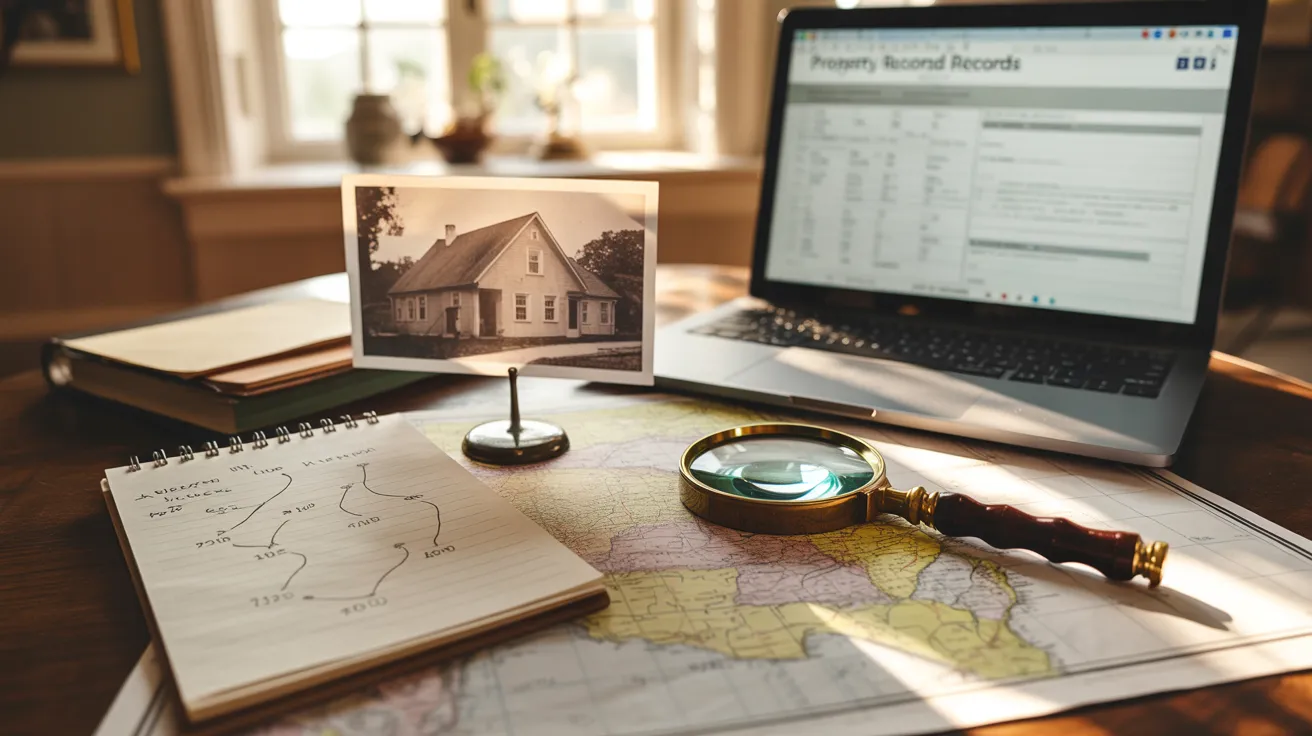
Maps make the research feel real. Plat maps show property lines and lot changes. GIS parcel maps show modern boundaries and nearby parcels. The most famous for older city homes are Sanborn fire insurance maps. They can show building footprints, materials, and even outbuildings in some cases.
Aerial photos also help. You can often spot when a garage appeared, when trees were removed, or when an extension was added. Even if you do not find exact dates, you can narrow the time range.
Problem: I found a map but I don’t know what it means
Start simple. Compare the footprint shape to your current home. Look for the same corner lot shape or the same alley. Then compare labels and outbuildings. If the map uses symbols, search for the map legend. Once you understand one map, the rest gets easier.
Check the library and local archives for stories and photos
This is where the fun details show up. Public libraries often have local history rooms. They may keep old newspapers, neighborhood books, city directories, and photo collections. A local historical society may have house files for notable properties or historic districts.
Newspaper archives can reveal a lot. You might find a sale notice, a wedding announcement at the address, or a renovation ad. Obituaries can also connect a person to a home and family timeline.
Problem: I don’t have time to dig through archives
Use a targeted search plan. Start with one or two owner names from the deed timeline. Search those names with the street name. Then try the address itself. Even one strong clipping can give you the next clue.
Look for historic status and architectural clues
If your home sits in a historic district, there may be public documents about it. Some areas have register listings with descriptions of the structure and style. Even without a listing, you can still learn a lot by identifying the architectural style and common features from that era.
Pay attention to trim, windows, porch columns, roof shape, and interior details. These can help you estimate an era when records are thin. Just treat style as a clue, not proof.
Talk to neighbors and previous owners when possible
This step feels old-school, but it works. Long-time neighbors often remember remodel years, old paint colors, or family stories. If you can contact a previous owner, ask simple questions. What year did they move in. What work did they do. Did they ever find old documents in the attic.
Keep it respectful and short. Most people respond better to curiosity than to heavy questions.
Keep your research organized so you don’t get lost
House research can get messy fast. Use a simple timeline and a folder system.
Simple organization tips
- Make a timeline with dates, owner names, and sources.
- Save screenshots of online records.
- Label files by year and record type.
- Keep a notes page for open questions.
A simple step-by-step workflow that works for most houses
Use this order to get answers faster.
Workflow
- Collect your home papers and write down address and parcel details.
- Pull the newest deed and build the chain of title backward.
- Check tax records to confirm year built and major value jumps.
- Search permits for remodel dates and additions.
- Use city directories and census records to find residents.
- Compare historic maps and aerial photos for physical changes.
- Add stories from newspapers, libraries, and neighbors.
Common questions people have and clear answers
How can I find out when my house was built?
Start with tax assessor records and permit history. Then confirm with the earliest deed transfers and old maps. When sources disagree, trust the earliest consistent proof across records.
How do I find previous owners of my house?
Use deed records from the recorder of deeds or county clerk. Work backward from the newest deed to older transfers. This creates your ownership timeline.
What if my house has had an address change?
Use historic maps and city directories to match old street numbers. Then search records using the older address format. This usually breaks the block.
Are building permits public record?
In many places, yes. Access depends on your city or county system. Some allow online lookup. Others share records by request.
Final thought
The best house history comes from stacking small proofs. One record gives you a name. That name leads to a newspaper clip. A map confirms a change. After a few rounds, the story becomes clear. Take it step by step and keep notes. You will be surprised how much you can uncover.