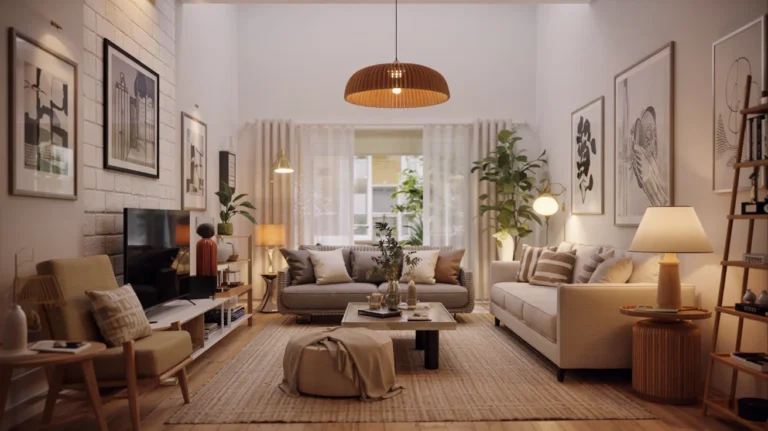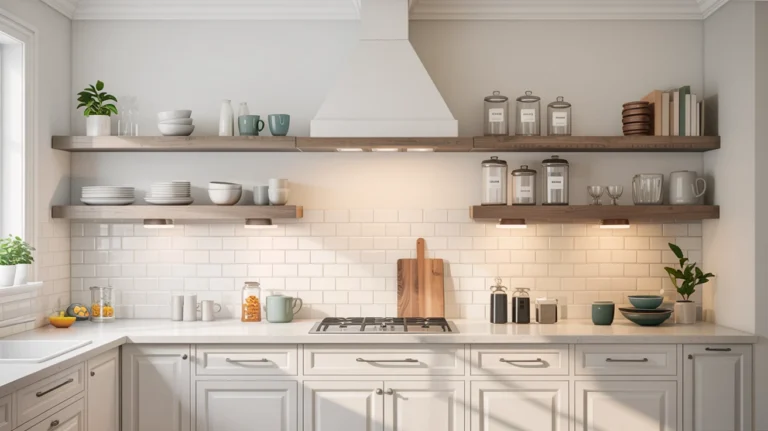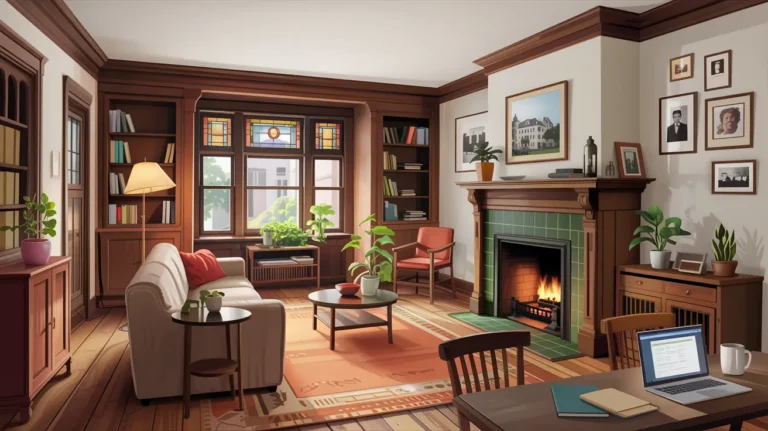

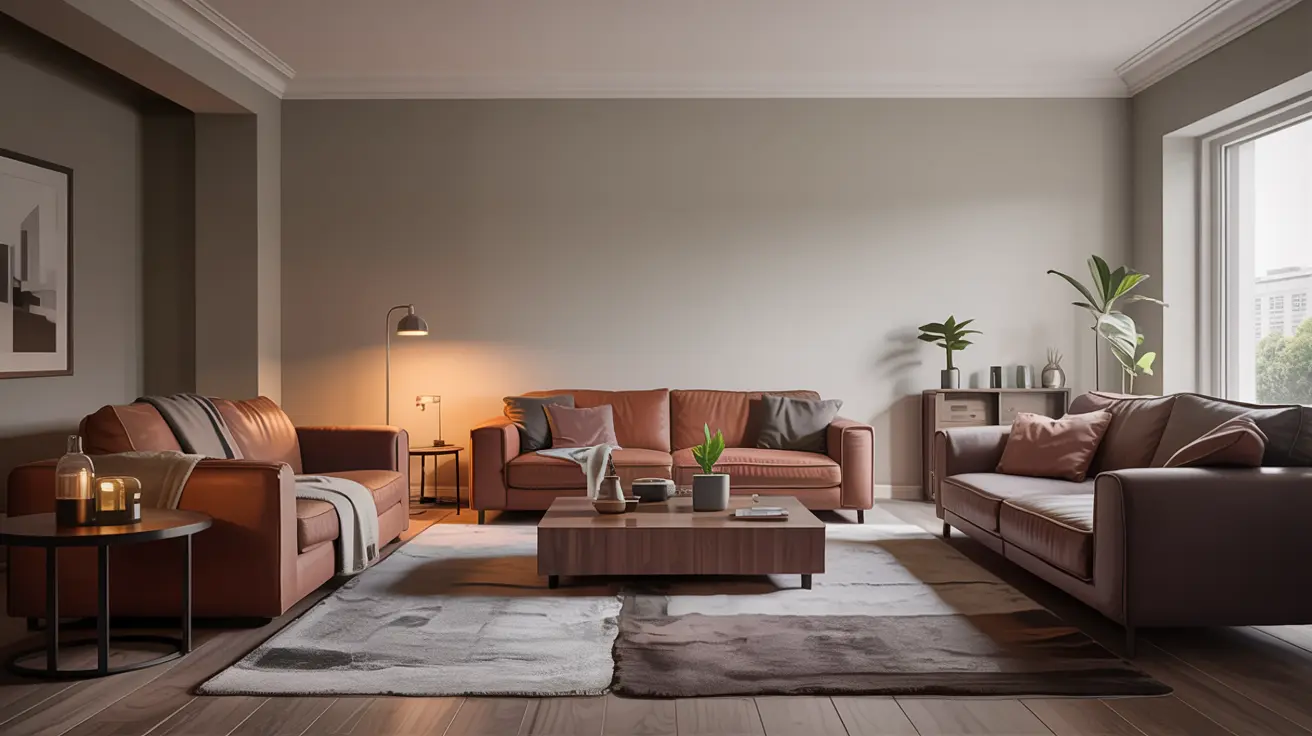
Gray and brown living room can look beautiful together, but they can also make a living room feel flat if you treat them like two paint samples you’re trying to match. The difference between “cozy and expensive” and “dull and heavy” usually comes down to three things: undertones, texture, and lighting. Once you get those right, the room starts to feel like a home instead of a showroom.
First, figure out what kind of gray you actually have
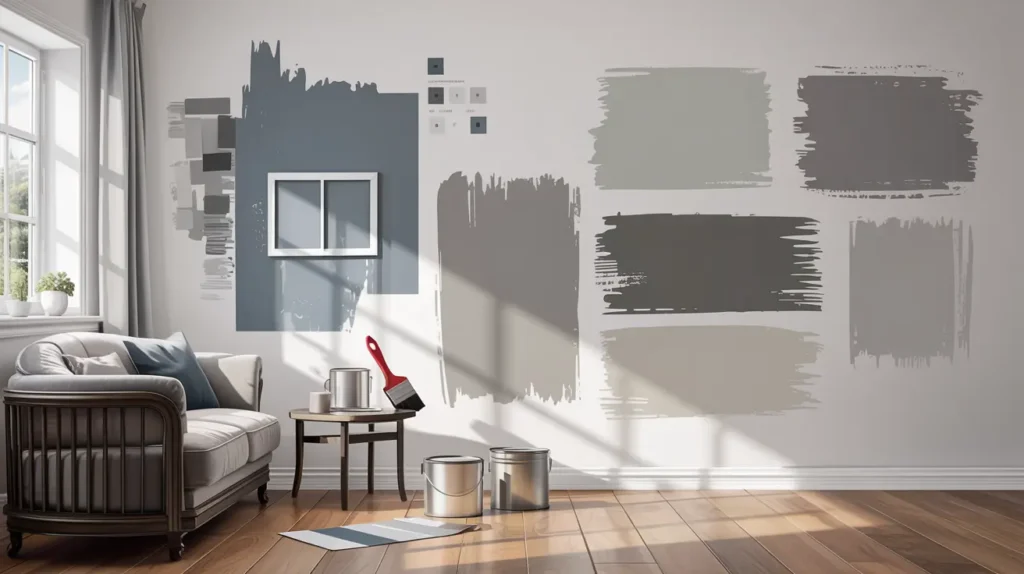
Not all gray is the same. Some gray leans blue and cool. Some gray leans warm and slightly beige. That one detail decides whether your browns will look rich or slightly wrong. Warm gray tends to look easy with walnut, oak, caramel, and coffee tones. Cool gray can still work with brown, but you’ll need more warmth from wood and lighting or the room can start to feel a bit cold.
Choose one “boss” piece and stop decorating randomly
Most living rooms look unfinished because everything is bought separately. A sofa from one place, a rug from another, pillows from wherever, and none of it is leading. Pick one hero item first. It can be your gray sofa, a brown leather couch, your rug, or even a big wood coffee table. Once the hero is clear, the rest of the choices get simpler and the room starts to look intentional.
If you have a gray sofa, brown needs to show up in real weight
A gray couch is clean and safe, but it can also make the room feel cooler than you expect. The fix is not tiny brown accents that disappear. Brown needs to appear in at least one or two bigger moments, like a wood coffee table, a warm-toned side table, a leather accent chair, or large frames on the wall. That’s when the gray looks calm instead of cold.
If you have a brown sofa, let gray create breathing space
Brown seating can look rich and cozy, especially leather, but it can also feel heavy if everything around it is also deep-toned. Gray helps by giving the room air. A soft gray rug, light warm-gray walls, or gray curtains can calm the space and make the brown feel like a feature instead of a weight.
Wood is your bridge, but only if you repeat it on purpose
Wood is the easiest way to connect gray and brown without forcing the match. The trick is repetition. If your coffee table is walnut, echo that wood tone again somewhere else, like in a shelf, a picture frame, or a lamp base. Repeating a wood tone makes the room feel designed even if your decor is simple.
This palette dies without texture
Gray and brown look best when they aren’t just “colors,” but materials. Smooth leather next to soft fabric. A plush throw against a clean sofa. A woven basket beside a sleek table. A rug with visible fibers. Texture adds depth so you don’t need loud colors to make the room feel interesting.
Your rug is the make-or-break piece
A rug that is too gray can make brown furniture feel separate. A rug that is too brown can make gray seating feel washed out. The safest option is a rug that already blends both tones, like taupe, pebble, or a subtle mixed pattern. A rug like that quietly ties the room together without you having to fight every other detail.
Lighting can ruin a “perfect” room
You can choose the right gray and the right brown and still feel like something is off at night. That’s usually lighting. Cool white bulbs make gray look harsher and make warm browns look dull. Warm bulbs soften gray and make wood look richer. Add at least one side lamp or floor lamp so the room doesn’t rely only on a bright overhead light.
Pick your metal finish based on the mood you want
Brass and gold lean warm and cozy, especially with warm browns. Black metal and chrome lean modern and sharper, and they look strong with cooler grays. Mixing metals can work, but it looks best when one finish clearly leads and the others play a smaller role.
Add one small accent color so the room feels alive
A gray and brown living room can feel serious if it’s only neutrals. One muted accent color fixes that fast. Terracotta warms it up. Dusty blue makes it calmer. Muted green makes it feel fresh. You can bring it in through art, one cushion, a vase, or a throw. And plants are basically a cheat code here, because green makes gray feel less flat and makes brown look more natural.
Small living room? Keep the big surfaces lighter
In a smaller space, the easiest way to make this combo work is to keep the largest surfaces light. That usually means lighter walls or a lighter rug. Then use brown in a few strong places, like a compact wood coffee table, one warm chair, or frames. Too many deep brown pieces in a small room can shrink the space visually.
Why gray and brown sometimes look “muddy”
Muddy happens when everything sits in the same mid-tone range. Nothing is light enough to feel fresh, and nothing is dark enough to feel intentional. The fix is contrast. Create a clear light, medium, and dark. For example, light walls, a medium gray sofa, and deeper wood tones. That simple shift makes neutrals look sharp and expensive.
If the room feels cold, fix the feeling before repainting
Cold rooms usually lack softness, not color. Add a thicker rug, a softer throw, textured pillows, woven decor, and warm lighting. These changes are faster and cheaper than repainting, and most of the time they solve the problem.
If the room feels dark, change one big thing instead of ten small things
If the space looks heavy, don’t panic-buy decor. Pick one big surface to brighten. Swap the rug. Lighten the curtains. Add a mirror to bounce light. One big adjustment can change the entire mood and make brown look rich instead of heavy.
A simple styling formula that works almost every time
Choose one hero piece. Repeat your main wood tone twice. Add two clearly different textures. Pick one metal finish to lead. Include one living thing like a plant. That formula gives you warmth, depth, and balance without making the room look busy.
Conclusion
Gray and brown can look calm, warm, and really polished when you stop trying to “match” and start trying to “balance.” Get the gray undertone right, give brown real presence, repeat wood on purpose, and don’t ignore texture and lighting. Do that, and the room stops feeling flat and starts feeling like home.