
What Edwardian Interior Design Really Means Today
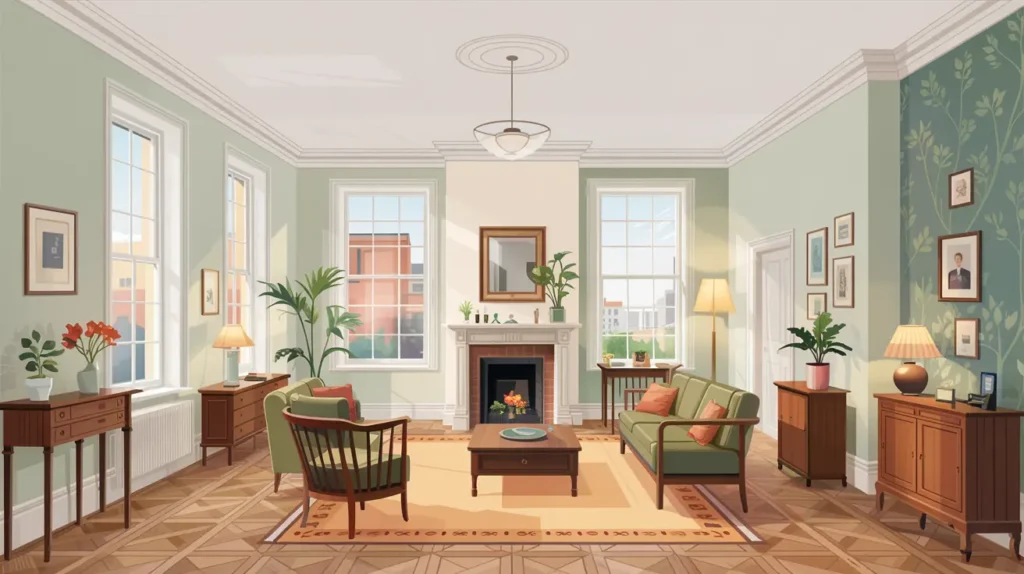
Edwardian interior design grew from a wish for cleaner, brighter homes after heavy late Victorian rooms. It favours light, space, natural materials and gentle pattern, so rooms feel healthy, calm and easy to live in.
Instead of crowded ornament, this style leans on good proportions, generous windows and a few well chosen details. The result is a house that feels welcoming and graceful, rather than strict or showy.
How Edwardian Homes Differ From Victorian Houses
Many owners mix the two periods in their head, yet the buildings tell a different story. Victorian homes often feel narrow, intricate and dark, while Edwardian houses open out with wider fronts and larger halls.
Staircases tend to feel broader, windows grow taller and rooms gain more breathing space between furniture pieces. This shift toward air and ease sits at the heart of the later period spirit.
Recognising Edwardian Architecture And Interior Bones
From the street, Edwardian houses often show a small front garden, a simple timber porch and wide sash or bay windows. Upper panes may carry stained or leaded glass, which softens daylight and adds pattern without clutter.
Inside, you often find square or simple wall panelling, dado rails, picture rails and strong skirting boards. Staircases feel broader, landings a little wider and ceilings high enough to hold deep cornices and neat ceiling roses.
Colour And Light In An Edwardian Style Home
Writers at museums and heritage groups often note the period love of fresh air and light. That spirit still guides colour choices today, because Edwardian rooms usually suit soft greens, blues, creams and gentle stone shades.
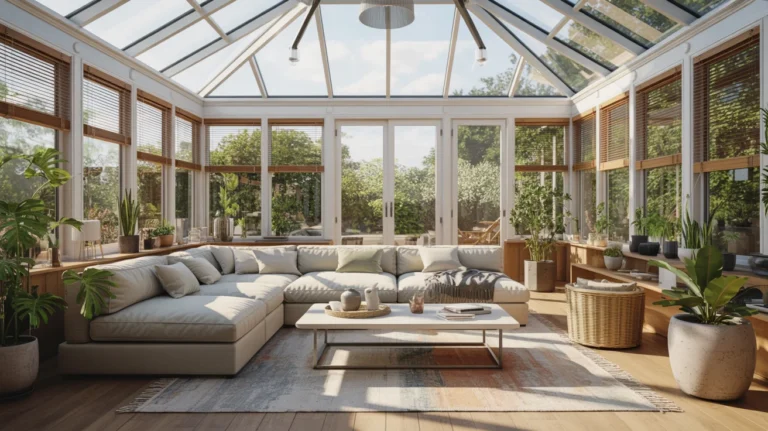
White or off white woodwork keeps windows, doors and panelling crisp and clean around these quieter wall colours. Large windows and glazed doors help light travel, while mirrors and polished wood lift brightness without harsh glare.
Floors, Fireplaces And Joinery Details To Respect
Original floors tell much of the story in an Edwardian hall or sitting room. Patterned or tessellated tiles in entrance spaces, parquet boards with a central rug in living rooms and simple boards upstairs all feel right for the period.
Fireplaces in this era often use cast iron grates, tiled slips and plain timber mantels rather than heavy marble. Doors, architraves and skirting boards carry the look through each room, so keeping their profiles and proportions matters.
Edwardian Living Rooms That Feel Calm And Welcoming
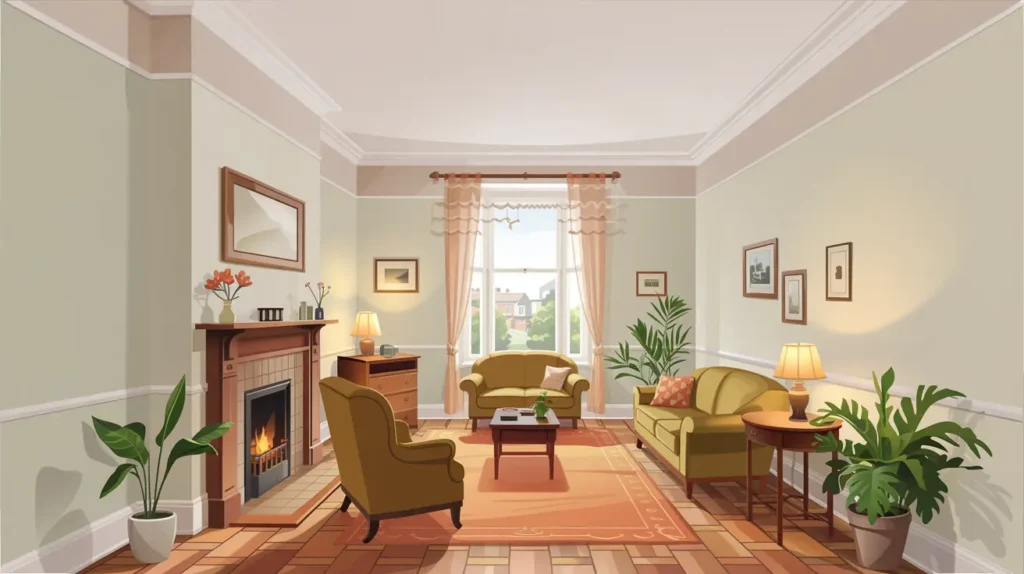
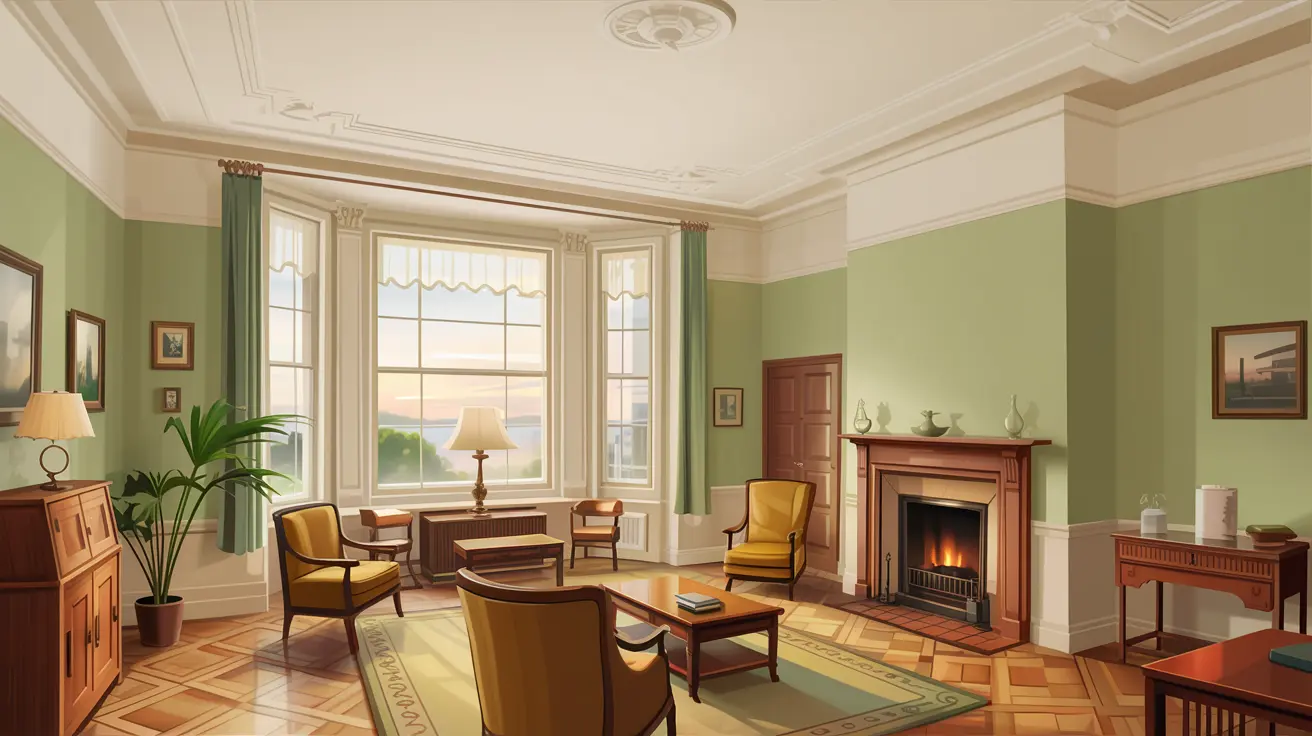
A typical Edwardian living room sits around a real or decorative fireplace, not around a television. The mantel, hearth tiles and overmantel mirror anchor the wall, while furniture groups around them for reading and quiet conversation.
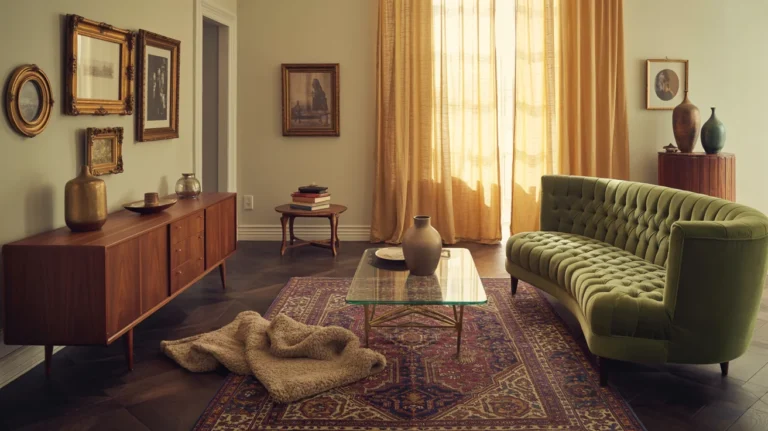
Pale walls and white woodwork keep the space bright, while a patterned rug and one botanical or Arts and Crafts style wallpaper add depth. A mix of polished wood, woven shades and soft textiles makes the room feel both smart and relaxed.
Dining Rooms And Kitchens For Modern Life
Historic sources show that many Edwardian dining rooms used darker furniture against lighter walls, so the table felt important. Today you can echo this with a solid timber table, simple upholstered chairs and a pendant light hung low enough to frame the setting.
In the kitchen, period spirit sits well with painted timber cabinets, shaker style doors, open shelving and simple tiled splashbacks. A freestanding dresser or sideboard, sturdy hooks for pans and a wooden worktop or table keep the room warm and practical.
Bedrooms And Bathrooms With Gentle Period Charm
Bedrooms in this style work best when they stay airy and soft, not overly themed. Iron or simple wooden beds, crisp cotton or linen bedding, lace or light curtains and a well placed rug keep things calm and comfortable.
Bathrooms can borrow period character through a clawfoot or roll top bath, a pedestal basin and modest white or pale tiles. Small mosaic or hexagonal tiles underfoot, paired with a painted timber bath panel, add quiet character that still cleans easily.
Bringing In Pattern, Textiles And Decorative Pieces
Edwardian rooms love pattern, yet they handle it with more restraint than many Victorian schemes. Nature inspired wallpapers, trailing florals and simple stripes work well when used on one main wall or above a dado rail, not across every surface.
Textiles carry much of the mood, so look for woven rugs, embroidered cushions, lace panels and linen tablecloths. Potted palms, ferns, stained glass shades and a few framed prints echoing local landscapes or architecture complete the story without noise.
Mixing Edwardian Style With Contemporary Living
Few people now live with strict period rooms, so the most successful homes mix old bones with modern comfort. A flat screen can sit on a simple painted cabinet while the fireplace remains the visual centre of the wall.
Built in storage helps keep daily clutter away from deep skirtings, picture rails and delicate glass. Contemporary sofas, clean lined tables and quiet lighting can all sit happily under a corniced ceiling, as long as proportions remain kind.
Budget Friendly Ways To Reintroduce Period Character
You do not need a full restoration budget to bring Edwardian character back into a tired house. Paint can do a great deal when you respect picture rails, pick a calm palette and keep woodwork sharp and clean.
Reproduction ceiling roses, cornices and panel doors can repair broken lines where past work removed detail. Swapping plain lampshades for stained glass or fabric versions, laying a patterned runner in the hall and adding a cast iron style insert all make a difference.
Common Mistakes That Quietly Remove Edwardian Charm
Many well meaning updates strip out the very parts that made these houses special in the first place. Removing picture rails and panelling, blocking fireplaces, fitting bulky plastic windows or painting every surface dark grey can flatten the original character.
Heavy spot lighting grids and very shiny finishes also sit awkwardly with this gentler period. It usually works better to keep ceilings simple, choose warm lamps, and let polished timber, soft walls and a few patterned pieces carry the interest.
Final Thoughts: Creating A Home That Breathes, Not Performs
Edwardian interior design still feels relevant because it balances grace with comfort and light with solid craftsmanship. When you protect original details, pick sympathetic colours and add pattern with a careful hand, rooms feel settled rather than staged.
Your house then tells a quiet story about its time without demanding strict rules in daily life. That balance often proves more satisfying than a perfect period set, because it supports real routines while still honouring the building.