
Concrete floors can look clean and modern indoors. They can also feel cold, hard, and loud if you skip planning. The right finish and a few comfort layers change the whole experience. This article explains what to choose, where it works, and how to avoid common problems.
Concrete floor interior design: what it is
Concrete floor interior design means you use concrete as the visible finished floor. You can keep the existing slab and refine it, or you can apply a thin overlay to improve the surface. The “right” option depends on slab condition, moisture risk, and how much variation you can accept.
Exposed slab vs overlay vs coating
An exposed slab finish uses your existing concrete and improves it with grinding, densifying, and sealing. An overlay or microcement adds a thin new layer on top, which helps when the slab is stained, patched, or uneven. A coating creates a protective film on top of the concrete and can look more uniform, but it can also look less natural in living spaces.
Who concrete floors suit
Concrete works well if you like a seamless look and want fewer grout lines. It fits modern, minimalist, industrial, and Japandi-style rooms. It is not ideal if you need a soft surface all day, unless you commit to rugs and cushioned zones.
rules: choose the finish that matches your room
The finish decides how the floor feels, cleans, and ages. Pick based on traffic, wetness, sunlight, and slab condition. A finish cannot “fix” a slab with moisture issues or major damage without proper prep.
If you want a calm, natural look
Choose honed or satin polished concrete. It looks refined without strong glare. It also hides dust and light marks better than a high-gloss surface.
If your slab looks patchy or ugly
Choose an overlay or microcement. It creates a fresh surface and evens out color. It can also give a softer, more plaster-like appearance.
If slip risk worries you
Avoid high-gloss finishes in wet zones. Choose satin or textured options where water is common. Use mats in front of sinks, showers, and entry doors.
Indoor concrete floor finishes that people actually use
There is no single finish that wins in every room. The best result comes from matching finish type to daily use and cleaning habits.
Polished concrete: gloss vs satin vs matte
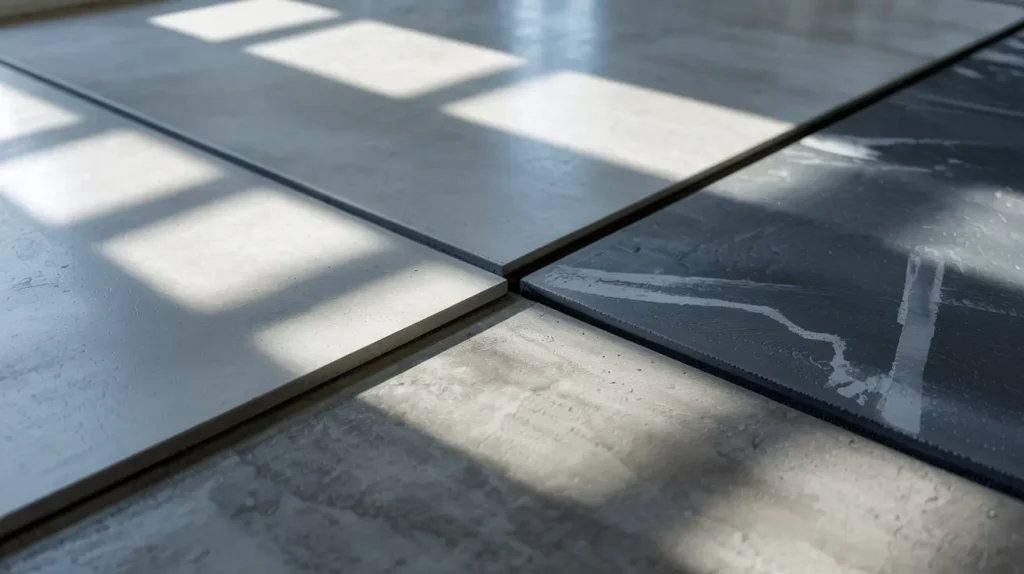
Polished concrete is ground smooth and treated to increase density, then refined to a chosen sheen. High gloss reflects more light but shows streaks, smudges, and dust faster. Satin and matte finishes look warmer and feel easier to live with in busy homes. If you want the polished look without constant wiping, satin usually suits interiors better.
Grind-and-seal
Grind-and-seal uses grinding for a clean surface, then relies on a sealer for protection and sheen. It can be a practical choice when you want easier future refreshes. It also gives more control over the final look, depending on the topcoat.
Stained concrete vs dyed concrete
Stains react with the concrete and often create natural variation. Dyes give more predictable color control. Both need a protective sealer. Very dark colors can show dust and streaks, especially with higher sheen. Mid tones often look cleaner between mops.
Scored patterns and stencils
Scoring cuts lines into concrete to create a large-tile look without grout. Stencils add pattern without grout joints. This can add visual detail while keeping cleaning simple.
Overlays and microcement
Overlays and microcement sit on top of existing concrete and create a new finished layer. They work well when you want to hide repairs, stains, or uneven texture. They still need sealing, and they still need gentle cleaning.
Coatings for utility spaces
Coatings can provide strong stain resistance and a more uniform look. They often make sense in laundry rooms, mudrooms, or workshops. In living rooms and bedrooms, many homeowners prefer finishes that keep the concrete look more natural.
Room-by-room ideas for interior concrete floors
Concrete can work in most rooms, but the finish and styling should change by space. If you treat every room the same, the home can feel cold and echoey.
Living room
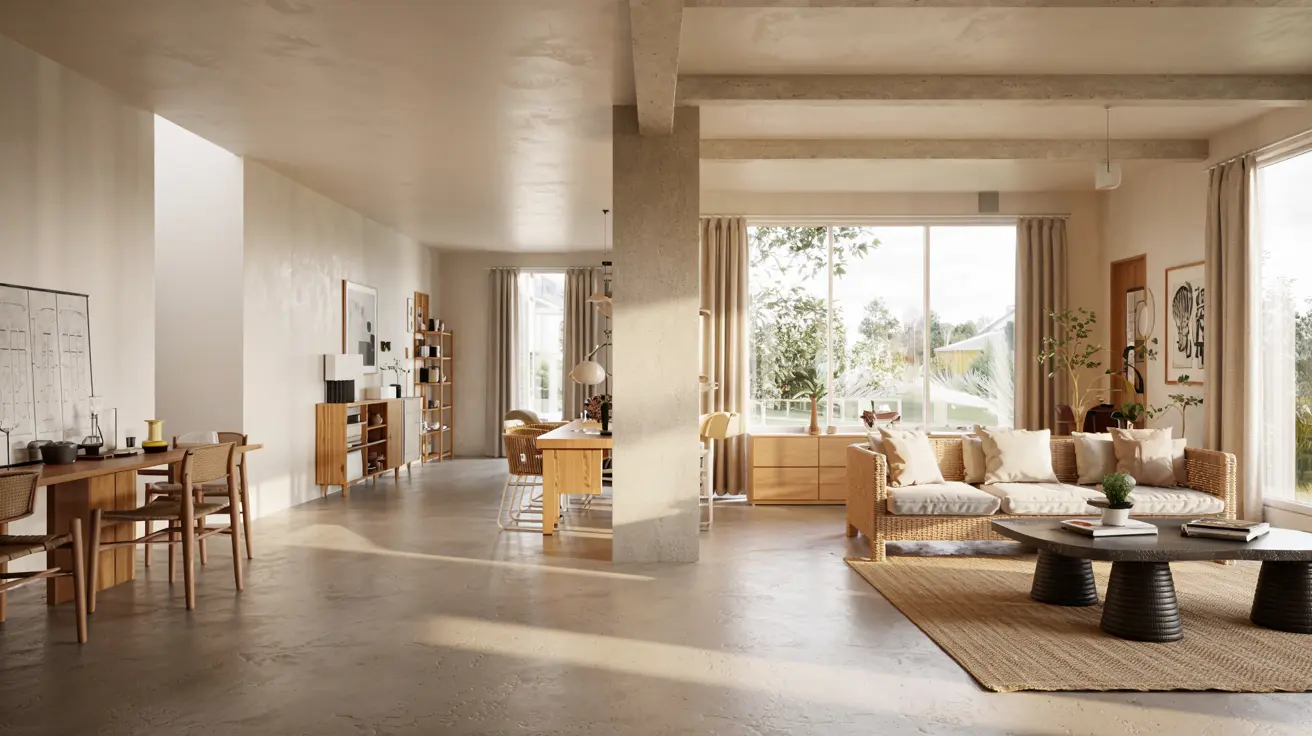
A satin or honed finish feels relaxed and looks less harsh than high gloss. Use a large rug under seating to soften sound and comfort. Add wood, warm lighting, and textured fabrics to balance the hard surface. If the room has large windows, plan for sun control so the floor fades evenly.
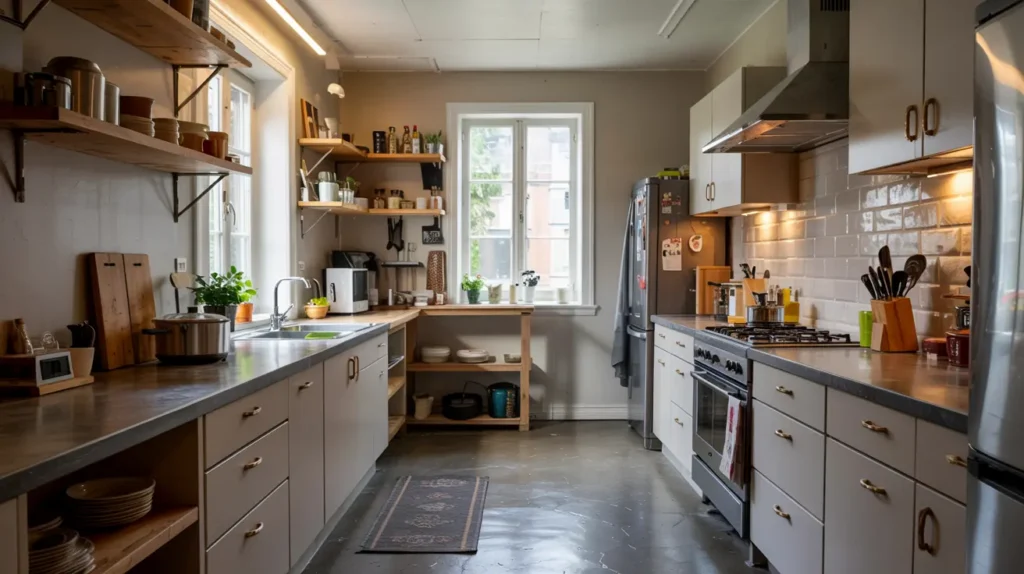
Kitchen
Choose a finish that handles water, grease, and constant foot traffic. Satin finishes often look cleaner day to day because they hide streaks. Place runners near the sink and stove and use quality doormats to reduce grit that dulls the surface. Wipe spills quickly so staining does not reach the sealer edges.
Bathroom
Bathrooms need traction planning and reliable sealing. Skip high gloss if the floor gets wet often. Use mats where water lands and keep ventilation strong to reduce moisture stress. Make sure the finish system is intended for wet areas.
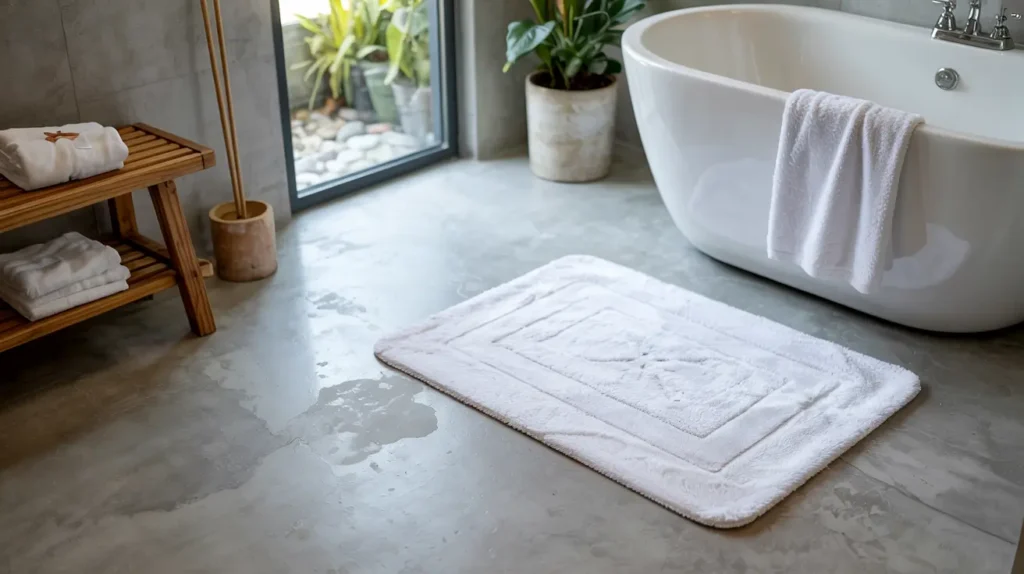
Bedroom
Concrete can feel firm in bedrooms. A large rug under the bed fixes most comfort issues. Warm bulbs and layered textiles help the room feel softer. If you are renovating, radiant heating is the comfort upgrade that changes everything, but rugs still matter.
Basement
Basements demand moisture awareness. Test moisture before finishing and choose a system that fits those results. Plan for airflow and dehumidifying if needed. If moisture moves through the slab, a finish can fail no matter how good it looks on day one.
Comfort fixes: cold feet, hard feel, echo, and the “gray box” problem
Concrete feels colder than wood and warmer than tile depends on your climate and room temperature. The bigger issue is comfort underfoot and sound. Rugs, soft furniture, curtains, and wall art reduce echo fast. Warm-toned paint, warmer lighting, and wood accents keep the room from feeling flat. If you dislike the feel barefoot, plan comfort zones instead of hoping you adjust.

problems and practical solutions
Concrete floors are not “problem-free.” Most issues are manageable when you plan before finishing.
Cracks: what is normal vs a warning sign
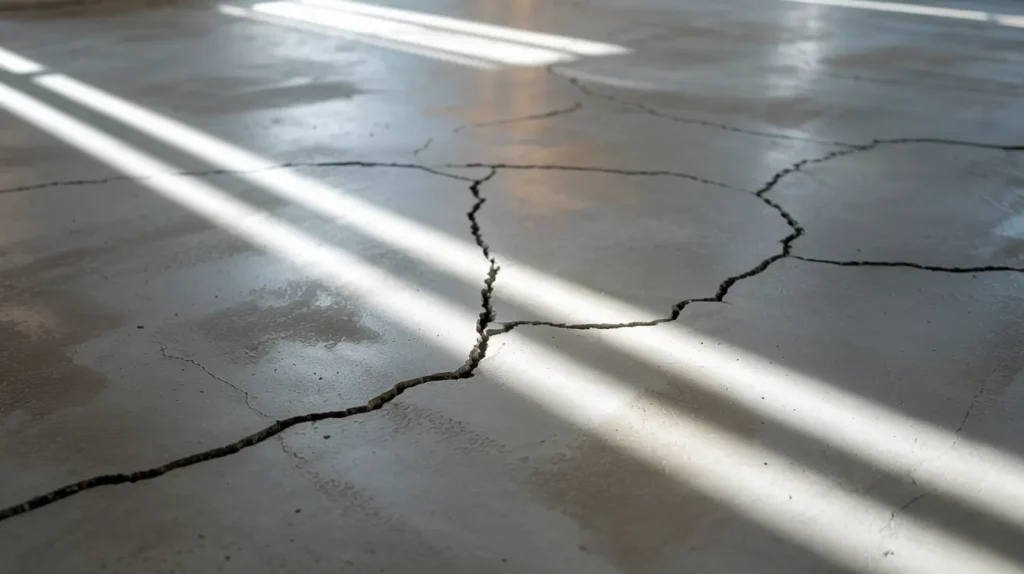
Hairline cracks can happen as concrete cures and shifts. Many homeowners accept them as normal movement. Wider cracks, sharp edges, or cracks that keep growing need repair and sometimes an inspection. If you want a smooth look, an overlay can hide existing cosmetic cracks after proper prep.
Slippery areas
Smooth concrete can feel slippery when wet, especially with higher sheen. Use satin finishes in wet rooms, keep soap residue off the surface, and place mats where water lands. If safety matters most, ask for traction options rather than chasing shine.
Stains and dull walking lanes
Staining usually happens when the sealer is weak or worn in traffic zones. Dull lanes often appear where people walk most. The fix is routine cleaning plus resealing at the right time, not aggressive scrubbing that damages the finish.
Moisture and white powder marks
Moisture moving through concrete can cause sealer issues and white mineral deposits. Basements and ground floors face this more often. Moisture testing before finishing helps you choose the right system and avoid peeling or cloudy areas later.
Cost in 2026: what changes the price most
Concrete flooring costs depend less on the “look” and more on prep. A clean, flat slab costs less to finish. A damaged slab needs patching, leveling, and extra grinding. Color work, patterns, and overlays add labor and material costs. If you want accurate numbers, get quotes that list prep steps and moisture handling, not just the finish name.
New build vs existing slab
New builds can plan the slab as the finished floor from the start, which reduces surprises. Existing slabs may have old coatings, uneven patches, or moisture issues that raise prep cost.
Maintenance that keeps concrete looking good
Concrete floors stay presentable when you keep grit off them and use gentle cleaners.
Weekly and monthly routine
Dry dust removal matters most, because grit scratches sealers. Vacuum or dust mop regularly, then damp mop with a neutral cleaner when needed. Use quality entry mats to reduce sand and small stones.
Reseal timing and warning signs
Reseal timing depends on traffic. Kitchens and hallways wear faster than bedrooms. Warning signs include dull patches, dark marks that do not lift, and rough areas in walking lanes. Refreshing the top layer earlier is cheaper than fixing stains later.
What to avoid
Avoid vinegar and strong acids on sealed surfaces. Avoid abrasive pads. Avoid random cleaners that leave residue and attract dirt. Follow the finish manufacturer’s care notes.
Mistakes to avoid and quick checks before you commit
Most regrets come from choosing a look without planning comfort and upkeep. Check how much direct sun hits the floor and where rugs will go. Decide how often you will clean, then avoid finishes that demand constant wipe downs. In basements, do not skip moisture testing. When hiring, ask what prep steps are included and how moisture is handled, because skipped prep is where failures start.
FAQs
Simple concrete floor interior design?
Keep the finish satin or matte, stay with mid tones, and use one large rug in the main seating area. Add warm lighting and wood accents so the room does not feel cold. Simple design works best when the concrete surface is even and the sealer is easy to maintain.
Modern concrete floor interior design?
Use honed or satin polished concrete with clean lines and low visual clutter. Pair it with warm neutrals, black accents, and textured fabrics like wool or linen. Choose a finish that hides dust and streaks for everyday living.
Concrete floor interior design ideas?
Try a large area rug over honed concrete in the living room, a stained or dyed finish for subtle color depth, or scored lines to mimic oversized tile without grout. In bedrooms, add a thick rug under the bed. In kitchens, use runners where you stand most.
Exterior concrete floor interior design?
For outdoor-adjacent zones like patios that connect to interiors, match the tone and texture so the transition feels smooth. Choose finishes and sealers rated for weather and slip risk. Use mats at doors to stop grit from damaging indoor sealers.
Large concrete floor interior design?
Large spaces need zoning so they do not feel empty and echoey. Use rugs to define seating and dining areas, then repeat warm textures in curtains and furniture. A satin finish often looks calmer across big open plans than high gloss.
Pictures of concrete floors in homes?
Look for real home photos that show concrete in living rooms, kitchens, and bedrooms so you can judge sheen and warmth. Pay attention to light, wall color, and rug size because those details change the feel more than the concrete color alone.
How to do concrete floors in house?
Start by checking the slab condition and moisture risk, then pick a finish based on the room. Repair cracks and level patches before finishing. After that, grind or overlay as needed, then seal with the right system and follow the care routine from day one.
Interior concrete flooring?
Interior concrete flooring works when you choose the right finish and plan comfort. Satin or honed finishes suit most homes because they look clean and hide everyday dust. Rugs, warm lighting, and good sealing turn concrete into a floor you can live with.
Are concrete floors good for interior spaces?
Yes, when the finish matches the room and you plan rugs and soft layers. Sealing and routine cleaning keep it practical.
Are polished concrete floors slippery?
They can be when wet, especially with high gloss. Satin finishes, mats, and good cleaning reduce slip risk.
Do concrete floors crack inside a house?
Hairline cracks can happen and are often normal. Larger or growing cracks need repair and sometimes a professional check.
How do you make interior concrete floors warmer?
Use large rugs, warm-toned decor, and layered lighting. Radiant heating helps during renovation, but rugs do most of the work.
How do you clean sealed concrete floors?
Remove dust and grit first, then mop with a neutral cleaner. Avoid harsh acids and abrasive tools.
Microcement vs polished concrete: which should you choose?
Choose microcement when the slab is stained, patched, or uneven and you want a fresh surface. Choose polished concrete when the slab is sound and you want the exposed concrete look.
Conclusion
Concrete floors can work in interior design when finish choice matches the room. Satin and honed looks suit daily life in most homes. Rugs and soft layers fix comfort and echo issues. Moisture testing matters in basements. With the right prep and care, concrete stays durable and clean.