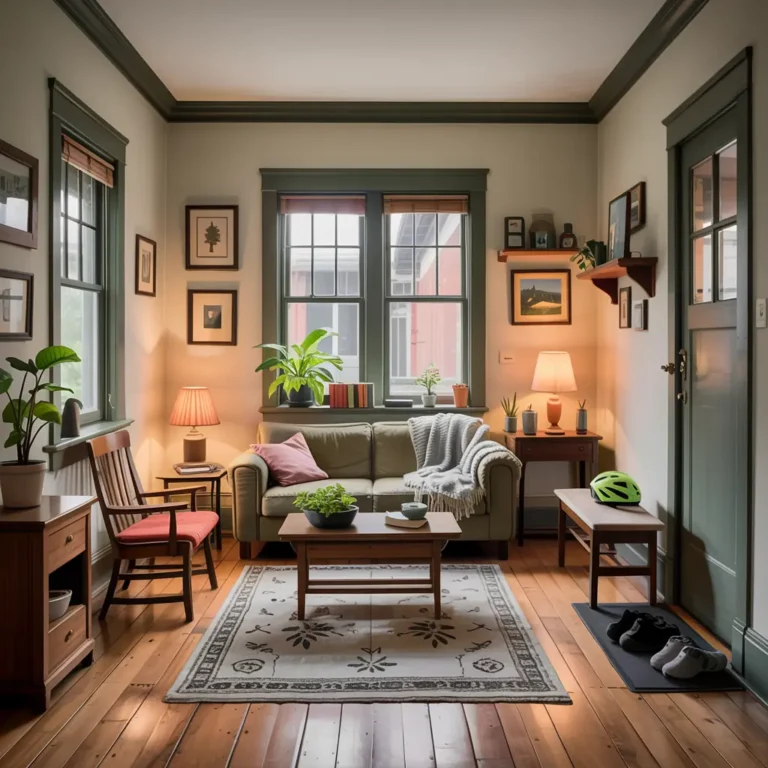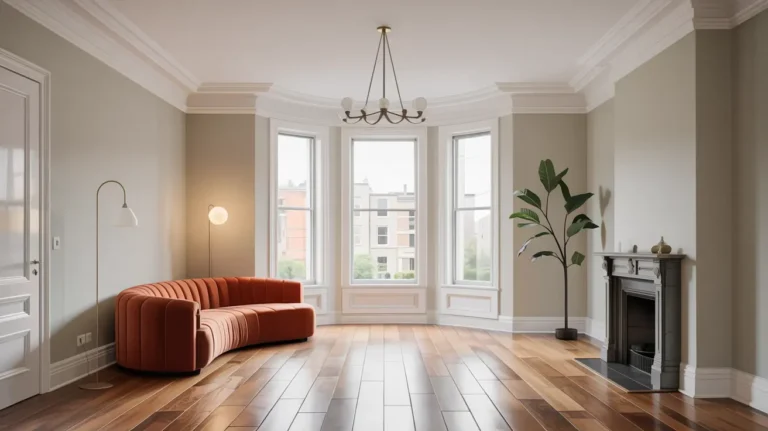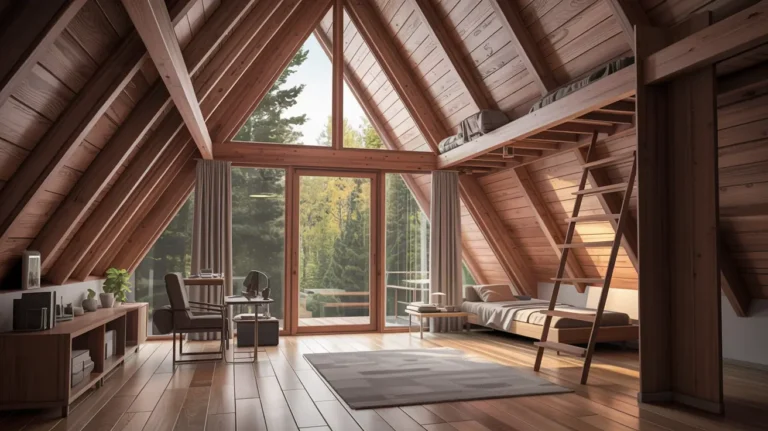

Christmas interior design is not about filling every corner with decorations. It is about shaping a home that feels warm, familiar, and comfortable during the most social season of the year. When people decorate without a plan, rooms often feel crowded and artificial. A thoughtful approach helps your home feel festive while still working for real life.
Most homes already have a style. Christmas decor should support that style, not fight it. A modern home looks best with simple decorations and soft lighting. A traditional home can handle richer colors and layered textures. The biggest mistake people make is copying ideas without adapting them to their own space. When decor respects the home’s layout, it always looks more natural.
Understanding the Style of Your Home at Christmas
Every home has a visual rhythm created by furniture, colors, and layout. Christmas interior design works best when it follows that rhythm. Instead of adding decorations everywhere, focus on key areas that naturally draw attention. These include the living room, entryway, and dining area.
Many people feel overwhelmed because they decorate too many rooms at once. The solution is starting with one main space and finishing it fully before moving on. A completed room feels more satisfying than several half‑decorated spaces.
Choosing Christmas Colors That Feel Comfortable
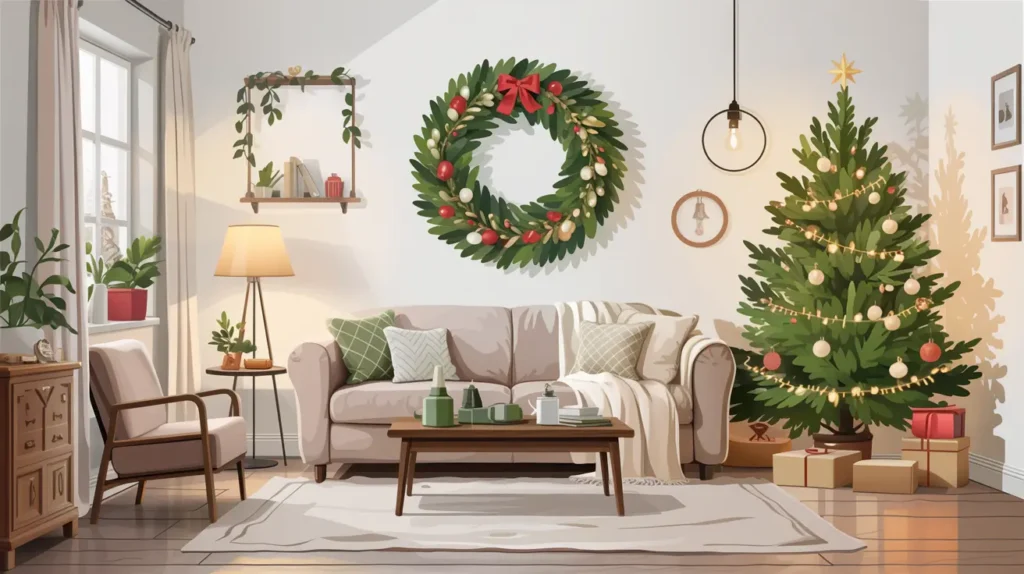
Color strongly affects how a space feels during the holidays. Traditional red and green are familiar and comforting, but they can feel heavy if overused. Softer tones like warm white, beige, muted green, and gold create a calm and welcoming mood.
Homes with darker furniture benefit from lighter holiday accents. Homes with neutral interiors can handle deeper tones like burgundy or forest green. Limiting your palette helps your decorations feel connected rather than random.
Christmas Tree Styling That Looks Balanced
The Christmas tree often becomes the emotional center of the home. A tree that suits the room always looks better than a large tree placed in a tight space. Smaller rooms benefit from slim trees or tabletop trees placed on stools or side tables.
Overdecorating the tree is a common issue. Too many ornaments make the tree feel heavy and messy. A better approach is spacing ornaments evenly and adding texture with ribbon, bows, or simple garlands. Empty space allows the tree to breathe visually.
Creating a Comfortable Christmas Living Room
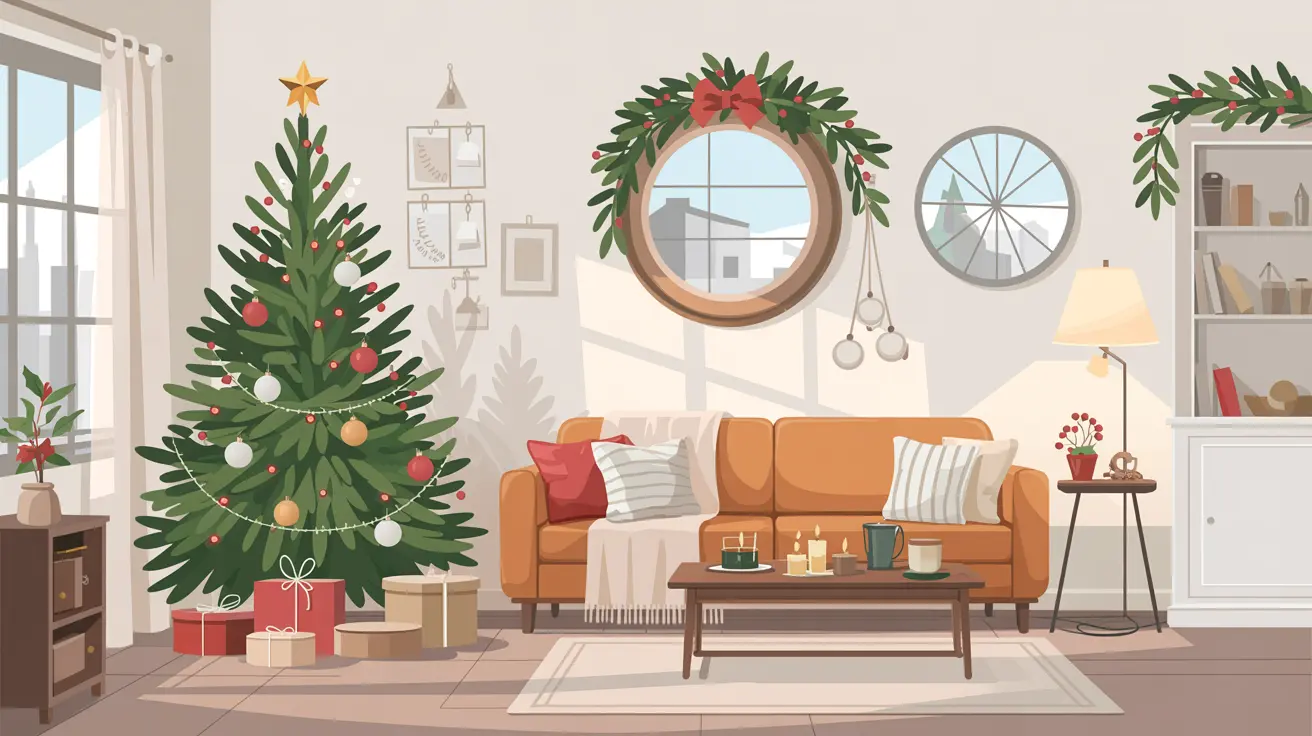
The living room should invite people to sit, relax, and spend time together. Christmas interior design should never block movement or seating. Focus on textiles first. Cushions, throws, and soft lighting instantly change the mood of the room.
Coffee tables work best with simple arrangements. A small tray, candles, or a bowl of ornaments is often enough. When surfaces stay partially clear, the room remains usable throughout the season.
Fireplace and Mantel Styling Without Overdoing It
A fireplace naturally attracts attention, which makes it ideal for Christmas decorating. Mantels look best when decorations vary in height and texture. Garlands create a soft base, while candles or framed items add structure.
Many homes place identical objects across the mantel, which feels flat. Mixing tall and short items adds depth. Homes without fireplaces can apply the same idea to console tables or shelving units.
Welcoming Entryway and Staircase Décor
The entryway sets expectations for the rest of the home. Simple decorations create a strong first impression. A wreath, subtle lighting, or a small bench arrangement works well.
Staircases should be decorated lightly. Heavy garlands often slide or look untidy. Light greenery secured properly keeps the area safe and visually clean.
Dining Area Christmas Decor That Stays Practical
Dining rooms are meant for gathering, not display. Centerpieces should stay low so people can see each other. Candles, greenery, and neutral runners work well without interrupting meals.
Kitchens benefit from small decorative details. Cabinet wreaths or seasonal towels add charm without interfering with daily tasks.
Adding Christmas Touches to Bedrooms
Bedrooms should remain calm during the holidays. Overdecorating sleeping spaces can feel distracting. Soft lighting, winter bedding, or a small decorative accent is enough to change the atmosphere.
Solving Common Christmas Decorating Problems
Clutter is the most common Christmas decorating issue. It usually happens when too many themes mix together. Another problem is decorating without a focal point, which makes rooms feel unfinished.
Choosing fewer, larger decorations solves both issues. Allowing empty space helps each item stand out and keeps the home functional.
Creating Flow Between Rooms
A home feels intentional when decorations connect visually. Repeating similar colors or textures in different rooms creates flow. This does not require identical decorations. Small shared details are enough to guide the eye naturally.
Sustainable Christmas Interior Design Choices
Reusable decorations save money and reduce waste. Neutral ornaments, quality ribbons, and natural elements can be reused every year. Trend based items often lose appeal quickly.
Final Thoughts on Christmas Interior Design
Christmas interior design works best when it feels honest and lived in. A beautiful home does not require expensive items or perfect symmetry. Careful choices, comfort, and restraint create the strongest impact.