
Why bathroom paint fails so often
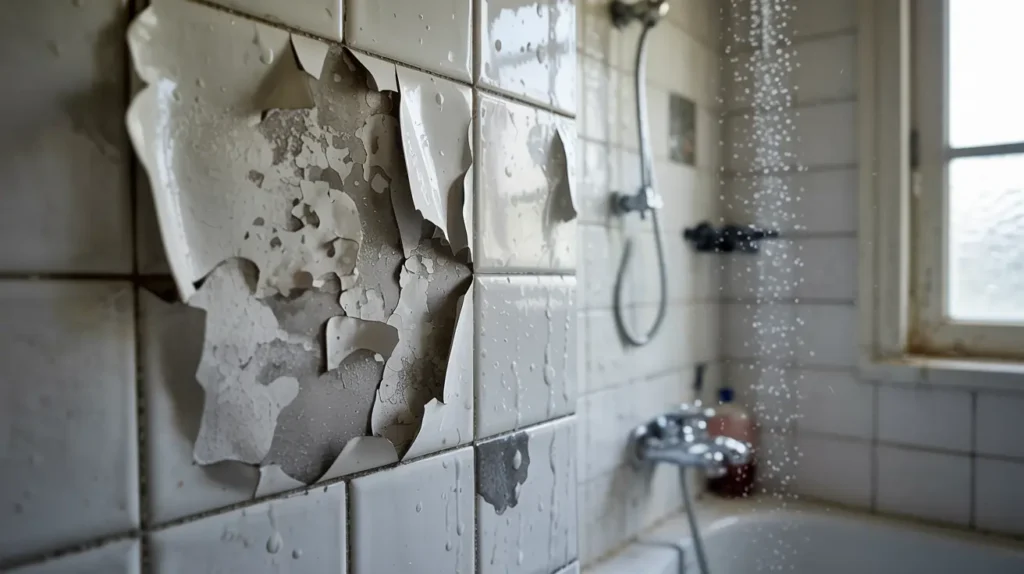
Bathrooms look harmless, but they are the best paint for bathroom. Hot showers create steam. Cool surfaces collect condensation. That moisture sits on walls, ceilings, and trim. If the coating is weak, it softens, stains, or starts to peel.
Most paint failures in bathrooms come from three things. The finish is too flat. The surface was not cleaned well. Or the room stays damp because ventilation is poor. Fix those, and even a simple repaint can last for years.
Start with how your bathroom behaves
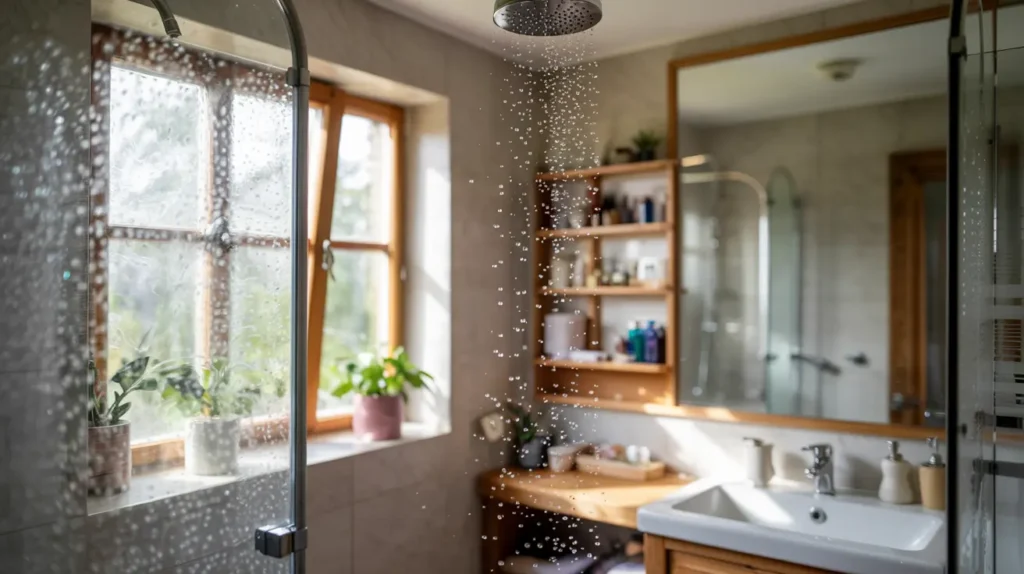
Think about your daily use. Do you take long hot showers. Does the mirror stay foggy for a while. Is there a window, or only an exhaust fan. Those details decide what finish and paint type will work.
A busy family bathroom needs scrub resistance. A small windowless bathroom needs mildew control and faster drying. A guest bath with quick showers can handle a softer finish, if the fan works well.
The best finish for bathroom walls
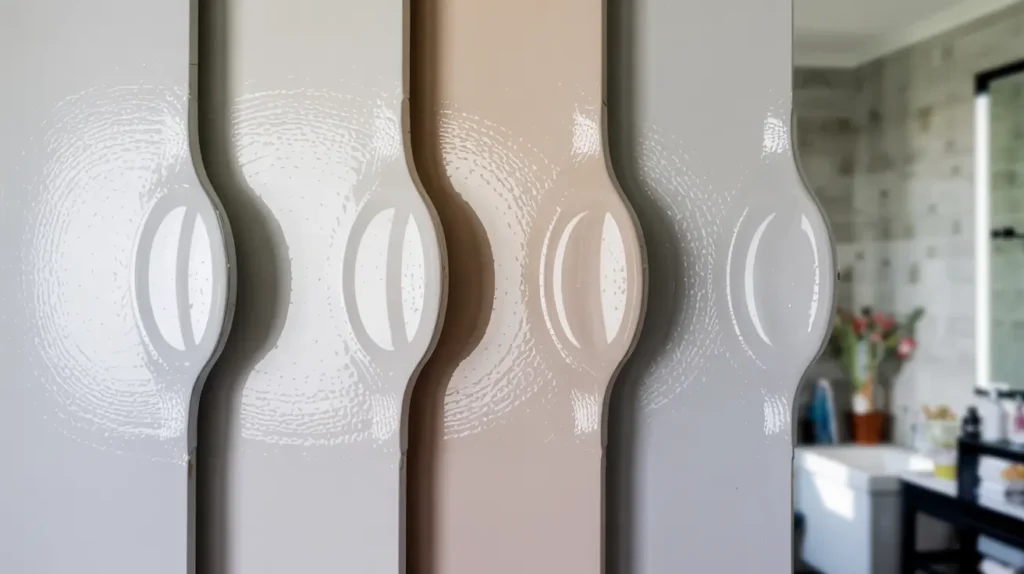
Finish matters more than brand in most bathrooms. It controls washability, shine, and how well the film resists moisture.
Matte or flat can look great, but it is risky in humid rooms. It scuffs easier and can look patchy after cleaning. If you love the look, keep it for low moisture bathrooms with strong airflow.
Eggshell is a middle option, but it still struggles in bathrooms that get steamy every day. Satin is the safest choice for most walls. It cleans well and does not look overly shiny.
Semi gloss is best for splash zones. Use it near sinks, tubs, and anywhere you wipe often. It is tougher, but it can highlight wall bumps and patch lines.
Paint type that holds up in a wet room
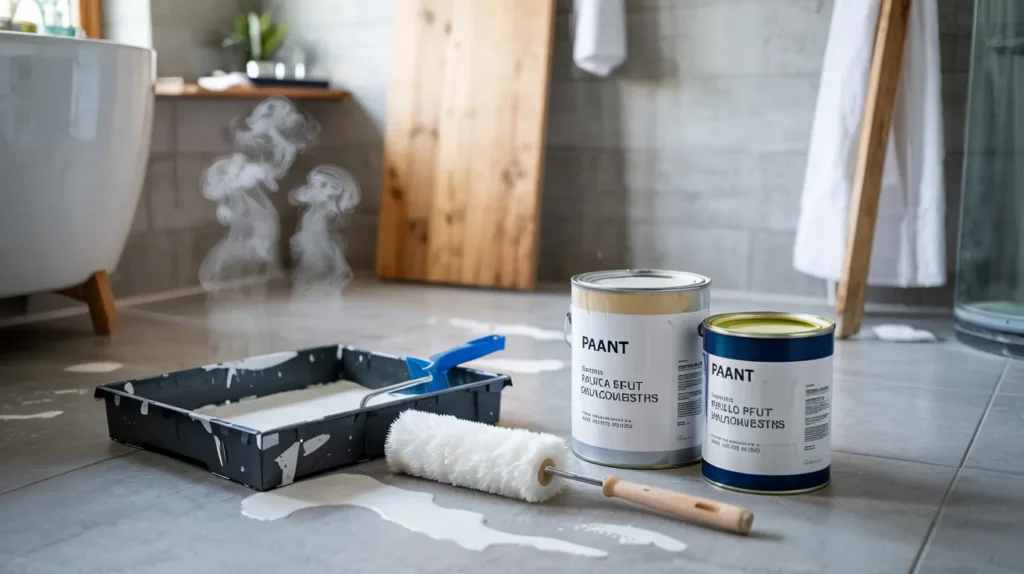
For most homes, high quality acrylic latex is the best pick. It is water based, easy to apply, and durable when paired with satin or semi gloss.
Bathroom labeled paints often include mildew resistant additives. That helps reduce surface spotting in damp rooms. It does not solve a moisture problem, but it can slow the mess while you improve airflow.
Oil based paint can be very tough, but it has stronger odor and harder cleanup. Many people avoid it in small bathrooms. Hybrid water based enamels are a great option for trim and cabinets because they level well and cure hard.
Mold and mildew: what paint can and cannot do
If you see recurring dark specks, treat the cause first. Mold and mildew love damp air and slow drying. Paint alone cannot fix that.
Run the exhaust fan during showers and keep it on after. Crack the door open when you can. Repair leaks fast, even small drips. Wipe down wet corners near the shower if they stay damp.
Clean existing mildew before you paint. Follow the cleaner label and rinse well. Then let the surface dry fully before primer or paint touches it.
Prep that prevents peeling and bubbles
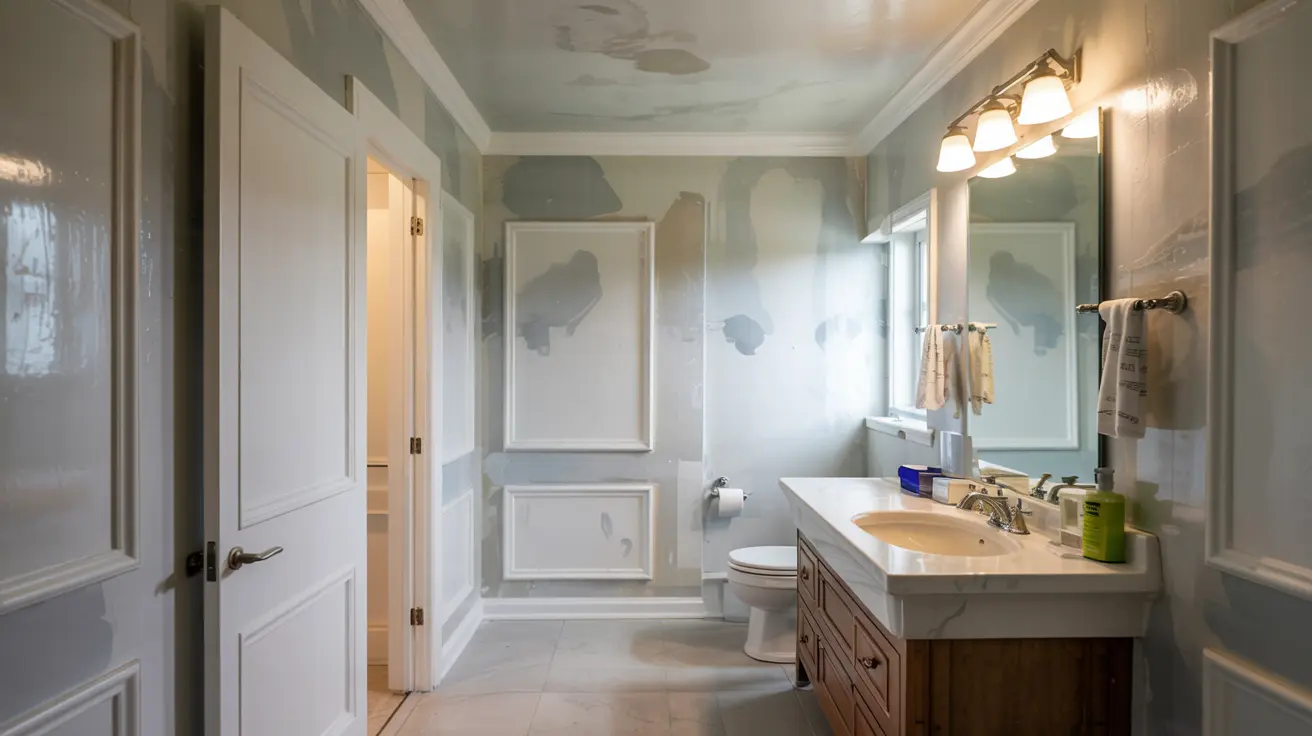
Prep is where most DIY jobs go wrong. Soap film, hair products, and skin oils act like a barrier. Paint sticks to the grime, not the wall.
Start by cleaning with a degreaser or a strong bathroom cleaner. Rinse with clean water. Give the room time to dry. A fan and open door help a lot.
Scrape loose paint. Patch holes and cracks. Sand repairs smooth. Remove all dust after sanding so the new coat bonds well.
Primer choices that matter in bathrooms
Primer is not always required, but it often saves the job in bathrooms.
Use a stain blocking primer if you have yellow or brown water marks. Otherwise the stain can bleed back through.
Use a bonding primer if the old surface is glossy or slick. This is common on older semi gloss walls and trim.
If the room has a history of mildew, choose a primer designed for humid areas. It supports adhesion and improves long term durability.
Choose paint by zone, not one can for everything
Walls in the dry part of the room do not need the same coating as the splash zone.
For most walls, choose acrylic latex in satin. For areas that get wiped often, move up to semi gloss.
Ceilings collect condensation and dry slowly. Choose a coating made for humid rooms. A softer sheen can look better overhead, but avoid finishes that scuff easily.
Trim and doors take bumps and fingerprints. Semi gloss is a good match. For cabinets and vanities, use a cabinet grade enamel or a hybrid enamel that cures hard.
Buying checklist that keeps it simple
When you compare paints, focus on performance features, not marketing claims.
Look for scrub resistance and washability. For damp rooms, choose mildew resistant labeling. If the bathroom is small, low odor and low VOC can make painting more comfortable.
Then match sheen to the job. Satin for most walls. Semi gloss for splash zones and trim.
Common problems and real fixes
Peeling near the shower usually means moisture or poor prep. Improve airflow, clean well, prime, then repaint.
Patchy shine often comes from uneven porosity or over rolling. Primer helps. Keep a steady pace while rolling.
Mildew that returns quickly points to slow drying. Use the fan longer and wipe damp corners after showers.
Brush marks on trim improve with better tools and thinner coats. A leveling enamel also helps.
Application tips that change the result
Paint when the room is dry, not right after a shower. Cut in edges, then roll while edges are still fresh.
Do not overwork paint as it starts to set. Follow recoat time on the label. Give the paint enough cure time before heavy steam.
Frequently asked questions
Do you need special paint for a bathroom?
Not always. Acrylic latex with the right finish works in many homes. Bathroom-labeled paint helps in damp rooms with recurring mildew.
Can you use matte paint in a bathroom?
You can, but it marks easier and cleans worse. It fits low-moisture bathrooms with strong ventilation.
What finish is easiest to clean?
Satin and semi-gloss clean best. Satin looks more balanced on walls. Semi-gloss is best in splash zones.
What is best for a bathroom ceiling?
Choose a coating made for humid rooms. Pair it with better ventilation and enough dry time after showers.
How do you stop paint from peeling?
Fix moisture first, then clean, dry, prime, and repaint with a tougher finish.
Simple recommendation for most homes
For most bathrooms, use high-quality acrylic latex in satin on walls. Use semi gloss on trim and splash zones. Prime when stains, gloss, or old mildew are present. Keep the room drying fast with good fan use.