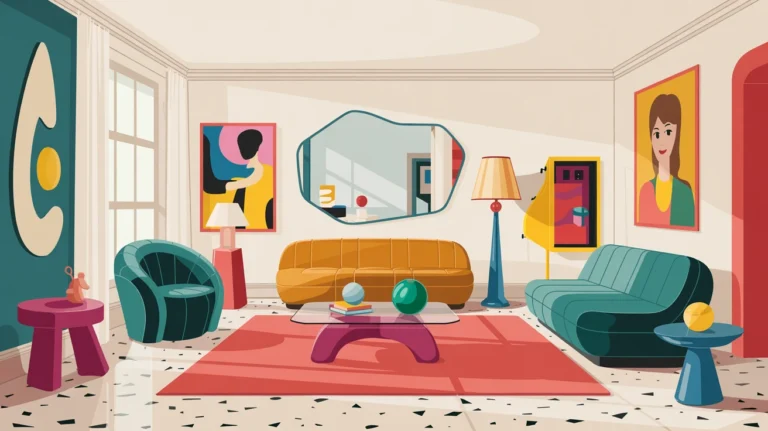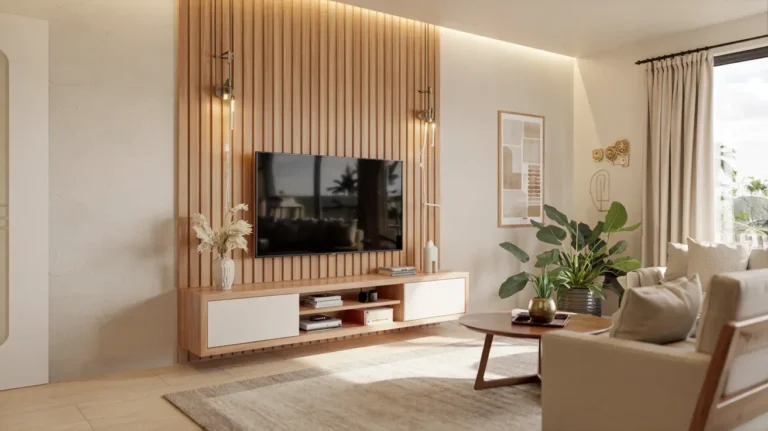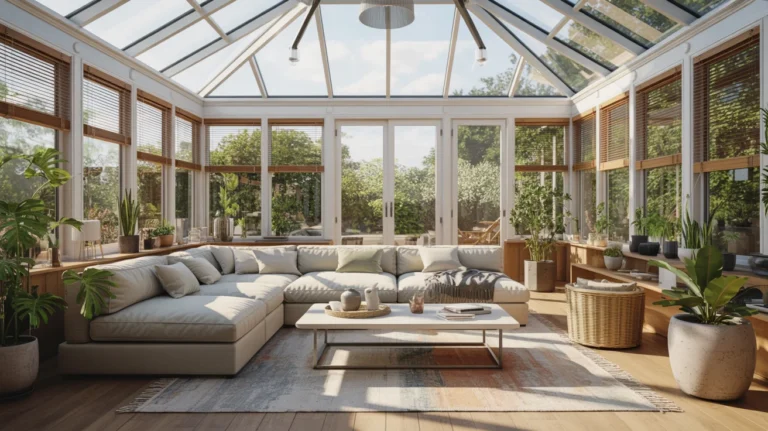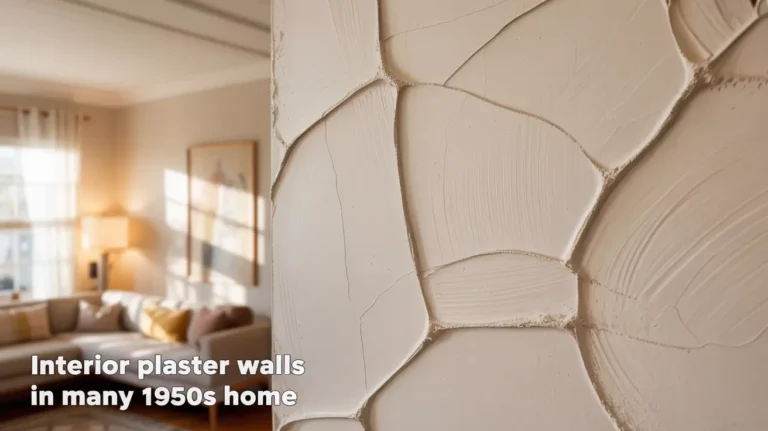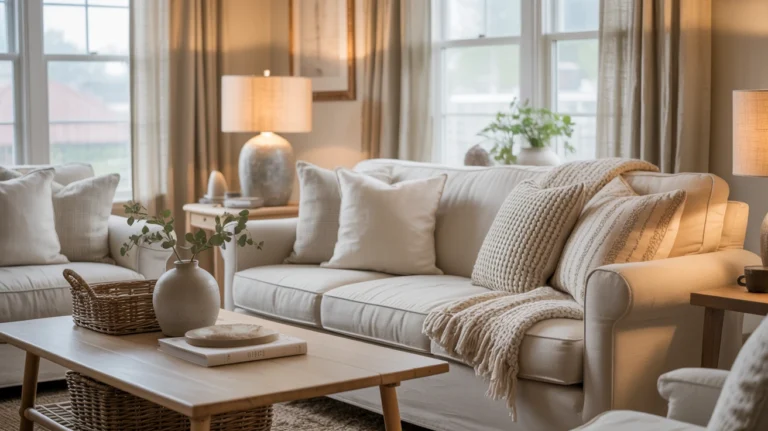

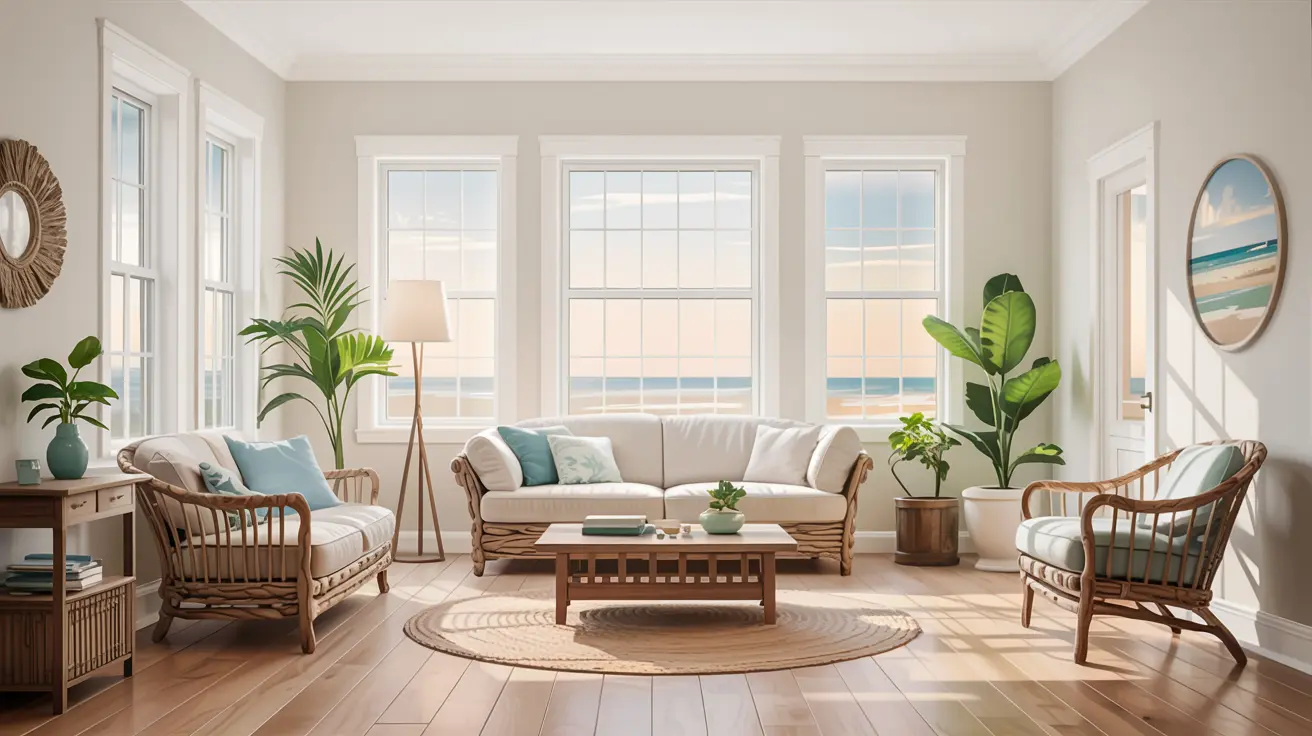
There’s something about walking into a beach house interior design that slows your mind without you noticing. Maybe it’s the light, or the air, or the way everything feels just a bit softer than it does back home. The space doesn’t try too hard. It doesn’t talk over you. It sort of settles around you, like a quiet breath. That’s the part people want to capture, even if they don’t always know how to explain it. A real beach-style interior isn’t about matching décor or themed pieces. It’s more about letting the house feel as open and easy as the coastline outside.
How Light Moves Through a Beach House
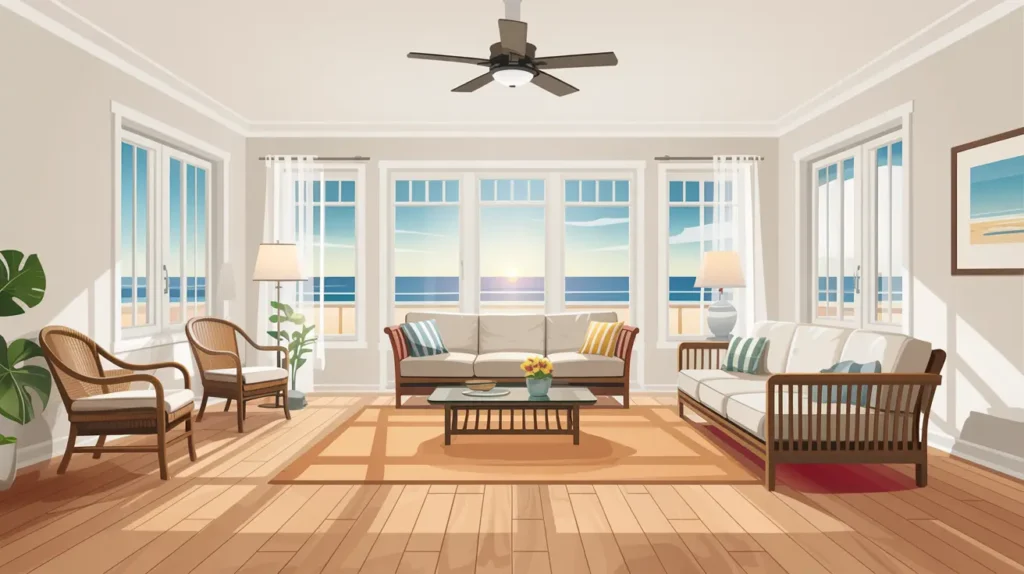
Light near water behaves differently. If you’ve ever sat in a room that faces the shore, you know it. The light lingers. It bounces. Sometimes it feels like it stretches out longer than it should. But it doesn’t always reach every corner, and that’s where most people get stuck. They think the back of the room is too dark because the house is old or the layout is strange, but it’s usually something much simpler.
Thick curtains do more harm than good in a beach home. They swallow the brightness before it even gets a chance. When you replace them with something thin and easy — linen, cotton, anything that lets the glow through — the entire room shifts. It doesn’t get brighter in a loud way. It just feels more open. A mirror can help too, especially placed where the sun naturally lands. It pulls the light deeper into the space without looking like a trick.
Letting the Indoors and Outdoors Talk to Each Other
A beach house works best when the outside doesn’t feel like a separate world. Not every home has huge windows or grand decks, but you don’t need those for that slow, breezy feeling. Sometimes a small detail does more than a big renovation. Light wood near the doorway, a simple rug that feels a bit like sand under the feet, even a quiet stretch of stone that cools the room in the middle of the day — these little choices build the mood without shouting.
People often underestimate how much daily habits shape the feeling of a home. A basket for sandy shoes, a place for towels, one spot where you drop what you carried in — those simple things add a lived-in warmth. Not messy. Just honest.
Colours That Feel Like the Coast Without Copying It
Coastal colours aren’t really about blue walls or seashell prints. The real trick is how the colours sit together and how they respond to the light you already have. Soft whites, sandy beige tones, and those warm greys that almost disappear — they make the walls fade just enough so the room feels open. Then you add the gentle blues or seafoam greens in small touches, not so the room screams “beach,” but so the space feels like it exhaled.
Driftwood grey is one of those colours that surprises people. It looks plain in the tin, but when it spreads across a cabinet or a low shelf, it pulls the room together without taking all the attention. It has that worn, comfortable quality that fits a beach home naturally.
A Little Colour Is Enough
Rooms can go wrong in two ways — too pale or too bold. If everything is soft, the room feels flat. If every corner shouts with blues and greens, it loses the calm. Most beach houses don’t need much. A throw on the sofa, a couple of cushions with a washed pattern, maybe one vase that picks up the light just right. These small things guide the eye but don’t pull you out of the moment.
Textures Carry Most of the Feeling
Texture does so much of the emotional work in a beach house. Not in a showy way, but in a quiet, grounding way. Linen slumps over the edge of a sofa and suddenly the room feels lived in. Cotton softens hard lines without asking for attention. Woven rugs settle the floor, especially the ones made from jute or seagrass that can handle sand and bare feet.
Rattan and seagrass furniture feel honest in these homes. They’re light, but strong. Simple, but warm. Wood with a light wash brings that weathered look without feeling old or tired. All of it together creates a home that feels like it belongs near water.
Furniture That Lets the Room Breathe
Heavy furniture fights against the openness of a beach home. Strong angles, dark finishes, bulky frames — they all push the room inward. But rounded chairs, slipcovered sofas, open shelves, light wood — those pieces let the air move. They make the room feel comfortable without trying too hard.
Something small, like a woven stool or a soft bench, can warm a corner in a way no large piece ever could.
Nature Indoors, But Sparingly
A beach house isn’t a theme park. It’s easy to go overboard with seashells, anchors, ropes and whatever else stores sell in the “coastal” aisle. But the real spirit of a beach home comes from natural shapes, soft tones, and pieces that feel touched by time.
A driftwood branch on a shelf. A handmade bowl. A piece of glass with a curve that catches the light. A plant near the window. These things don’t shout. They simply sit there and make the room feel more like itself.
Little Problems Every Beach Home Faces
There are always small issues — glare, cold tones, or rooms that feel empty even when they aren’t.
Glare is easy to fix. You don’t block the light; you soften it. Thin curtains or textured blinds do that without dimming the room. If the house feels too cold, add warmth through beige tones or natural textures. And if the room feels flat, a woven rug or even a textured throw adds depth in seconds.
When Everything Works Together
When the light feels gentle, when the colors settle into each other, when the textures soften the edges—the whole house changes. You don’t notice each element on its own. You just feel the room settle. A beach house should hold the same pace as a quiet afternoon by the water. Slow. Easy. Warm. Something you feel more than you can describe.