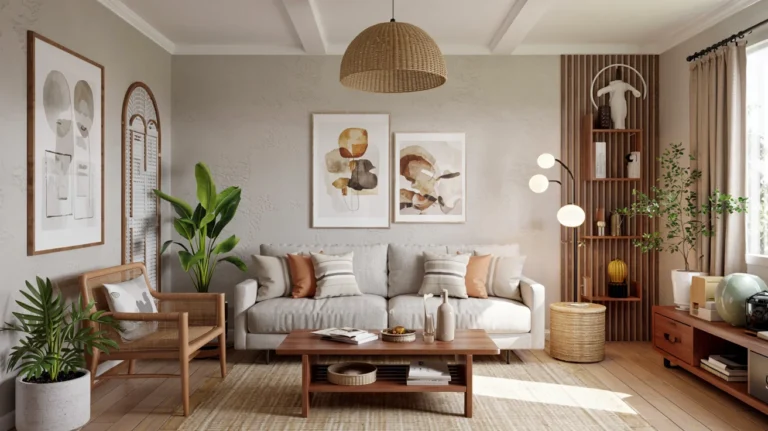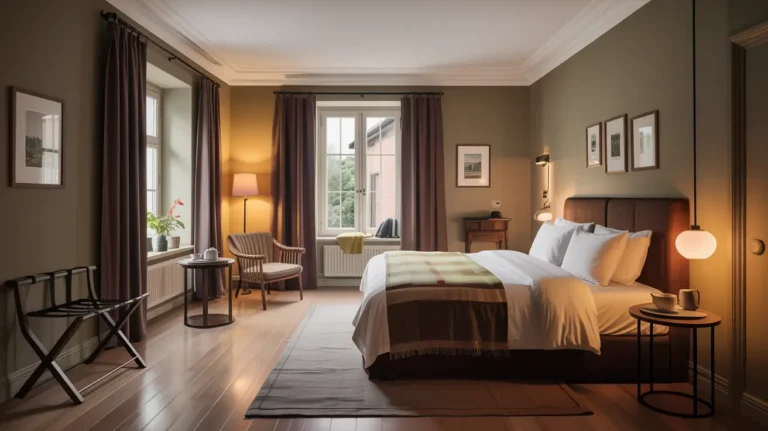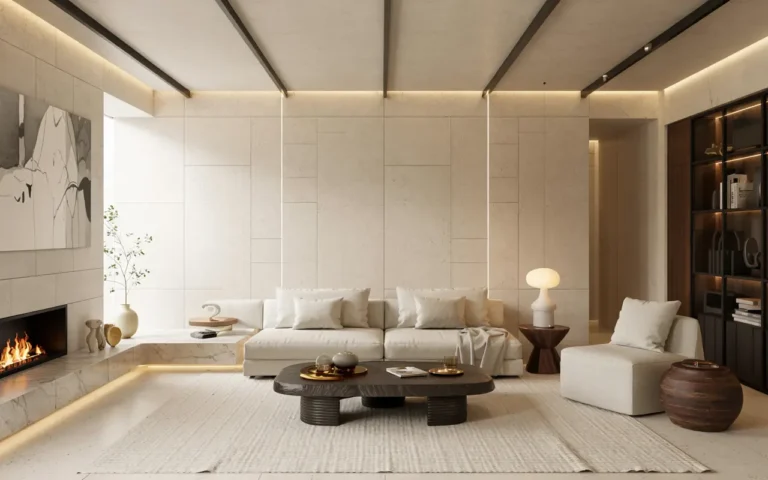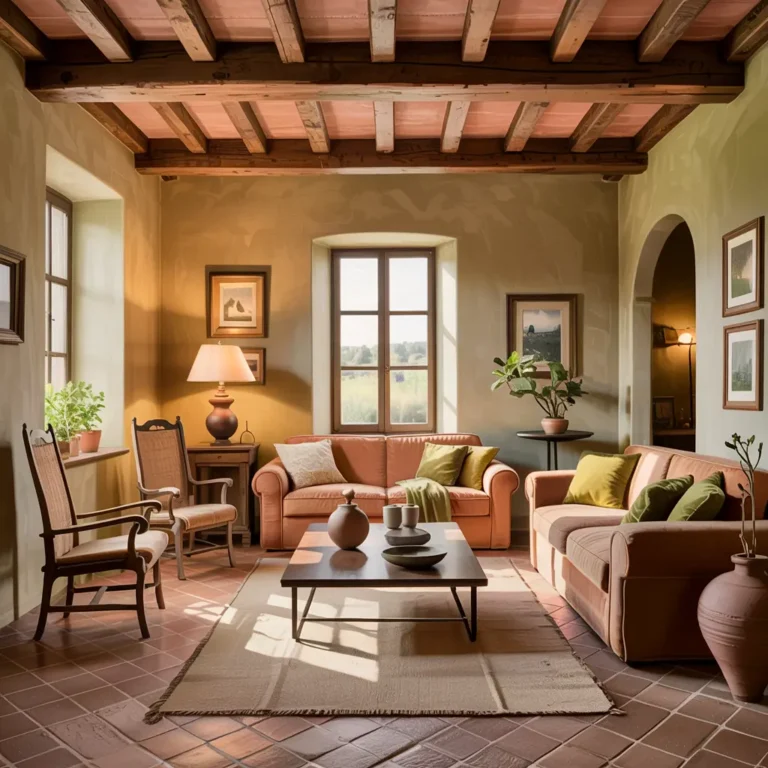

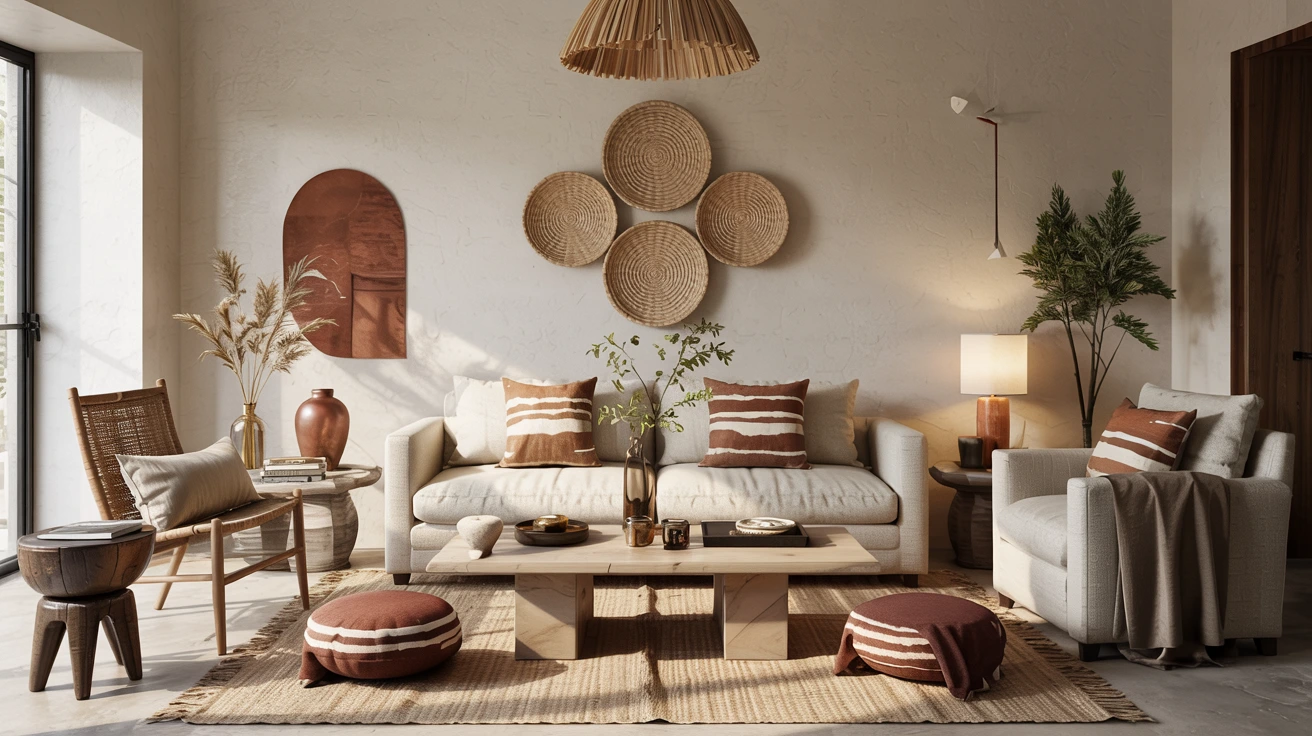
An African interior design living room can feel warm, grounded, and lived in. The look comes from texture, crafted pieces, and a calm plan. It draws from many regions and traditions across the continent. You can keep it earthy and quiet. You can also bring in bold color and pattern. The key is to choose fewer items with meaning and give them space.
What African interior design is in a living room
African interior design in a living room uses natural materials, layered textiles, and handmade decor to shape the mood of the space. Clay, terracotta, wood, leather, stone, and woven plant fibers show up often. Textiles and motifs can represent identity and heritage, so they work best when used with restraint.
What defines the look
The look is built on texture and craft. A carved stool, a woven basket wall, a hand formed ceramic bowl, or a framed textile can shift the whole room. These pieces sit well inside modern layouts when the base stays calm.
What to avoid
Avoid turning the room into a theme. Avoid mixing many unrelated patterns across cushions, rugs, and wall decor. Avoid filling every surface. A living room needs breathing room so the crafted elements feel intentional.
The key building blocks
A strong result comes from clear decisions about palette, material, textile, and placement. When these choices align, the living room feels cohesive.
Color palettes that suit African inspired living rooms
Start with warm neutrals. Use warm white, sand, clay, and brown as the base. Then choose one accent direction. Terracotta and rust feel sun baked and rich. Indigo and deep blue feel calm. Mustard and ochre feel bright but still natural.
Keep the palette consistent across the room. If your rug is patterned, keep the walls quieter. If the walls carry color, keep the rug and sofa simpler.
Materials that create the right texture
Texture is the foundation. Woven fibers add warmth through sisal rugs, raffia baskets, rattan chairs, and jute accents. Clay and terracotta add earthy weight through planters, lamps, bowls, and wall pieces. Wood adds richness through stools, trays, shelving, and table tops. Ceramic and stone details add a grounded finish.
Match materials to your room. Seal wood in humid areas. Keep delicate fibers away from wet zones and direct sunlight.
Textiles and pattern with restraint
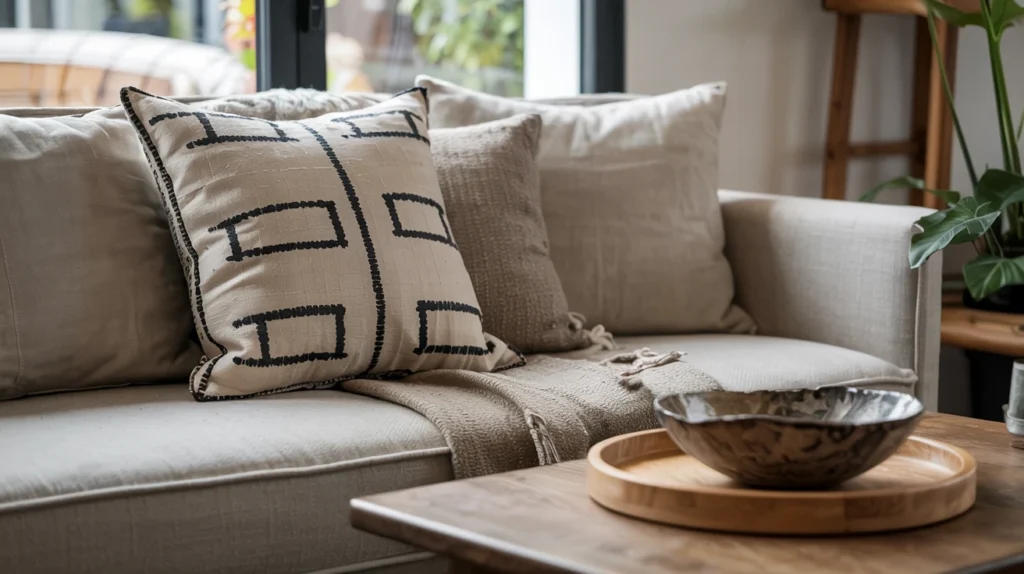
Textiles bring identity to the room. Many patterns carry symbolism, so keep the story clear. Choose one main textile direction, then repeat it in two or three places. Mud cloth cushions with a matching throw can be enough. A framed Kuba cloth panel plus one cushion that echoes the tones can be enough.
Pair patterned textiles with solids. Use texture through knits, woven throws, and natural rugs instead of stacking more prints.
Decor that supports the room
Handmade decor works best when it has purpose and scale. A grouped set of woven wall baskets can replace many small frames. A carved stool can work as a side table. A sculptural vase can anchor a console. Storage baskets can hold blankets and still look refined.
Choose fewer items, then place them where they are used. That is what makes the styling feel natural.
African style directions that work well for living rooms
African interior design is not one style. Pick a direction so your choices stay consistent.
Organic African living room
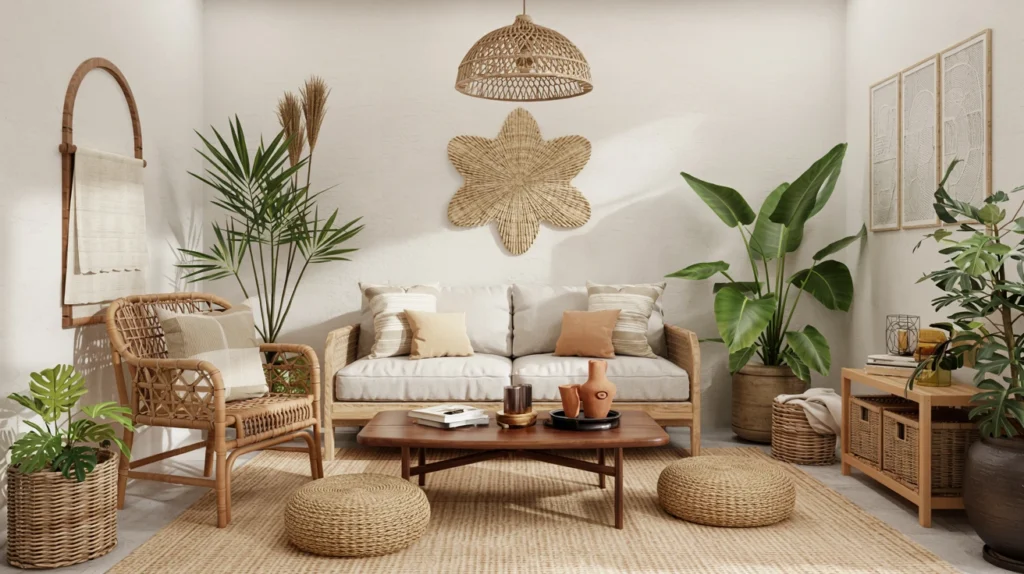
This direction uses textured neutrals, clay tones, and woven layers. Use warm white walls, a sisal rug, wood accents, and terracotta pieces. Add one soft patterned textile, then keep the rest quiet.
Modern African living room
This direction pairs clean furniture lines with a few crafted statement pieces. Start with simple shapes and a neutral base. Add one strong art piece, one patterned textile, and one sculptural object. Matte ceramics, warm wood, and dark metal details fit well here.
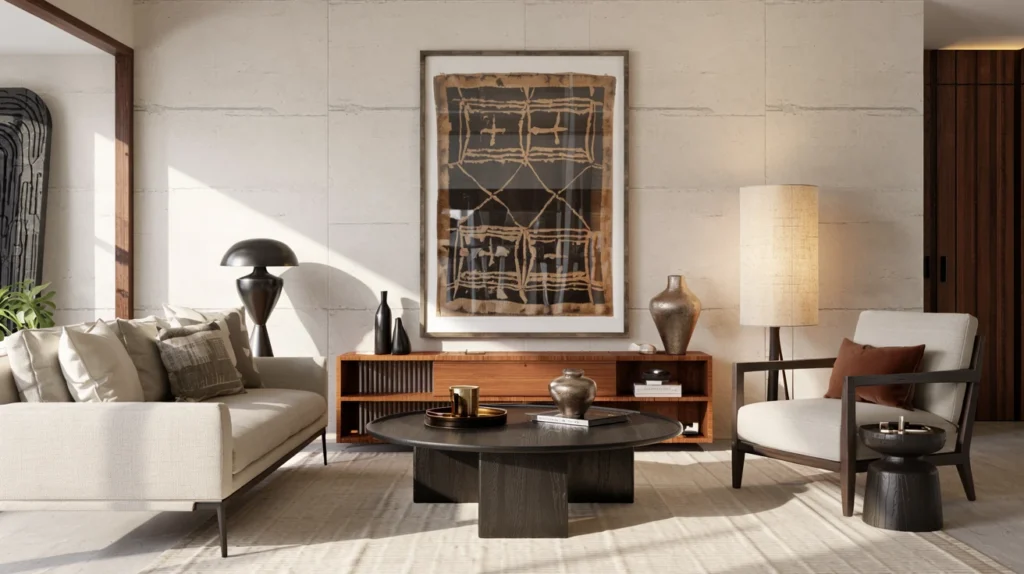
Afro Boho living room
This direction layers texture and pattern with a relaxed feel. Keep the base neutral, then add baskets, jute or sisal rugs, rattan seating, and a small set of patterned cushions. Keep shelves edited so the room stays breathable.
North African inspired living room
This direction often features arches, carved wood, tiled surfaces, warm metals, and layered lighting. Add an arched mirror, a patterned rug, textured wall finishes, and warm brass or black metal lighting. Keep the metal finish consistent across the room.
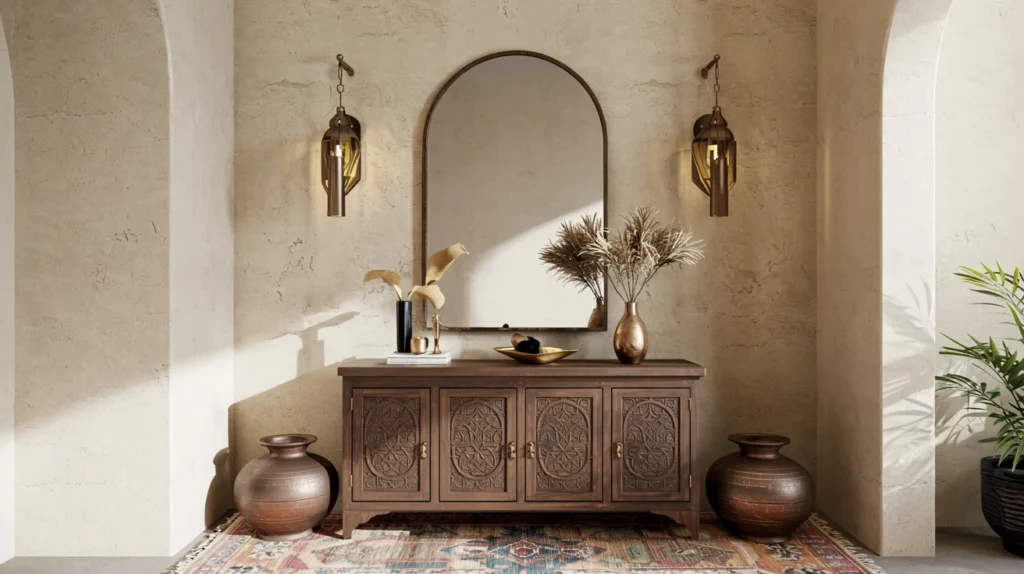
Bold and colorful African living room
This direction uses strong color and graphic pattern. It works best with a neutral base. Choose one color family as the focus, then repeat it through art, cushions, and one textile. Natural materials keep bright choices grounded.
A quick living room style table
| Living room goal | Direction to follow | Base palette | First pieces to add |
|---|---|---|---|
| Calm and grounded | Organic African | warm white, sand, clay | sisal rug, terracotta vase |
| Clean but expressive | Modern African | neutral base, dark accents | statement wall art, carved stool |
| Relaxed and layered | Afro Boho | sand, brown, muted tones | woven baskets, textured throw |
| Arches and warm metals | North African inspired | warm white, brass, deep tones | arched mirror, patterned rug |
| Bright and energetic | Bold and colorful | neutral base, one color focus | hero textile, bold artwork |
A simple setup plan for your living room
Start with the largest surfaces, then add one focal piece, then add two supporting layers. Stop before the room feels crowded.
Step 1: Build the base
Choose a neutral sofa or keep your current one and style around it. Add a textured rug, often sisal or a woven flatweave. Keep curtains and larger furniture calm so the crafted pieces stand out.
Step 2: Choose one focal piece
Pick one focal element that carries the story. This can be a woven basket wall, a large framed textile, or a strong art piece. Keep the focal wall clean around it.
Step 3: Add two supporting layers
Add cushions that echo one textile story. Add a throw for texture. Add one clay or ceramic piece on the coffee table. Add a wood tray to keep daily items tidy.
Step 4: Use warm lighting
Use more than one light source. A floor lamp plus a table lamp creates warmth. Avoid relying only on harsh overhead light.
Sourcing with respect and clarity
A living room feels more grounded when you know what you bring into it. If you can, learn the region or tradition behind a textile or motif. If you shop online, look for close up views of weaving and carving. Prefer pieces that show hand variation instead of perfect uniformity.
If you are working with a smaller budget, start with texture. A sisal rug, woven baskets, and handmade style ceramics can shift the room quickly. Add one carved stool or a large textile piece later.
FAQs
African Interior Design Living Room: what should I start with first
Start with a calm base. Add one textured rug and one focal wall piece. Then add cushions that repeat one textile story. Keep surfaces clear so the room feels open.
Beautiful african interior design: what makes a space look refined
A refined space has restraint. Use a consistent palette. Choose fewer pieces with strong texture. Scale matters. One large woven wall set looks more refined than many small items. Warm lighting also changes the feel of the room.
African interior design ideas: what are easy upgrades that look intentional
Start with woven baskets for storage, a textured rug, and a clay or ceramic vase. Add one framed textile or one strong art piece. Repeat one accent color through cushions and decor.
Modern african interior design: how do I keep it clean and not busy
Use modern furniture shapes and keep the base neutral. Choose one statement textile and one art piece. Use texture through wood, ceramics, and woven fibers. Avoid using many patterns at once.
Traditional African interior Design: how do I include heritage without making it themed
Use heritage through craft and materials. Choose a carved stool, handmade ceramics, and one textile with cultural meaning. Keep the rest of the room calm. Give each piece space and avoid mixing many unrelated motifs.
African Interior design book: what should I look for in a good one
Look for books that explain regional context, materials, and craft traditions. Choose books that include real interiors, not only styled photo sets. A good book should credit makers, designers, and locations.
West African Interior Design: what elements define the look
West African influence is often seen in bold textiles, symbolic motifs, and strong contrast. Use one textile story as the focal point, then balance it with earthy neutrals and natural wood.
East African interior desig: what works well in a living room
East African influence often pairs well with natural fibers, clean shapes, and warm earth tones. Use woven baskets, textured rugs, and ceramics. Keep pattern controlled and let materials lead.
Conclusion
An African interior design living room comes together through texture, craft, and clear choices. Start with warm neutrals and natural materials. Add one textile story with restraint. Use handmade objects that fit daily life. Keep the room edited and warm through layered lighting. The result feels grounded, personal, and cohesive.