
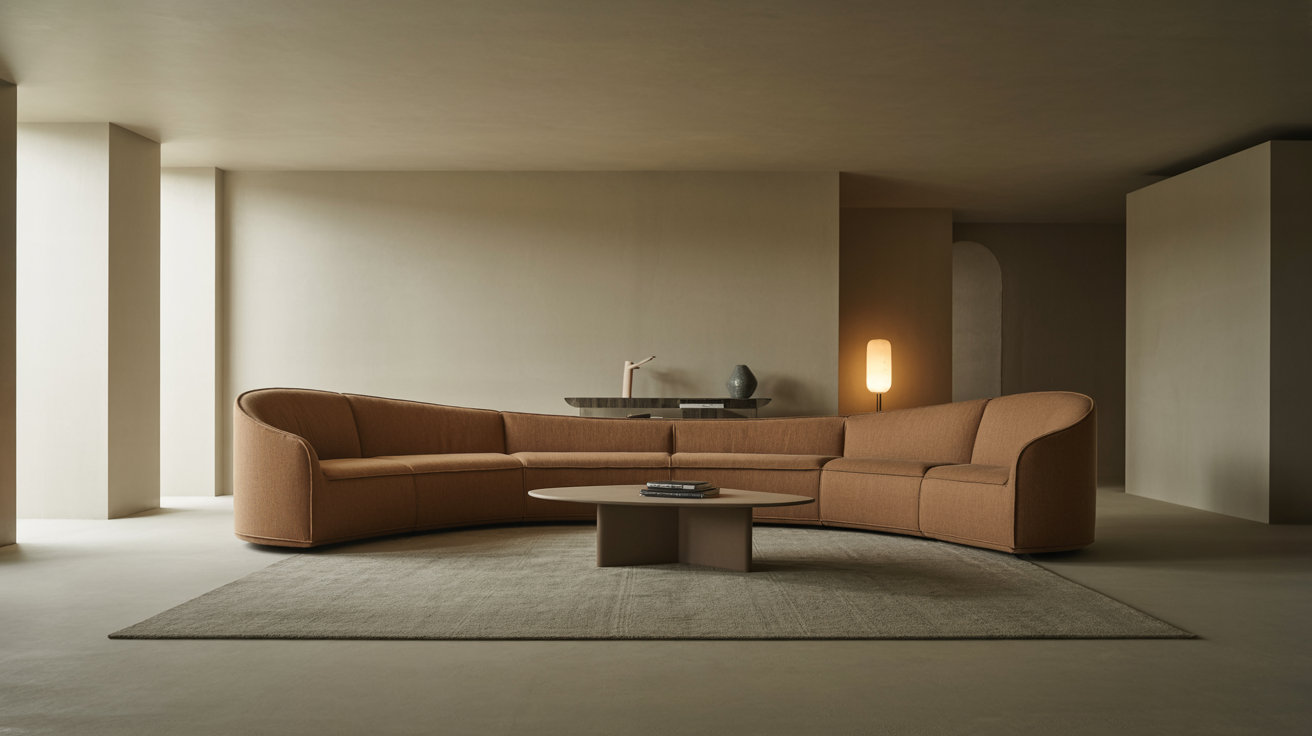
A curved sofa can calm a room fast. It softens sharp lines. It pulls people into a better chat circle. Still, it is not an easy buy. The shape can be pricey. The fit can be tricky. A little planning saves regret. Most people fall for the silhouette first. Then the sofa arrives, and the room feels tight. The fix is simple. Measure the space. Plan the walkways. Choose materials that match real life.
What a Curved Sofa Really Is
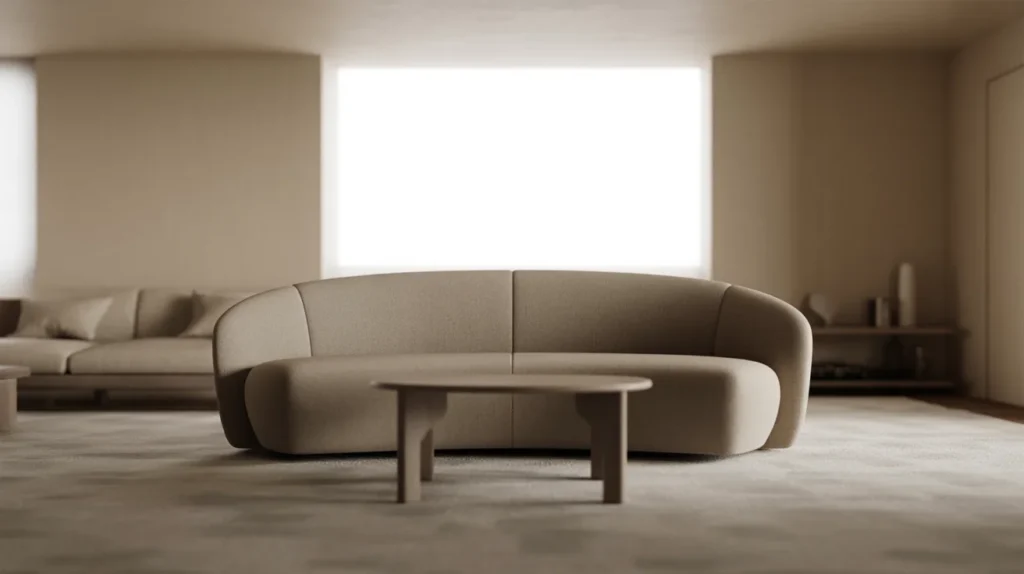
A curved couch has an arc along the front edge. Some arcs are gentle. Some are bold and round. You may see names like crescent sofa, half-moon sofa, or serpentine sofa. A curved sectional uses wedge pieces to bend the line. A curved modular sofa breaks into smaller parts for easier moves. The shape changes how the room works. It shifts where tables sit. It affects sight lines. It can guide how people walk through the space.
Who This Shape Works Best For
Curved seating shines when the goal is conversation. People face each other more naturally. It also suits open-plan rooms. The arc can define a conversation zone without adding walls. This style also looks best when it floats. A floating layout can improve traffic flow. It can make the room feel designed on purpose. That matters in large living rooms that feel empty.
When It Becomes a Headache
This shape can fight narrow rooms. Many curved frames take more front-to-back depth. That steals walking space. It can look odd when pushed flat to a wall. Some buyers expect it to double as a nap sofa. Many arcs are not ideal for that. The curve can limit stretch-out space. If you need wall placement, or you nap daily, choose a gentler arc or a modular option.
Start With the Three Measurements That Matter
Do not start with color. Start with fit. First, measure the footprint. Note the widest span and the deepest point. Depth surprises people most. Next, protect your walkways. Leave comfortable circulation space near doors and hallways. A room can look fine in photos and still feel annoying in motion. Last, measure the delivery path. Check doorways, hall turns, stair width, and ceiling height. Curved frames can be bulky. Packed dimensions matter more than the showroom look. Use painter’s tape to trace the arc on the floor. Walk around it. Sit where your knees would land. If it feels tight now, it will feel worse later.
Layout Rules That Make the Curve Look Intentional
A curve needs a clear job. It should face something. That could be a fireplace, a view, or a TV wall. Aim the arc toward the focal point and keep the centerline tidy. If you can, float the sofa and leave space behind it. Add a slim console table or a low shelf. This helps the shape read as a feature, not an accident. Match shapes to shapes. A round coffee table or an oval table fits the arc. Sharp corners can feel awkward near the curve. Keep side tables light and simple so the main form stays clean.
Curved Versus Straight: The Honest Tradeoffs
A curved couch looks special and sculptural. It can improve social seating. It can also take more space than you expect. A straight sofa is simpler to place. It usually sits against a wall with fewer issues. If your room is narrow, straight lines often win. If your room is open, a curve can win. If you host friends often, the arc supports conversation. If you sprawl and nap, a straight shape may feel better.
Comfort Checks That Matter More Than Style
Looks fade fast. Comfort does not. Check seat depth first. Deep seats feel lounge friendly. Shallow seats feel more upright. Check seat height next. Low seats look modern, but they can be tough on knees. Sit down and stand up a few times. Notice if it feels easy. Then check the backrest. A tight back looks neat and tailored. Loose back cushions feel softer and more casual. Tight backs can be easier with pets, since there is less shifting. Finally, ask about cushion fill. Foam feels supportive and stable. Down blends feel plush and relaxed. Softer fills need fluffing and care.
Fabric Choices for Real Homes
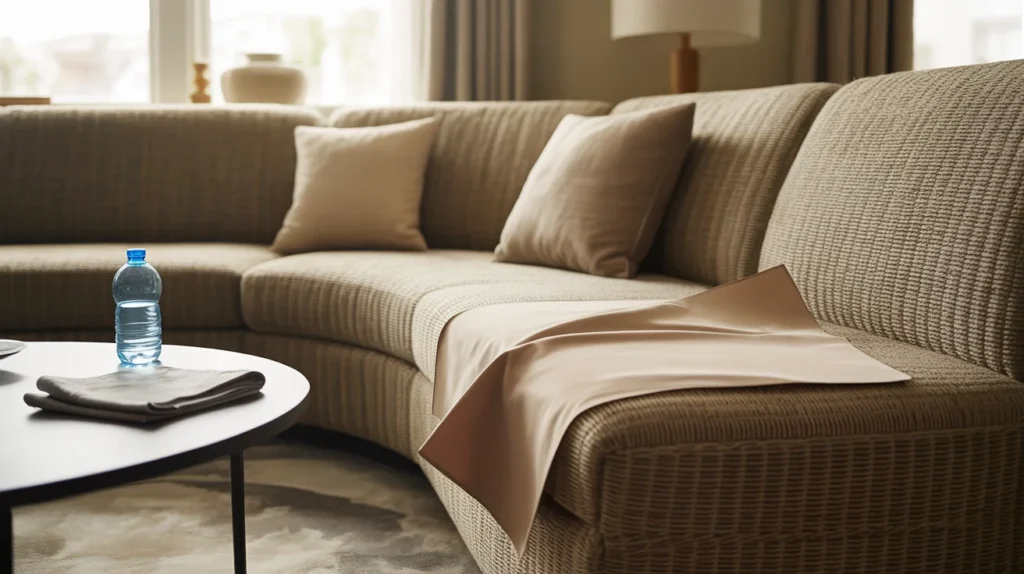
Fabric is where the smart choice shows. If you have kids, lean toward performance fabric. It cleans easier and holds up better. If you have pets, avoid loose weaves that snag. Bouclé looks cozy and textured, but it can trap lint. Velvet feels luxe, but it can show marks and shading. Linen blends feel airy, yet they can stain faster. Leather wipes clean, though it can scratch. Always order swatches. Rub them with a damp cloth. Drop a little water and see the reaction. That test tells you more than any product page.
Color That Stays Good After the Trend Passes
The curve already draws attention. Color should support it. Warm neutrals age well and fit most rooms. Soft taupe, cream, and gentle gray are safe picks. If you want bold color, keep the rest calm. Let the sofa be the statement piece. If you change your style often, choose a neutral base and add color through pillows and throws.
Styling Tips That Make It Look Expensive
Start with the table. A round coffee table keeps the flow smooth. Keep the table size modest so knees have room. Choose an area rug that is large enough. Front legs should sit on the rug. That anchors the seating group and makes the curve feel grounded. Add pillows with two textures and two sizes. Keep patterns simple. A curved silhouette already adds movement. A floor lamp behind the arc adds height and balance.
Common Problems and Fixes
“It blocks my walkway.” This is the most common issue. Pull the sofa forward a few inches. Shift it sideways if needed. Often, a small move restores circulation space. “It looks too big.” Remove one extra chair. Use slimmer side tables. Choose a lighter rug tone. Visible legs can also help the room feel open. “It feels odd to sit on.” Curves can angle people. Balance it with an ottoman or an accent chair opposite. A gentle arc also feels more natural than a tight one. “It fights my TV.” Center the sofa to the screen if you can. When the sofa is off-center, the room feels wrong. Fix alignment before adding decor.
A Practical Buying Checklist
Before you buy, confirm the taped footprint fits with walking space. Check seat depth and seat height in person when possible. Ask if it is modular or one solid frame. Confirm the delivery path with real measurements. Request swatches and test them at home. Review return terms and restocking fees. Ask about lead time, assembly, and service support.
Delivery Planning That Saves You Stress
Curved frames can be stubborn on stairs. Measure the tightest turn and the narrowest door. If the sofa is modular, it is easier. Separate pieces often solve tough entries. Ask for packed dimensions, not just the overall size. Ask if legs or arms can be removed. Also ask if the delivery team carries it upstairs. These details prevent day-of surprises.
Care and Maintenance Without Fuss
Vacuum weekly with a soft brush head. Blot spills fast and avoid rubbing. Rotate loose seat cushions if you can. For velvet, brush the nap gently. For bouclé, use a lint tool often. For leather, wipe with a damp cloth and condition it now and then.
FAQs
Are curved sofas comfortable?
They can be very comfortable for chatting and lounging. Comfort depends on seat depth and cushion fill. Test it in person if you can.
Do curved sofas work against a wall?
They can, but the look is harder to pull off. A small gap helps the curve read better. A gentler arc is easier near a wall.
Are curved sofas still in style?
Yes, but style should not be the only reason to buy. Fit and comfort matter more over time.
What table works best with a curved couch?
Round or oval tables fit the arc best. Sharp corners can feel awkward and block knees.
Can this shape work in a small living room?
Sometimes, with a compact model and fewer extra chairs. Keep the rest of the furniture light. Protect your walkways.
Final Take
A curved sofa can make a room feel high-end and inviting. It can also feel cramped if you skip planning. Tape the floor, protect circulation space, and test comfort details. Choose fabric for real life, not just photos. When those pieces line up, the curve looks right and lives well.