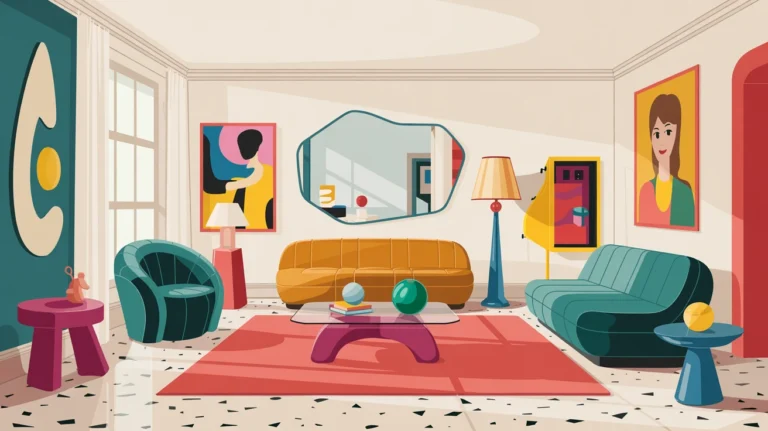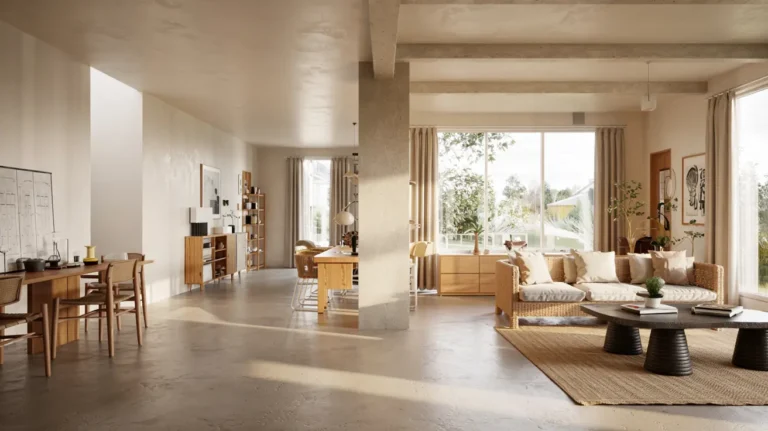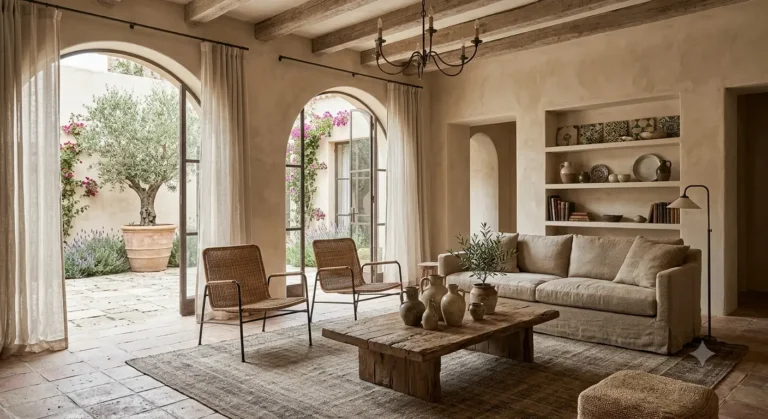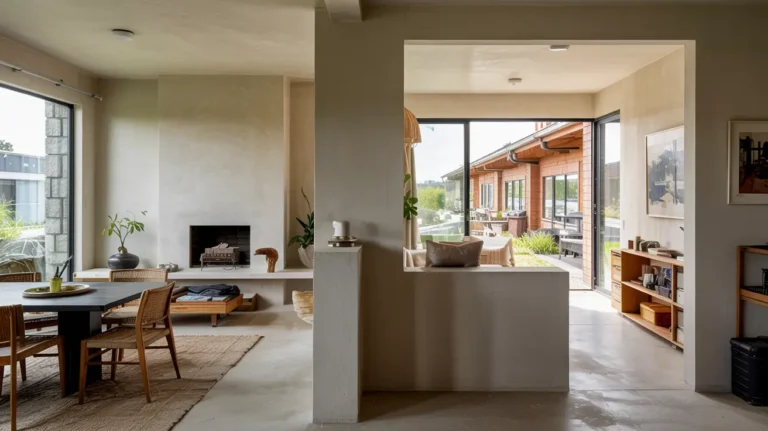

Some rooms feel good the second you walk in. Others feel off, even when they are clean and decorated. A lot of that comes down to daylight. When the light is soft and steady, everything looks calmer. When the sun hits the wrong spot, the room feels annoying. You end up closing curtains and living in lamp light.
This is not about chasing more light at any cost. It is about making the light you have usable. That means fewer hot patches on the floor. Less screen glare. Better color choices. Better furniture placement. And a plan that still works at 6 pm.
First, figure out what your room is actually doing
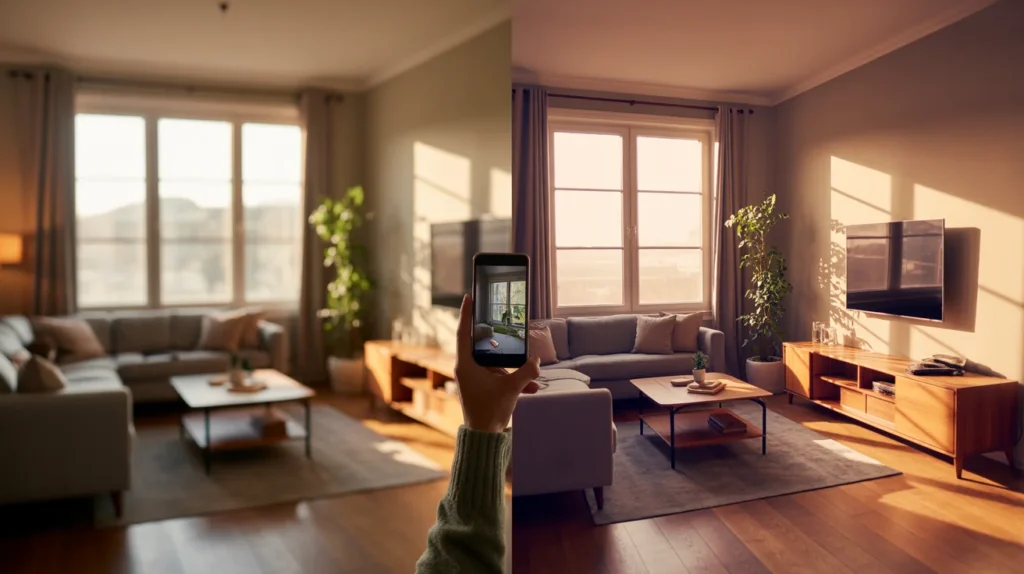
Do this before you buy anything. Pick one normal day. Check the room three times. Morning. Midday. Late afternoon. Stand in the same spot each time. Look at the same wall.Notice where the bright patch lands. See if it hits your sofa seat. Check the TV and laptop screen. Look at your plants. If they lean toward one side, your light is uneven. Feel the air near the window. If it is warmer, heat gain is part of the problem.
Take a quick photo each time. Three photos is enough. Put them next to each other. You now have a simple daylight map. It shows you where the room behaves and where it does not.
Understand the three kinds of daylight you see indoors
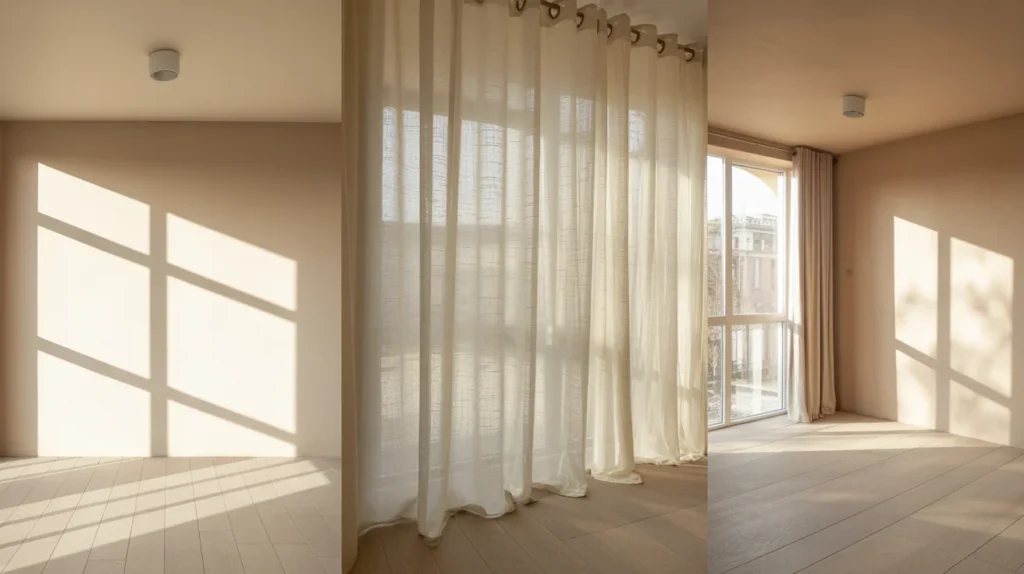
Daylight has different moods. If you name the mood, the fix gets simple.
Direct sunlight
This is the strong, sharp kind. It creates hard shadows. It also creates glare on screens and shiny surfaces. It can fade rugs and artwork over time.If you squint at certain hours, you are dealing with direct sun.
Diffused light
This is the soft, even kind. It feels calmer. You get it on cloudy days. You also get it when light passes through sheers or light-filtering shades.Diffused light is what most people want in living areas.
Reflected light
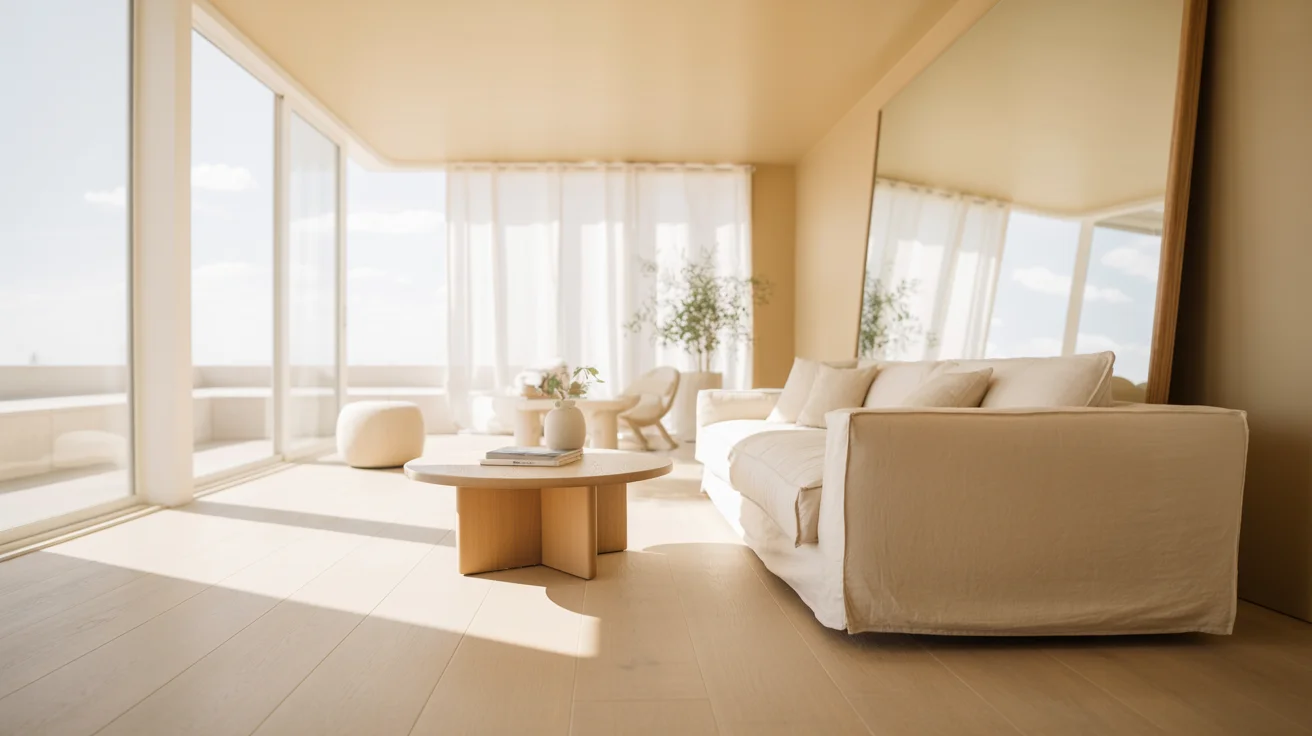
This is daylight that bounces off surfaces. A pale wall can bounce it. A light ceiling can bounce it. A mirror can bounce it. Reflected light is how small windows can still feel generous.If your room is bright only near the window, you need more reflected light.
Window direction explains a lot of mystery problems
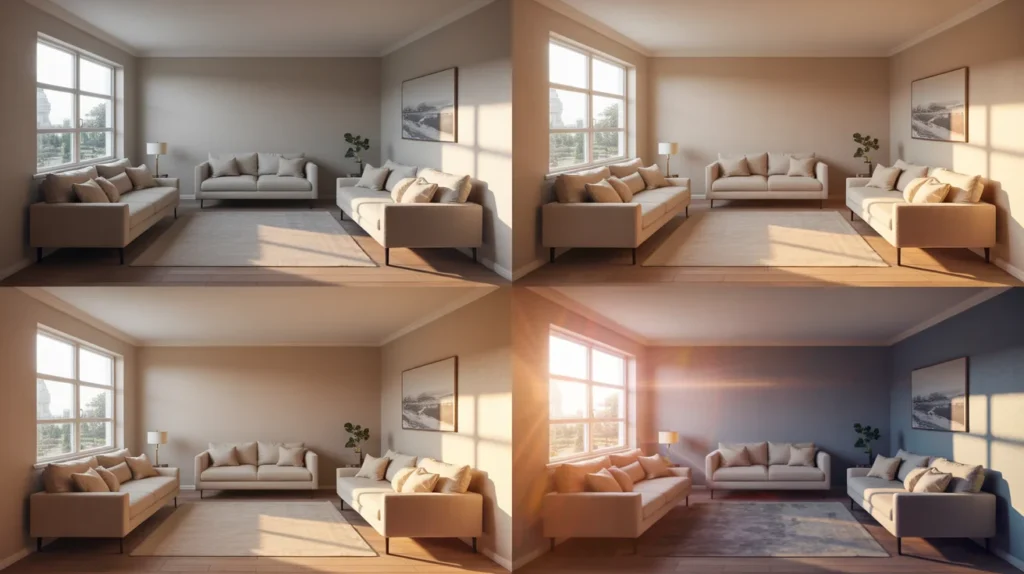
You do not need a compass to get value from this. Just notice when the room is brightest.
North-facing rooms
North light is usually steady. It often feels cooler. Colors can look more consistent. These rooms can still feel flat in winter. They usually need help spreading light deeper.
South-facing rooms
South light can be bright for many hours. It can feel great, then harsh. Glare control matters here. So does choosing finishes that do not flash light back at you.
East-facing rooms
East light is strong in the morning. Then it softens. This can be perfect for kitchens. It can be annoying in bedrooms. If you wake up too early, you know why.
West-facing rooms
West light is the late-day punch. It can feel warm and pretty. It can also make a room unusable at 5 pm. Heat builds up fast. Glare can hit the TV right when you want to relax.
If one seat becomes “the bad seat,” west sun is often the reason.
Solve glare before you solve brightness
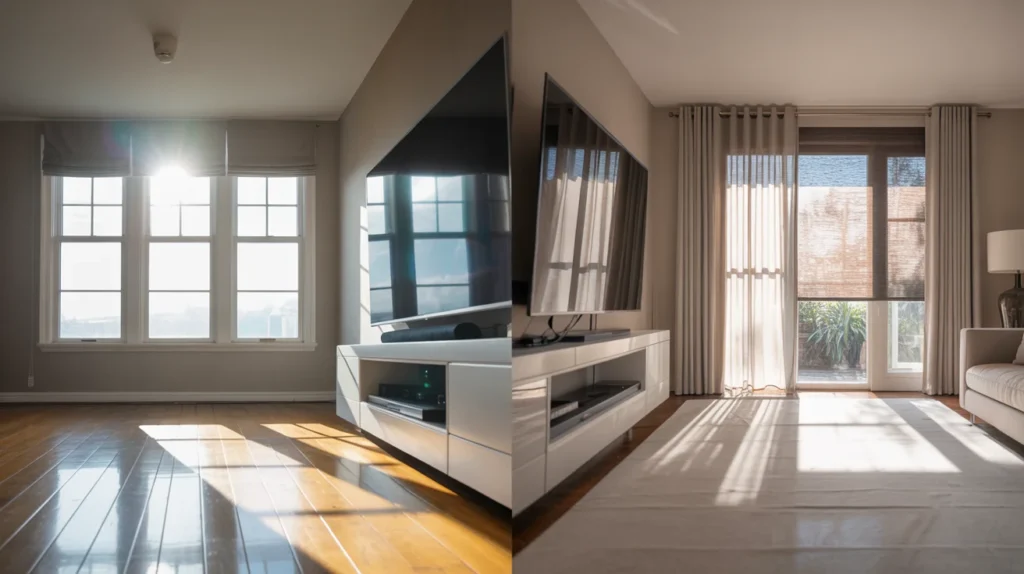
Glare is the fastest way to ruin a room. It makes people avoid areas they should enjoy. It also makes a room feel messy, even when it is not.
Here is the trick. Do not block light like a bunker. Soften it. Shape it.
The easiest fix: sheers
Sheer curtains are underrated. They keep the room bright. They remove the harsh edge. They also make the light feel more flattering. If your room feels aggressive, try sheers first.Choose a fabric that still lets light through. Avoid heavy privacy sheers that act like a wall.
Add a shade for control hours
If you have one bad hour, you need adjustability. A shade behind the sheers gives that. You can lower it halfway and keep the top bright. Top-down bottom-up shades do this well.
This is especially useful for street-facing windows. You get privacy and daylight.
Window film when heat is the bigger issue
Film is not just for offices. It can reduce UV and cut glare. It can also help with heat. It is useful if you rent. It is also useful if you hate bulky treatments.
Do a small test first if you are picky about clarity.
Stop blocking the glass with furniture and habits
Most dark rooms are not dark. They are blocked.
Look at what sits near your window. Tall shelves. A big TV unit. A chair with a high back. Even plants can block light if they crowd the glass.
Move tall pieces to side walls when you can. Keep the area beside the window lighter. If a sofa sits in front of a window, pull it forward a few inches. That small gap helps light spread.
Also look at your curtain placement. If curtains sit inside the window frame, they cover glass even when open. Hanging curtains wider lets the window breathe. It also makes the window look bigger.
Make light travel deeper into the space
If your room is bright only near the window, you need better bounce. This is where finishes and placement matter.
Mirrors that work, not mirrors that annoy
A mirror can brighten a room fast. Place it on a side wall near the window. That usually bounces light inward. Opposite the window can work too. But test it. Sometimes it reflects direct sun into your eyes.
One large mirror often looks calmer than many small ones. It also spreads light more evenly.
The ceiling is a giant reflector
If the room feels heavy, look up. A slightly lighter ceiling can lift everything. It is boring advice, but it works. People notice the difference right away.
If you like color, keep it on the walls. Let the ceiling do its brightening job.
Add shine in small areas
A little shine helps reflected light. Too much becomes glare and fingerprints. Use glossy finishes in small places. A backsplash. A lamp base. A metal frame. Keep large wall areas calmer.
Paint that behaves in daylight, not just at night
Paint is where most people get burned. A color can look perfect under warm bulbs. Then it looks strange at noon. Daylight is honest.
LRV helps, but do not obsess
Light Reflectance Value is a rough measure of reflectivity. Higher LRV helps dim rooms. Lower LRV can still work in bright rooms. Think of it like a shortcut for narrowing choices.
Do not pick paint by LRV alone. Undertones matter more.
Sheen changes comfort
High sheen can bounce sunlight back at you. Matte and eggshell often feel calmer in strong light. Satin can work in low-light rooms, but it can look shiny in direct sun.
If you hate how a wall looks at 4 pm, sheen may be the culprit.
A paint test that saves money
Paint three big samples. Put one near the window. Put one in a dark corner. Put one on the wall you see most. Check them in the morning and late afternoon.
If the color still feels good, you are safe.
Layout moves that make rooms feel brighter
Layout is not glamorous, but it matters.
Create a “light lane.” That is a clear path where daylight can travel. Keep that path free of tall furniture. Low pieces are fine. A bench. A low console. A coffee table.
If you have an open plan, be careful with large storage pieces. A tall cabinet can cut daylight in half. Put tall storage on interior walls when possible.
Use your brightest spot for a real purpose. Put a reading chair there. Put a desk there. Make it a place you want to sit. Light is wasted when the best spot is just a plant corner.
Share light between rooms without a big remodel
Some homes have one bright room and a few sad ones. You can often fix that with smarter connections.
A glass door can brighten a hallway quickly. Frosted glass keeps privacy while letting light through. Translucent dividers can separate spaces without killing daylight.
Even swapping one solid door for a glazed door can change the feel of the whole entry area.
If you rent, you can still help light travel. Use lighter curtains instead of heavy ones. Choose open shelving instead of closed bulky units. Keep doorways clear.
Window treatments that match real life
Window treatments are not just decoration. They decide how you live in the room.
Living room
Living rooms need flexibility. Sheers plus a shade is a strong combo. Sheers handle the daily softness. Shades handle the “bad hour” glare. If you have a TV, plan for screen glare early.
Bedroom
Bedrooms need sleep. If sunrise wakes you, blackout blinds can be worth it. Keep a sheer option for daytime. The room will still feel open when you want it.
Kitchen
Kitchens need easy cleaning. Heavy fabric near cooking areas gets grimy. A simple shade is often the cleanest choice. If you love curtains, keep them short and washable.
Bathroom
Bathrooms need privacy and daylight. Frosted film is a simple fix. It keeps light and blocks the view. Add a shade only if you need extra control.
Protect your floors, rugs, and art from sun damage
Strong sun can fade materials over time. It happens slowly, so people notice late.Look for uneven fading. One side of a rug looks lighter. A sofa arm looks dull. Artwork has pale strips. These are common signs.Rotate rugs every few months. Move artwork away from direct sun if you can. If you have a favorite piece, add better control on that window. Film can also help if you want a clean look.
Artificial lighting should support daylight, not fight it
When daylight fades, some rooms drop hard. One bright ceiling light makes it worse. The room feels flat and harsh.Layer your lighting. Use ambient light for overall glow. Use task light where you read, cook, or work. Use accent light to add depth. A lamp in a corner can make a room feel finished.Dimmers help a lot. They let you match the room to the time of day. They also make cheap fixtures feel better.
Real problems people complain about, and what actually fixes them
If your room is bright but annoying, glare is likely the issue. Add sheers. Move screens. Reduce shiny surfaces near the window.If your room feels dim all day, something is blocking light or absorbing it. Clear the window zone. Add a mirror on a side wall. Brighten the ceiling and upper walls.If your paint looks off during the day, undertones are shifting. Test bigger samples. Try a calmer sheen.If your room gets hot in the afternoon, west sun is often to blame. Add shades or film. Improve airflow with a fan. Comfort changes can be small and still matter.
A simple order to follow so you don’t waste money
Start with photos and decide the main problem. Glare, dimness, or heat. Fix that first with one change. Then fix layout around windows. Next, add reflection with mirrors or lighter ceilings. Finally, add layered lighting for evenings.
Final thoughts
Interior design with natural light is not a style. It is a comfort plan. When the room is bright but soft, people stay in it. When the light is harsh, people avoid it.Observe your light. Soften what is harsh. Clear what blocks the glass. Help the light bounce. Then support it at night with good lamps.