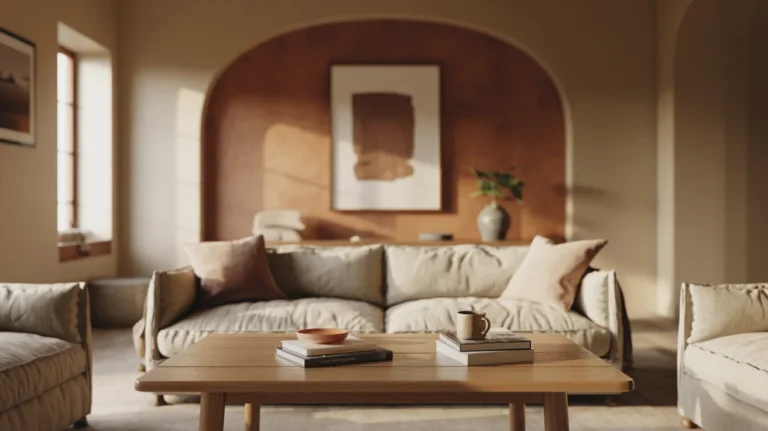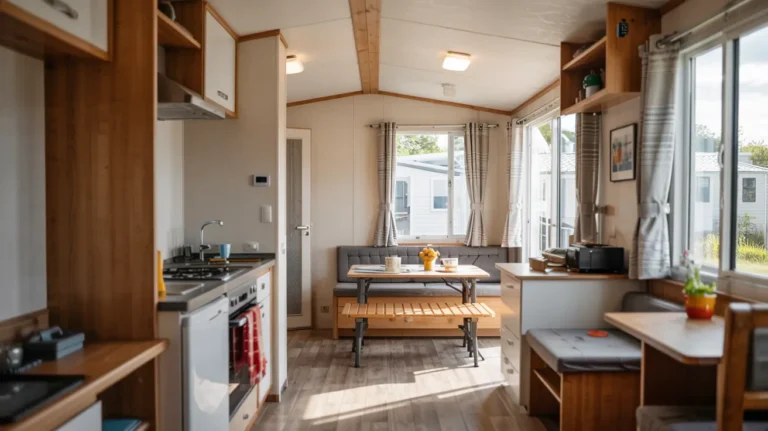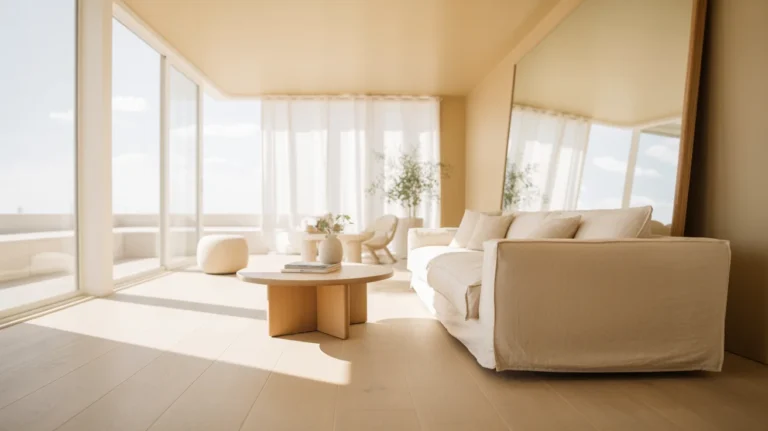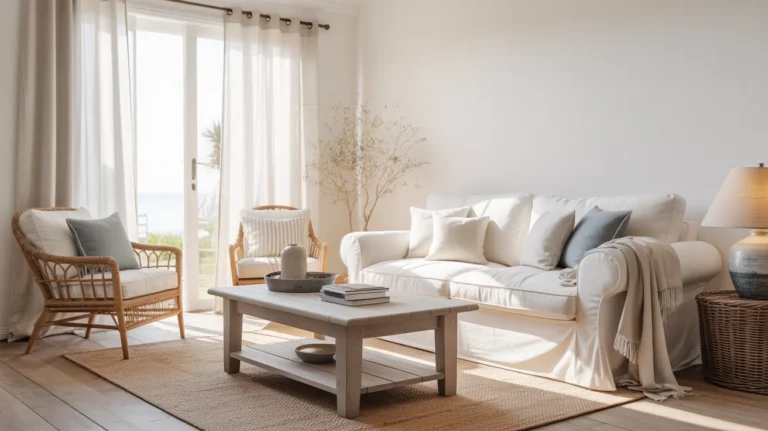

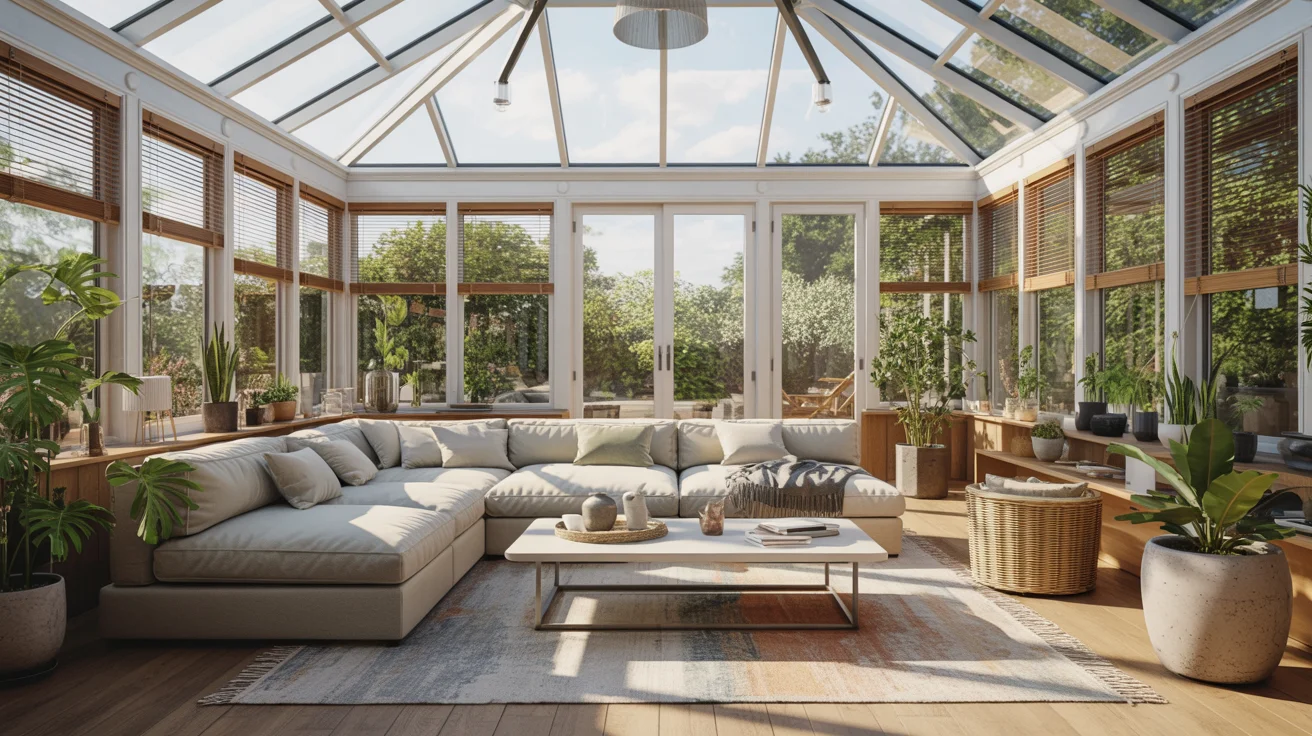
Most conservatories look bright, then feel tricky to live in. Summer heat, winter chill, glare, and echo can ruin the vibe. These conservatory interior ideas focus on comfort first, then style. You will get simple fixes, real examples, and layouts that make sense. Nothing here needs a huge budget or a full rebuild. Small changes can make the space feel calm and usable.
Start with the job of the room
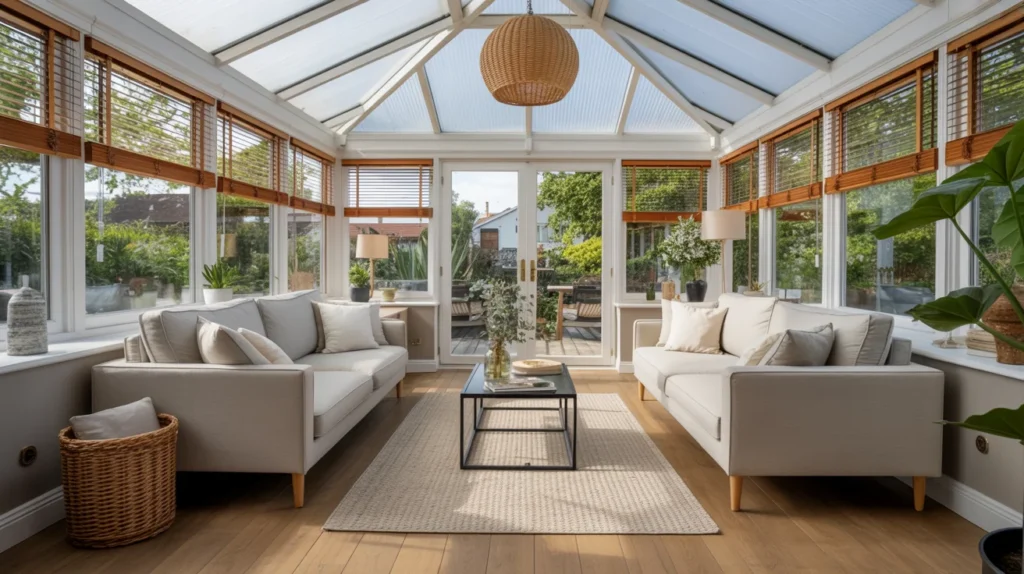
Before you buy anything, decide what the room needs to do. A lounge needs deep seating and a place for drinks. A dining spot needs a table size that fits the walkway. A home office needs shade control and fewer reflections. A plant room needs storage for tools and easy cleaning. Pick one main job, then add one bonus use only. Now map the flow from the house to the garden. Keep the main path clear so the room feels wider.
Use a rug to mark a seating zone on a tiled floor. Place the biggest furniture against the longest wall. If the space is narrow, think bench seating at the edge. Good layout beats more decor every time. Quick zoning ideas that work in most shapes: If you want a calm lounge, set up a reading nook. Add an armchair, a lamp, and a side table. For family time, a modular sofa with a storage ottoman works well. If meals happen here, place an extendable table near the doors. For work, face the garden and add blinds to stop screen glare.
Fix heat and glare so you can use it year round
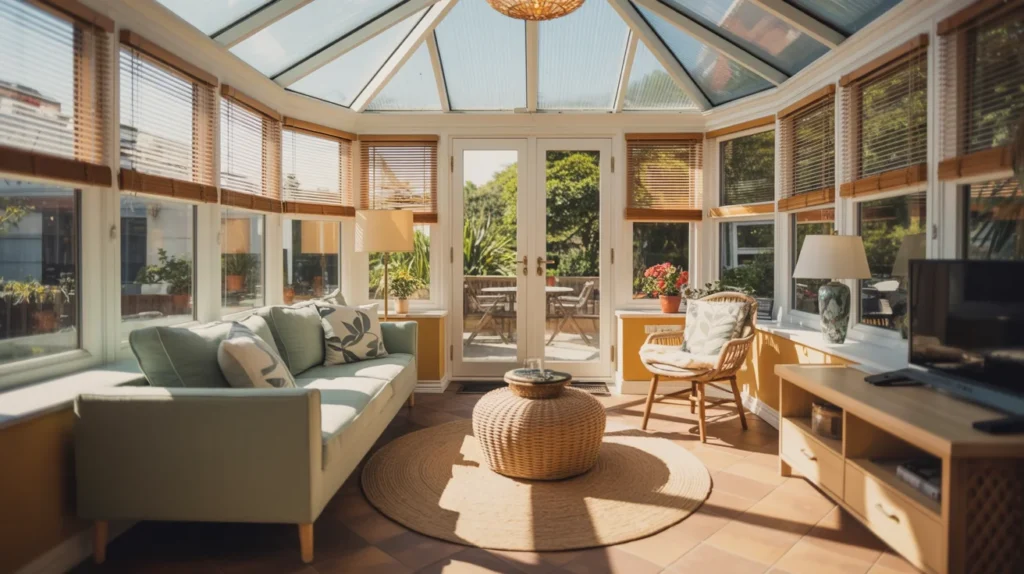
Comfort is the make or break point in a conservatory. If the room gets too hot, start with shade, not new paint. Roof blinds can cut glare fast and protect soft fabrics. Window film helps with UV and some privacy during the day. Open roof vents and windows to move hot air out. A ceiling fan can help, even on mild days. Cold months need a different plan. Thick rugs add warmth if you have stone or porcelain tiles. Thermal blinds help at night when the glass loses heat. Seal gaps around frames and check worn weather strips. If condensation shows up, increase airflow first. A small dehumidifier can help in damp weather.
Shading choices that suit different budgets
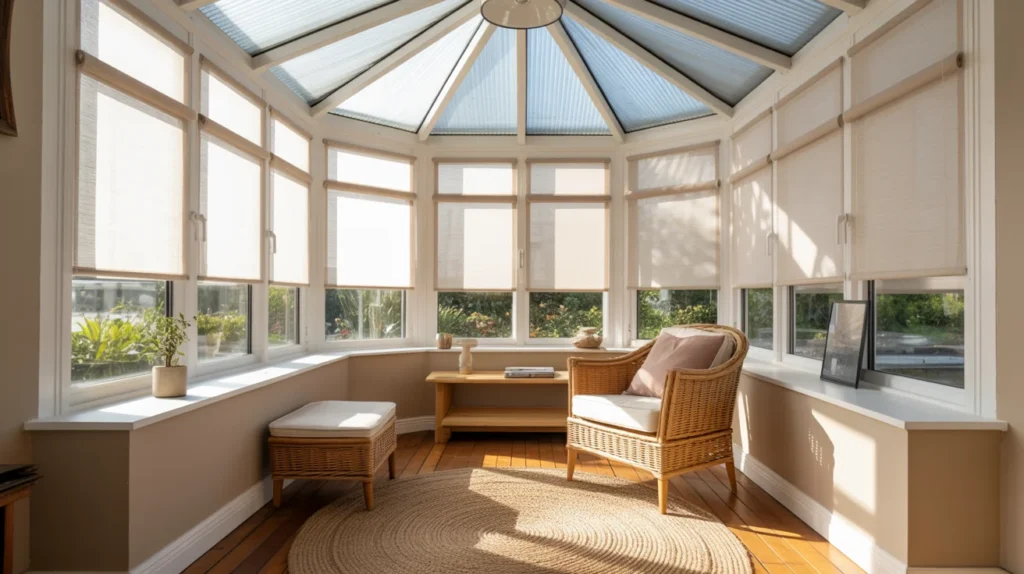
Shade is not just about looks. It protects furniture, cuts glare, and makes the room usable at midday. Pick the option that matches your roof shape and your daily habits. If you rent, start with removable options like film. If you own, roof blinds often give the biggest comfort jump. Mix two layers if the sun is strong. Roof blinds are a strong choice if the sun hits from above. They reduce glare and protect cushions from fading.
Thermal options also help after sunset when glass cools fast. Window film suits renters and quick fixes. It can cut UV and add daytime privacy without drilling. If you want extra warmth in winter, consider shutters or thicker blinds on side windows.
Choose flooring that handles light, plants, and muddy shoes
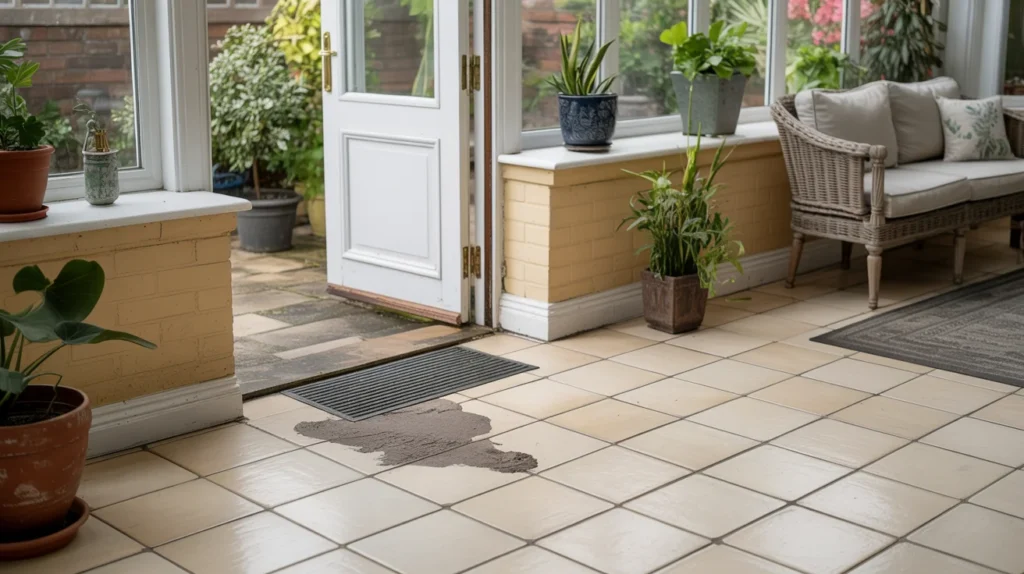
Flooring sets the mood and fixes many daily problems. Porcelain tile stays stable in sun and cleans easily. Natural stone looks great but can feel cold without rugs. Wood can work, but it needs care with heat and moisture. If you have kids or pets, choose a tough finish. Add a washable rug where people sit, not where they enter. Try to link the conservatory floor to the next room. Matching tones makes the extension feel planned.
If you cannot match materials, match colour temperature. Light oak tones, warm greys, or soft beige often blend well. A low pile rug reduces trips near doors. Use a door mat outside to cut dirt and grit.
Pick furniture that fits the shape and survives the sun
Conservatory furniture fails when it fades, warps, or feels bulky. Measure first, then buy pieces with clear legs and lighter frames. Rattan and wicker suit a garden feel and handle heat well. Upholstery can work, but choose sunlight resistant fabrics. Keep one hero piece, then keep the rest simple. Too many small items creates visual noise fast. Small rooms love built in seating along one side. A bench with storage hides cushions, games, or plant gear.
Round tables help in tight corners and improve movement. Modular sofas let you change the layout for guests. Add a slim console table for plants and lamps. This keeps the floor open and easy to clean. Furniture choices that usually age well in a bright room: In a small conservatory, pick a compact loveseat instead of a full sofa. Two matching chairs often suit narrow rooms better. Nesting tables give you surfaces only when you need them. Choose closed storage so clutter disappears fast.
Use colour and walls to blend the room with your home
Colour works best when it supports the view, not fights it. Neutrals are popular because the garden adds natural colour. Warm whites, soft greys, and muted greens feel calm. If you want a bold look, choose one feature wall only. Keep the ceiling lighter to bounce daylight around. This trick helps small spaces feel higher. Walls in conservatories can look bare or awkward. Wood panelling adds warmth and hides marks at chair height.
Painted brick, limewash, or textured plaster adds depth. If you need easy care, use wipeable paint in a matte finish. Mirrors can widen the room and reflect plants. Place them to catch light, not to reflect clutter.
Add softness to reduce echo and make it feel cosy
Hard surfaces make many conservatories sound loud. Soft layers fix that and make the room inviting. Start with a rug, then add cushions and throws. Choose two textures, then repeat them across the space. Linen and cotton feel light in summer. Wool blends feel warmer in winter. Window dressing also changes the sound and the heat. Roof blinds control the harshest light from above. Sheer curtains soften the edges and add privacy. Blackout options can feel heavy in daytime. Pick a simple pattern if your garden view is busy. Keep trims minimal for a clean look.
Bring the garden in with plants, but keep it tidy
Plants make a conservatory feel alive, but they can overwhelm. Choose a few larger plants instead of many small pots. Group pots in threes to look styled, not random. Use planters with saucers to protect the floor. If you water often, pick waterproof trays under clusters. This prevents stains and slippery patches. Light changes through the day, so watch the hot spots. Move sun sensitive plants away from direct glass.
Hanging baskets work well if floor space is limited. Add one tall plant near a corner to soften angles. A small shelf can hold tools, sprays, and spare pots. That keeps the room looking calm.
Layer lighting so the room works after sunset
Daylight is strong, but evenings can feel flat and cold. Use three light levels so the room feels like a real room. Start with a ceiling light if you have wiring. Add a floor lamp near seating for reading. Finish with small table lamps for warm corners. Warm bulbs often look better against glass. Glare can reflect in glass at night. Avoid bare bulbs that shine straight into windows. Choose shades that direct light down and across. Battery lights can work if you rent or lack wiring. Place lights near walls to add depth. This stops the room feeling like a dark box.
Small conservatory ideas that make the space feel bigger
Small spaces need fewer items and clearer lines. Keep furniture low so the roof feels higher. Pick one colour family, then add one accent tone. Use vertical storage to avoid clutter on the floor. A slim bench can replace two chairs in a tight spot. Leave the centre open so movement feels easy. Try to blur the edge between inside and outside. Repeat planters near the doors and in the garden.
Use similar textures like wood, stone, or woven baskets. If privacy is an issue, use frosted film on lower panels. That keeps light while blocking close views. It also reduces the feeling of being on display.
When to get professional help
Some fixes are best handled by a qualified pro. Call an electrician for new lighting points or outdoor sockets. Get advice if you suspect damp, mould, or a roof leak. Talk to an installer if glazing has failed or frames have gaps. Check local rules before changing roofs or adding large doors. These steps protect safety, comfort, and resale value. Jobs that often need a specialist: Call a pro if you plan to replace the roof or change the roof structure. Get advice before you upgrade glazing or swap doors. Ask about underfloor heating if you are rebuilding the subfloor. If condensation keeps returning, a ventilation check can find the cause.
Common problems and simple fixes that actually work
Overheating often comes from direct sun on the roof. Start with roof blinds, then add ventilation habits. Open high vents first, then crack lower windows. Add shade outside with sails, awnings, or planting. Deciduous trees give shade in summer and light in winter. This can change comfort more than new decor. Condensation usually means moist air meets cold glass. Increase airflow and avoid drying clothes in the room.
Use a dehumidifier during wet weeks if needed. Fading fabrics happen fast in strong light. Choose UV filtering film or rotate cushions seasonally. Privacy feels hard with glass, but layers fix it. Quick fix checklist you can do this weekend: Start by decluttering surfaces so light bounces cleanly. Add one big rug to soften sound and warm the floor. Install a simple blind to cut harsh glare. Swap bulky furniture for two lighter pieces. Create one plant corner, not plants everywhere.
Frequently asked questions
Conservatories come with the same worries for most homes. People want style, but they also want comfort. The answers below cover heat, glare, furniture, and damp air. Use them to fix problems before you buy more decor. Small changes often make the biggest difference.
How do I decorate a conservatory without making it look busy?
Choose one main function, then limit the decor to three colours. Use fewer, bigger items and closed storage.
What is the best furniture for a conservatory?
Pick light frames and fabrics that handle sun. Rattan, wicker, and modular seating often work well.
How do I stop my conservatory getting too hot?
Add roof blinds or shade first. Improve airflow with vents, windows, and a fan when needed.
How do I deal with condensation on the glass?
Boost ventilation and control moisture. A small dehumidifier helps in damp weather.
Can a small conservatory still feel cosy?
Yes. Add a rug, warm lighting, and a simple layout. Keep the centre clear for movement.