
A room can look good and still feel tense. The layout may block movement. Lighting may feel sharp at night. Clutter can keep your mind busy. Feng shui focuses on flow, balance, and comfort. You can treat it as tradition or as layout logic. Either way, the steps are practical.
Think of your home like a walkway. When paths stay open, the space feels lighter. When paths stay blocked, the space feels stuck. That “lighter” feeling is often called qi or chi. Many people describe it as energy flow. You do not need expensive furniture to improve it.
What feng shui helps with day to day
People usually want three outcomes. They want a calmer mood at home. They want better sleep. They want easier focus during work. Feng shui interior design aims for those outcomes through placement and balance.
You may notice a few signals. You bump into furniture corners. You avoid certain spots. The entry area feels messy fast. Your bedroom feels busy at night. Your desk area feels draining. These signals point to layout issues, not style taste.
The four ideas that give the biggest change
You will see a lot of rules online. Start with these four. They give the most return with less stress.
Use the Bagua map only as a guide
The Bagua map is a grid placed over a floor plan. Each section links to a life theme. Examples include career, wealth, family, and health. You do not need to work on every theme. Pick one or two that matter now.
Choose one room to start. Tie it to one goal. A bedroom links to rest. A work area links to focus. A living room links to connection. Keep the plan small so it feels doable.
Place key pieces in the command position
The command position means you can see the door. You are not directly lined up with it. You also have support behind you. This position often feels safer and calmer.
Use it for the bed first. Use it for the desk next. Try it for the main sofa if you can. If your room limits options, use a workaround. Angle the chair slightly. Add a small mirror to view the entry. Place a lamp behind you for support.
Balance yin and yang in each room
Yin and yang is calm energy versus active energy. A bedroom needs more yin. A kitchen can handle more yang. Too much softness can feel dull. Too much sharpness can feel edgy.
Bring yin with curtains, rugs, and warm lamps. Bring yang with brighter light and clear shapes. Aim for a mix that suits how you use the space. Evening areas should feel softer than work areas.
Use the five elements to guide materials
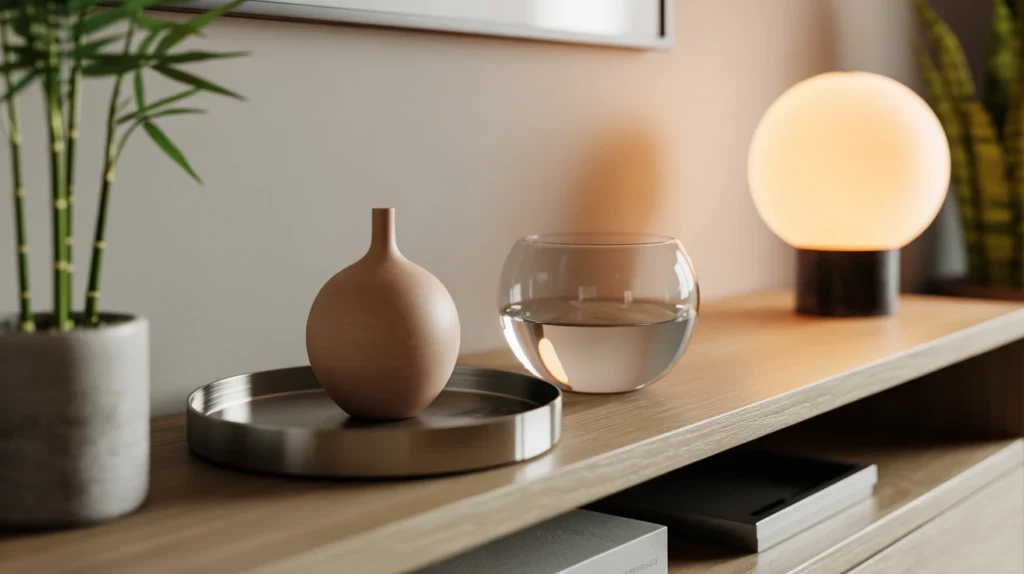
The five elements are wood, fire, earth, metal, and water. They show up through color, texture, and shape. You do not need all five in one room. Choose one or two that support the mood.
Add wood with plants or timber pieces. Add earth with clay, stone, and warm neutrals. Add metal with white tones and clean forms. Add water with deep blues and reflective surfaces. Add fire with warm light and lively accents.
Fast changes that take ten minutes
Start with small actions. Quick wins build confidence. They also help you notice what works.
- Clear one walkway in your busiest room.
- Remove one broken item and repair or replace it.
- Open a window for fresh air.
- Add one warm lamp for evening.
- Tidy the entry surface where keys land.
- Shift one chair to face into the room.
- Place one healthy plant where the space feels flat.
Do one step, then pause. Live with it for a day. Small shifts can feel bigger than you expect.
Entryway feng shui that feels welcoming
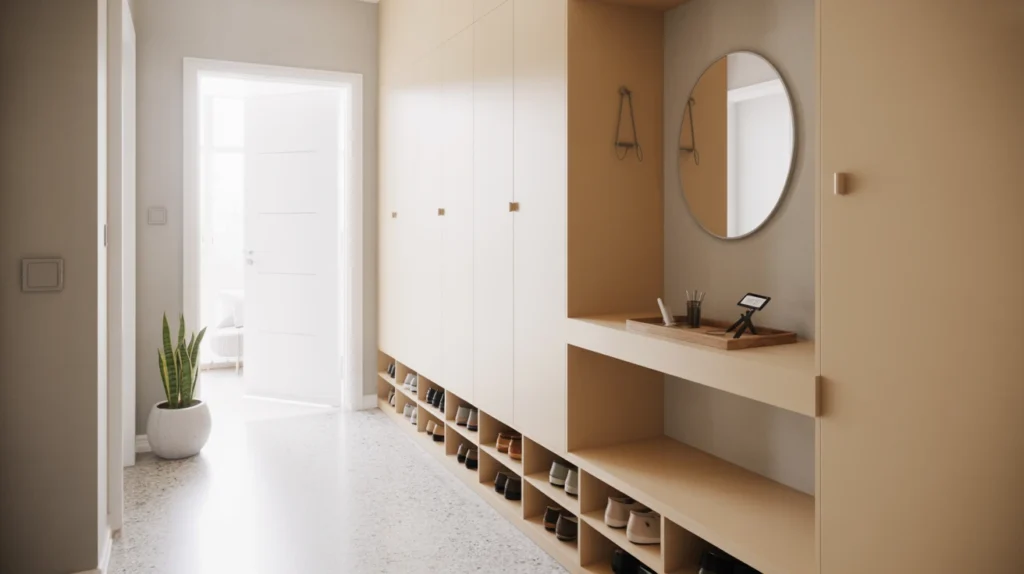
The front door is where energy enters the home. If the entry looks dark, the home can feel heavy. If shoes pile up, stress begins right away. Keep this zone clear and bright.
Use light first. Add a lamp or brighter bulb. Keep a small tray for keys. Give shoes a clear home. Closed storage often feels calmer than open racks. Hooks help when everyone needs a quick drop spot.
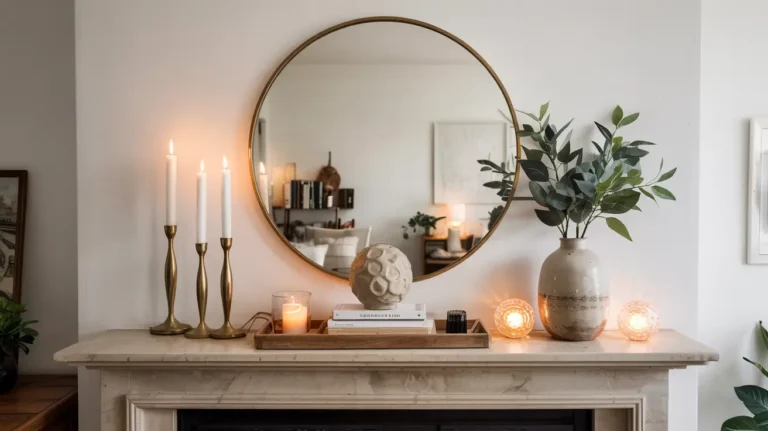
Mirrors can help bounce light. Place them on a side wall when possible. A mirror facing the door can feel jarring for some people. If it bothers you, move it.
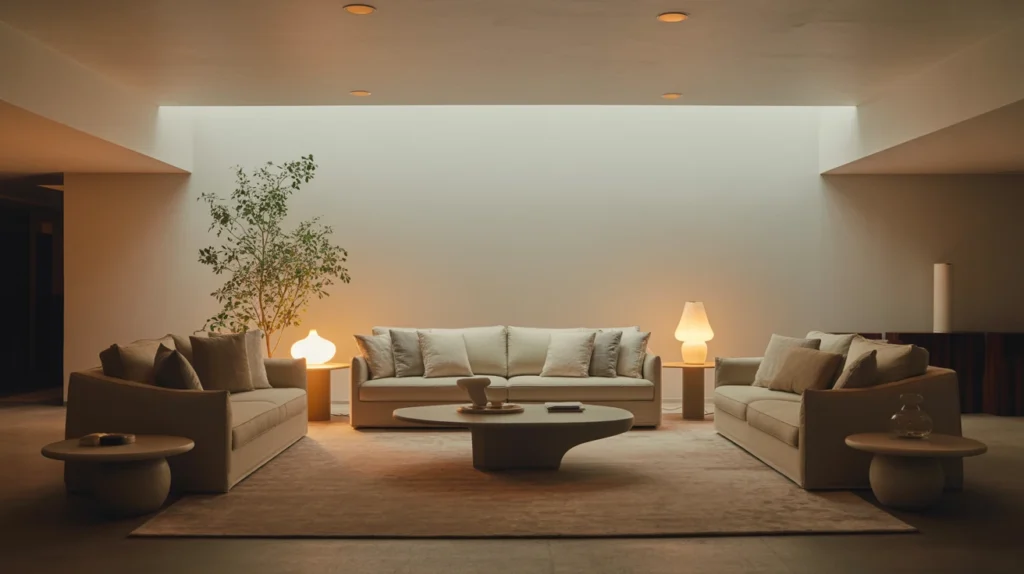
Living room feng shui for smoother flow
A living room often feels tense when movement paths feel tight. It can also feel uneasy when seating feels exposed. Start with the main seat and the walking routes.
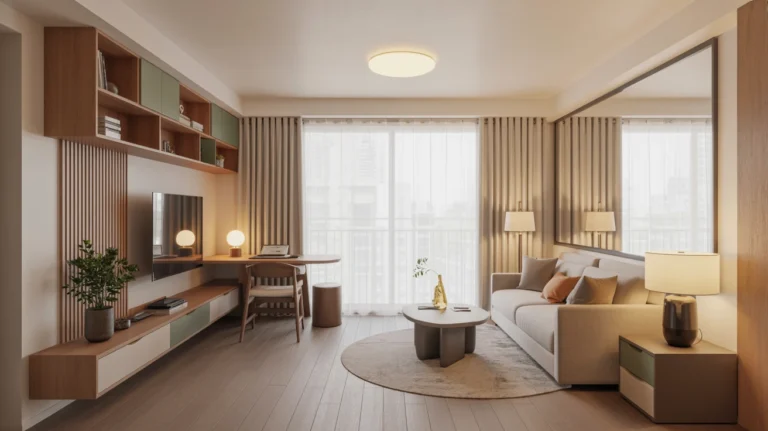
Place the sofa in a command position when you can. Try to see the entrance from the seat. Avoid sitting with your back to a busy walkway. A wall behind the sofa can feel supportive.
Next, look at clear routes. Leave space around seating. Avoid forcing people to squeeze behind chairs. Sometimes removing one table helps more than buying decor. Open floor space can feel restful.
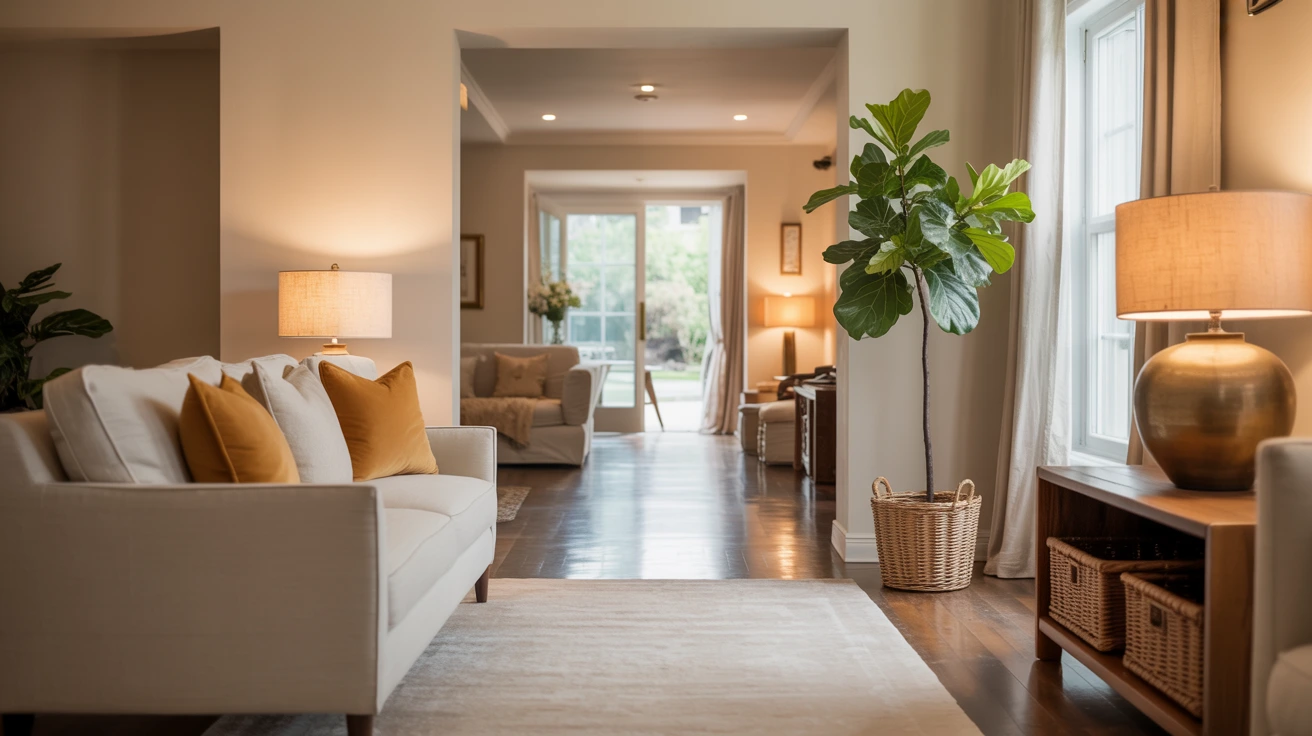
Lighting matters here too. Use more than one light source. Add a floor lamp and a table lamp. Overhead light alone can feel harsh. Warm bulbs make evenings feel calmer.
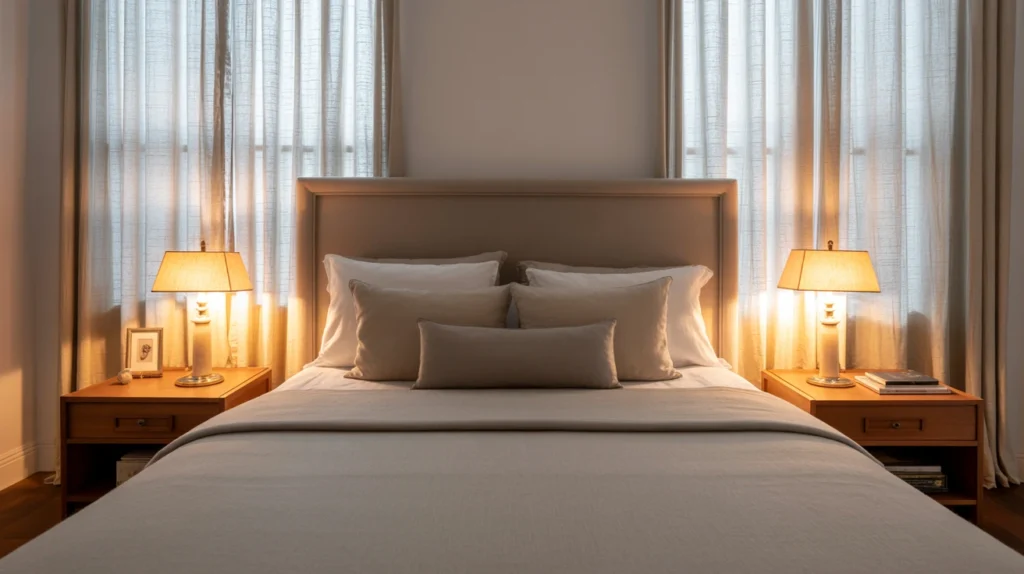
Bedroom feng shui for better rest
A bedroom should feel quiet and secure. Layout can affect how your body settles at night. Start with bed placement.
Aim for a command position for the bed. You should see the door from the pillow area. Try not to line the bed straight with the doorway. Many people feel less relaxed in that setup.
A solid headboard can add a grounded feel. If you do not have one, use firm pillows against the wall. Keep both sides of the bed usable when possible. Even a small gap can help.
Mirrors deserve attention in bedrooms. Some people dislike a mirror facing the bed. If sleep feels light, test a change. Move the mirror or cover it at night.
Keep under bed storage simple. Avoid stuffing it with random items. Use only neat, sealed bins if needed. A clear space supports a clear mind.
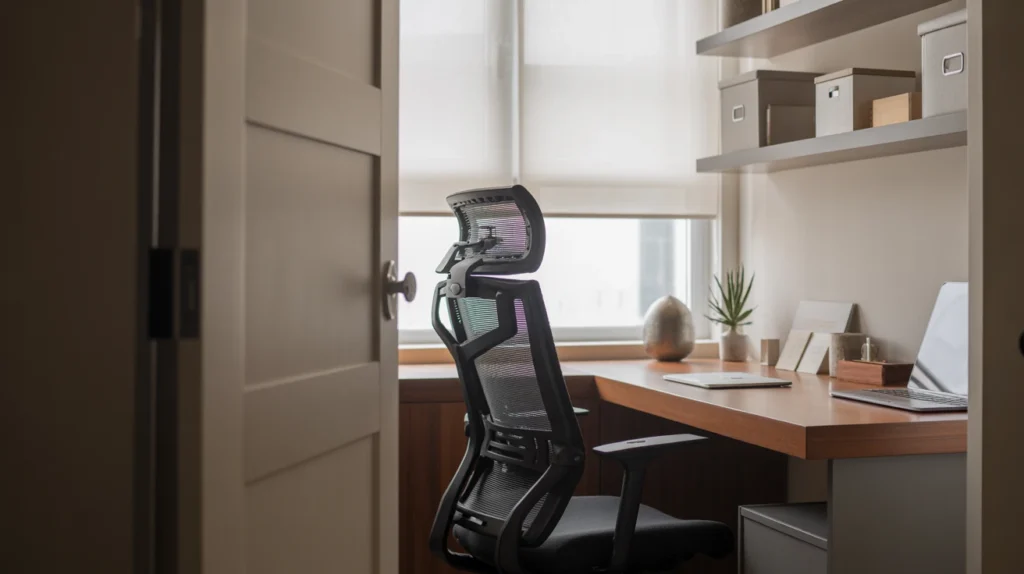
Home office feng shui for steady focus
A work zone can drain you when the desk faces a wall all day. It can also feel tense when you sit in line with a doorway. Try to set up a view that feels stable.
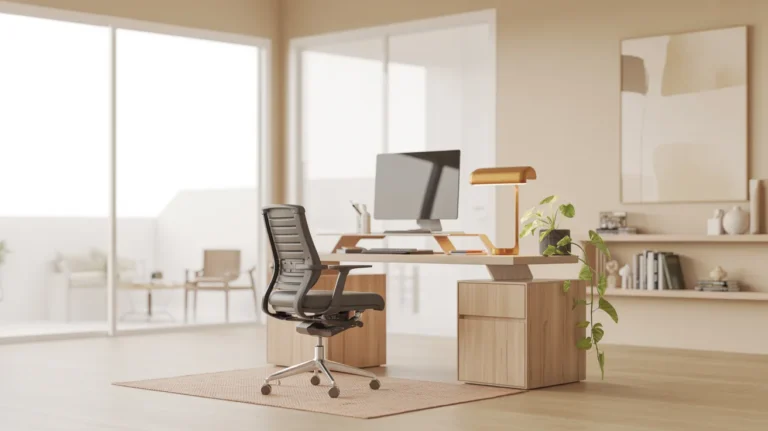
Place the desk in a command position if possible. See the door without facing it head on. If the room forces a wall-facing desk, use a small mirror. Aim the mirror so you can see behind you.
Keep the desktop clean. Store loose items in drawers or boxes. Visual noise can pull attention. Add task lighting so your eyes do not strain. A plant can soften the scene and support the wood element.
The five elements as a simple decorating guide
Use this when a room feels off, but you can’t explain why. Choose one element and add it in a small way.
Wood
Add plants, wood frames, or bamboo shades. This supports growth and freshness.
Fire
Use warm bulbs, candlelight, or warm-toned art. This adds lively energy.
Earth
Bring in pottery, stone textures, and warm neutrals. This creates stability.
Metal
Use white tones, round shapes, and simple organizers. This adds clarity.
Water
Add deep blues, glass, and soft curves. This brings calm depth.
One element is often enough. Add more only if the room still feels flat.
When the space feels “off” and you can’t name why
Sometimes the room feels heavy even after cleaning. That usually points to blocked movement or clutter hotspots. Start with surfaces that collect piles. Clear one surface fully. Use a basket for daily items. Put the rest away.
Other times the room feels busy despite being tidy. This can come from too many strong colors and patterns. Reduce the palette to two main tones. Remove one loud print. Add one calm texture like linen.
Layout limits are real. Doors and windows can trap furniture choices. Choose the best option available. Use angles, mirrors, and lighting to create support. Small adjustments can change the feeling fast.
Small spaces and rentals can still feel balanced
Tight rooms need less furniture, not more decor. Keep one clear wall for the eye to rest. Choose pieces with legs when possible. Seeing floor space makes the room feel lighter.
Renters can make big changes without tools. Add lamps, rugs, and curtains. Use peel-and-stick hooks for the entry zone. A folding screen can create zones in studios. Rearranging often helps more than buying.
A grounded way to think about feng shui
Some people see feng shui as spiritual. Others see it as comfort-focused design. You can choose the lens that fits you. The aim is not perfection. The aim is a home that supports your routines.
A calmer layout can reduce daily stress. Better sleep can improve mood. A clean work zone can help focus. Those results are worth chasing, even with small steps.
FAQ
What is feng shui in simple words?
It is a way to arrange a space for smoother flow and balance.
What makes a home feel “bad” in feng shui terms?
Blocked pathways, harsh lighting, and constant clutter can create tension.
How do I use the Bagua map at home?
Place the Bagua map over your floor plan and pick one goal area.
Where should I place my bed?
Aim for a command position with the door visible from the bed.
Are mirrors good in feng shui?
They can help with light and space. Placement matters most.
What are feng shui colors?
It depends on the room and the five elements you want to support.
How quickly can changes feel different?
Some shifts feel better the same day. Others need a week of living with them.