
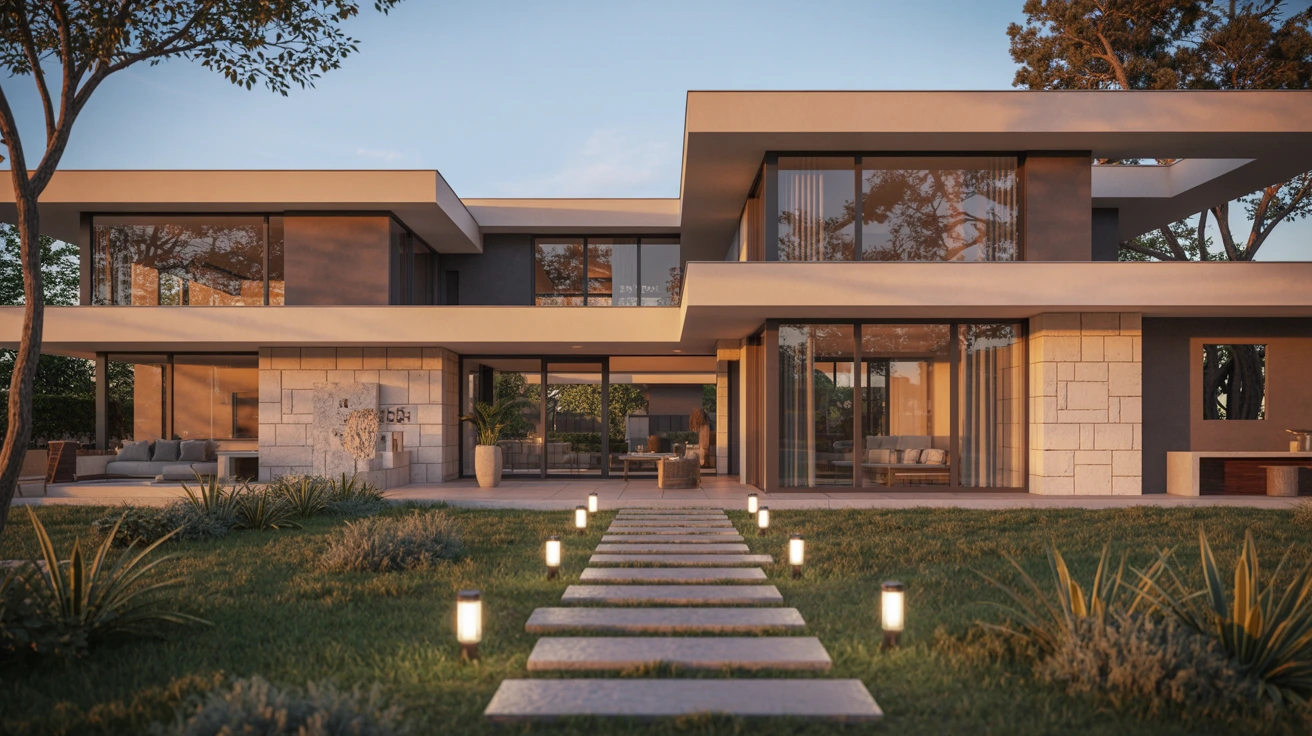
A dream houses looks good, but it must live well. Real life tests every room, every day. Morning rush, loud weekends, and tired evenings reveal weak choices fast. The goal is comfort, not perfection. This guide helps you plan an ideal home that fits your routine. It also helps you avoid costly regrets.
Start with your real life, not a Pinterest life
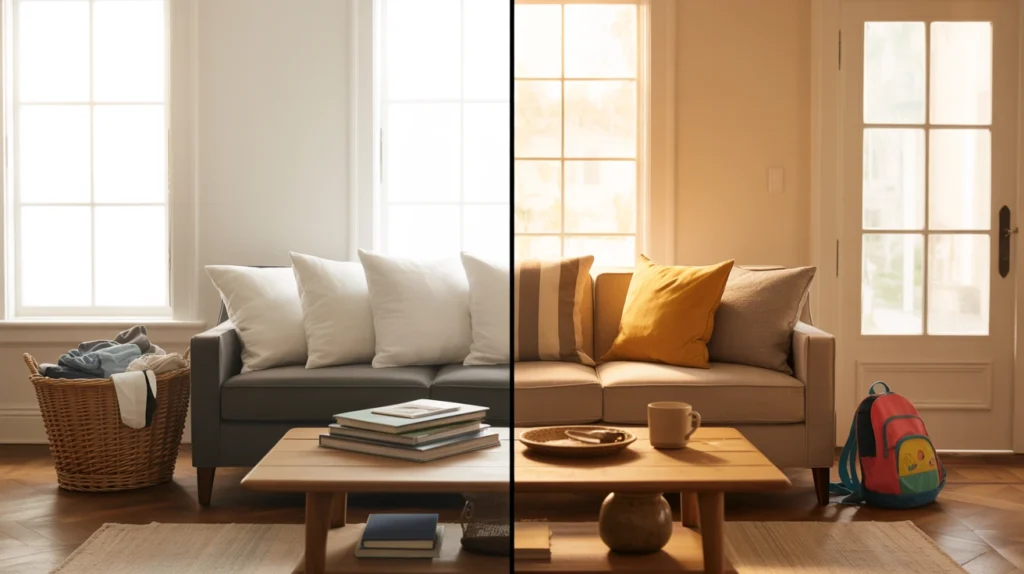
Picture a normal Tuesday, not a holiday. Think about where bags land, where shoes pile, and where everyone eats. Write three lines that describe your best day at home. Those lines become your filter for every feature. Many people copy photos and ignore daily friction. A better plan starts with habits, then style.
Pick a location that makes life easier

Location shapes your stress level more than finishes do. Commutes, schools, and errands decide how much time you keep. Check travel times during rush hours, not at noon. Walk the neighborhood in the evening and on a weekend morning. Notice noise, parking, and how safe it feels. Choose the area first, then shop for houses.
Choose a layout that supports your routine
A floor plan should match how you move through the day. Count bedrooms and bathrooms for today and for five years later. Keep noisy spaces away from sleeping spaces when possible. Think about privacy for calls, homework, and naps. Many homes feel big, yet still feel cramped in key spots. Focus on flow, not only square footage.
Open concept or defined rooms: make the tradeoff clear
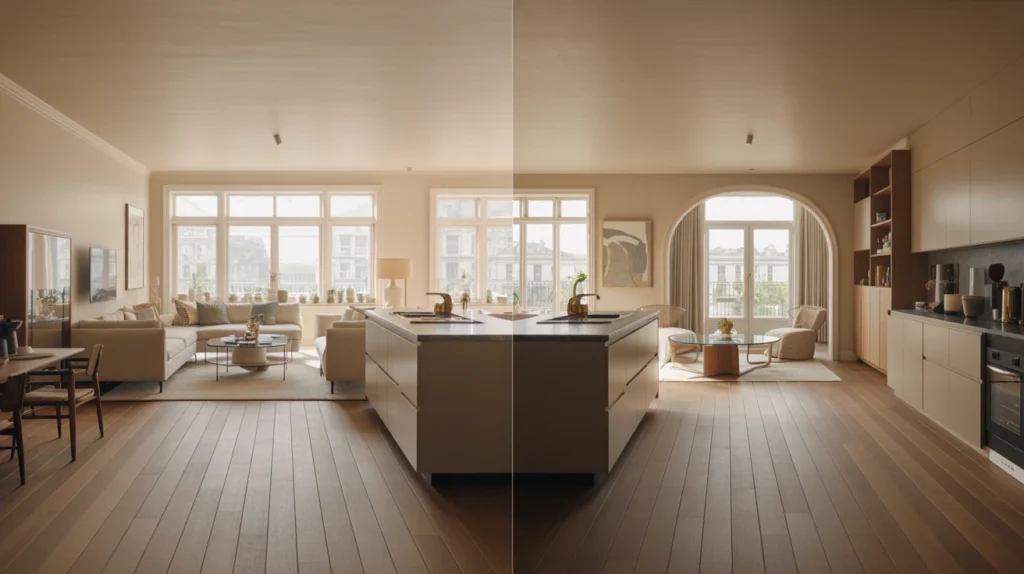
Open concept living feels social and bright for many families. It can also spread noise and keep clutter on display. Defined rooms feel calmer and easier to tidy. They can reduce light and make gatherings feel split. A smart compromise adds one quiet room with a door. That single space saves work calls, naps, and guests.
Design a kitchen that stays easy on busy days
The kitchen runs your household, even if you do not love cooking. Protect counter space with deep drawers and smart cabinet storage. A kitchen island adds prep room, seating, and a landing zone for groceries. A separate pantry keeps small appliances and snack clutter out of sight. Pick durable surfaces that wipe clean without fuss. Good task lighting matters more than trendy fixtures.
Build a primary suite that feels calm and practical
A restful primary bedroom needs quiet, not just size. Place it away from the loudest living areas when you can. Closet design matters more than a huge walk in closet. Add zones for hanging, folded items, and shoes to avoid mess. In the bathroom, focus on ventilation, warm lighting, and easy cleaning. Comfort upgrades like heated floors only matter if your climate fits.
Use natural light and window placement as a design tool
Natural light changes mood, energy, and even how colors look. Visit homes at two times of day to see real brightness. Home orientation affects heat, glare, and comfort through the seasons. Big windows can feel amazing, but privacy still matters. Window placement should frame views and reduce harsh afternoon sun. If a room feels flat, better light often fixes it.
Make comfort and energy costs part of the dream
An ideal home should feel comfortable without high bills. Start with insulation and good window quality before fancy upgrades. Drafts, hot spots, and cold floors create daily annoyance. Ask about the heating and cooling system and its age. A heat pump can be a strong option in many regions. After basics, solar panels and other renewable energy can make more sense.
Plan outdoor living you will use every week
Outdoor space only matters if you use it often. Start with one real habit like coffee outside or weekend grilling. A patio tends to feel stable and low maintenance for many homes. A deck can shine when it captures a view or breeze. Landscaping can add privacy and soften noise from neighbors. Extras like a fire pit or pool should match your time and budget.
Add smart home features that reduce effort
Smart home tech works best when it feels invisible. Start with simple wins like a smart thermostat and smart lighting. Good security systems can add peace of mind without daily hassle. Strong Wi Fi coverage matters more than a long feature list. Keep apps limited so everyone can use the home easily. If you want a media room, plan wiring and sound early.
Solve clutter with storage zones, not bigger rooms
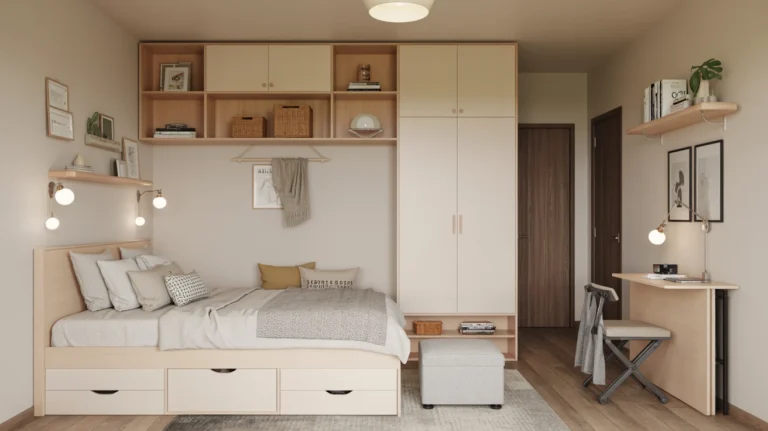
Most messy homes lack systems, not space. Add a landing zone near the entry for shoes, bags, and keys. Built in storage can rescue small rooms without adding furniture. Think about closets, pantry space, and linen storage before decor. A garage can feel organized with clear zones for tools and sports gear. Labels and simple rules keep the system working long term.
Protect your budget with clear priorities
Dream plans fall apart when money surprises show up. Decide if you will buy, build, or remodel before you price details. Building offers customization, but costs shift with labor and materials. Remodeling can hide issues behind walls and under floors. Set a contingency fund so delays do not break your mood. Track the boring costs too, like permits, driveways, and landscaping.
Choose a style that still feels good in ten years
Style should match your personality, not the latest trend. Modern farmhouse, rustic modern, and cottage looks stay popular for a reason. Industrial style can work well when it is warmed with wood and soft textiles. A calm zen aesthetic can make small spaces feel restful. Pick one main direction, then repeat colors and materials across rooms. Use decor for change, and keep fixed finishes timeless.
A quick fit test before you commit
Before you buy or build, test the plan against your day. Walk the path from entry to kitchen to laundry to bedrooms. Picture where backpacks, trash, and grocery bags will go. Check if there is a quiet spot for calls and homework. Look at light, storage, and outdoor comfort as a set. If several parts feel awkward, the home will not improve with decor.
Frequently asked questions about dream houses
People often ask how to know a home is the right match. Start with routine, location, and layout, then look at finishes. Red flags include moisture damage, drainage issues, and major foundation cracks. Layout works when daily paths feel easy and private zones feel protected. A smart home feels helpful when systems are simple and Wi Fi is strong. Cost varies, so start small and add tech only when it saves time.