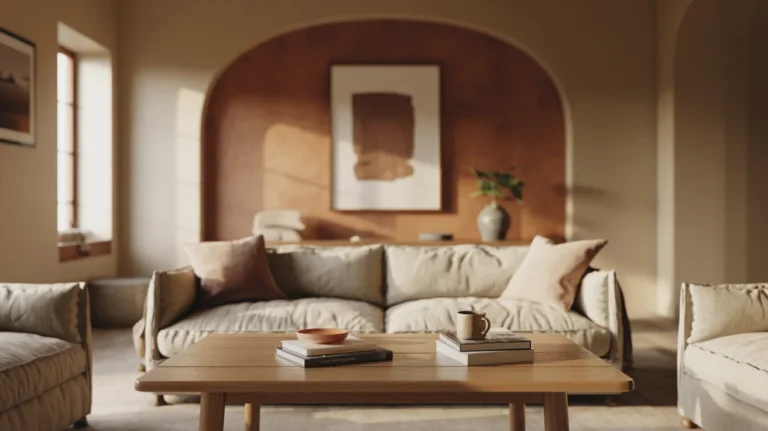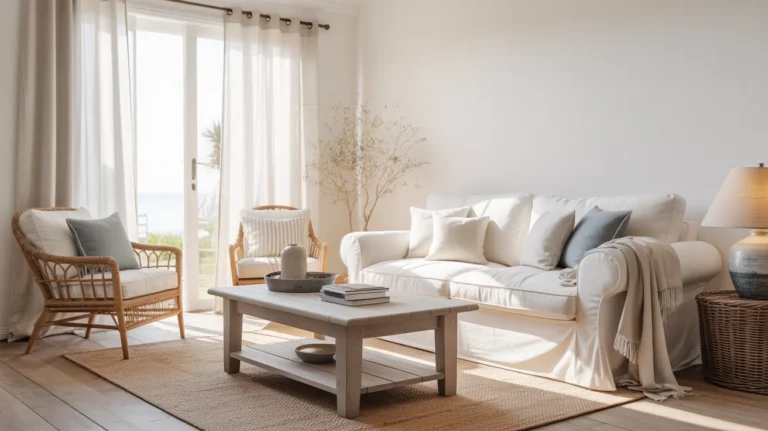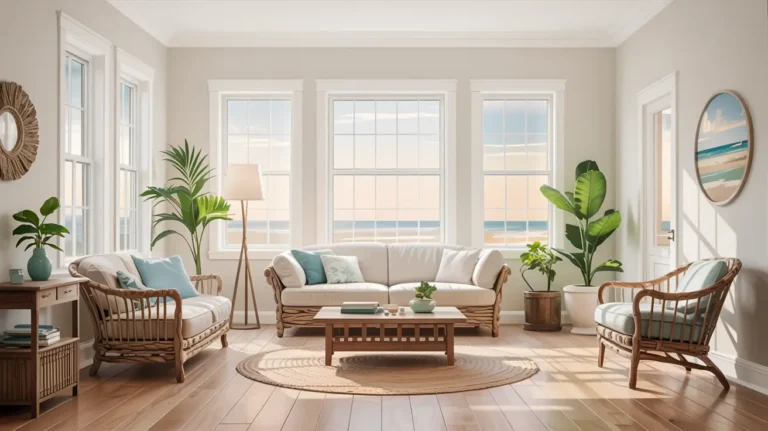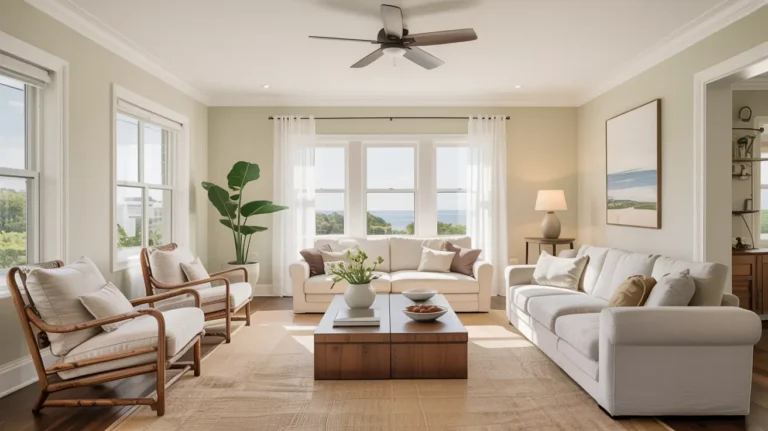

What this decorating style is really about
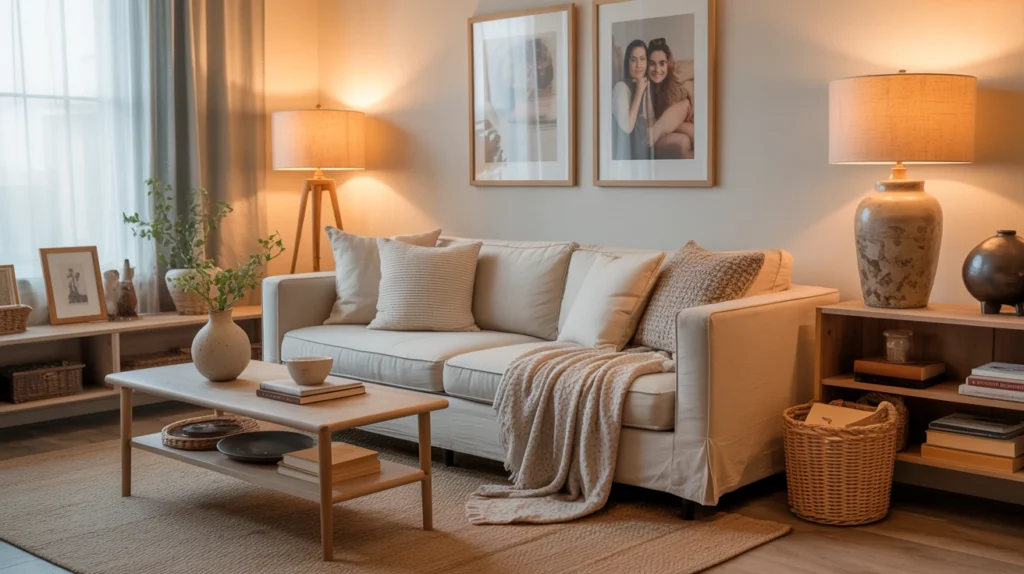
Some rooms look fine, but they still feel tense. The fix is not always more stuff. This style starts with comfort and calm. It favors soft light, simple colors, and pieces you want to use daily. Think warm whites, gentle wood tones, and fabrics that feel good to touch. The room should feel welcoming at night, not only in daylight. It also leaves space for real life, like books, baskets, and a lived-in chair.
Why a room can feel “off” even after you tidy
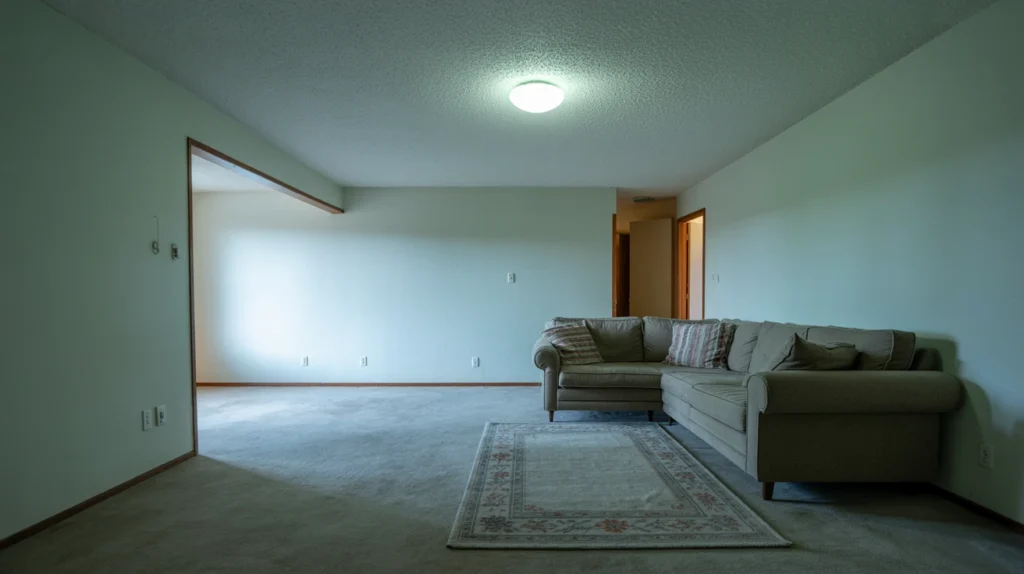
Most frustration comes from the same few issues. Clutter builds because there is no clear home for daily items. Lighting stays harsh because you rely on one ceiling fixture. Furniture feels awkward because the layout ignores how you move. Colors feel noisy because nothing repeats with purpose. When you name the real problem, the room stops feeling like a mystery. Then each change feels small and doable.
Clutter that keeps returning to the same spots
Clutter usually follows your habits. Mail lands where you drop it. Shoes pile up where you kick them off. Chargers stay out because outlets feel inconvenient. Instead of fighting the mess, give it a place. Add one tray for keys and wallets. Use a lidded basket for loose items. Keep one small bin for papers that need action. The room feels calmer when surfaces can breathe.
Cold lighting that makes everything look flat
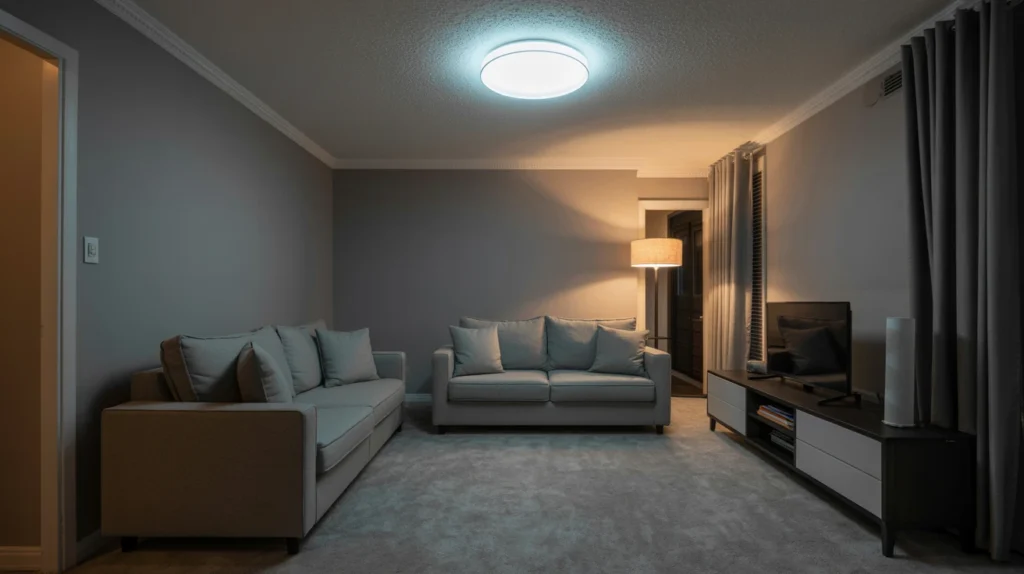
Overhead light can make a cozy, inspired room feel like a waiting area. It creates hard shadows and a dull mood. Bring in two or three lamps at different heights. Put a table lamp near the sofa and a floor lamp in a dark corner. Choose warm bulbs that do not glare. At night, keep the ceiling light off when you can. Soft light makes the whole space feel kinder.
A mix of nice pieces that still do not connect
This happens when the room has no repeated thread. One wood tone is honey, another is gray, and another is red. Metals also clash when every piece is different. Pick one main finish and repeat it on purpose. Repeat the same black metal in a lamp and picture frame. Repeat the same wood tone in a tray and side table. Small repeats make the room feel planned, not random.
Write a simple feel statement before you buy anything
A feel statement keeps you from impulse shopping. Choose three words for the room, like calm, warm, and tidy. Save them on your phone. When you want to buy something, test it fast. Does it fit those words, or does it fight them. This step also helps couples and families agree. It turns taste into a shared goal. You can still mix styles, but the mood stays steady.
A practical room recipe you can follow without stress
Start with what bothers you most, not what looks trendy online. Clear one problem zone first, like a crowded shelf or messy entry table. Next, settle your colors so the room stops shouting. Then fix the layout so walking paths feel easy. After that, build comfort with textiles and light. Finish with a few personal items that tell your story. This order reduces overwhelm and keeps you moving.
Simplify, then set a calm color palette
Editing comes before decorating. Remove items that do not serve the room. Keep a few pieces you love and store the rest for later. Now pick two neutrals that play well together. Add one accent color you enjoy living with, not just seeing online. Put that accent in small places, like a pillow or vase. When big items stay quiet, the room feels calm even on busy days.
Arrange furniture for comfort and conversation
Start with the seat you use most. Place it where it feels natural, not where it leaves the most open floor. Keep a clear path from the door to the main area. Pull chairs closer so people can talk without shouting. Make sure there is a spot for a drink near each seat. If the rug is small, move up a size. Good flow makes the room feel finished.
Layer light and texture, but keep it controlled
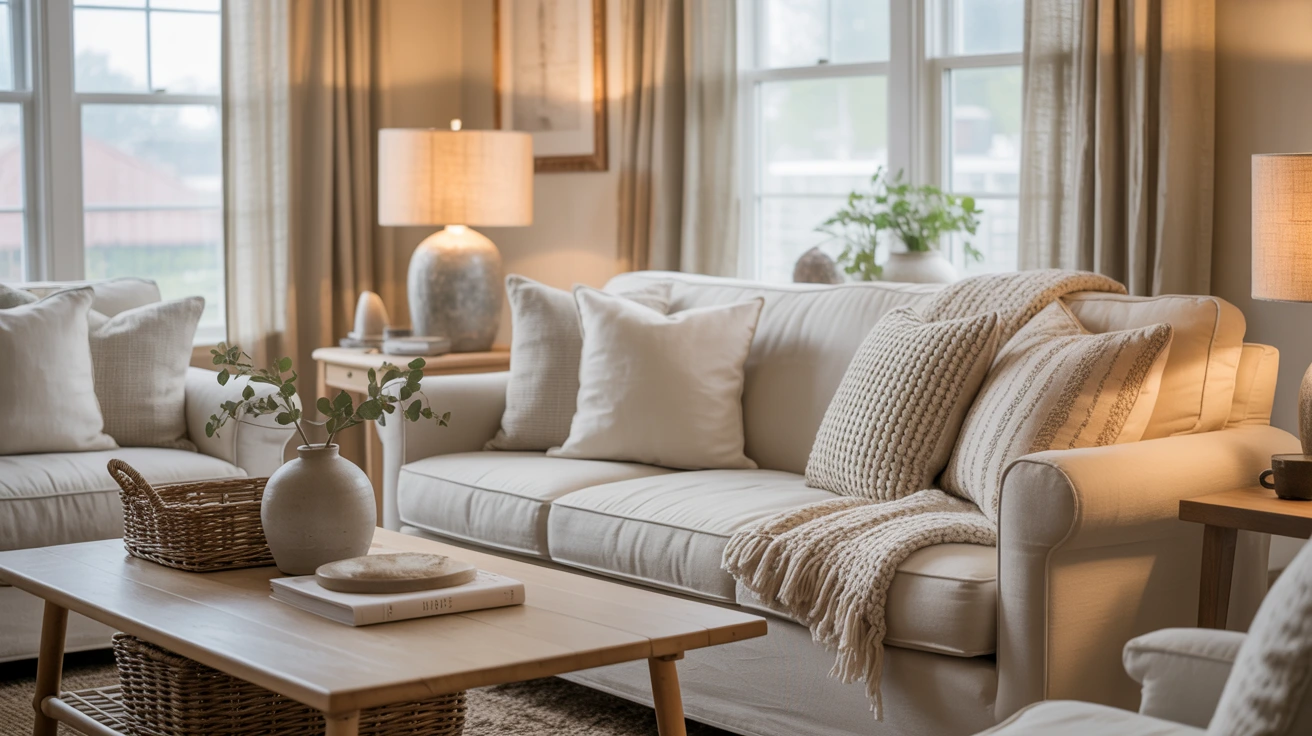
Cozy comes from layers, not clutter. Add one soft throw that invites you to sit. Mix textures, like cotton, linen, and a chunky knit. Use one woven basket for warmth and storage. Bring in something natural, like a plant or branches in a vase. Keep decor in small groups, not scattered around. Leave a little empty space on purpose. That balance feels relaxed and real.
Room by room fixes that match this cozy, lived in look
Every room has different pressure points, but the same basics work. Start with function and flow, then add warmth. In a living room, anchor seating with a rug and add a lamp near the main chair. In a bedroom, clear the nightstand and use soft bedside lighting. In a kitchen, keep counters mostly open and add one runner for comfort. In an entryway, add hooks and a basket to stop the daily pileup.
Shopping rules that prevent regret and wasted money
Most bad buys happen when you shop while stressed. Measure first, even for small furniture. Save a few photos that match your feel statement. Choose fewer items, but choose them with care. Mix thrift finds with new pieces so the room does not feel like a showroom. If you are unsure, wait one day before buying. A steady home builds over time. Quick hauls often lead to clutter again.
Small details that make a room feel complete
A room feels finished when the details repeat and the scale feels right. Hang curtains higher than the window to add height. Use one larger art piece when a wall feels busy. Repeat a finish, like brass or black, in two or three spots. Add a mirror to bounce light in a dark corner. Keep one comfort anchor, like a reading chair or soft bench. These changes look small, but they shift the mood fast.
Common questions people have before they try this style
People often worry this look will feel boring. It will not, if you add texture and personal items. Others think they need a big budget, but editing costs nothing. Renting also works, since rugs, lighting, and curtains change the feel. The hardest part is stopping impulse buys. That is why the feel statement matters. Once you have a mood and palette, the room becomes easier to finish.
Is this the same as farmhouse
It can overlap, but it is not the same thing. Farmhouse leans rustic and can feel themed. This look is broader and more flexible. You can keep it traditional, modern, or coastal. The key is warmth, calm colors, and comfort first choices. Wood, soft textiles, and gentle light do the heavy lifting. If you dislike rustic signs, skip them. The room can still feel cozy and complete.
How to make your home cozy on a tight budget
Start by clearing surfaces and fixing lighting. That alone can change the mood. Next, add one throw and one pillow with texture. Thrift a lamp, a frame, or a basket for easy wins. Choose paint only if you want a bigger change. Keep your palette simple so new items blend in. Avoid tiny decor that has no job. Cozy often comes from fewer, better pieces, not more pieces.
What to do if you rent and cannot paint
Use layers that do not need permission. Add curtains to soften windows and hide blinds. Lay down rugs to warm hard floors and reduce echo. Bring in lamps so your light feels warm at night. Hang art with removable strips and lean frames on shelves. Add baskets for storage so clutter stays hidden. When a rental feels calm, it feels like home. Paint is optional, comfort is not.