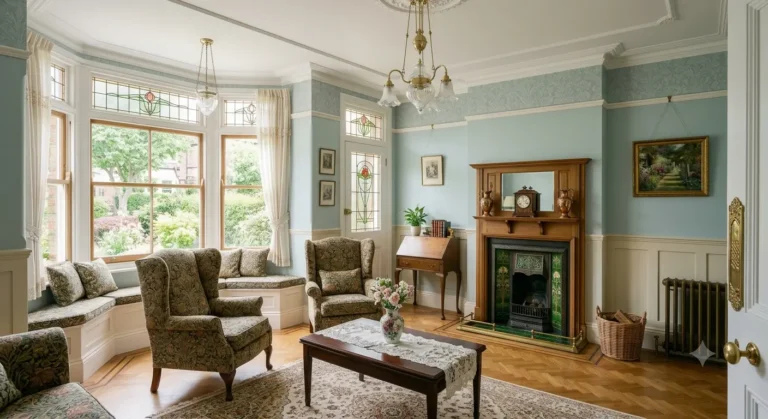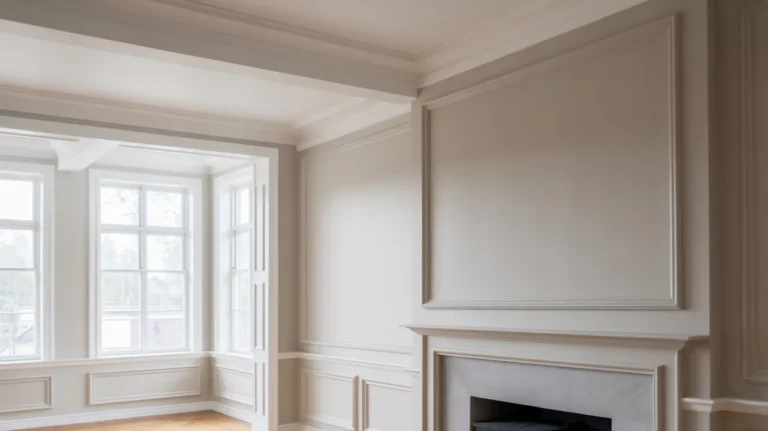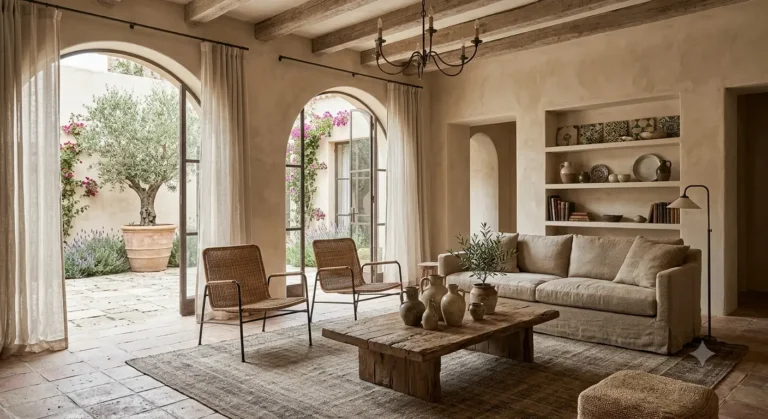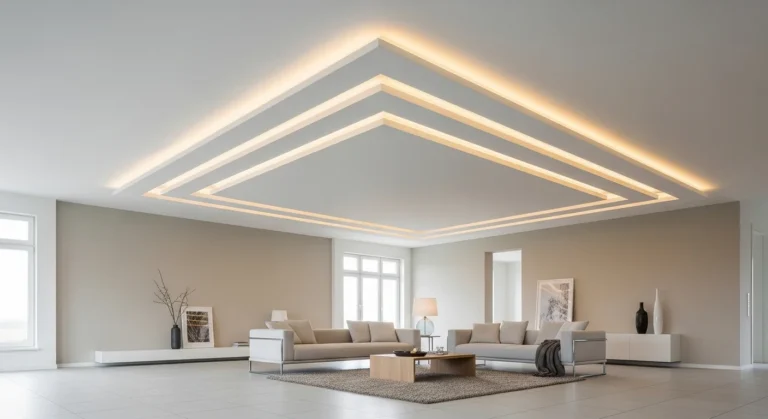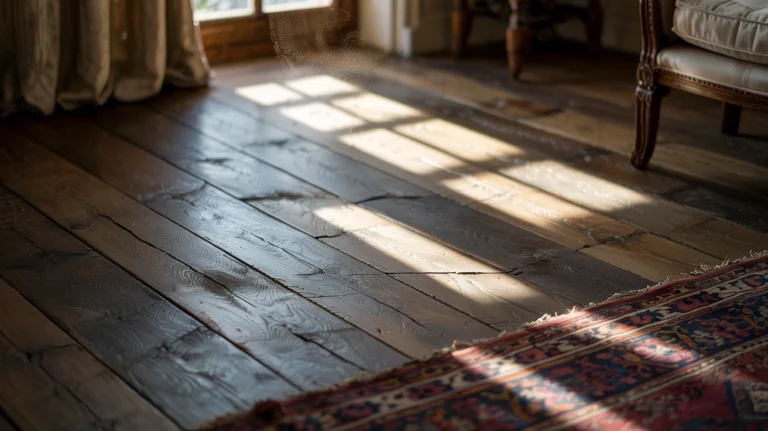

A vintage look can make a living room feel warm and personal. It can also go wrong fast. Too many old pieces can feel heavy. The room can look like storage. The goal is a space that feels lived in. It should still feel clean and current.
What vintage means in a living room
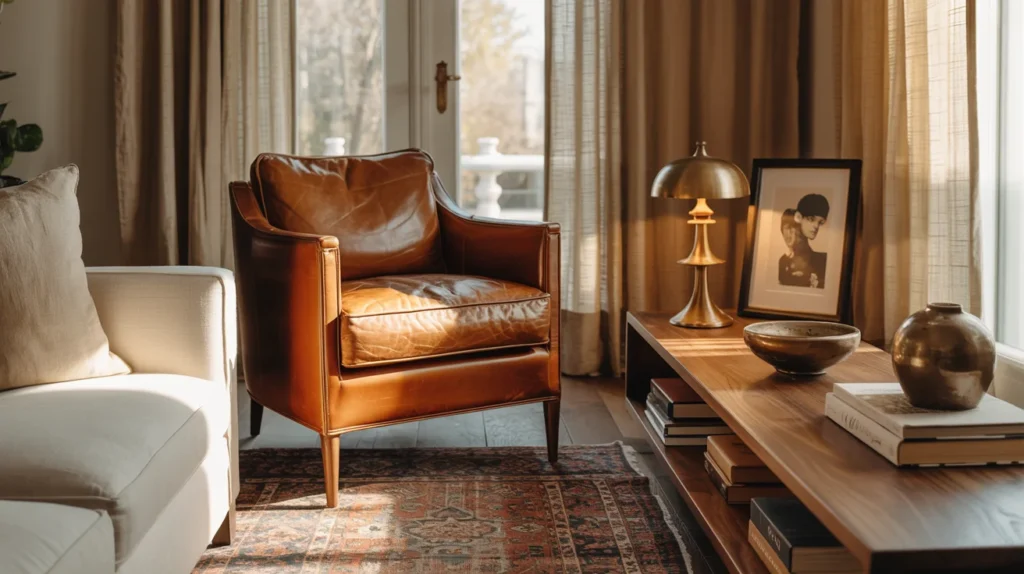
Vintage usually points to pieces from past decades. Think 1950s through 1980s. Antique often means much older items. Retro is newer stuff that looks old. This helps you shop with confidence. It also helps you mix styles with control.
Start with one clear era so the room has a story
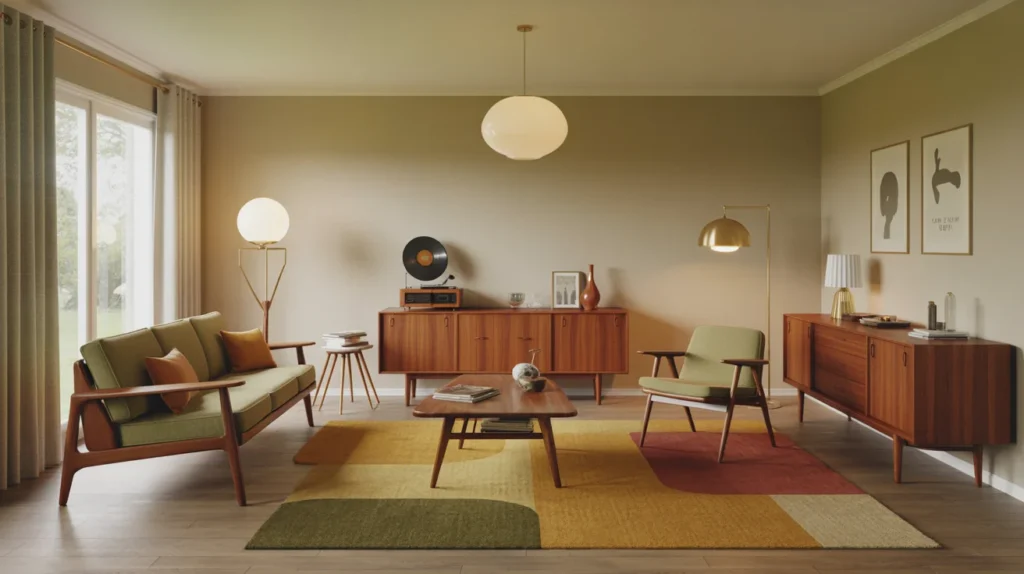
Most vintage rooms fail when they mix too many time periods. Pick one main era. Use it as your base. Add small accents from other decades later. Midcentury modern is an easy start. The shapes are simple. Seventies style feels cozy and bold. It loves warm wood and earthy colors. Art Deco looks glam and sharp. It needs balance so it stays calm.
Choose a hero piece that sets the tone
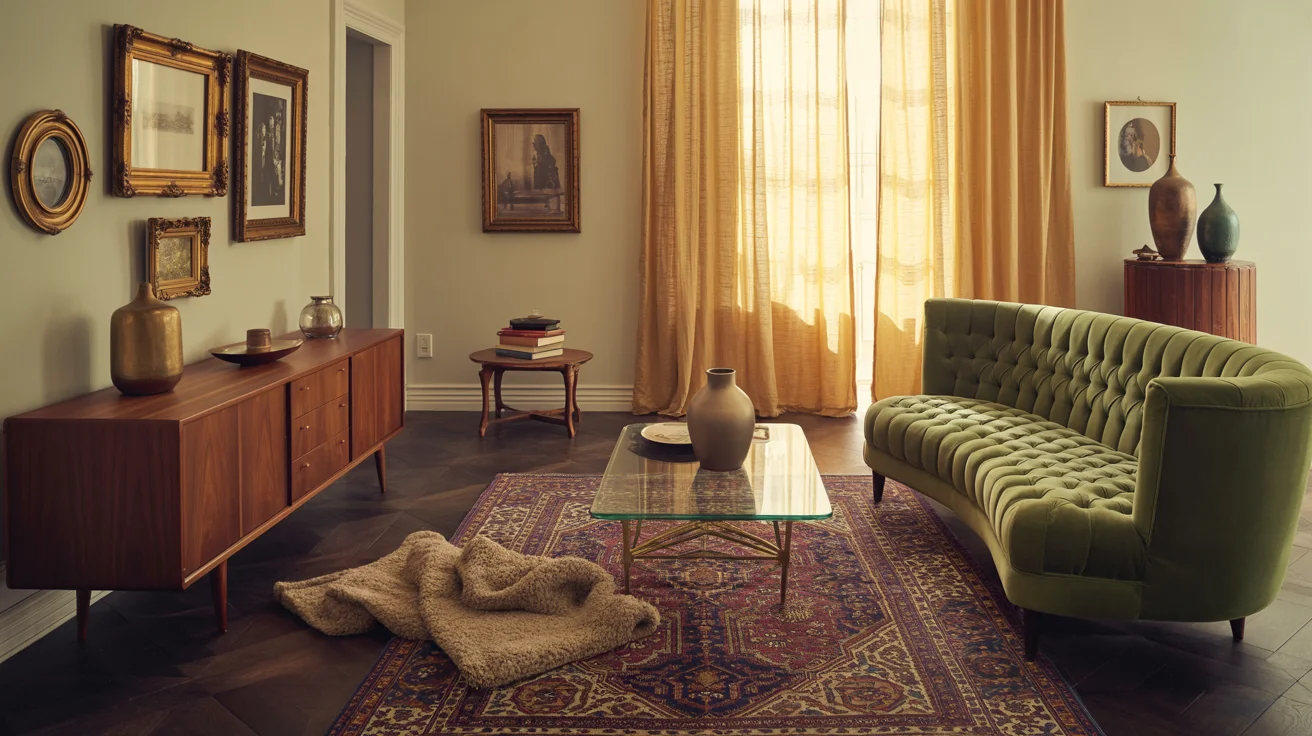
A room needs one strong anchor. This stops the space from feeling random. The hero piece can be a sofa or a rug. It can also be a large cabinet. A tufted sofa brings instant character. A vintage armchair can do the same. A patterned rug can set the color plan. Pick the hero item first. Then build around it.
Color palettes that read vintage fast
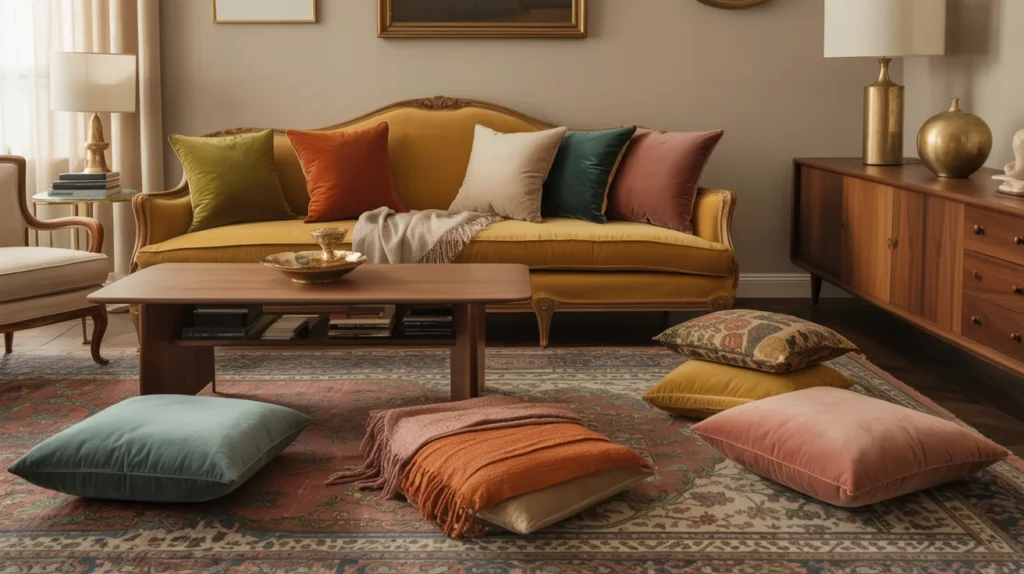
Color does a lot of the work. Vintage rooms often use warm tones. They also use deeper shades than modern minimal spaces.
Warm and classic
Use cream, tan, warm wood, and brass. Add one darker shade like olive or navy. This keeps it calm and not bland.
Seventies cozy
Use rust, mustard, olive, and walnut tones. Add texture with corduroy or velvet. Keep walls light if the room is small.
Soft vintage cottage
Use whitewashed tones and muted pastels. Add floral prints in small doses. Use natural wood and woven baskets.
Art Deco glam
Use black and cream with one jewel tone. Add brass or gold frames. Keep patterns limited so it stays clean.
Furniture shapes that feel vintage without trying too hard
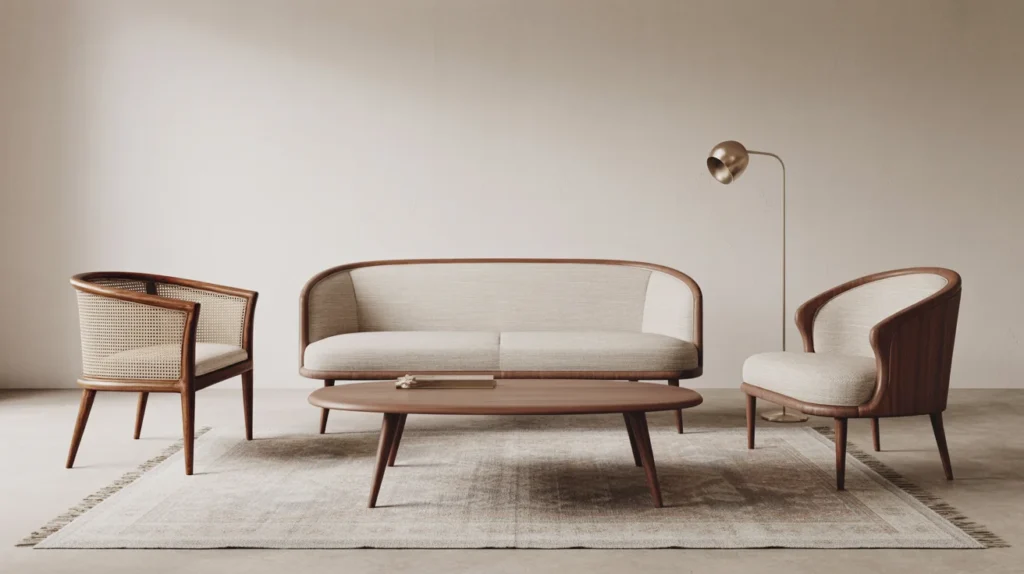
Vintage style is not only about old items. Shape matters too. For midcentury rooms, look for low profile sofas and tapered legs. For a seventies feel, use round forms and curved chairs. For a classic vibe, try rolled arms and tufting. Avoid filling the room with matching sets. One pair is fine. The rest should feel collected over time.
Layout ideas that make the room feel intentional
A good layout makes vintage feel sharp. A messy layout makes it feel dated. Start with sofa placement. Face it toward the main focal point. That can be a fireplace or a media wall. Add two chairs if space allows. Keep the walking path clear.
In small rooms, float one chair near a window. Add a small side table. Use a lamp for a reading corner. This adds charm without crowding the space.
Rugs and textiles that bring the look together
Textiles are the easiest way to add vintage energy. They also fix rooms that feel flat. A Persian style rug adds warmth. A Turkish style rug works well too. For a calmer look, pick a faded pattern. It reads vintage and stays soft.
For pillows, mix solids with one pattern. Keep the palette tight. Use velvet for depth. Use linen for balance. Add a throw that feels cozy but simple.
Lighting that makes vintage feel real
Lighting changes the mood more than any decor piece. Layer your lighting with three parts.
- Overhead light for general glow
- Table lamps for warmth
- A floor lamp for reading and corners
Look for lamps with fabric shades. They give soft light. A brass lamp can add character. A sputnik fixture can suit midcentury rooms. Keep bulb tone warm. Cool bulbs can ruin the vibe.
Wall decor that feels collected not cluttered
Walls can make or break the room. Too many frames can feel chaotic. A gallery wall works when it is edited. Use mismatched frames with one shared link. That link can be color or size. Mix art prints with photos. Add one mirror to reflect light.
A large vintage mirror can also act as the hero piece. It helps small rooms feel bigger. It also adds aged charm.
Vintage decor pieces that add soul in small doses
Small objects can add life. They can also add mess. Choose pieces that feel useful or meaningful. Try coffee table books and a ceramic vase. Use a tray to group small items. If you love music, add a record player on a low console. Keep surfaces partly clear.
Limit the number of items per surface. Three items in one group often looks best.
The biggest problems people face and simple fixes
Problem 1: The room looks dated
This happens when everything leans too hard into one era. It can feel like a set. Fix it with one modern touch. Add a clean lined side table. Swap one old lamp for a simple one. Use fresh paint on the walls. Keep the palette calm.
Problem 2: It feels cluttered
Vintage pieces can be bulky. Too many small objects also add noise. Fix it by editing. Remove one third of the decor first. Use closed storage like a cabinet. Use baskets for throws. Leave space around key pieces.
Problem 3: The space feels dark
Dark wood and heavy colors can swallow light. Fix it with lighter walls or a lighter rug. Add a mirror across from a window. Add two table lamps. Choose warm bulbs.
Problem 4: The mix feels off
Mixing eras can look messy when nothing connects. Fix it with one repeating element. Repeat a wood tone. Repeat a metal finish. Repeat one color in three places. This makes the mix feel planned.
Problem 5: Shopping feels overwhelming
Thrift stores can be hit or miss. Online listings can be risky. Fix it with a short list. Start with the hero piece. Then buy the supporting items. Keep measurements on your phone.
Where to shop and what to check before you buy
Vintage shopping is fun but it needs rules. Check the frame on any sofa or chair. Sit and listen for creaks. Look for loose joints. Smell the fabric. Strong odors can be hard to remove.
For wood pieces, check for wobble. Check drawer movement. Look for water rings. Small flaws are fine. They add charm. Structural issues are not worth it.
Good places to shop include thrift stores, flea markets, and estate sales. Online marketplaces can work too. Local shops cost more. They often offer better curation and less risk.
A simple budget plan that still looks high end
Low budget plan
Start with a vintage style rug. Add one thrifted lamp. Use two new pillows in the same palette. Paint the walls a warm neutral.
Mid budget plan
Buy one strong sofa or chair. Add a solid wood coffee table. Get a vintage mirror. Add layered lighting with two lamps.
Higher budget plan
Invest in a quality sofa and a statement rug. Add a curated console and art. Mix in one rare vintage piece. Keep the rest calm and timeless.
Quick checklist to get the look right
- Pick one main era
- Choose one hero piece
- Use a tight color palette
- Mix wood, metal, and soft textiles
- Add layered lighting
- Keep open space on surfaces
- Repeat one element across the room
FAQs
How do I make a vintage room feel modern
Keep the layout clean. Add one modern piece with simple lines. Use fresh paint and good lighting.
What colors work best for a vintage vibe
Warm neutrals work first. Add olive, rust, mustard, or navy as accents. Use one bold color at a time.
Can I mix vintage and modern furniture
Yes. Keep one shared link like wood tone or color. Use modern pieces as a calm base.
What is the easiest vintage upgrade
Swap lighting and add a vintage style rug. These two changes shift the room fast.
Final thoughts
The best vintage spaces feel personal. They do not feel staged. Start small and build slowly. Pick one era and one hero item. Use lighting and textiles to add warmth. Edit often so the room stays easy to live in.