
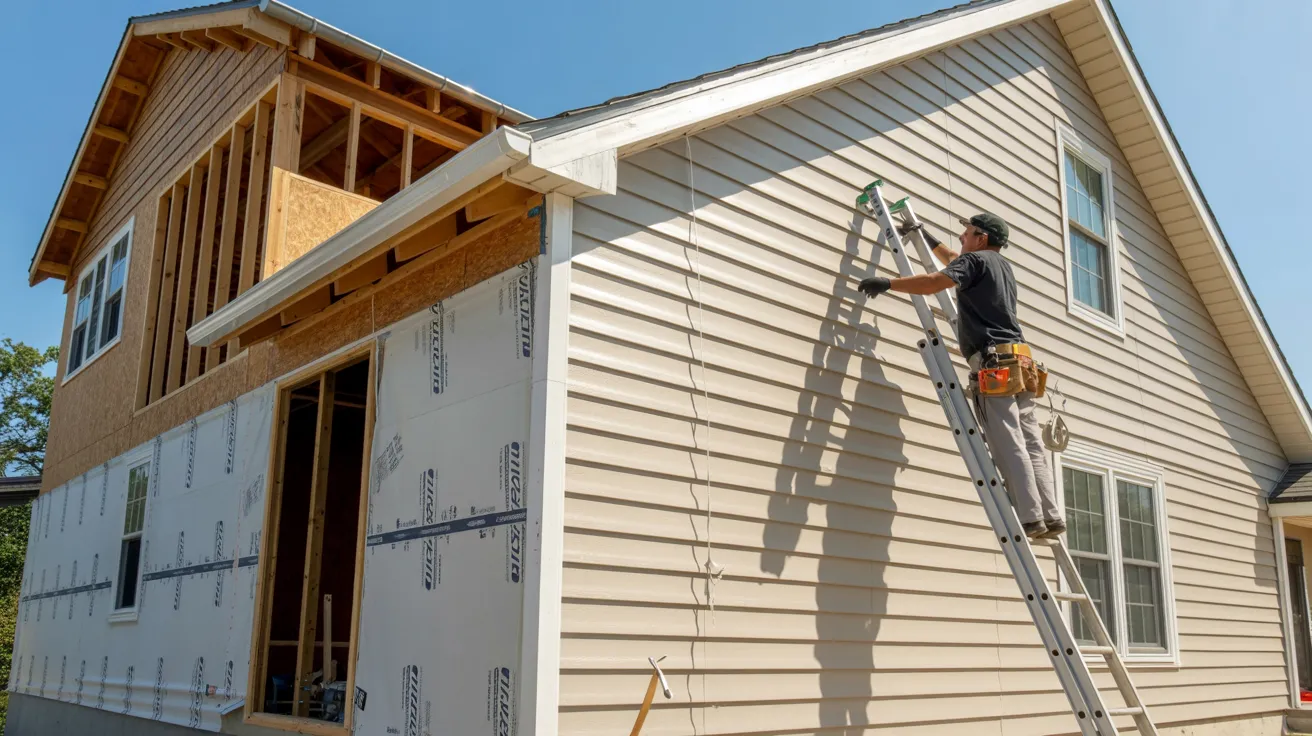
Re-siding a house usually costs a few thousand dollars on the low end and can reach tens of thousands on the high end, mainly based on the siding material, the size of your exterior walls, and how much repair work shows up after the old siding comes off.
Most homeowners ask this because quotes feel random. One contractor says $12,000. Another says $28,000. Both can be “right” for different scopes. Once you know what drives the price, you can spot a fair quote fast.
Average re-siding cost ranges in 2026
Prices move by region and material, so think in ranges, not one magic number. Many full house re-siding jobs land somewhere between $8,000 and $30,000. Smaller homes with basic vinyl can fall below that. Larger two-story homes with fiber cement and trim work can climb above it.
A helpful way to compare quotes is cost per square foot of exterior wall area, not your home’s indoor square footage. A 2,000 sq ft two-story house often has less exterior wall area than a 2,000 sq ft ranch. That alone can flip your price.
Re-siding cost per square foot by material
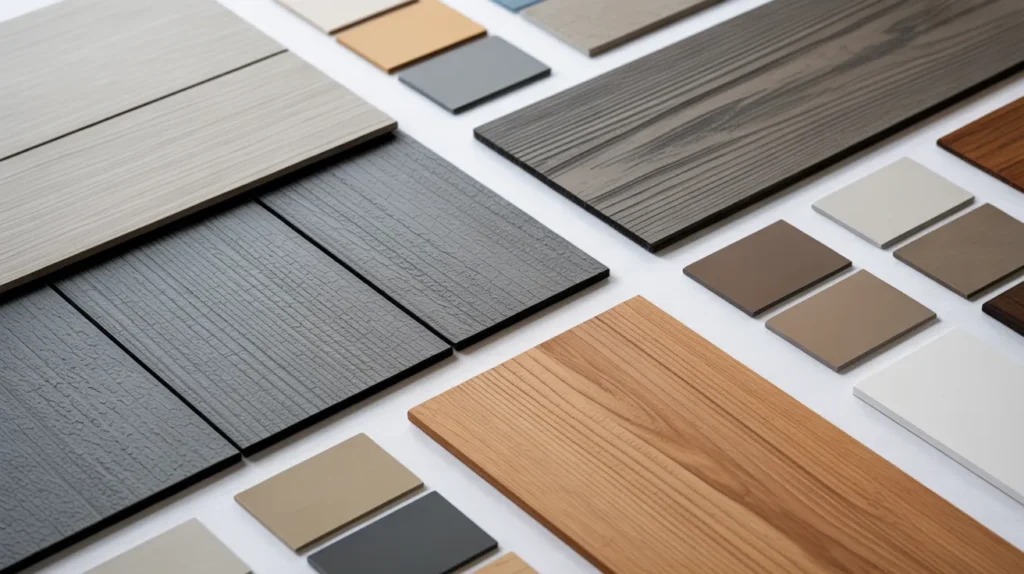
Material choice is the biggest cost driver. Labor also changes by material because some products take longer to cut, hang, seal, and paint.
Here’s a simple range table you can use when you review quotes.
| Siding type | Typical installed cost per sq ft | Why people pick it | What can raise the price |
|---|---|---|---|
| Vinyl siding | $4 to $10 | Lower upfront cost, low maintenance | Extra trim, thicker insulated panels, removing old layers |
| Engineered wood | $7 to $14 | Wood look, more stable than natural wood | Painting, moisture protection details |
| Wood siding (cedar, lap, shakes) | $8 to $18+ | Real wood character | High labor, sealing, ongoing upkeep |
| Fiber cement (Hardie-style) | $8 to $18+ | Strong, fire resistant, long life | Heavier material, painting, complex cuts |
| Aluminum or steel | $7 to $16 | Durable, clean lines | Repairs under siding, custom trim |
| Stucco (replace or re-stucco) | $10 to $25+ | Solid look, common in some regions | Surface prep, cracking repairs, labor heavy |
| Brick or stone veneer | $15 to $45+ | Premium look | Mason labor, wall prep, structural details |
Use this table for quick reality checks. If a quote is far outside these ranges, ask what’s included.
What’s included in a re-siding quote
Many quotes look similar until you read the line items. A good quote explains what happens before, during, and after installation.
Most full quotes include:
- Old siding removal and disposal
- House wrap or weather barrier
- Flashing around windows and doors
- New siding install
- Basic trim and corner pieces
- Cleanup and haul-away
Some quotes also include add-ons that matter a lot:
- New soffit and fascia
- New gutters and downspouts
- Window and door trim wrap
- Foam insulation board
- Painting (for fiber cement or wood)
- Permit fees
If the quote is one big number with no detail, ask for a breakdown. You are not being difficult. You are protecting your money.
The hidden costs that change the final total
Re-siding often turns into a “fix what’s underneath” job. That’s where budgets can blow up.
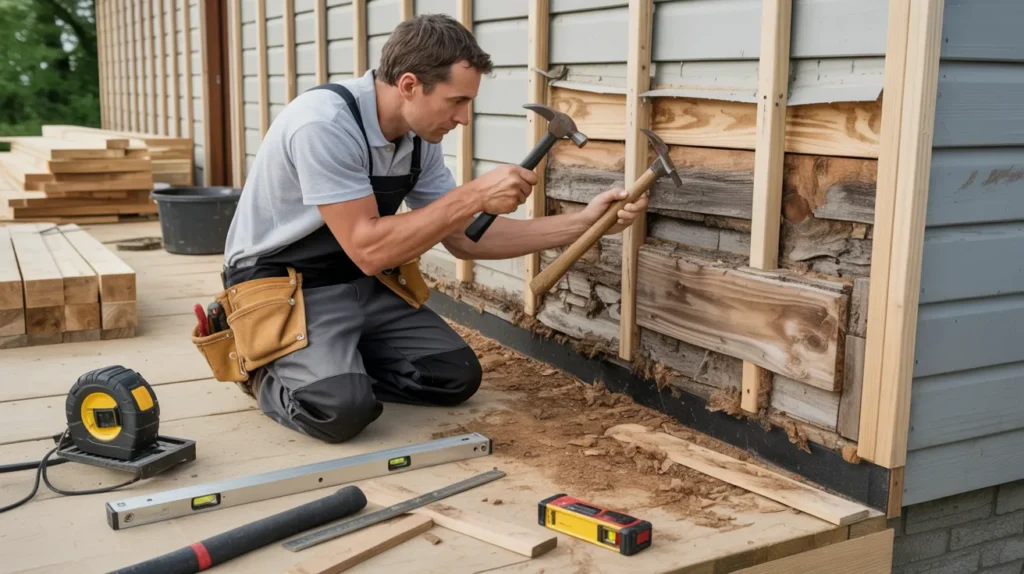
Rot and water damage under old siding
Old leaks can rot sheathing around windows, doors, and corners. You cannot see it until tear-off starts. When the crew finds soft wood, they stop and repair it.
How to handle it: ask for a quote that lists a repair rate, like per sheet of sheathing, or per hour of carpentry. That keeps surprises smaller.
Multiple layers of old siding
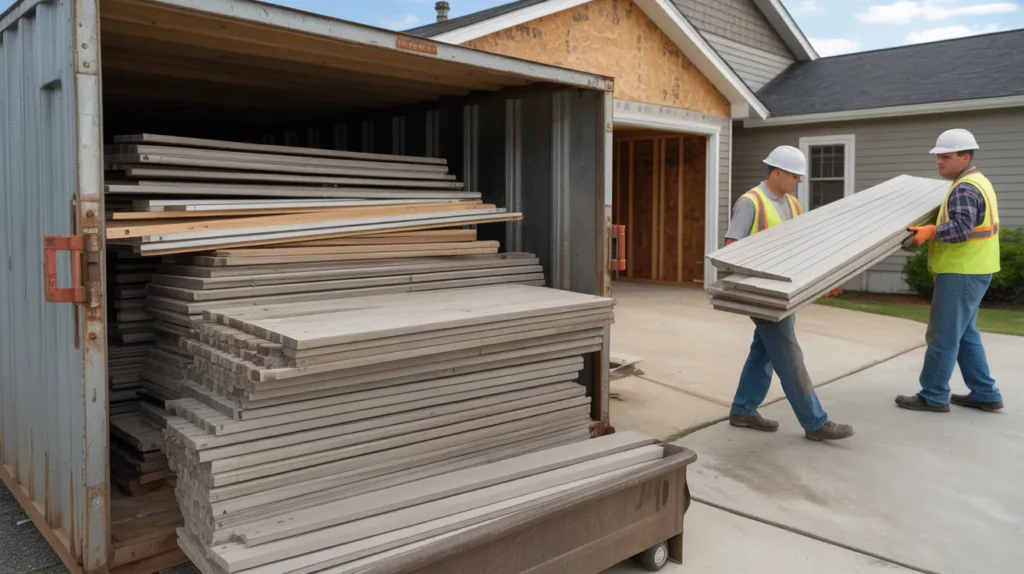
Some homes have vinyl over wood, or siding over siding. Extra layers add removal time and disposal cost.
How to handle it: have the contractor confirm how many layers exist before the final quote. A quick test cut can answer that.
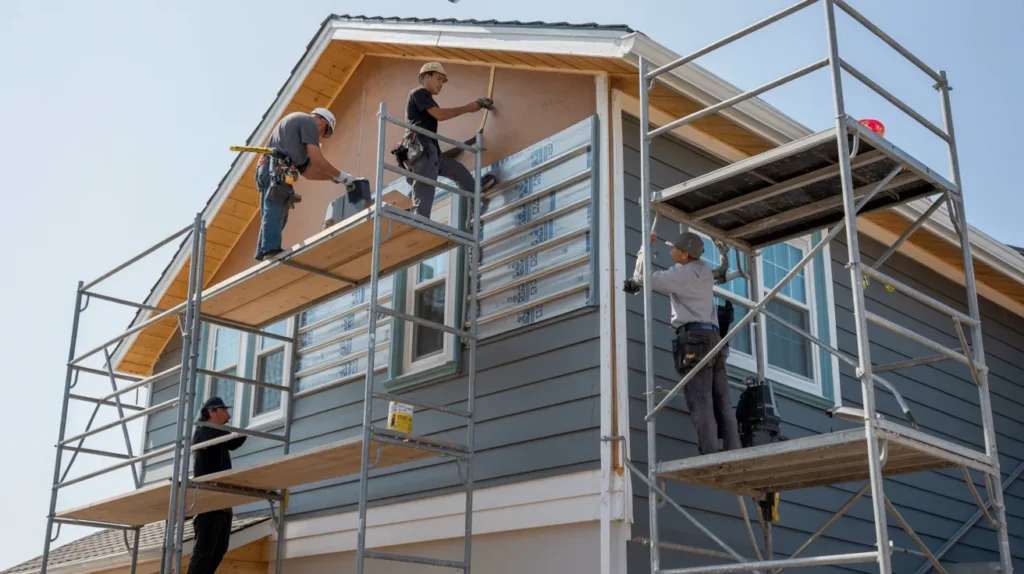
Two-story access and steep lots
Height changes labor. A two-story home needs more ladder work, staging, or scaffolding. Tight access also slows material delivery around the house.
How to handle it: compare quotes from contractors who regularly work on two-story homes. They price access more accurately.
Trim work that sounds “small”
Trim is where craftsman time hides. Corner boards, window trim, frieze boards, and decorative details take real labor.
How to handle it: ask for trim scope in writing. Then compare apples to apples.
Why quotes vary so much
A re-siding quote is not only about siding. It’s the whole wall system.
Your total changes with:
- Exterior wall area
- Number of stories
- Siding material and thickness
- Tear-off scope and dump fees
- Repairs under the siding
- Trim, soffit, fascia, and gutters
- Window and door flashing details
- Local labor rates
- Permit requirements
If one quote is much cheaper, it often skips something. It may skip house wrap, flashing, trim scope, or disposal. That shortcut can cost you later.
Repair siding or replace everything?
Replacing all siding costs more upfront, but patch repairs can become a cycle.
Replacement makes sense when:
- Siding is warped, cracked, or brittle across many walls
- You see repeated moisture issues
- Paint fails again and again
- Many boards need replacement anyway
- You want a full exterior refresh for resale
Repair makes sense when:
- Damage is limited to one wall or one corner
- The rest of the siding is in good shape
- The issue is one leak you can fix properly
A contractor can tell you if the wall system is still healthy. That includes sheathing, wrap, and flashing.
Ways to lower re-siding cost without wrecking quality
Saving money is fine. Saving money by skipping water control is not.
Try these moves instead:
- Choose a simpler profile and fewer trim upgrades
- Keep your color plan simple if painting is required
- Replace only what needs replacing on soffit and fascia
- Time the job in a slower season in your area
- Get three quotes with the same written scope
- Ask about material options that match your climate
Avoid cutting corners on flashing and wrap. Those parts stop leaks.
A quick checklist to compare contractor quotes
Copy this list into your notes before you sign anything.
- Tear-off included and disposal included
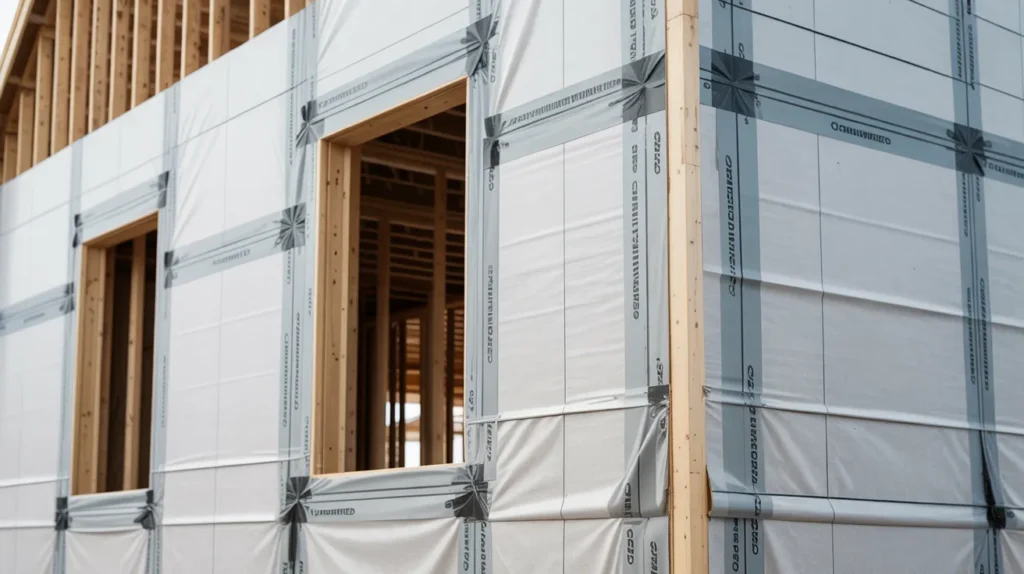
- House wrap included
- Flashing around windows and doors included
- Repair allowance listed for sheathing or rot
- Trim scope written clearly
- Soffit and fascia listed as included or excluded
- Gutter work listed as included or excluded
- Permit responsibility stated
- Warranty terms explained
- Payment schedule tied to milestones, not vague dates
This makes the “cheap” quote reveal itself fast.
FAQs
How much does it cost to reside a 1,500 sq ft house?
It depends on exterior wall area and material. Many jobs fall in the mid-thousands to mid tens of thousands, with vinyl on the lower end and fiber cement on the higher end.
What is the cheapest siding to install?
Vinyl is often the lowest installed cost, especially on a single-story home with simple walls.
How much does it cost to re-side a two-story house?
Two-story homes usually cost more because access takes more labor. Scaffolding and staging can also raise the price.
Do I need a permit to replace siding?
Many areas require permits, especially if you change materials or do structural repairs. Your contractor should confirm local rules.
Is fiber cement worth the extra cost?
It can be, if you want a tougher exterior and you plan to stay in the home for years. The higher cost often comes from labor and finishing work.