
Most people want one number. In 2026, a lot of single-family homes take around 9 months from the day construction starts to the day you can move in. That said, the full journey often takes longer because design, permits, and site prep happen before the first hammer swing.
If you already own land and your plans are done, many builds land in the 7 to 10 month range. If you are starting from zero and still need plans, pricing, and permits, 10 to 18 months is a more realistic window.
Why the timeline feels confusing
Two people can “build a house” and have totally different timelines. One person buys a standard plan in a subdivision with flat land and quick permits. Another builds a custom home on a sloped lot with a long driveway and slow approvals. Same question, different reality.
The truth is simple. A house takes as long as the slowest step. Sometimes that step is concrete. Often it is permits, inspections, or waiting for materials.
The timeline, broken into real phases
Planning and design
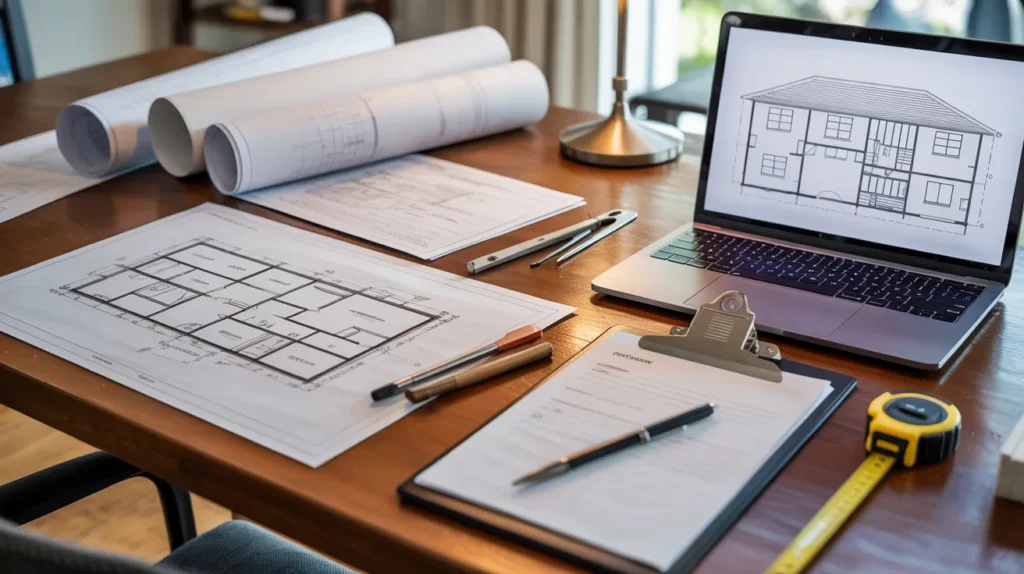
This is where most delays start, even though nothing looks delayed yet. You pick a plan, work out the budget, and decide what you actually want inside the house. The choices that hit the schedule hardest are windows, exterior doors, cabinets, tile, and big fixtures. If these stay “to be decided” for too long, the build later pauses while you scramble.
A clean way to stay ahead is to make the big choices early, even if you leave small décor details for later.
Permits and approvals
Permits can be quick in one area and slow in another. Some offices approve fast. Others ask for revisions, then re-check, then more revisions. Utilities can also take time, especially if the lot is rural or the street connection needs extra work.
If your builder has done homes in the same area, ask them what usually slows permits there. That local knowledge matters more than generic advice.
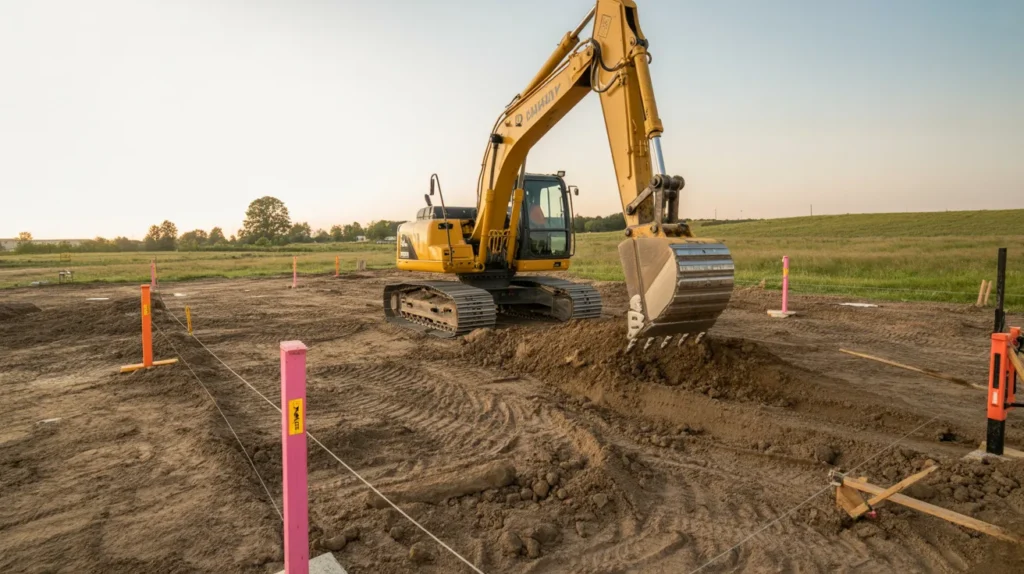
Site prep
Site work is where “good land” saves weeks. Clearing trees, grading, and making space for trucks can be easy or messy. Soil issues, drainage work, and rock can turn into extra excavation days. If the site needs retaining walls, that adds more time and more steps.
This phase is also where weather can hurt you early, since mud and heavy equipment do not mix well.
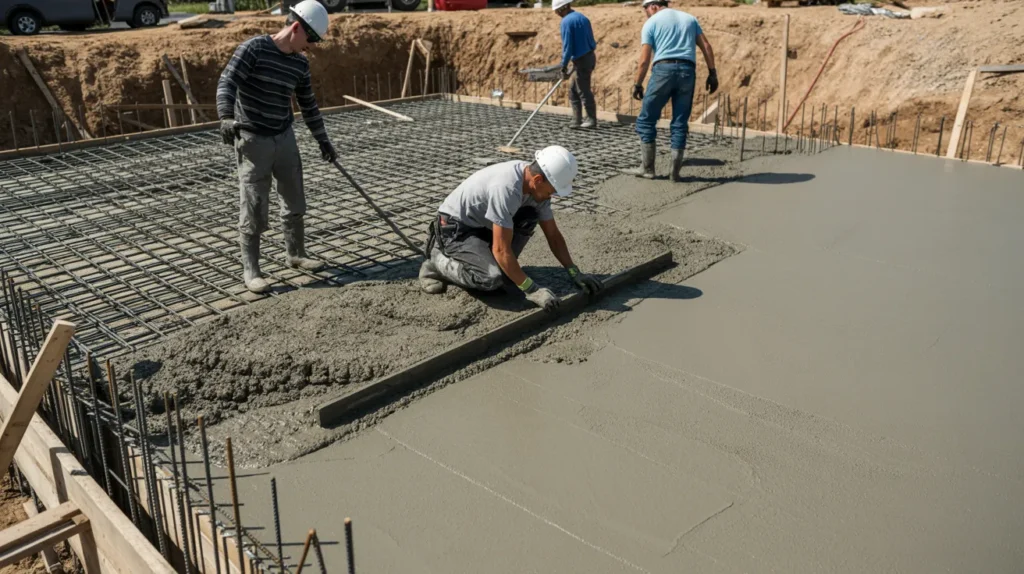
Foundation
Foundation work includes excavation, forms, and concrete. Concrete needs time to cure. Cold or wet weather can slow scheduling. Basements often take longer than slabs because there is more digging, more wall work, and more inspection points.
A strong foundation schedule is usually about timing, not speed. Most crews would rather wait a few days than fix cracks later.
Framing and dry-in
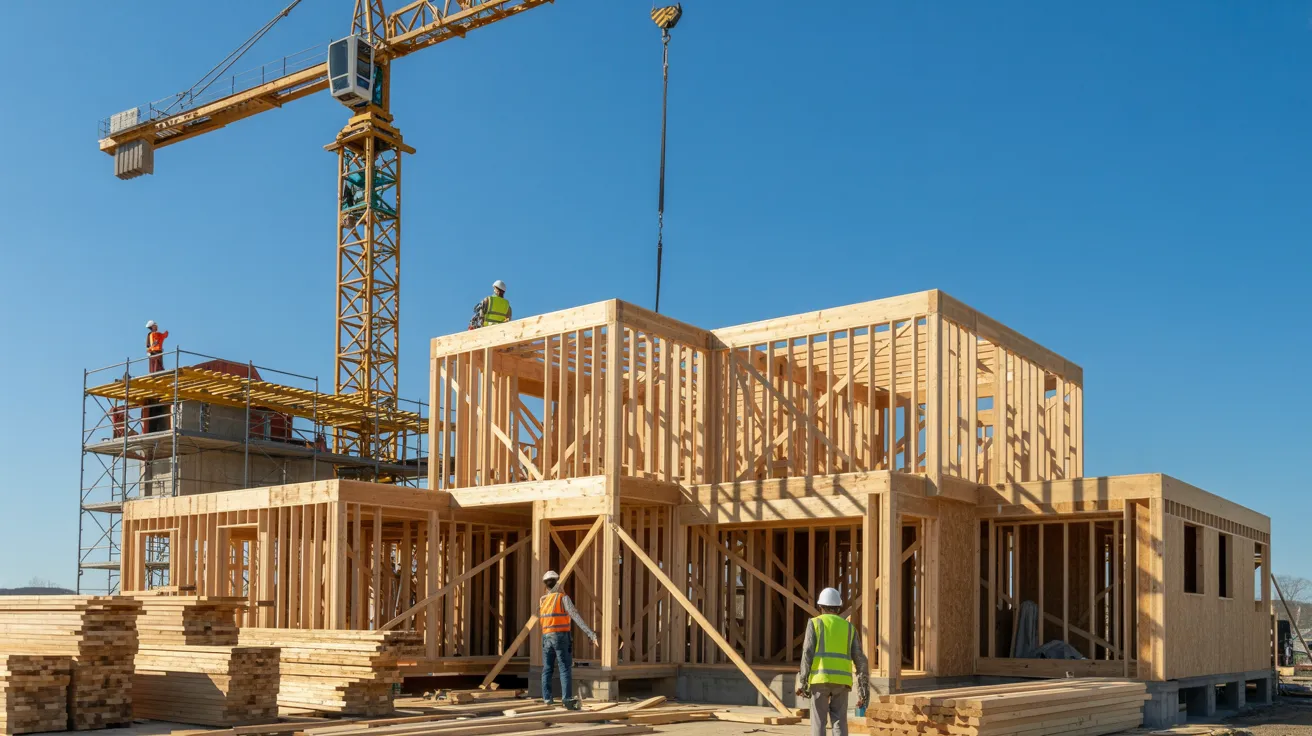
Framing is the fun part because you finally see rooms. It can move fast with a strong crew, but it still depends on materials showing up on time. Dry-in is the big milestone here. Once the roof is on and the house is sealed with windows and exterior doors, the inside work can keep going even when the weather is rough.
If you want fewer weather delays, getting to dry-in early is a big deal.
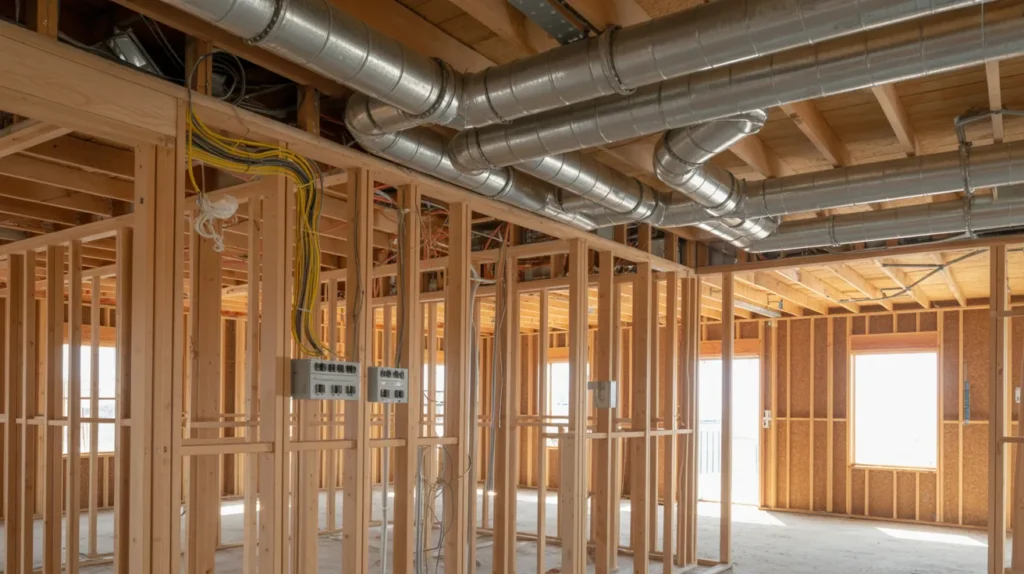
Rough-ins
Rough-ins include plumbing, electrical, and HVAC. This stage needs one thing above all: a final plan. If you change where a sink goes, add a wall, move a shower, or change lighting layouts, crews may redo work. Rework eats time fast.
Inspections also show up here. If inspectors are booked out, progress pauses, even if the crew is ready.
Insulation and drywall
After rough-ins pass, insulation goes in, then drywall starts. Drywall takes longer than people expect because mud and sanding need drying time between steps. Humidity can slow this down. After drywall, changes get harder, so this is the point where last-minute ideas get expensive and time-consuming.
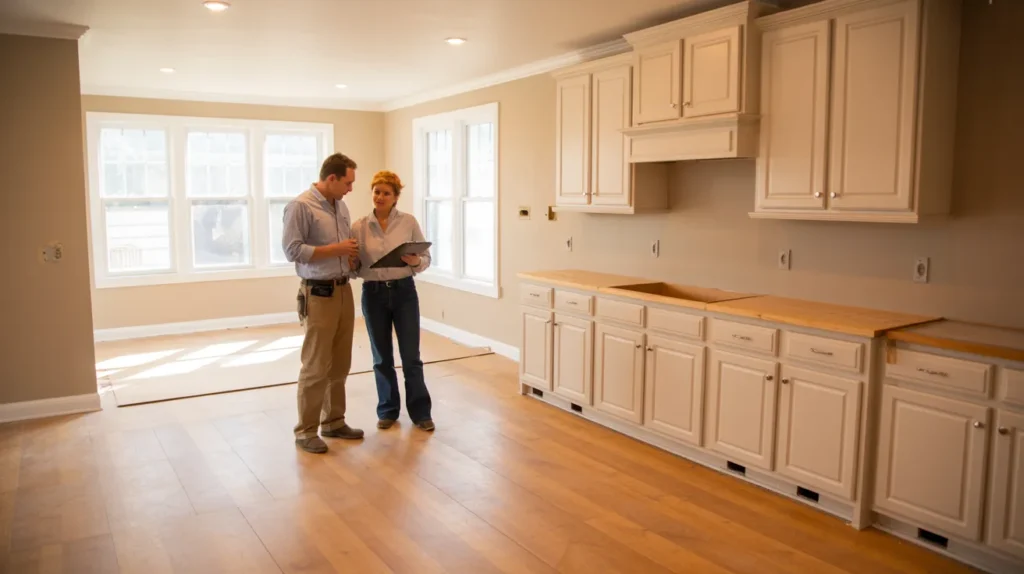
Interior finishes
This phase often feels like it should be quick, but it is not. Finishes include cabinets, countertops, tile, flooring, paint, trim, interior doors, and fixtures. A lot of these steps depend on the step before.
Cabinets often set the pace. Countertops come after cabinets. Plumbing fixtures follow countertops. Tile can slow if patterns are complex or the space needs extra prep. Flooring usually waits until late so it does not get damaged by other trades. Then you still have trim, touch-ups, hardware, and final installs.
This is where people start saying, “It looks done.” It might still be weeks away.
Final steps and move-in
Final inspections happen near the end. Then you do a walkthrough. Most homes have a punch list, even good ones. Plan time for touch-ups and small fixes. Some items are quick. Others need a specialist to come back, which can take scheduling.
What slows a build down the most
Permits can stall the start. Weather can slow the outside phases like excavation, concrete, roofing, and siding. Material delays can hit windows, cabinets, doors, and certain fixtures. Trade scheduling gaps can create dead weeks where nothing major happens. Plan changes mid-build can cause rework across multiple trades.
None of these are rare. That is why buffer time matters.
How to keep the schedule steady
Lock the floor plan before permits. Pick windows and exterior doors early. Finalize cabinets before framing starts. Confirm outlets, lighting, and plumbing points before rough-ins begin. Order long-lead items as soon as the plan is set. Ask your builder for a weekly schedule and what the next three milestones are. Leave extra time for inspections and utility hookups.
Also, visit the site at key moments. Foundation, framing, rough-ins, and pre-drywall are the visits that catch issues early.
Simple timeline table
| Phase | What happens | What slows it | What helps |
|---|---|---|---|
| Planning | plans and key selections | late choices | early decisions |
| Permits | approvals and reviews | revisions | complete paperwork |
| Site prep | clearing and grading | soil and drainage | early site checks |
| Foundation | forms and concrete | curing and rain | planned pours |
| Framing | structure and roof | missing materials | ordered packages |
| Rough-ins | plumbing, electrical, HVAC | rework and inspections | locked locations |
| Drywall | hang and finish | humidity | steady crews |
| Finishes | cabinets, floors, paint | late deliveries | early ordering |
| Final | walkthrough and sign-off | touch-ups | planned time |
FAQs
How long does it take to build a house after construction starts?
Many homes land around 9 months, but it varies by plan, permits, and the site.
How long does it take to build a custom home?
Custom builds often take longer, often 10 to 16 months, sometimes more.
What stage takes the longest?
Interior finishes usually take the most calendar time because many steps stack up.
Can a house be built in 6 months?
Yes, but it usually needs a simple plan, fast permits, and materials ready.
What delays a build the most?
Permits, weather, material timing, inspection schedules, and plan changes cause most delays.