

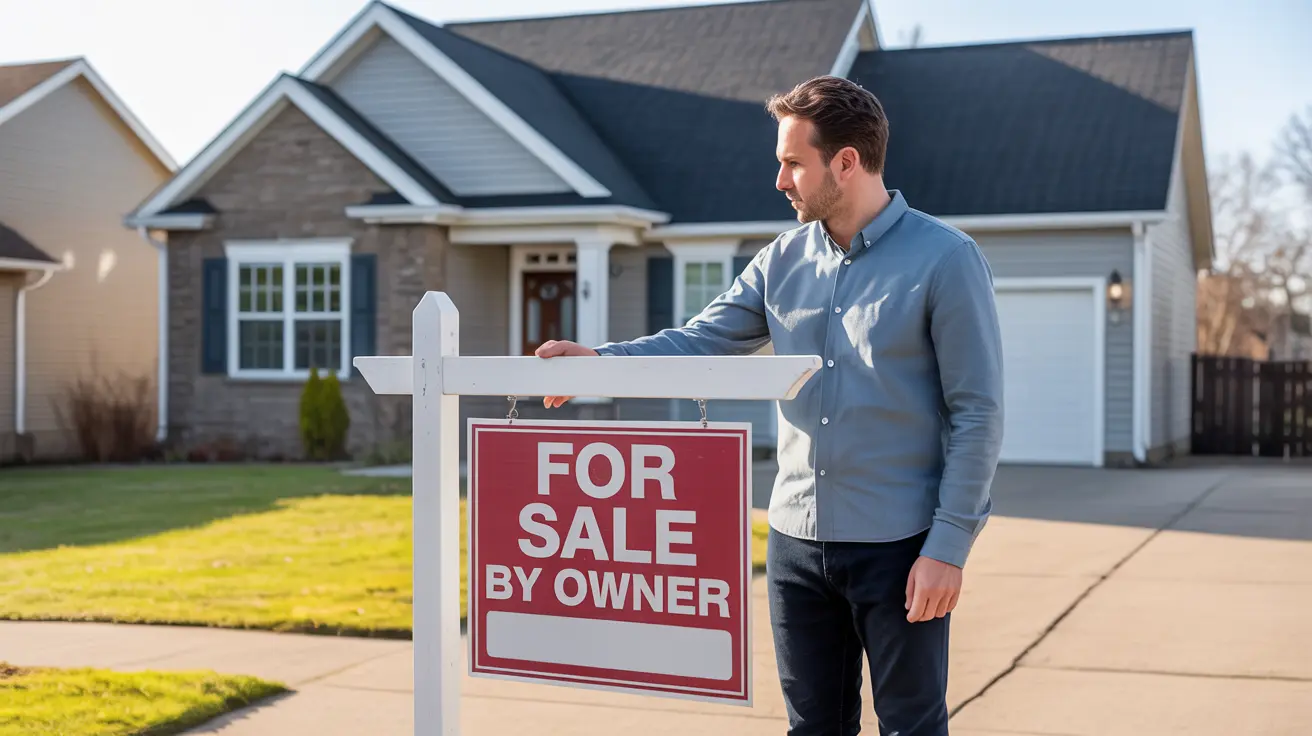
Selling on your own can save money. It can also cost you time and stress. Most problems happen for one reason. Sellers skip the hard parts that agents usually handle. Pricing, marketing, buyer screening, paperwork, and closing details matter.
This walkthrough shows the full process. It also flags the common traps. You will know what to do next at every stage.
Is FSBO the right move for you
FSBO works best when the home is easy to price. It also helps when the home shows well. A hot neighborhood makes things easier too. If your home needs heavy repairs, expect a harder sale.
Time matters as much as money. You will answer calls. You will manage showings. You will negotiate face to face. If you hate those tasks, plan support early.
A simple middle path exists. You can use a flat fee MLS listing. You still run the sale. You get wider exposure.
What you still pay when you sell on your own
FSBO does not mean free. You still pay closing costs. You may also pay for marketing. Some buyers bring an agent too. That fee becomes part of negotiation.
Here is a clear way to think about costs.
| Cost item | Why it matters | Who often pays |
|---|---|---|
| Title search and title insurance | Confirms clean ownership | Varies by area |
| Escrow or settlement fee | Handles money and documents | Varies |
| Recording and transfer fees | Records the new deed | Usually seller or split |
| Repairs and credits | Helps deals survive inspection | Often seller |
| Photography and marketing | Drives serious buyers | Seller |
| Buyer agent fee if offered | Helps attract represented buyers | Negotiated in offer |
Local customs vary a lot. Ask a local title company for a fee sheet early. It takes one call.
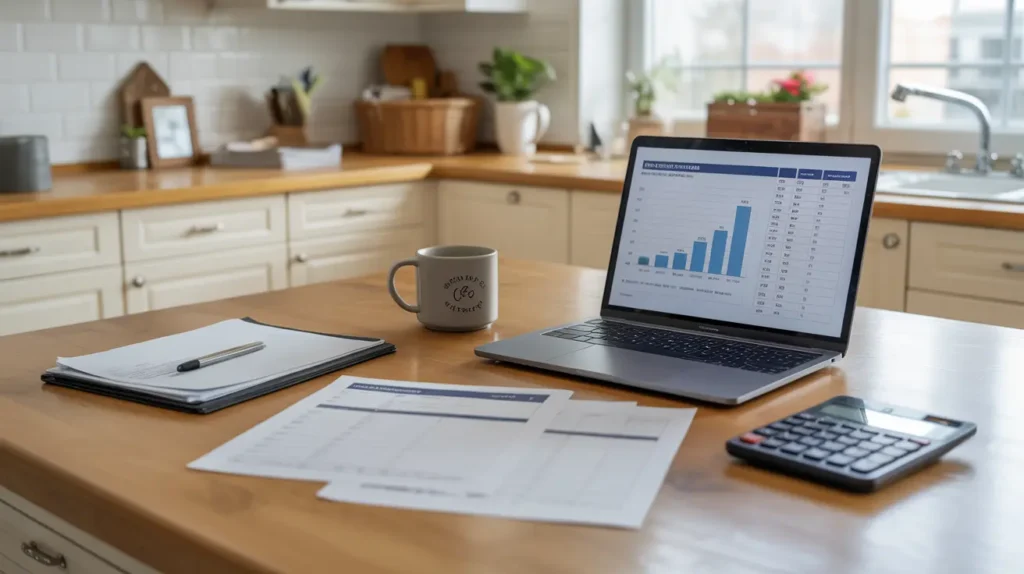
Step 1: Price the home using comps
Pricing is the biggest make or break factor. Overpricing kills showings. Underpricing can leave money on the table.
Pull comps that match your home closely. Stay in your neighborhood when possible. Use recent sales first. Look at size, condition, and upgrades.
Do not chase the highest sale. Find the most similar sale. Then adjust for differences. A new roof matters. A nicer kitchen matters. A better lot matters.
If you feel unsure, pay for help on pricing only. Many agents or appraisers can guide a range. That small spend can protect your final number.
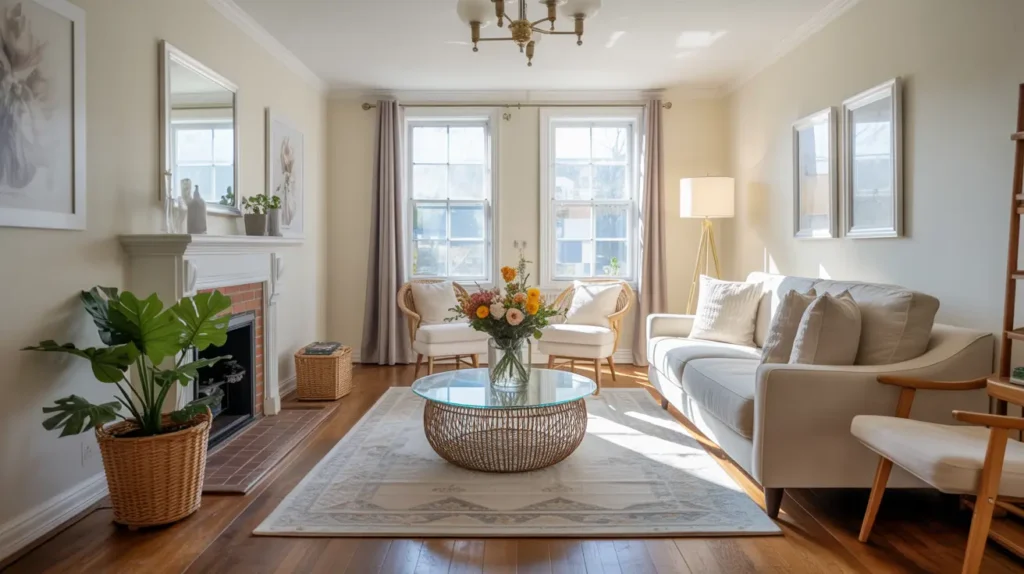
Step 2: Prep the home so it looks “move in ready”
Buyers pay more when the home feels clean and cared for. Most sellers skip basic prep. Then they wonder why offers come in low.
Start with repairs that buyers notice fast. Fix sticking doors. Patch nail holes. Replace burnt bulbs. Touch up paint where it looks tired.
Decluttering does heavy lifting. Clear counters. Clear floors. Open closet space. Buyers want to imagine their life there.
Staging does not need fancy furniture. It needs smart placement. Keep furniture that fits the room scale. Remove extra pieces that block flow.
Curb appeal matters because it sets the mood. Trim plants. Power wash if needed. Add a clean doormat. Make the front door look cared for.
Step 3: Choose your listing path
You have three common options.
Option A: Free FSBO sites and social platforms
Sites like Zillow allow owner listings in many areas. Social platforms can bring local buyers too. This path costs less. Exposure can be limited.
Option B: Flat fee MLS
A flat fee MLS service can place your listing on the MLS. Many buyers search via MLS feeds. This can boost reach. It does not replace your work.
Option C: Limited help for paperwork only
Some sellers hire a real estate attorney for contracts and closing steps. This lowers legal risk. You still handle marketing and showings.
Pick the path that fits your skills. Most first time FSBO sellers do best with flat fee MLS plus attorney support.
Step 4: Create a listing buyers trust
Photos get clicks. Details get showings. Trust gets offers.
Use bright, sharp photos. Shoot in daylight. Clean every room before pictures. Remove personal items from view. A pro photographer often pays for itself.
Write a description that answers real buyer questions. Mention the big items first. Layout, upgrades, HVAC age, roof age, and parking matter.
Avoid hype words that mean nothing. Keep it specific. “New roof in 2022” beats “updated home” every time.
Include these basics in your listing text.
- Beds and baths
- Square footage
- Lot size
- Key upgrades with dates
- HOA details if any
- School info if relevant
- Utility features buyers ask about
Step 5: Showings and buyer screening without drama
FSBO sellers waste time on unqualified buyers. Screening fixes that.
Before private showings, ask for a pre approval letter. For cash buyers, ask for proof of funds. Serious buyers expect this step.
Set showing windows so your life stays sane. Use a simple calendar. Confirm times in writing.
Safety matters too. Do not show alone if you feel uneasy. Ask for ID at the door. Keep valuables locked away.
Open houses can work in hot markets. They can also bring lookers. Use a sign in sheet. Keep a friend with you.
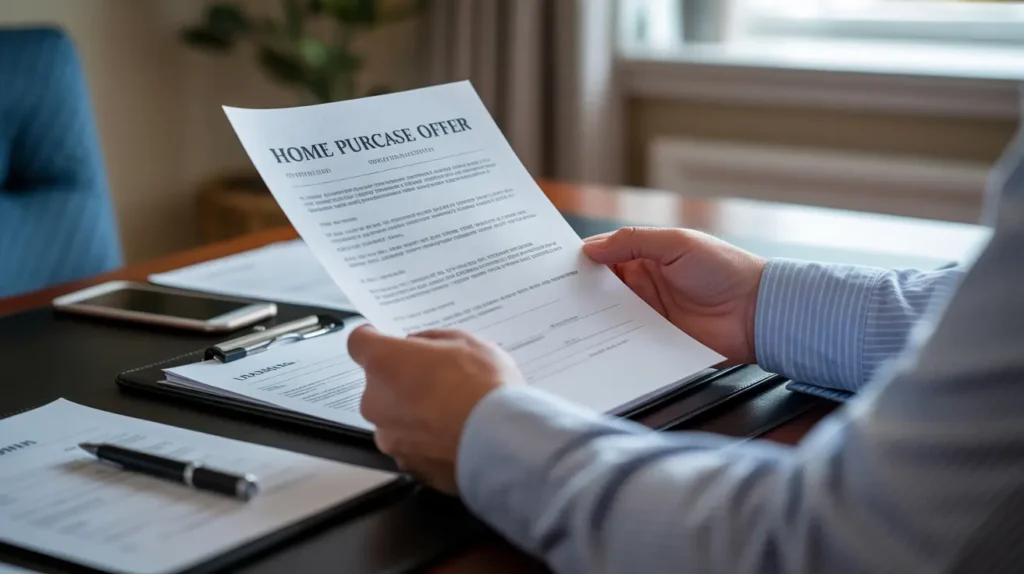
Step 6: Offers, negotiation, and the buyer’s agent question
Offers are more than price. Terms can matter more than a small price bump.
Review these items first.
- Financing type
- Earnest money amount
- Contingencies
- Closing date
- Repair requests and credits
A clean offer with strong financing can beat a higher risky offer.
Do you need to pay a buyer’s agent
Many buyers work with an agent. After recent industry changes, agents working with buyers often use a written buyer agreement before touring homes. This started around August 17, 2024 for many MLS participants. National Association of REALTORS®+1
Here is what that means for you. A buyer may come with an agent who has a stated fee. That fee can be handled in different ways. The buyer may pay it. You may agree to cover part of it. It may be built into price and concessions.
Do not argue this on the phone. Keep it inside the written offer. That keeps things clean and trackable.
How to counter without losing the buyer
Counter offers should feel calm and fair. Pick your top two priorities. Price and timeline are common. Repairs are another.
If inspection worries you, offer a repair credit cap. It keeps you safe from surprise asks. If timing matters, set a firm closing window.
Negotiation works best when you stay simple. Keep terms clear. Avoid long emotional messages.
Step 7: Paperwork and disclosures you cannot skip
Paperwork varies by location. Still, every sale needs a contract and required disclosures.
A local purchase agreement form helps. Many title companies and attorneys can provide one. Some states require attorney involvement. Check local rules.
Disclosures matter because they protect the buyer and you. Tell the truth about known issues. Document what you disclose.
Lead based paint disclosure in the United States
If the home was built before 1978, federal rules usually require a lead based paint disclosure. Buyers must get the right info before they are bound to buy. Environmental Protection Agency+2law.cornell.edu+2
If you are outside the United States, rules differ. Use your local requirements.
Inspection and repair requests
Most buyers request an inspection. Some deals fall apart here. Preparation helps.
If you can, get a pre listing inspection. It can reduce surprises. It also helps you price with confidence.
When repairs come up, focus on safety issues first. Electrical problems and water damage matter. Cosmetic asks can be negotiated.
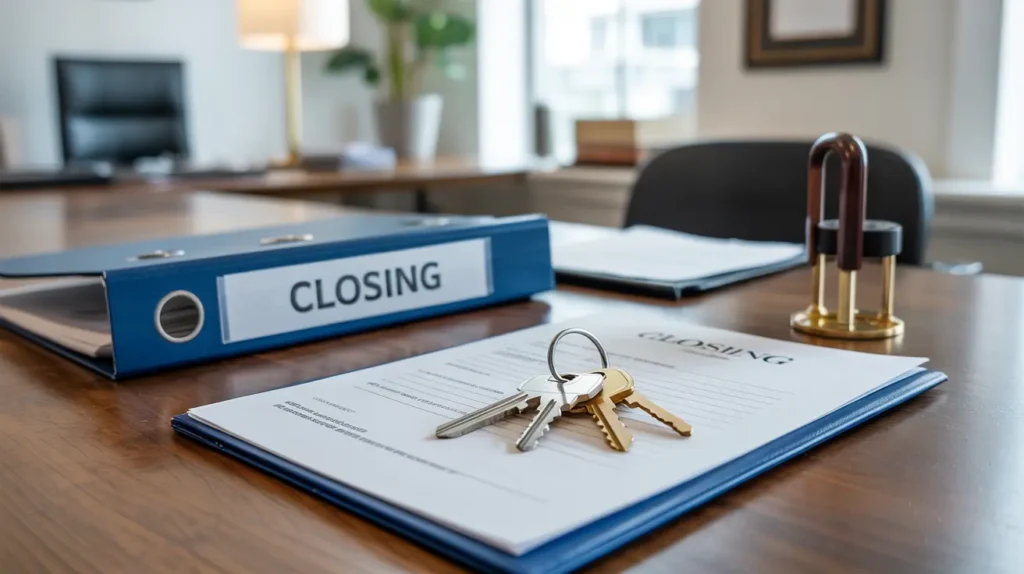
Step 8: Title, escrow, and closing step by step
A title company or escrow partner keeps the transaction moving. They also help prevent mistakes.
Expect these steps.
- Title search and payoff checks
- Opening escrow and collecting earnest money
- Ordering lender items if financed
- Coordinating repairs and final walk through
- Signing closing documents
- Recording the deed and releasing funds
Ask your title company what they need from you. Get a checklist early. It reduces last minute chaos.
Protect yourself from scams and wire fraud
Real estate deals attract scammers. Wire fraud is a known risk. Always confirm wiring instructions using a trusted phone number. Never trust last minute email changes. National Association of REALTORS®+1
If you get pressure to wire fast, slow down. Call the title company using a number you already verified. Confirm every digit before sending money.
FSBO checklist you can use today
Use this list to stay organized.
- Pull comps and set a price range
- Do repairs, deep clean, and declutter
- Take strong photos in daylight
- Pick listing path, including flat fee MLS if needed
- Write a clear listing description with facts
- Set showing rules and screening steps
- Review offers by terms, not price only
- Plan for disclosures and required forms
- Choose a title company or escrow partner
- Confirm wiring steps to avoid fraud
FAQs
Can I sell a house without a realtor?
Yes, in many places you can. You still need correct paperwork. You also need required disclosures.
What is the fastest way to sell FSBO?
Price it right first. Use great photos. List where buyers search. Make showings easy for qualified buyers.
Should I use a flat fee MLS?
It often helps exposure. It can bring more agent represented buyers. You still control the sale.
Do I need a real estate attorney?
Some states require one. Even when not required, an attorney can reduce risk. It helps most first time FSBO sellers.
What is the biggest FSBO mistake?
Bad pricing is number one. Weak screening is number two. Missing paperwork is a close third.
