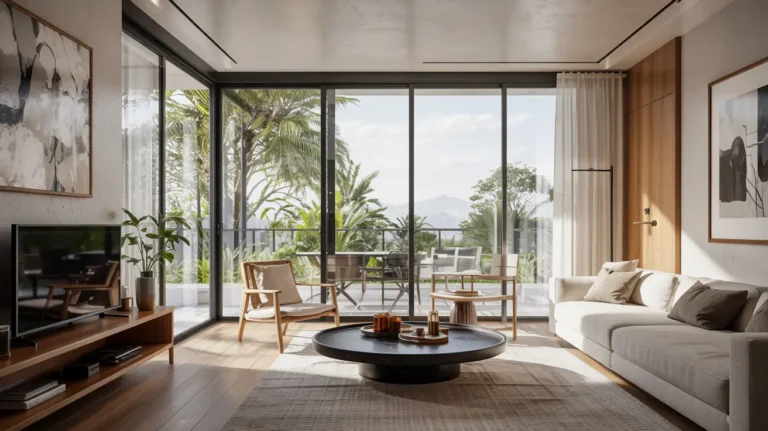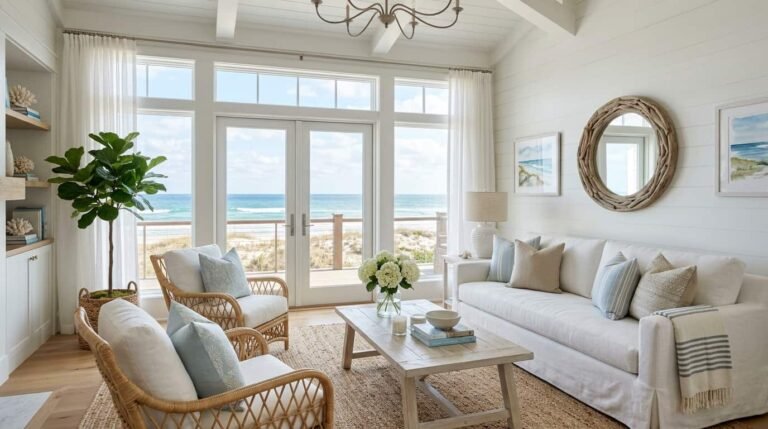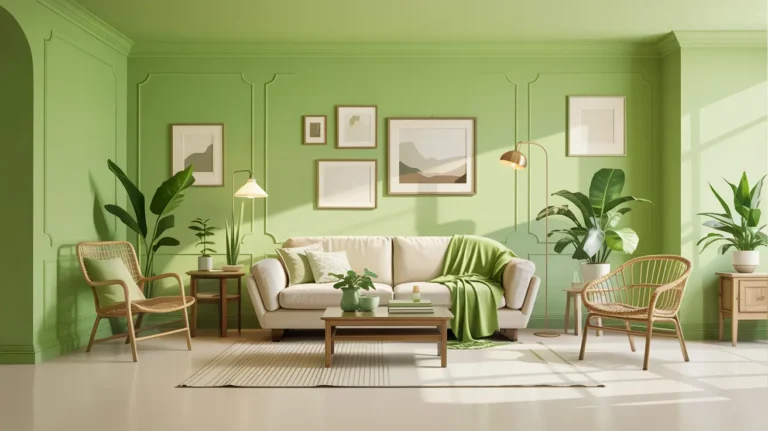

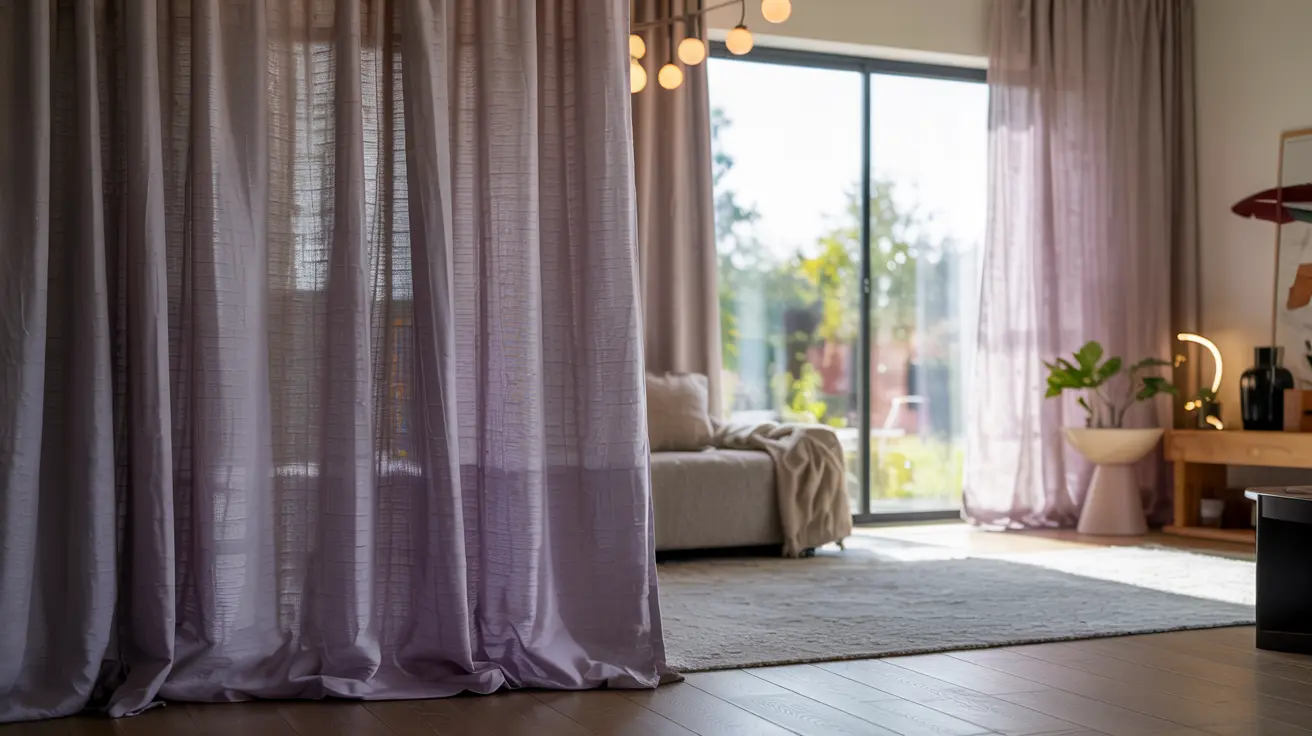
Purple colour curtains can look calm, rich and stylish. They can also look heavy or out of place. The difference comes from shade, light and fabric. When those match your room purple feels easy and natural.
Start with the shade, not the pattern
Purple is not one color. It comes in soft pastels and deep jewel tones. Lavender and lilac feel light and airy. They suit small rooms and low ceilings. Mauve feels muted and grown up. It blends well with neutral furniture. Plum and eggplant feel dramatic and cozy. They work best in bigger rooms with good daylight. Violet and amethyst look bright and bold. They can feel lively, but they need balance.
A quick undertone check that prevents bad buys
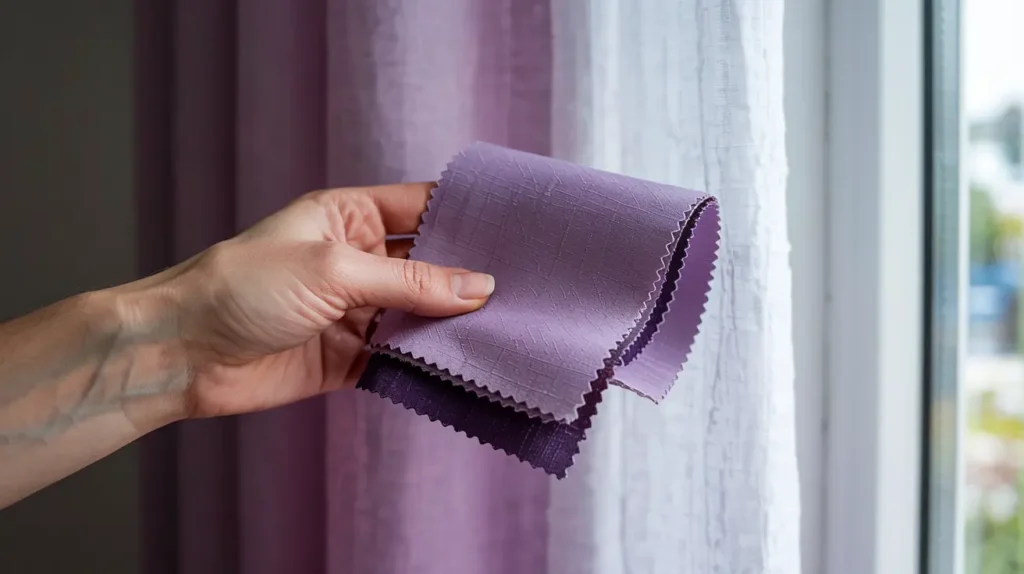
Undertone is why a perfect purple looks wrong at home. Put a white sheet next to your curtain sample. If the purple looks pinkish, it has a warm undertone. If it looks bluish, it has a cool undertone. This one check helps you match walls, floors, and metals without guessing.
Wall colors that make purple curtains feel right
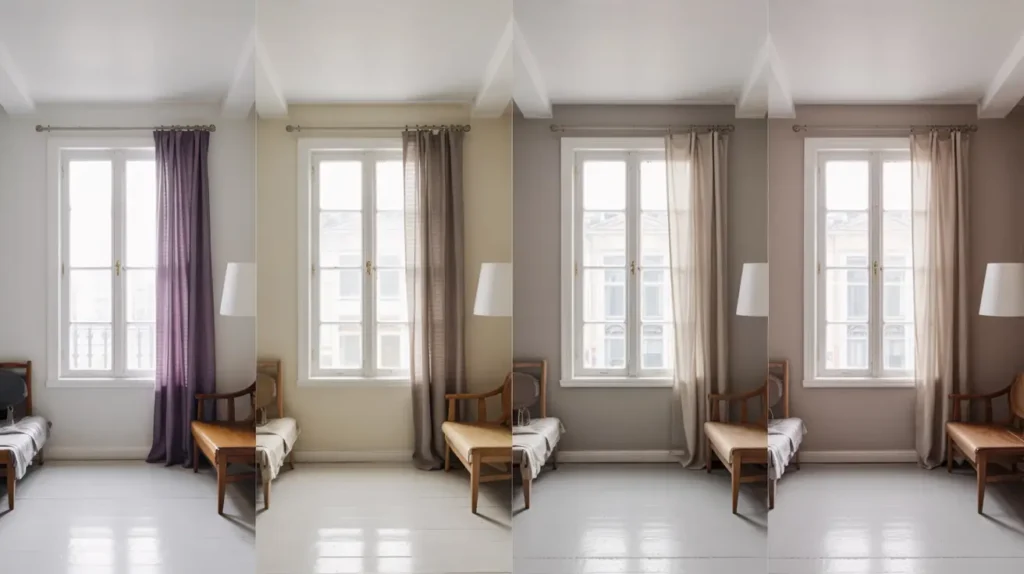
Purple looks softer with white, cream, and ivory walls. These keep deep shades from feeling too heavy. Gray can make purple look modern and calm. Cool grays suit cool purples best. Warm purples often fight cold gray. Beige and taupe help purple feel grounded and natural. This pairing works in many homes, especially with wood floors. If you want a bold look, deep purple with off-white walls can feel premium. Keep the rest simple so the curtains stay the hero.
Color pairings that always work with purple
Purple pairs well with warm metals and soft neutrals. Gold and brass make purple feel warmer and richer. Sage green and olive make it feel relaxed and earthy. Navy can create a moody, dramatic room when you use warm lighting. Teal can feel fun, but it needs restraint. Choose one as the main accent and keep the other smaller. Warm woods also help purple feel more “home” and less “theme.”
Fabric is what decides if purple looks expensive
The same purple can look totally different in different fabrics. Velvet curtains deepen the color and add a plush feel. They suit bedrooms and formal living rooms. They also handle light control better. Linen curtains make purple feel airy and casual. They work great with lavender and mauve. Linen often needs lining for night privacy. Cotton curtains are an easy everyday choice. A heavier weave drapes better and looks cleaner. If you love daylight, sheer curtains keep the room bright. They soften harsh sun and feel light. They also need layering for night privacy.
Sheer, light filtering, and blackout, explained in plain words
Sheer panels let light through and show shapes behind them. They are best when you want brightness and softness. Light filtering curtains give daylight with more coverage. They reduce glare and feel practical in living rooms. Blackout curtains block most light and help with sleep. They also help with streetlights at night. If you want bright days and private nights, layering gives the best result.
Curtain heading styles that change the whole vibe
The top style changes how the curtains hang and move. Eyelet or grommet headings look modern and slide easily on a rod. Pinch pleat looks tailored and higher-end. It suits thicker fabrics and formal rooms. Pencil pleat looks classic and flexible. It fits many budgets and home styles. Wave heading gives a smooth, hotel-like ripple. It looks clean and calm in modern spaces.
Room-by-room picks that match real life
Bedrooms often need privacy and darkness. Mauve, plum, and eggplant can feel cozy here. Blackout lining can make a huge difference for sleep. Living rooms need balance between light and privacy. Mauve and softer plum often work well. Linen or light filtering fabric keeps the space welcoming. Kids rooms can go wrong with bright violet. Softer lavender or muted mauve looks calmer and more mature. Home offices need glare control for screens. Light filtering works well, especially in bright rooms. Keep patterns subtle if the room already has visual clutter.
Common problems and fixes that actually work
If your purple curtains look too dark, your room may not have enough light. Deep shades and velvet can soak up light fast. A softer shade like mauve or lavender can fix the feel. Warmer bulbs can also lift the color at night. If the curtains clash with your sofa, undertone is usually the issue. Warm purple can fight cool gray furniture. Cool purple can fight warm beige walls. Matching undertones solves most clashes. If the curtains feel too loud, shine and pattern may be the reason. Matte fabric and solid color often look calmer. If you want privacy at night but love daylight, one curtain type rarely solves both. Layering a sheer behind a thicker panel gives you control without making the room feel heavy.
How to hang them so they look polished
Hanging height changes everything. When you hang closer to the ceiling, the room looks taller. When you place the rod wider than the window, curtains stack off the glass. This makes the window look larger. Floor-length panels usually look best in living rooms and bedrooms. Keep them just above the floor if you want a crisp look. Let them touch lightly if you prefer softness.
Buying and care tips that save money
Check your purple in daylight and at night before you commit. Store lighting can mislead you. Lining helps with privacy, drape, and fading. Sun can fade purple over time, especially in bright windows. Gentle care keeps color fresh. Some fabrics are washable and some need dry cleaning. Follow the label, and avoid harsh detergents. If one side gets more sun, rotating panels can help prevent uneven fading.
FAQs
What colors go with purple curtains?
Purple works with white, cream, beige, taupe, and gray. It also pairs well with gold, brass, green, navy, and teal when used with restraint.
Do purple curtains make a room look smaller?
Deep shades can feel heavier in low light. Soft shades usually feel open. Lighter walls and better lighting help a lot.
Are velvet purple curtains too much?
They can be bold, but they can look beautiful. Keep walls and furniture simpler. Use warm lighting to soften the depth.
What purple shade is best for a bedroom?
Mauve, plum, and eggplant often work well. They feel calm and cozy. Blackout lining helps sleep.
Can I layer sheers with purple curtains?
Yes, and it looks great. Sheers keep rooms bright. Thicker panels add privacy and warmth.