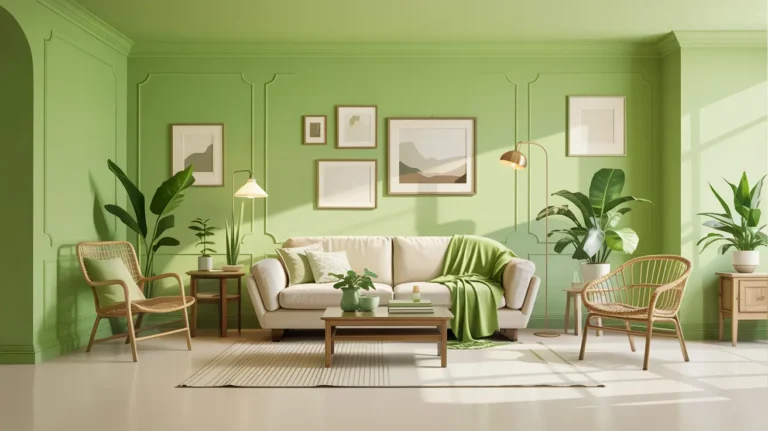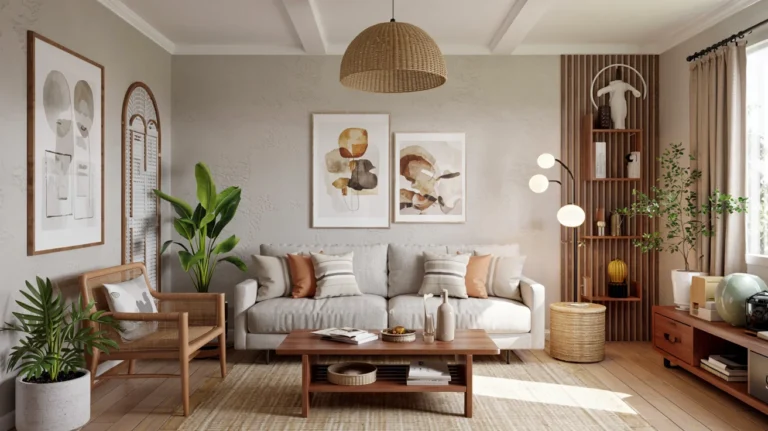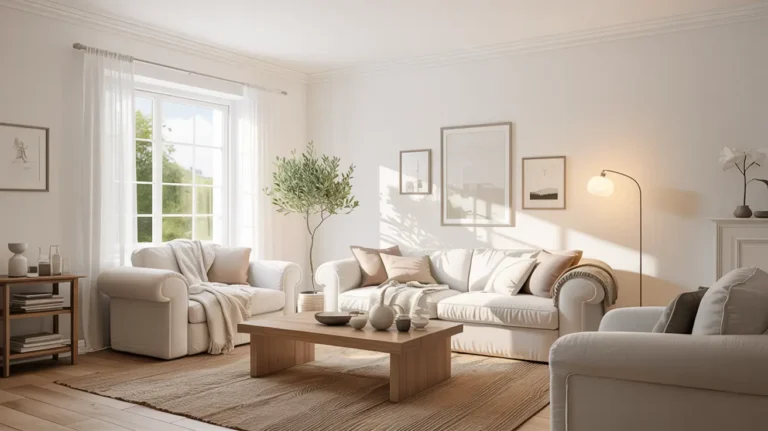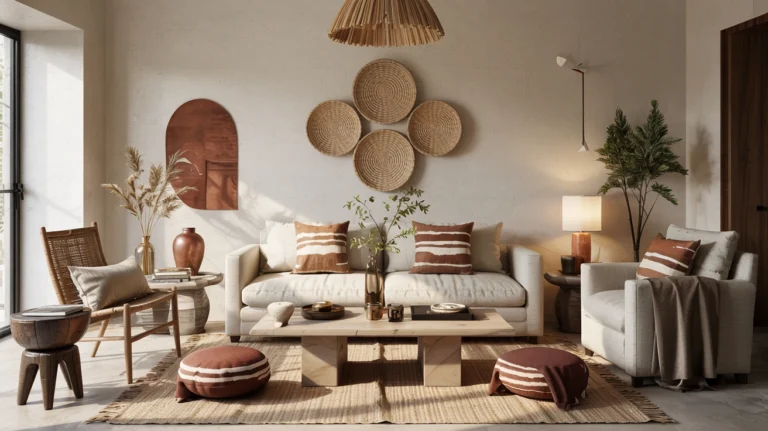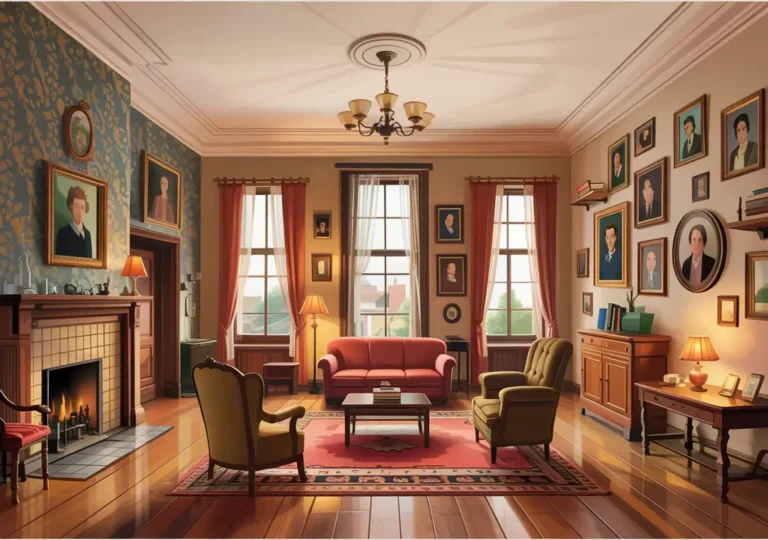

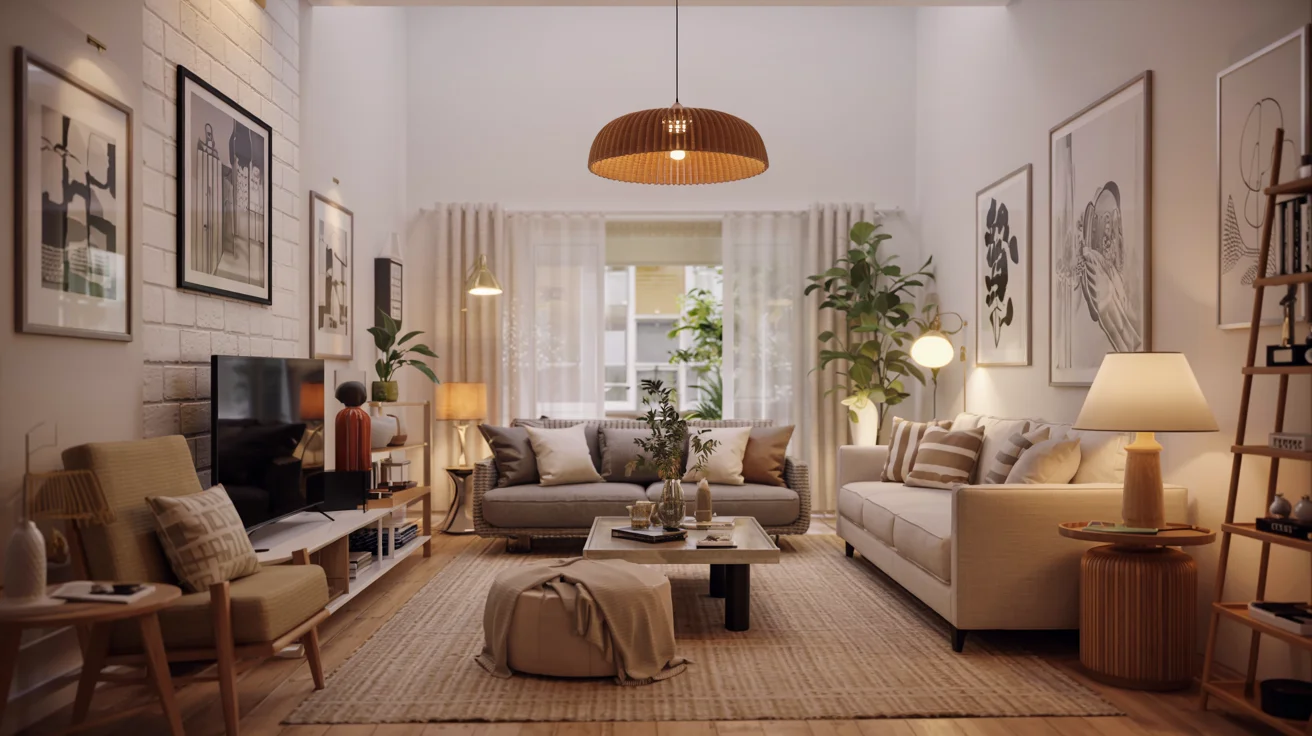
A lounge room is not just a pretty space. It is where most daily life happens. You sit down after work. You watch TV. You host guests. You drink tea. You scroll your phone. Because this room gets used so often, it needs more than a trendy look. It needs a plan that supports comfort, movement, storage, and lighting. When those basics work, the room automatically looks done even on busy days. The goal is a lounge room that feels calm, looks tidy, and still feels like you.
Start With the Real Job of the Room
The fastest way to design a better lounge room is to define what it must do. This step prevents random buying. It also keeps the room from feeling overcrowded. If the room is mainly for TV, your layout and lighting should support viewing comfort. If it is mainly for guests, your seating should face each other and invite conversation. If kids and pets use the room every day, fabrics and surfaces should be durable and easy to clean. When you make the purpose clear, every choice becomes easier and your room feels more intentional.
Choose One Clear Focal Point
Most lounge rooms look messy because they have too many centres. The TV pulls attention. A fireplace pulls attention. A big window view pulls attention. Your eyes do not know where to rest. Pick one main focal point and build around it. It can be the TV wall, a fireplace, a large piece of art, or even a bright window. Then aim your main seating toward it. Keep supporting items quieter. This single decision makes the whole space feel organized and balanced.
Layout Ideas That Make the Room Feel Bigger
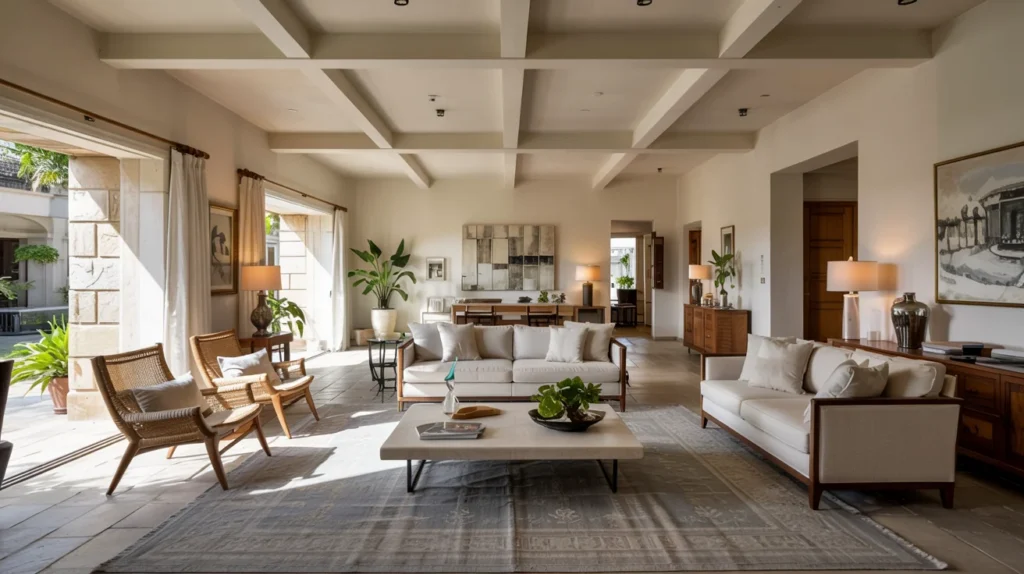
Layout is the backbone of the lounge room. A beautiful sofa cannot save a weak layout. The best lounge rooms feel easy to walk through. They also feel social. People can sit and talk without twisting their bodies. You also want a layout that keeps the room open instead of blocked by furniture corners. Most layout problems come from two things. Furniture is too large. Or furniture placement ignores walkways.
Create a Zone in Open Plan Homes
Open plan spaces often make the lounge room feel like it is floating. That is why the room can feel unfinished. You fix this by creating a clear zone. A rug is the simplest tool. It anchors the seating and visually claims the lounge area. Then use the sofa placement as the boundary line. If your sofa backs onto the dining area, add a console table behind it. It makes the transition cleaner. It also gives you a useful surface for lamps, books, or storage baskets. This one move makes open layouts feel structured.
Keep Walking Paths Clear
A lounge room should feel comfortable to move through. If you have to squeeze past a chair or step around a coffee table, the layout will always feel tight. Think about the path from the entry to the next room. Keep that route open and direct. Avoid placing sharp furniture corners in busy paths. Make sure curtains can open without hitting furniture. Also make sure doors can swing freely. When movement feels natural, the room feels bigger and calmer.
Do Not Push Everything Against the Walls
Many people push every piece of furniture to the walls. They do it to save space. It usually does the opposite. It makes the centre feel empty and it makes seating feel disconnected. Pull your sofa forward a little. Even a small shift helps. Then use the rug to tie the seating together. The room starts to feel like a conversation area, not a waiting room. This works in small lounge rooms too. You just need the right scale and clean spacing.
Choose a Style Direction Without Copying a Showroom
A lounge room should feel like a real home, not a staged set. Style matters, but clarity matters more. Choose one main style and let everything support it. You can still mix ideas, but keep one direction as the base. For example, modern looks better with warm wood and soft textiles so it does not feel cold. Coastal looks best when it stays light and airy, with natural textures and simple shapes. Mid century feels stronger when you repeat a few vintage shapes instead of adding ten different trends. When style is clear, the room feels cohesive and polished.
A Fast Way to Find Your Style
Pick three things you already own and like. Choose one textile, one décor piece, and one furniture piece. For example, a cushion, a framed print, and a chair. If they feel like they belong together, your style direction is already there. If they clash, pick the one item you love most and make it your anchor. Then choose everything else to support that anchor. This approach keeps the room personal while still looking intentional.
Colour Ideas That Feel Calm, Not Cold
Colour sets the mood faster than anything else. The best lounge rooms use a simple palette that repeats. That repetition is what makes the room feel designed. A practical approach is to choose one main neutral, one deeper tone, and one accent colour. Then choose one metal finish that stays consistent. When the palette is limited, the room feels calm. It also becomes easier to shop and style because you know what belongs.
Use Dark Colours Without Making the Room Feel Smaller
Dark walls can look rich and cozy. They just need balance. Keep the ceiling lighter so the room does not feel heavy. Add warm lighting at seating level so corners do not feel gloomy. Bring in texture to soften the look. Linen, wool, boucle, and woven rugs help a lot. Add contrast with lighter cushions or lighter framed art. Dark colour works best when it looks intentional, not accidental.
Make Neutral Rooms Feel Rich
Neutral rooms can look flat when they lack texture. Texture is what makes neutrals feel expensive. Mix materials instead of adding more colours. Add linen curtains. Add a woven rug. Add ceramic décor with a matte finish. Add warm wood tones in a coffee table or side table. Add soft cushions that feel inviting. The room becomes layered and comfortable without needing bold colour.
Furniture Ideas That Fit Your Space and Daily Life
Furniture should match how you actually sit and move in the room. The sofa is the most important piece, so choose it based on function and scale. If your lounge room is for daily lounging, a deeper seat and softer cushions can feel better. If your lounge room is for guests, a firmer sofa and chairs that face each other support conversation. In smaller rooms, slim arms and raised legs reduce visual heaviness. The right size matters more than the trend.
A Seating Layout That Works in Most Homes
If you feel stuck, use a layout that rarely fails. Place one main sofa as the anchor. Add two chairs if space allows, or add one chair and an ottoman. Place a coffee table in the centre. Then use a rug to connect the group. This layout feels balanced and social. It also gives the room structure, so it looks styled even with minimal décor.
Coffee Tables and Side Tables That Feel Practical
Coffee tables should support daily use. They should not block movement. Rounded tables often work well in family homes because they feel softer and safer. Nesting tables are great in tighter lounge rooms because you can move them as needed. Side tables matter more than people think. You want at least one surface near your main seat for a drink, a phone, or a lamp. When surfaces are convenient, clutter stays under control.
Rug and Textile Ideas That Instantly Improve the Room
A rug is not just décor. It is a layout tool. It helps define the seating area and makes the room feel warm. The most common rug mistake is choosing one that is too small. A small rug makes the furniture look disconnected. A better rule is to choose a rug that fits under the front legs of the sofa and chairs. This makes the seating look like one group. Textiles matter too. Curtains, cushions, and throws soften hard surfaces. They also improve comfort and reduce echo in open plan spaces.
Curtains That Add Height and Comfort
Curtains change the look of the whole wall. They can make the room feel taller when you hang them higher than the window frame. They can also help with privacy and light control. If the lounge room is used for TV, consider curtains with blockout lining to reduce glare. If you want softer daylight, add sheers. Curtains are one of the fastest upgrades because they affect the entire space at once.
Wall Ideas That Add Character Without Clutter
Walls can make a lounge room feel finished. But too much wall décor can feel busy. One strong choice often works better than many small ones. A large artwork can anchor the room and create a focal point. A gallery wall can work too, but it needs consistency. Keep frames similar. Keep spacing tidy. Wall texture is another way to add depth. Wallpaper on one wall can create a feature without crowding the space. Paneling or wainscoting adds structure and makes the room feel more refined. If you rent, removable wallpaper and light wall décor still create impact.
Lighting Ideas That Make the Room Feel More Expensive
Lighting is the difference between a flat room and a warm room. One overhead light will never be enough. You need layers. Use ambient light for general brightness. Use task light for reading and practical needs. Use accent light to create depth and mood. A simple setup is two table lamps in the seating area and one floor lamp near a chair. Wall sconces can add a soft glow too. Warm bulbs make the room feel cozy at night and they make neutrals look richer.
Lighting for High Ceilings
High ceilings can make a lounge room feel grand, but also less cozy. A pendant light can draw the eye up and fill the vertical space. But you still need light at seating level. Add lamps and softer lighting near the sofa. This keeps the room intimate and comfortable, especially in the evening.
Storage Ideas That Keep the Room Looking Calm
A lounge room looks messy when daily items have no home. Storage solves that problem fast. Closed storage under the TV hides cables, remotes, and small clutter. A storage ottoman can hold throws and extra cushions. Baskets can organize shelves without making them look too full. If you use open shelving, keep space between objects. Group items in small sets rather than spreading many small items everywhere. The goal is a calm, breathable look.
A Planning Table You Can Use While Designing
Use the table below while planning your lounge room. It keeps decisions simple and helps you choose a layout direction quickly.
| Room size | Best seating plan | TV placement | Rug tip | One easy upgrade |
| Compact | Sofa plus one chair | Wall mounted or corner unit | Front legs on rug | Add a mirror to bounce light |
| Medium | Sofa plus two chairs | Low media unit | Choose bigger than expected | Add two matching table lamps |
| Large | Sectional or two sofas | Built in media wall | Fit full seating on the rug | Add oversized art for impact |
Styling Ideas That Look Natural, Not Staged
Styling should feel easy and lived in. It should not feel forced. Use simple groups and vary heights. On a coffee table, use a tray to keep things tidy. Add a small stack of books for structure. Add one candle or a vase for a softer touch. On a side table, a lamp plus one small décor piece is enough. Add one living element in the room, like a plant or fresh stems. It makes the space feel alive and welcoming. Keep surfaces mostly clear. That is what makes a room feel calm.
Common Lounge Room Problems and Simple Fixes
The Room Feels Cold
A cold lounge room usually has hard surfaces and cool lighting. Add softness first. Add a rug. Add curtains. Add cushions and a throw. Then change bulbs to a warmer tone. Add lamps at seating level. These changes make the room feel cozy without major renovations.
The Room Feels Dark
A dark room often needs better lighting placement, not just brighter bulbs. Add two lamps near the sofa. Use a mirror to reflect light. Choose lighter curtains if the window feels blocked. Keep the ceiling lighter than the walls if you use deeper tones. Small lighting changes can lift the whole space.
The Room Feels Cramped
Cramped rooms usually have furniture that is too big or arranged in a way that blocks movement. Remove one extra chair or bulky table. Switch to a round coffee table if corners block flow. Choose a slimmer media unit. Keep walkways clear. A few edits can make the room feel open again.
The TV Takes Over the Room
A TV can dominate the room if the wall looks empty around it. Use a low media unit to keep the wall grounded. Hide cables so the wall looks clean. Add soft lighting to reduce screen glare. If you want, frame the TV with simple shelving or artwork, but keep it restrained. The TV can be the focal point without making the room feel like an electronics store.
Lounge Room Ideas for Different Types of Homes
Small Lounge Rooms
Small lounge rooms look best when furniture feels light. Choose raised legs and slimmer arms. Use one larger rug to connect the layout. Keep the palette simple so the room does not feel busy. Use tall curtains to add height. Choose storage pieces that close, so clutter stays hidden.
Open Plan Lounge Rooms
Open plan lounge rooms need a clear zone. Use a rug and sofa placement to mark the lounge area. Add lighting that sits within the zone, like table lamps and a floor lamp. Repeat one or two colours from nearby spaces so the whole area feels connected. This keeps the lounge room from feeling like it is floating inside the house.
Rental Friendly Lounge Rooms
Renters can still create a finished look. Use removable wallpaper for a feature wall. Use plug in sconces for warm light. Use a large rug to cover floors you dislike. Use slipcovers if the sofa needs a refresh. These upgrades create strong impact without permanent changes.
FAQs
How can I make my lounge room look put together fast?
Pick one focal point, anchor seating with a proper rug, add two lamps, and keep surfaces mostly clear with one simple styling group per area.
What is the best seating layout for a lounge room?
A sofa plus two chairs around a coffee table works in most homes because it feels balanced and supports conversation.
How do I choose the right rug size?
Choose a rug that lets the front legs of the sofa and chairs sit on it, so the seating group feels connected.
How do I use colour without making the room feel busy?
Use one neutral base, one deeper tone, and one accent colour, then repeat them in small ways across cushions, art, and décor.
How do I make the lounge room feel cozy at night?
Use warm bulbs, add layered lighting with lamps, and bring in soft textiles like curtains, cushions, and a throw.