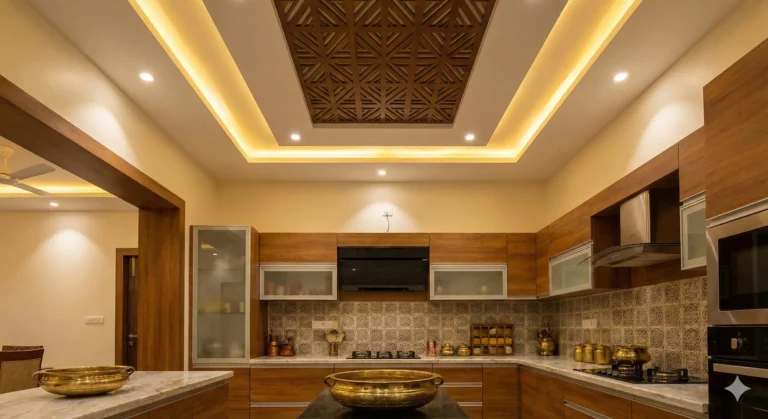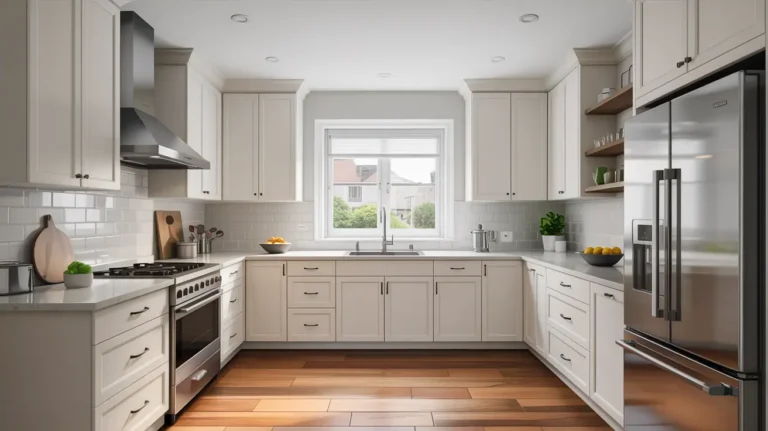

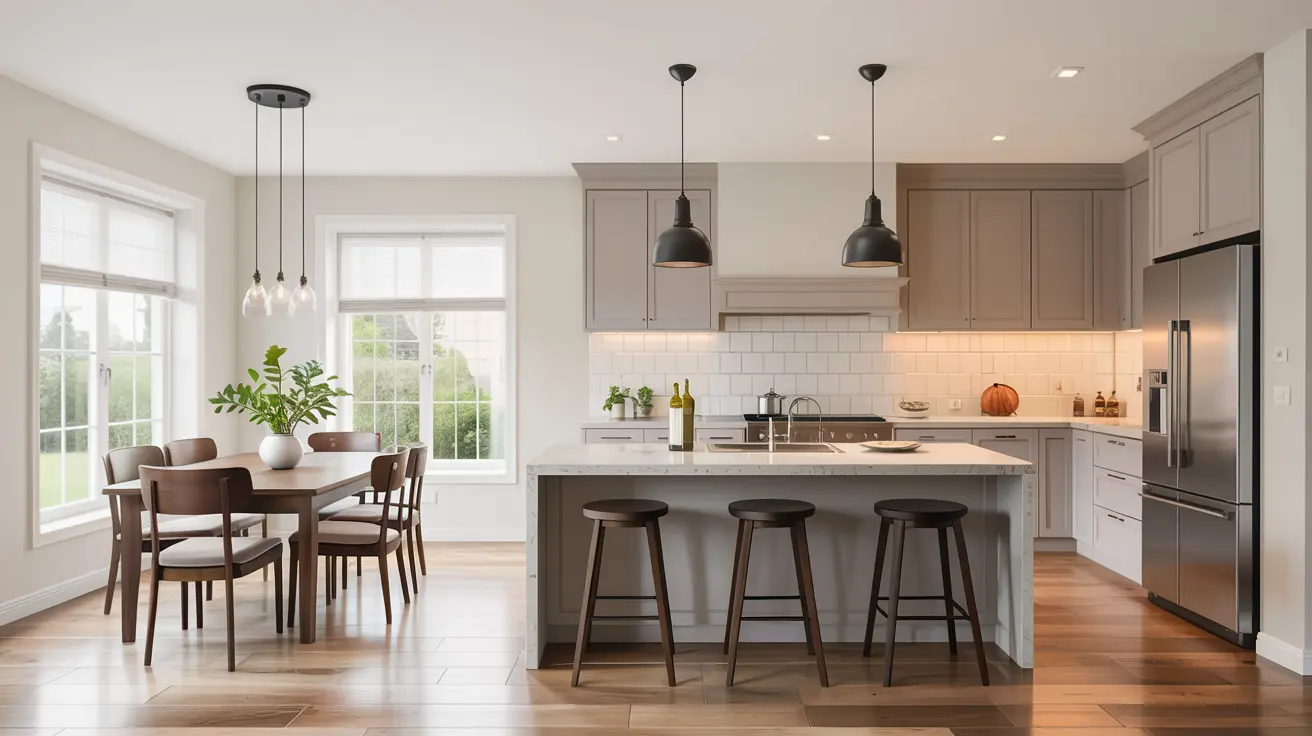
Some kitchen island dining room tables have one main eating spot. Others need two. This guide helps you plan the right mix, without wasting space.
What People Mean By Kitchen Island Dining
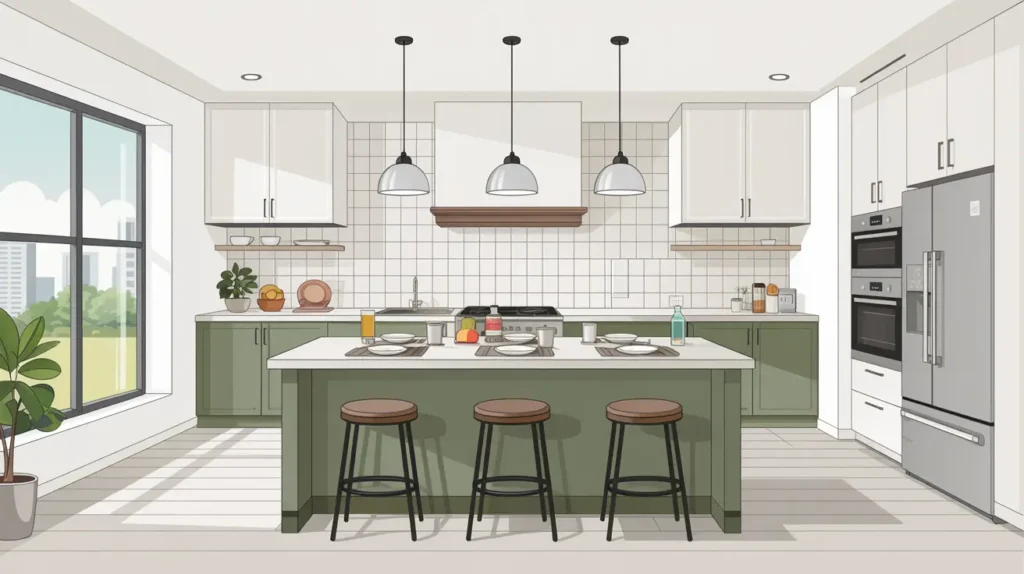
Kitchen island dining means you eat at the island using stools or chairs. It can replace a dining table. Or it can work next to a dining room table. The best choice depends on comfort, traffic flow, and your daily routine.
Start With Your Real Life Routine
Think about your normal week. Do you eat fast breakfasts. Do you sit for long dinners. Do kids do homework near food. Your answers decide if the island should be the main dining spot or just a quick seat.
Also think about guests. A big family meal needs more seats. A small home may only need two good seats at the island.
Three Layout Options That Work In Most Homes
Option 1: Island Seating As The Main Dining Spot
This option works when you mostly eat quick meals. It is also great for open plan kitchens. You can cook and still talk to family. It saves floor space because you do not add a large table.
The downside is comfort. Stools are not always great for long sitting. If you choose this option, plan the right legroom and space behind seats.
Option 2: Dining Room Table As The Main Dining Spot
This option works when meals are longer. It also helps when you host often. A table fits chairs with backs. It feels better for older family members too.
The downside is space. A table needs clear walkways. If the kitchen is tight, the table can block movement and make cooking stressful.
Option 3: The Hybrid Setup
This option gives you both. You get island seating for daily snacks. You keep a dining room table for longer meals. Many families like this because it handles busy days and special days.
A hybrid can be done in two ways. You can add a table style extension to the island. Or you can place a dining table close to the island so the zones feel connected.
Sizing Rules That Prevent Most Mistakes
If your kitchen feels cramped, the issue is usually spacing. Use simple sizing rules. They help you avoid knee bumps, blocked walkways, and awkward seating.
Overhang And Legroom
You need space for knees. Many designers use about 10 to 12 inches of overhang for comfortable seating. A smaller overhang can work for quick meals, but it often feels tight.
If you cannot change the overhang, use stools that tuck in. Avoid bulky stools that stick out into the walkway.
Clearance Behind Seats
This is the biggest problem in island dining. People sit down and the path disappears. Plan space behind the seated person. A common rule is 32 inches when there is no walkway behind. Use 36 inches when someone needs to slide past. Use about 44 inches when you want a comfortable walking path behind seated people.
If your kitchen cannot spare that space, reduce the number of seats. Two comfortable seats can beat four tight seats.
Seat Width Per Person
Give each person room. A simple target is about 24 inches per seat. This helps elbows and plates fit. It also keeps stools from banging into each other.
Island Height And Stool Height
Most islands are counter height. Some are bar height. Counter height often feels easier for daily meals. Bar height can hide kitchen mess, but it can feel less relaxed for kids and long meals.
Choose stools that match your surface height. Leave enough space between the seat and the countertop so legs do not feel trapped.
Quick Sizing Guide
| Planning Item | Simple Target |
| Overhang for island seating | About 10 to 12 inches for comfort |
| Clearance behind seats, no walkway | About 32 inches |
| Clearance behind seats, light pass through | About 36 inches |
| Clearance behind seats, full walkway | About 44 inches |
| Width per seat | About 24 inches per person |
These numbers are common planning targets used by many kitchen designers. Your space and body comfort still matter most.
How To Decide If You Need A Dining Room Table Too
Ask yourself one simple question. Do you often sit for more than twenty minutes. If yes, you will likely want a dining table. A table is better for longer meals, board games, and guests.
If you rarely sit long, island seating may be enough. You can still keep a small table for flexible use. A round table can work well in tight rooms because it is easy to walk around.
Seating Choices That Feel Good Every Day
Best Stool Features For Island Dining
Pick stools that support your feet. A footrest helps a lot. A wider seat also feels better. If you can, choose a backrest for comfort.
Avoid stools that wobble or feel narrow. They look fine in photos, but they get annoying fast.
When A Bench Or Banquette Makes Sense
A bench is great when space is tight. It can slide under a table. It can also create a cozy corner. If you have kids, choose a fabric that wipes clean. Darker colors hide daily life better.
Make The Island And Table Look Like One Plan
The best kitchens feel intentional. You can do this with small style choices. Repeat one material, one color, and one metal finish. For example, match the stool legs with cabinet hardware. Or repeat the wood tone from the dining table in a shelf or trim.
Lighting also matters. Hang pendants over the seating side of the island. It tells everyone where to sit. Keep the island top simple so it is ready for plates at any time.
Common Problems And Simple Fixes
Problem: The Walkway Feels Tight
This happens when stools block the path. Fix it by moving seats to a low traffic side. If that is not possible, reduce seat count. You can also choose stools that tuck fully under the counter.
Problem: Knees Hit The Island
This happens when overhang is too small. If you can, add more overhang. If you cannot, choose slimmer stools. Avoid thick backs and wide frames that push people away from the counter.
Problem: The Island Turns Into A Dumping Spot
This is normal in busy homes. Fix it with a landing zone. Use a drawer for keys and mail. Use one tray for small items. Keep the rest of the surface clear so dining stays easy.
Problem: The Dining Table Feels Cut Off
This happens when the table is too far from the kitchen. Move it closer if you can. Add a rug and a light above it. That makes the dining area feel like part of the kitchen zone.
FAQs
Can A Kitchen Island Replace A Dining Room Table
Yes, for many homes. It works best for quick meals and small households. If you love long dinners, keep a dining room table too.
How Many Seats Should I Put On My Island
Plan the clearances first. Then plan about 24 inches per person. Do not force extra seats. Two or three comfortable seats often work best.
What Is Better, Counter Height Or Bar Height
Counter height is easier for daily meals. It also works better for kids. Bar height can hide prep mess, but it can feel less relaxed. Choose based on how you eat.
How Much Space Do I Need Behind Island Stools
Use 32 inches if nobody walks behind. Use 36 inches for passing through. Use about 44 inches for a comfortable walking path behind seated people.
Final Checklist Before You Buy Or Build
Decide if the island is for quick meals or long meals. Check overhang and legroom. Check clearance behind seats. Plan about 24 inches per person. Choose stools that tuck in and feel stable. Add lighting over the seating side. Keep one simple landing zone so the top stays clear.