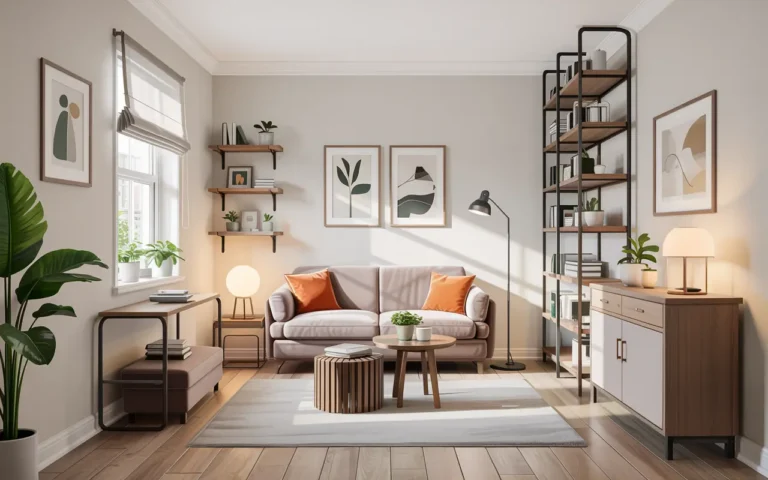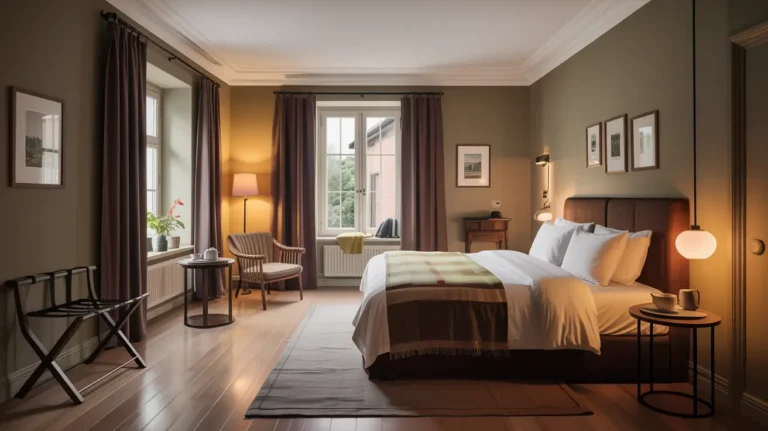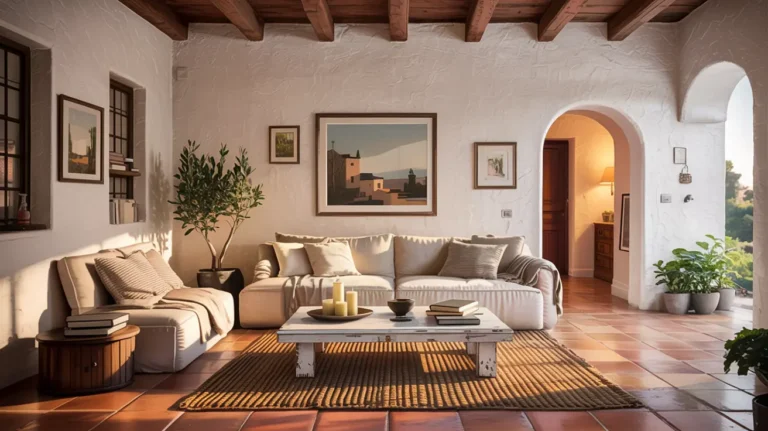

A green living room can feel peaceful and warm. It can also feel bold and rich. The key is picking the right green for your space. Then you balance it with simple colors and textures. When you do that, green looks natural. It does not look heavy.
Why Green Works So Well In A Living Room
Green is easy on the eyes. It feels connected to nature. It can make a room feel more relaxed. It also works with many styles. You can go modern, classic, or cozy. Green fits them all.
Green also hides daily life better than white. It can handle kids, pets, and busy homes. That is why people keep coming back to it.
Start With The Right Shade Of Green
The shade you choose changes everything. Some greens feel soft. Some feel deep. Some feel bright. Pick a shade that matches your light and mood.
Sage Green For A Soft And Airy Look
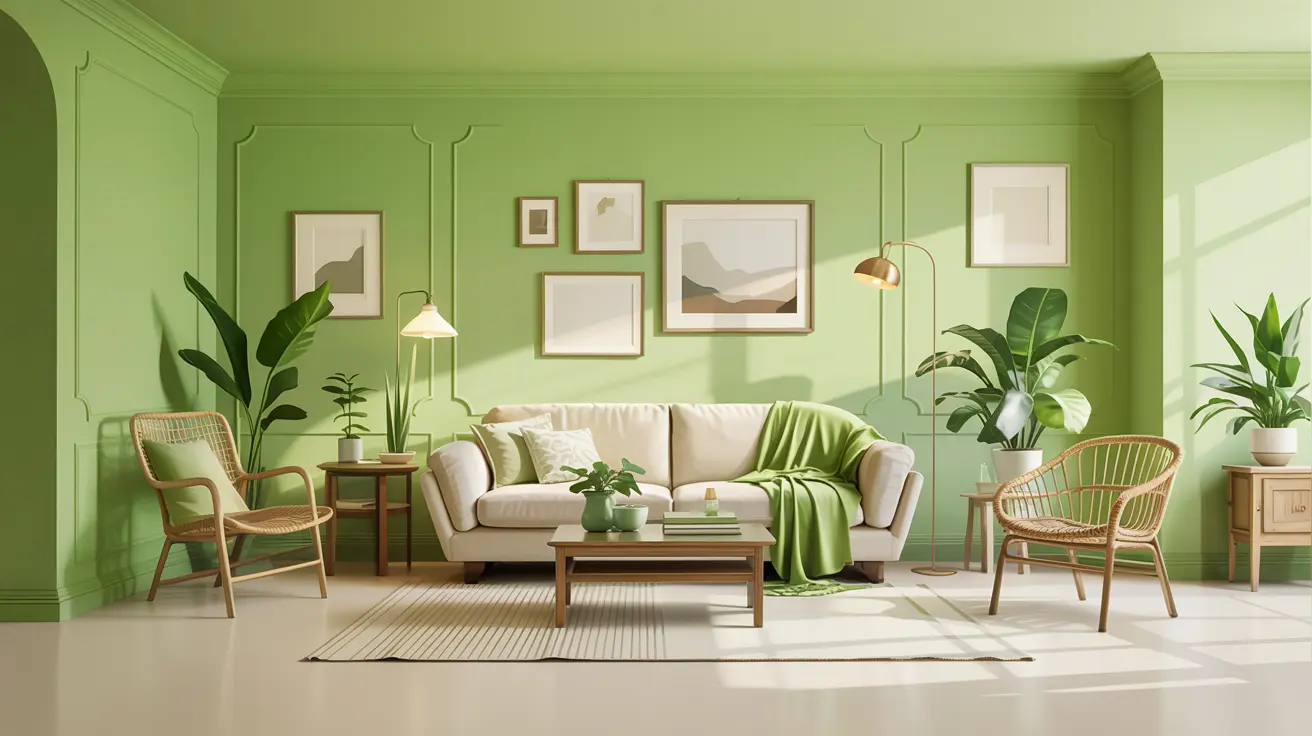
Sage green is muted and calm. It works well in small rooms. It also works well with light wood. Pair it with cream walls or white trim. Add a warm rug and it feels fresh.
Sage is also a safe first green. If you are unsure, start here.
Olive Green For A Warm And Grown Up Feel
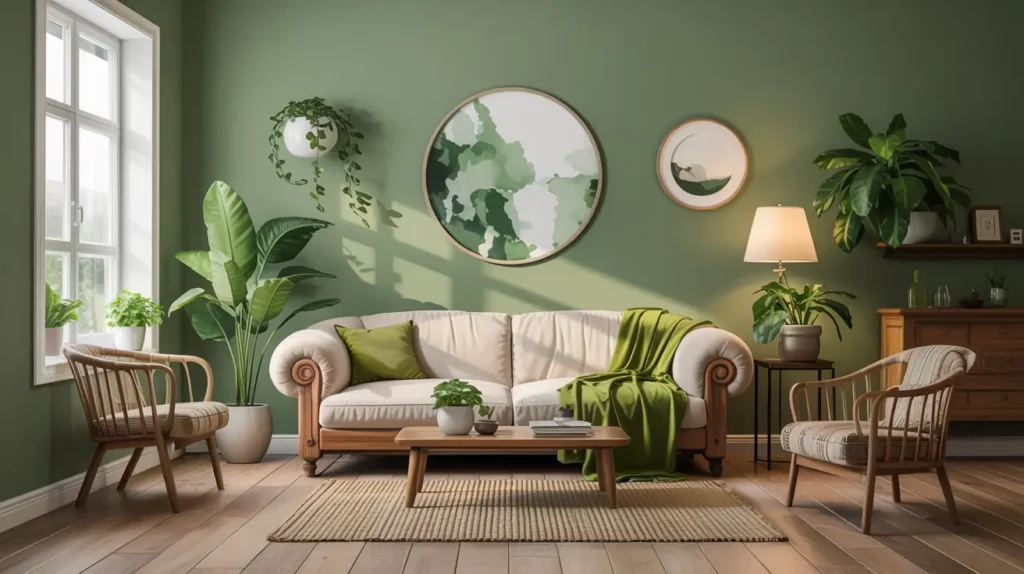
Olive green looks earthy. It feels cozy and grounded. It works great with tan, beige, and off white. It also looks good with dark wood. Add brass or gold accents for a richer look.
Olive can feel heavy in dark rooms. If your room has low light, use olive on one wall. Keep the rest light.
Emerald Or Forest Green For A Bold Statement
Emerald and forest green feel dramatic. They look great in larger rooms. They also look great with warm lights at night. Use these shades if you want a moody look.
Balance deep green with lighter items. Use a cream sofa or light curtains. Add art with bright areas. That breaks the darkness.
Teal Green For A Modern Twist
Teal green sits between green and blue. It feels fresh and modern. It works well with grey and white. It also works well with black frames and clean lines.
If you like color, teal is fun. Just keep the rest simple.
Decide How Much Green You Want
Many people fail because they do too much at once. Start with one big green move. Then build from there.
Level 1: Small Green Touches
This is the easiest way to start. Add green in pillows, throws, and art. Add plants too. Use one green tone across these items. This makes the room feel planned.
This level is also great for rented homes. You can change it fast.
Level 2: A Green Sofa Or Armchair
A green sofa can be the star of the room. Velvet green sofas look rich. Linen green sofas feel relaxed. An olive green sofa feels warm. A sage sofa feels light.
If you have a grey sofa, green still works. Add green pillows and a plant. Add a rug with hints of green. This ties it together.
Level 3: A Feature Wall In Green
A feature wall adds impact without a full paint job. Paint the wall behind the sofa. Or paint the wall with the fireplace. Keep the other walls light.
A feature wall also helps open layouts. It can define the living room zone.
Level 4: All Walls Or Color Drenching
Color drenching means painting most of the room in one shade. That can include walls and trim. It creates a strong look. It can also make the room feel calm and wrapped in color.
This works best when you control contrast. Use light furniture and warm lighting. Add wood and soft fabric.
The Best Colors To Pair With Green
Green looks best when it has a partner. Your pairing color keeps it balanced. Choose one main pairing and stick to it.
Green And Cream For A Clean Cozy Look
Cream and off white soften green. This is the easiest pairing. It works with sage, olive, and deep green. Use cream curtains and a cream rug. Add warm wood and the room feels calm.
Green And Pink For A Soft Modern Contrast
Blush pink looks great with green. It adds a gentle contrast. Use it in pillows, art, or a vase. Keep it small. Too much pink can take over.
This pairing works best with sage and olive.
Green And Grey For A Cool Modern Room
Grey can make green feel crisp. This works well with teal green. It also works with emerald. Use grey in rugs and sofas. Add warm wood so the room does not feel cold.
Green And Gold For A Rich Finish
Gold and brass make green feel luxe. Use it in lamps, frames, and handles. Keep the metal finish consistent. Do not mix too many metals.
This pairing is perfect for olive and emerald.
Green With Warm Accent Colors
If the room feels flat, add a warm accent. Mustard, coral, or terracotta can work. Use one warm color only. Add it in small decor items. It brings life to the space.
Materials And Textures That Make Green Look Better
Green needs texture to feel real. Without texture, it can look like a flat block of color.
Wood And Natural Fibers
Wood warms green. Light wood suits sage. Dark wood suits olive and emerald. Add rattan or woven baskets. Add linen curtains. These textures make the room feel lived in.
Velvet, Boucle, And Soft Fabric
Velvet adds depth to green. Boucle adds softness. A green velvet chair can look amazing even in a simple room. Add a knit throw for warmth.
Rugs That Ground The Space
A rug is a strong tool. A cream rug keeps green light. A patterned rug adds interest. A vintage style rug works well with olive. Choose a rug that links your main colors.
Green Walls Or Green Wallpaper
Paint is not the only way. Wallpaper can add pattern and style.
Botanical Wallpaper For A Natural Look
Botanical prints work well in living rooms. Use it on one wall. Keep the rest calm. Match your pillows to one color in the wallpaper. This makes it feel connected.
Geometric Or Modern Wallpaper
If you like a clean look, choose a simple pattern. Keep the color set tight. Too many colors will make the room feel busy.
Lighting Matters More Than You Think
Lighting changes green. A green that looks perfect in daylight can look dull at night.
If Your Room Is Dark Or North Facing
Dark rooms can make green look grey. Choose a brighter green or a lighter shade. Use warm bulbs. Add lamps in corners. A floor lamp near the sofa helps a lot.
If Your Room Gets Strong Sun
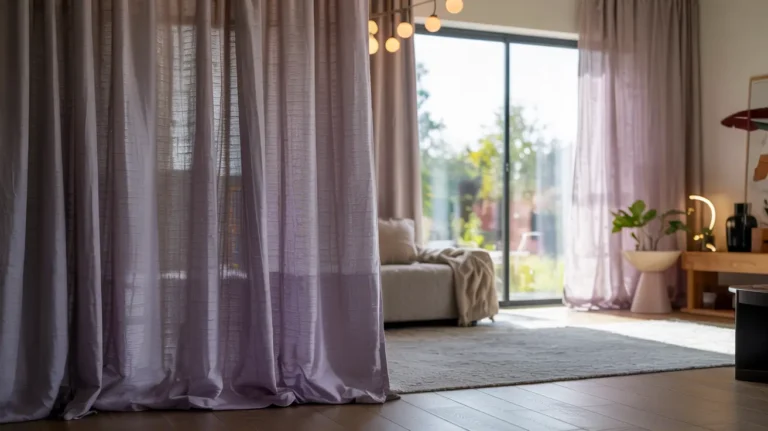
Bright rooms can handle deeper greens. Olive and forest green can look amazing here. Use sheer curtains if light is harsh. This keeps the color stable.
Common Green Living Room Problems And Fixes
Many people quit green because of a few mistakes. Here are the most common ones and how to fix them.
The Green Looks Too Loud
This happens when the shade is too bright. Fix it with neutrals. Add cream curtains. Add a beige rug. Add natural wood. Remove extra bold colors.
The Room Feels Cold
Green can feel cool when paired with grey and white only. Add warmth with wood. Add warm lighting. Add a tan or cream rug. Add a textured throw.
The Room Feels Too Dark
This happens with deep greens and dark furniture. Add light contrast. Use lighter curtains. Use lighter art. Add mirrors to bounce light. Use warm lamps.
The Green Feels Messy With Other Colors
This happens when too many accent colors fight. Pick one accent color only. Keep the rest neutral. Match your metal finish too.
Simple Green Living Room Setups You Can Copy
If you want fast results, copy a simple setup. Do not overthink it.
Sage Green Calm Setup
Use sage walls or a sage sofa. Add cream curtains. Add light wood tables. Add a woven rug. Add plants in simple pots.
Olive Green Cozy Setup
Use an olive sofa or an olive feature wall. Add beige pillows. Add a vintage rug. Add brass lamps. Add dark wood accents.
Emerald Green Statement Setup
Use emerald on one wall. Add a cream sofa. Add gold frames. Add a dark wood coffee table. Keep decor simple and strong.
Teal Green Modern Setup
Use teal walls or a teal sofa. Add grey and white textiles. Add black frames. Add a simple geometric rug. Keep lines clean.
FAQ About Green Living Rooms
What is the best green for a small living room?
Sage green is usually the safest. It feels light and calm. It also pairs with many neutrals.
Can I use green if I have a grey sofa?
Yes. Green works well with grey. Add green pillows and a green throw. Add a plant and a rug with green tones.
What trim color looks best with green walls?
Crisp white trim is the easiest choice. It gives clean contrast. It also makes green look fresh.
How do I stop green from looking dull?
Use warm lighting. Add wood and texture. Add contrast with cream or white. Avoid using only cool grey items.
Conclusion
A green living room looks best when you choose the right shade. Start with one strong green move. Then balance it with neutrals and texture. Use warm lighting to keep it cozy. Keep your accent colors limited. When you follow these steps, green feels calm and stylish. It also feels easy to live with.