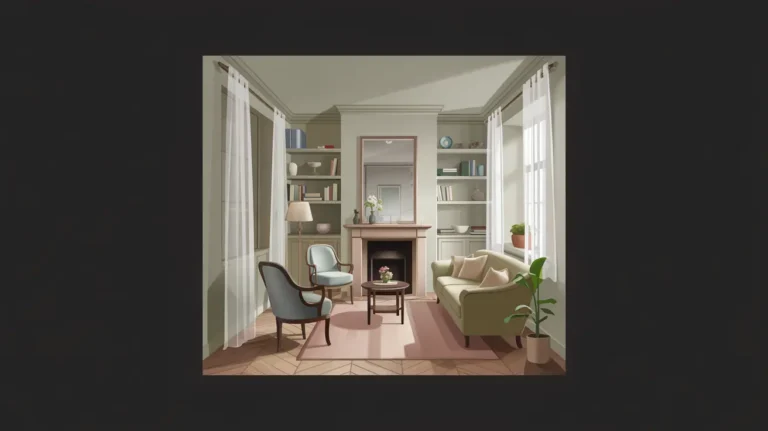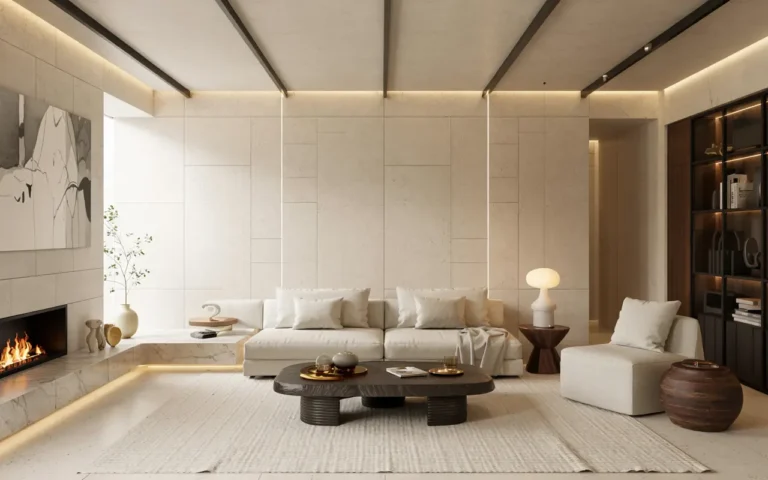

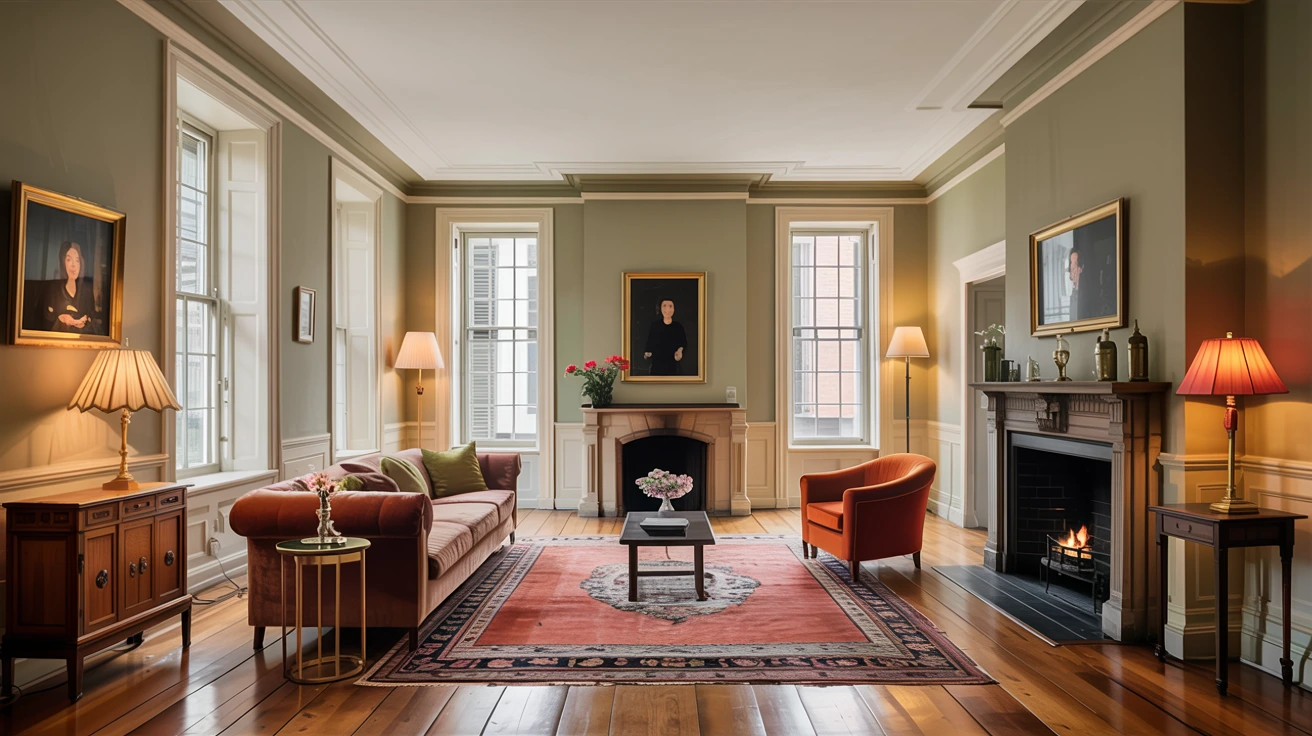
Historic home interior design carries rich detail that shapes how each room feels. Many owners love this charm but struggle when they try to add comfort or update spaces that feel worn or dim. A clear plan helps you keep the soul of the house while making it work for daily life.
Understand What Makes a Historic Home Special
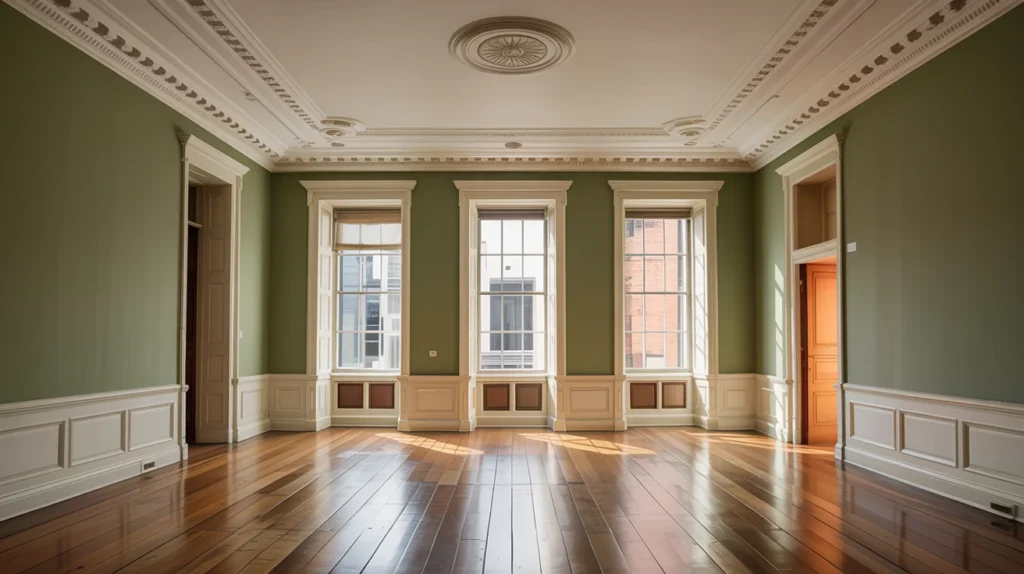
Older houses were built with care, so many still hold strong features that guide how you design the room. Sash windows, ceiling roses, wainscoting and timber floors set the tone. When you learn which details matter, the whole space feels more balanced. This makes it easier to choose colors, furniture and lighting that fit the age of the house.
Many people worry that new items may clash with old shapes. The simple fix is to repeat a few lines and natural textures. Soft wood, warm metals and gentle fabric tones blend well with original trim and plaster.
Work With the Architecture, Not Against It
A common problem is forcing modern layouts into rooms built before open living became popular. This can make the home feel cramped. Instead, start by studying how the space was meant to flow. High ceilings need tall items. Narrow rooms need slim pieces. Strong details like fireplaces or bay windows guide the layout, so use them as anchors.
If you want more room, choose storage that feels built in. This keeps the shape of the room clean without covering old walls or rails.
Balance Old Charm With New Comfort
Owners often ask how to add comfort without losing character. The answer lies in small choices that blend the two worlds. A modern sofa works well when the fabric is calm. A clean table feels at home beside a classic cornice when the wood tone matches the floor. Warm lighting turns carved plaster into a highlight rather than a shadow.
If you update a kitchen or bath, keep the joinery simple and the colors soft. This helps new work sit beside older areas without feeling harsh.
Restore, Repair and Respect Original Features
Historic homes often show age through cracks in plaster or worn timber. Many users fear the cost of repair. Small fixes, done with care, bring these features back to life. Limewash hides marks and adds gentle texture. Timber floors recover well with light sanding. Brass hardware gains a warm look that suits older rooms.
Avoid covering these details. Once hidden, the room loses depth. The goal is not to make the home new. The goal is to make it steady and warm.
Plan Better Light for Older Rooms
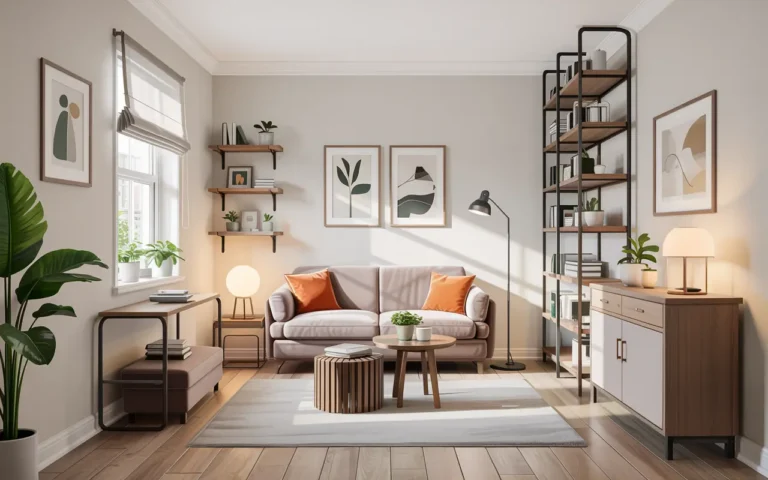
Light is a real challenge in many historic homes. Thick walls and small windows can make rooms feel dim. The best fix is layering light at different heights. A ceiling light sets the base. Wall lights brighten corners. A small lamp near the sofa adds comfort.
Warm bulbs work best because they echo the soft glow seen in older homes. These choices help the room feel open without changing the windows.
Choose Colors That Support the Style
Color shapes mood in older homes more than most people expect. Deep tones can make a room heavy. Pale tones can wash out detail. A balanced palette supports the age of the house while letting the room breathe.
Soft greens, clay browns, warm creams and dusty blues work well across many historic styles. They bring calm and help original trim stand out. If a room feels tight, choose one light tone for walls, trims and doors. This makes the space feel taller.
Select Furniture With the Right Scale
Historic homes often have rooms that feel narrow or tall. Wrong furniture scale is a common problem. Oversized items crowd the floor. Tiny items look lost in a tall space. Match size to the shape of the room.
Use slim chairs, open shelves and simple tables in small rooms. Use solid frames and taller backs in rooms with high ceilings. Keep fabrics natural so they sit well with timber, stone and plaster.
Blend Old and New in a Natural Way
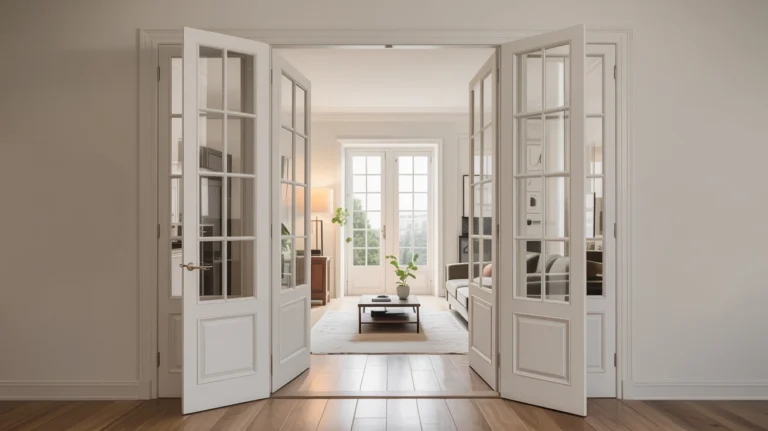
The mix of old and new works best when you keep one idea in mind: respect the strongest feature of the room. If the fireplace sets the tone, keep colors calm and place furniture around it. If the windows carry the most character, keep curtains light and let the shape breathe.
This balance helps the house feel lived in rather than themed.
Avoid Common Mistakes That Remove Character
Many people update too fast and remove the parts that carry the story of the home. Painting over carved plaster, removing rails, replacing timber with plastic and adding harsh lights are all mistakes. These changes flatten the space and break the link between past and present.
Slow choices build better rooms. Save what you can. Update what you must. Match new work to the lines already there.
Room-by-Room Tips for Better Results
Living Room
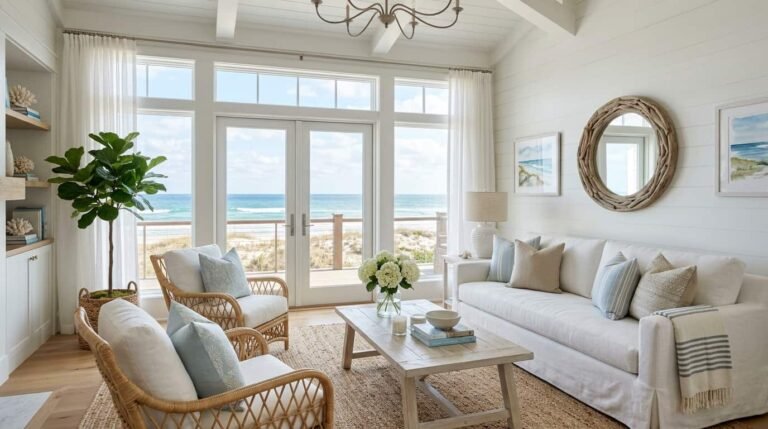
- Use warm light to highlight fireplaces
- Keep furniture low if windows are tall
- Use natural fabric blends to soften the layout
Kitchen
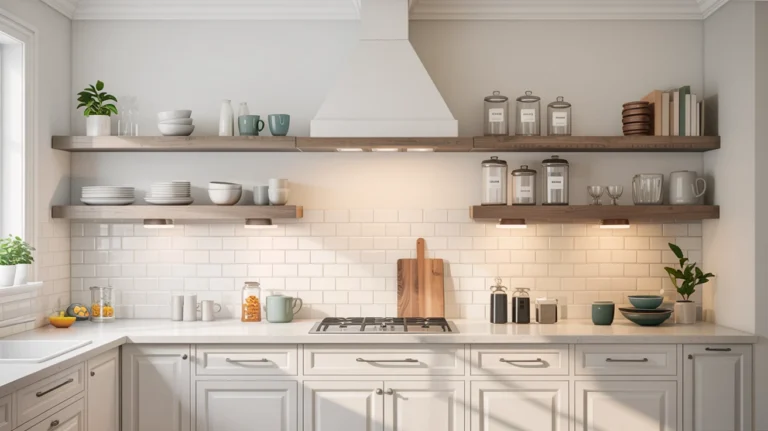
- Keep joinery simple with soft wood tones
- Use warm metal fixtures for taps and handles
- Blend new appliances with panels that match cabinets
Bedroom
- Use calm paint colors
- Choose soft rugs to warm timber floors
- Keep storage slim so the wall lines stay clear
How to Keep the Home Practical Without Losing Its Past
You may feel unsure about adding modern systems like heating, cooling, or smart lighting. Good planning hides the equipment so the look stays classic. Place vents low, hide wires in trims, and choose lights that look simple. This makes the home easier to live in while keeping the roots of the design intact.
Final Thoughts
A historic home becomes its best self when you let old and new support each other. Small choices add comfort. Careful updates protect the style. When each room respects its past, the whole house feels warm, steady, and ready for daily life.