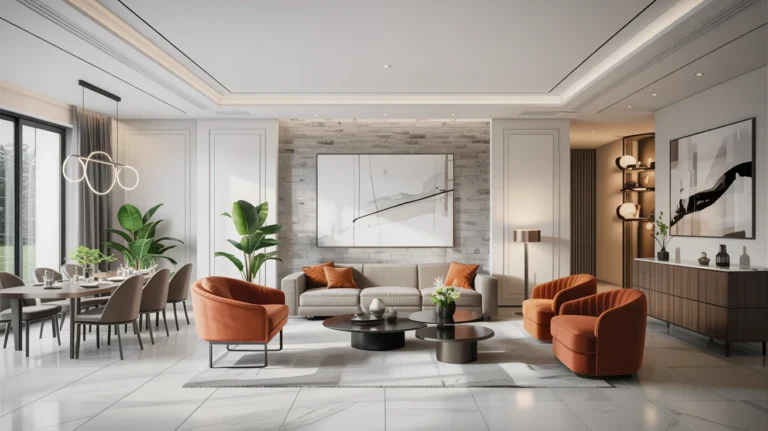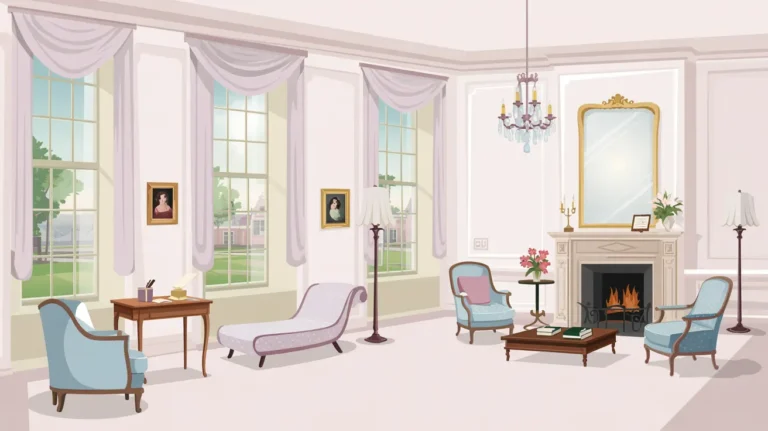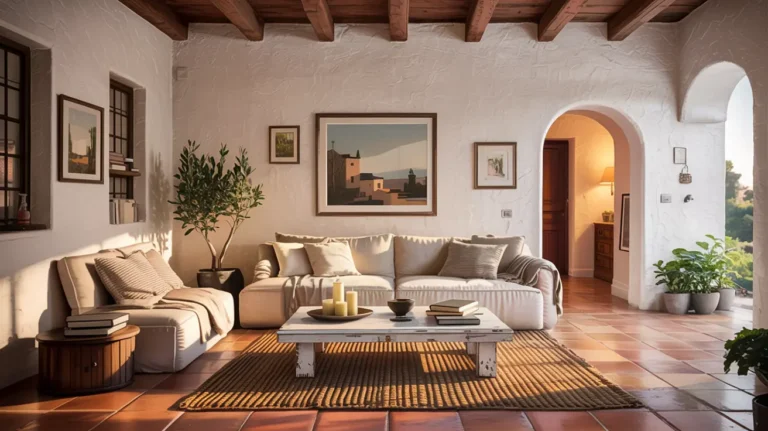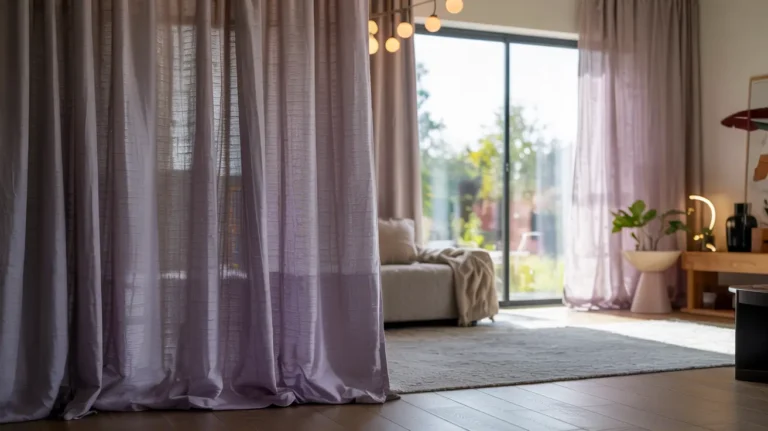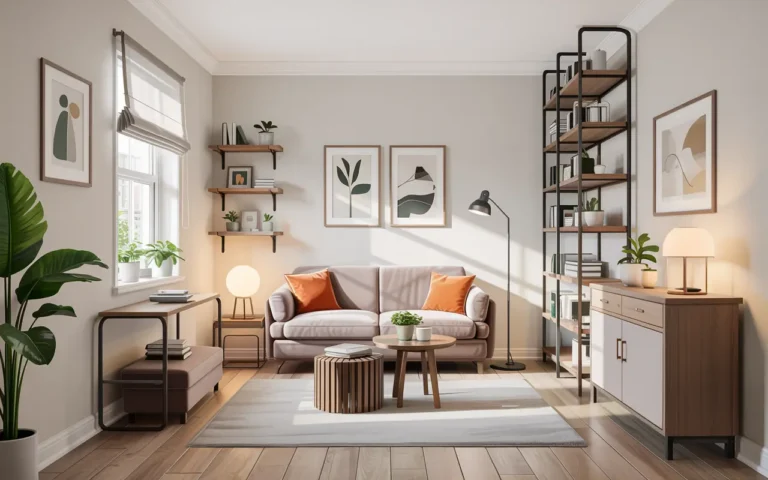

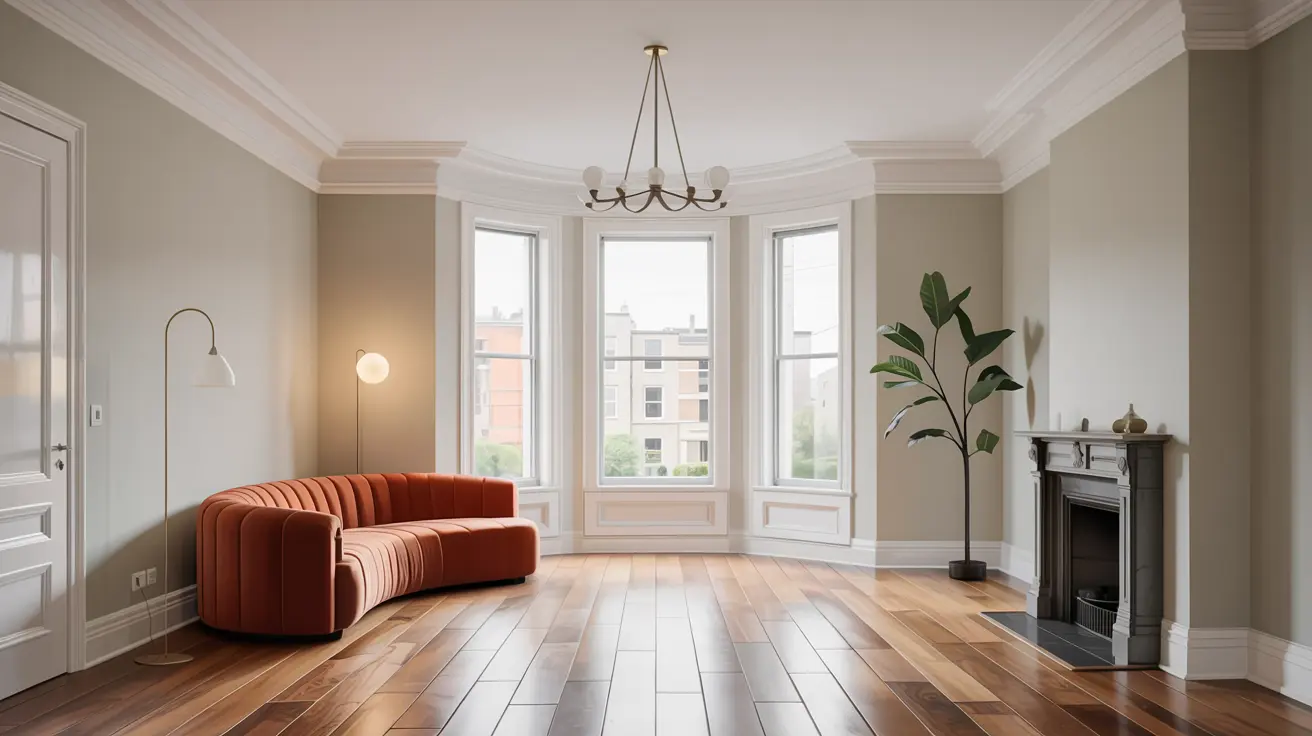
A contemporary Victorian house brings old charm into the present day by keeping the best period details while shaping rooms that feel calm, bright, and suited to everyday life. Many homes still have strong bones, but owners often feel unsure about how to balance high ceilings, bay windows, and ornate trim with a cleaner and more relaxed style. This guide shows how to make that blend work in real homes without losing comfort or character.
How Old Spaces Change When You Update Them With Purpose
Many Victorian rooms feel long, narrow or dark, which makes people think the style is heavy, but small changes shift the mood right away. Opening sightlines, choosing lighter colours and using warm textures help these spaces feel lived in again. The goal is to let each room breathe while honouring the features that still hold beauty.
Work With the Light You Have
Bay windows and tall sash windows draw light deep into long rooms, but heavy curtains often block it. A simple fix is to use soft blinds or lighter drapes so daylight can reach corners that usually feel flat. In deeper layouts, mirrors placed near alcoves or along the chimney breast pull brightness across the room and make it feel open.
Keep the Original Details That Add Character
Crown moulding, ceiling roses, panelled doors and architraves give Victorian homes their charm, but many owners think they must remove them to create a modern look. In truth, these features turn into focal points when paired with smooth paint, cleaner lines and warm finishes. A room feels richer when the old and new sit side by side rather than compete.
Solve Layout Problems Without Losing the Flow
Many homes built in this era have double reception rooms that feel disconnected or too long. You can zone these spaces with a rug, a slim cabinet or a well-placed armchair so each end gains a purpose. If the rooms feel cramped, removing a dated divider between them opens a clear path for light and movement. This keeps the warm Victorian tone but makes the layout work for real life.
How Colour and Texture Bring Balance to the Style
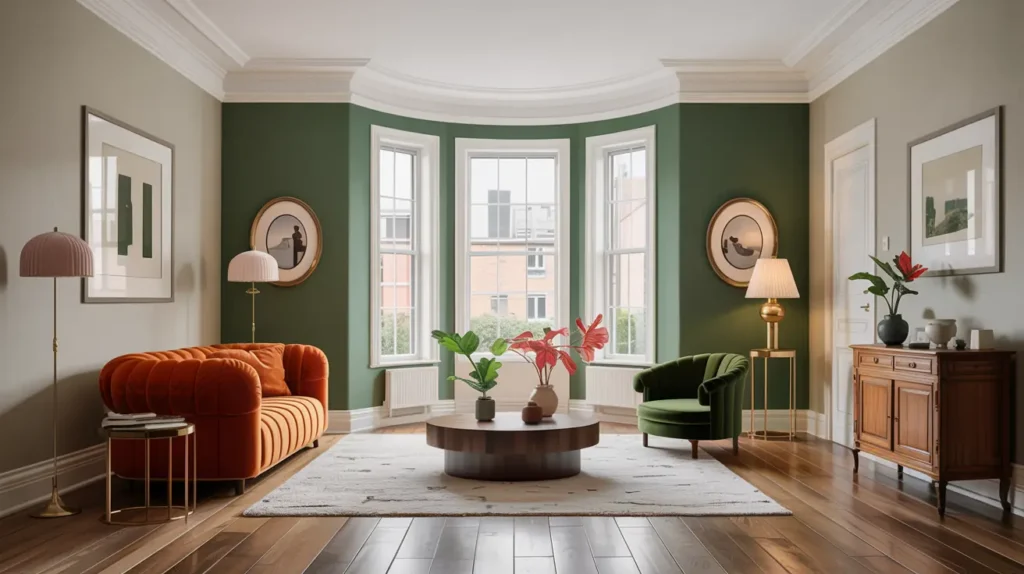
Victorian decor once used deep reds and heavy prints, but you can create balance with softer tones and simple accents. The aim is to warm the space without making it feel loud.
Use Warm Neutrals to Support Period Features
Muted cream, clay beige and soft grey give tall rooms a calm base and let the trim stand out gently. These tones also suit the warm grain of old wood floors. If you want more depth, deep green or petrol blue works well in dining rooms or snug spaces because the high ceilings stop the colour from feeling heavy.
Layer Textures to Soften Strong Lines
Victorian rooms often have sharp corners and tall walls, so soft textures help them feel grounded. A velvet sofa, a woven throw or a wool rug lowers the scale of the room and makes the space feel more inviting. Mixing wood, stone and aged brass gives warmth without crowding the eye.
Making Key Features Work in Modern Daily Life
Some original features cause small everyday issues, but each one has a simple solution. Owners often worry that keeping a fireplace or old flooring will limit the style, but these elements often guide the whole room.
Update Fireplaces Without Losing Their Charm
Many old fireplaces feel too ornate for a modern room, but a few small changes shift the mood. Clean lines, a simple mantel or a soft stone surround help balance the detail. You keep the shape that makes Victorian homes special while gaining a fresh, calm look.
Shape Kitchens and Extensions With a Clear Contrast
Rear extensions are common in Victorian homes, yet many feel disconnected from the front rooms. You can solve this by choosing finishes that echo the original details. Slim black frames, soft plaster walls or warm timber cabinets tie the new space back to the older rooms. This creates a home that feels joined rather than patched together.
Common Mistakes Homeowners Face and How To Fix Them
People often struggle with three main issues: rooms that feel dark, furniture that feels too heavy, and details that clash with modern needs. Each one has an easy fix.
When Rooms Feel Too Dark
Heavy colours on every wall sink the light. Use deeper tones only where you want focus, such as a chimney breast or a snug wall, and keep the rest lighter to reflect more daylight.
When Furniture Feels Out of Place
Large carved pieces crowd narrow rooms. Simple curved sofas, slim armchairs and open shelves create breathing space while still respecting the house’s shape.
When Details Feel Too Bold
Old wallpaper patterns, bright tiles or thick trims overwhelm small rooms. Repainting, sanding or softening these details keeps the history while making the room calmer.
How To Bring Everything Together for a Cozy and Modern Victorian Home
The best results come from balance. Keep the features that add charm. Use colours that calm the tall rooms. Let light move through the space. Mix warm textures with clean shapes. Shape each room for comfort and daily use. When these pieces work together, the home feels grounded, warm and ready for real living.