
What 1800s House Interiors Really Looked Like
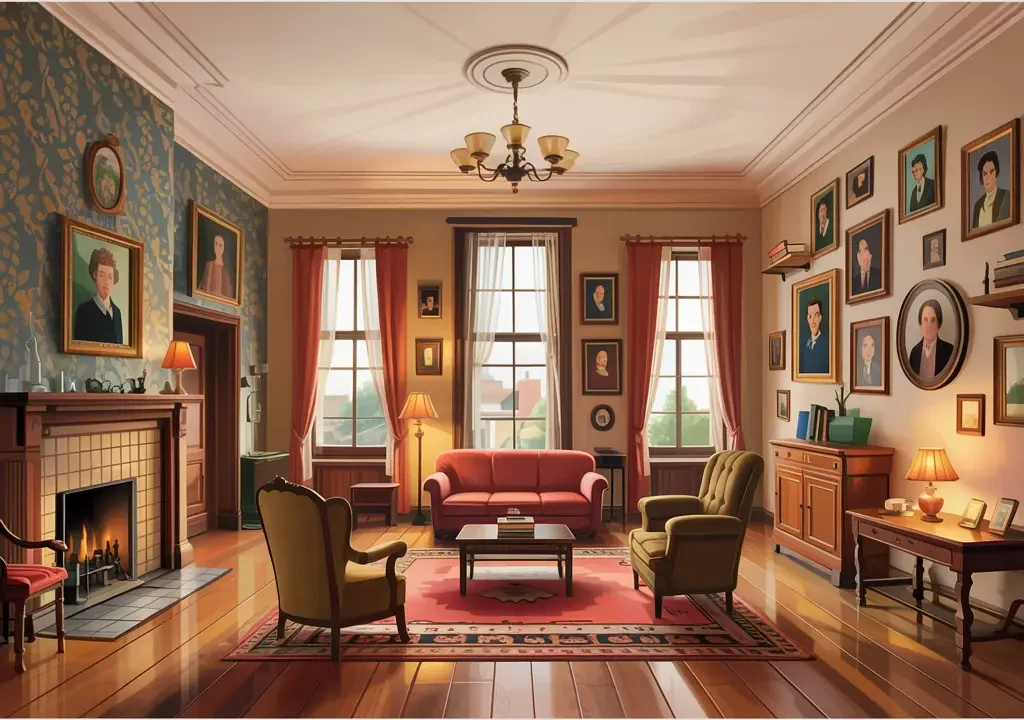
Many people picture an 1800s house interior as dark, crowded and a little gloomy. Original photographs and written accounts show something richer, with layered pattern, tall ceilings, polished wood and coal fires that glowed at the centre of daily life.
Rooms often held more furniture than we expect today, and almost every surface carried some sign of ownership. Books, portraits, ornaments and textiles filled space, yet most pieces followed a clear sense of order and status inside the home.
The Social Story Behind Nineteenth Century Rooms
Nineteenth century interiors grew around strong ideas about class, family and progress. Rising industry created a expanding middle group who wanted homes that showed learning, taste and moral standing.
Public rooms near the front door displayed that image through heavy fabrics, carved furniture and crowded picture walls. Private spaces further inside the house stayed plainer, with simpler floors, fewer ornaments and more focus on work and rest.
Reading The Bones Of An 1800s House
Before choosing colours or fabrics, it helps to read the basic structure of the house. Ceiling height, the depth of cornices, the presence of ceiling roses and the width of door frames all reveal the original ambition of the building.
Look for tall sash windows, tiled entrance floors, generous staircases and strong skirting boards. These fixed parts do most of the design work and guide every later decision, from paint lines to furniture scale.
Walls, Colour And Pattern In Victorian Rooms
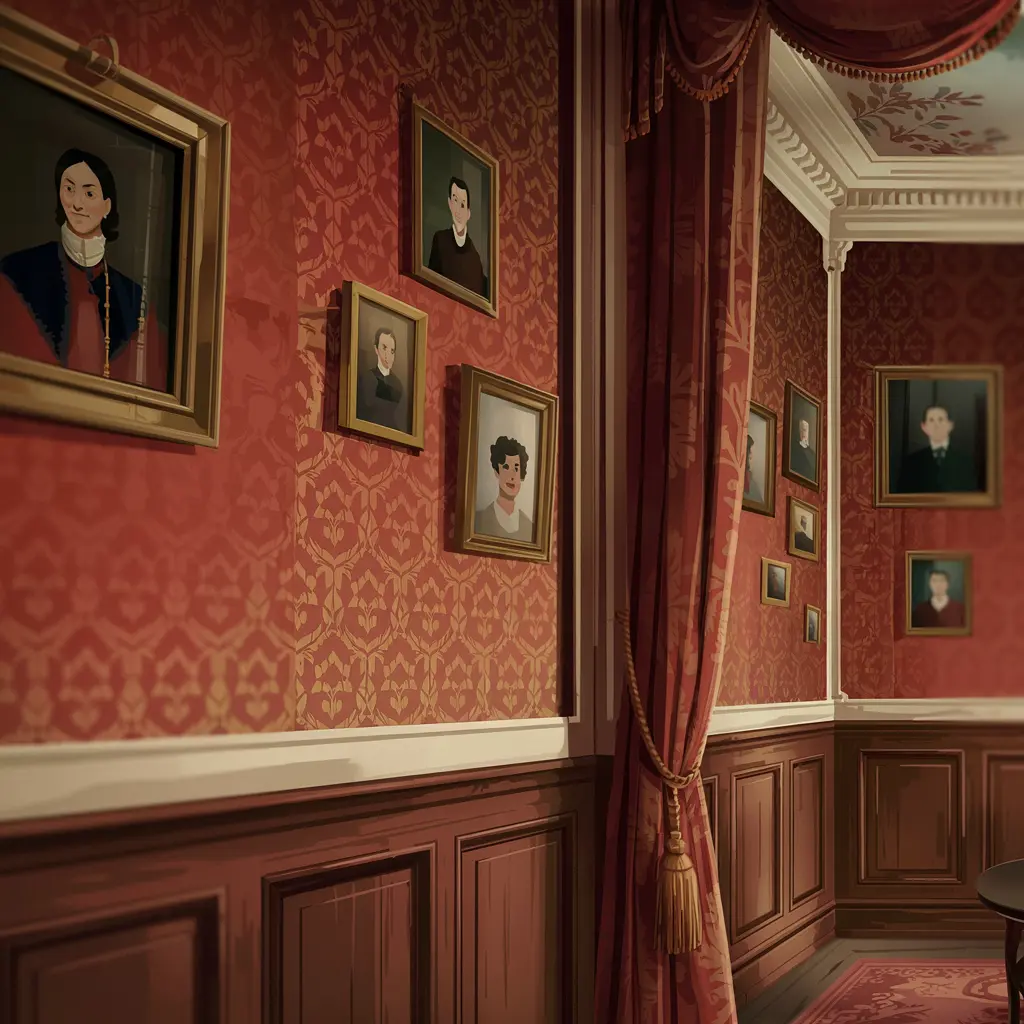
Walls in nineteenth century homes rarely sat bare. Patterned paper, painted panelling and picture rails worked together to wrap each room in colour and form.
Deep reds, greens, blues and golden tones appeared often in papers and textiles, while darker shades filled formal front rooms. Bedrooms and morning rooms sometimes used lighter schemes, but pattern still played a strong part through stripes, florals and small repeating motifs.
Floors, Fireplaces And Ceilings That Set The Mood
Floors and fireplaces gave each room a sense of weight and comfort. In many homes, front rooms showed polished boards with a large rug, or fitted carpet with a bound edge around the hearth.
Fireplaces usually held cast iron grates and tiled or marble surrounds, with a mantel that supported clocks, vases and framed photographs. Above, plaster ceilings sometimes carried decorative moulding and a central rose around a gas light or chandelier.
The Parlour: Public Face Of The 1800s Home
The parlour or drawing room was the place where guests met the household. Here furniture often stood around the walls and near the fire, ready for visits, music and conversation.
Upholstered chairs, small tables, a sofa and often a piano or harmonium filled the space. Heavy curtains framed tall windows, and picture walls above the mantel displayed family portraits in gilt frames alongside landscapes and prints.
Dining Rooms And Everyday Eating Spaces
Formal dining rooms in the late nineteenth century usually felt darker and more enclosed than parlours. Walls carried strong colour, and a sideboard displayed glass, china and silver where it could catch lamplight.
A large table sat at the centre, sometimes extendable for larger gatherings, with high backed chairs around. Many families still ate everyday meals in smaller back rooms or kitchens, which kept grand spaces ready for visitors and special occasions.
Bedrooms And Nurseries In The Nineteenth Century
Bedrooms often balanced comfort with modesty rather than pure display. Iron or wooden bedsteads, firm mattresses, layered blankets and patterned quilts kept people warm in uninsulated houses.
Washstands with jugs and bowls, simple wardrobes and small chests held clothing and daily items. Nurseries and children’s rooms usually sat higher in the house, with plain floors, washable coverings and sturdy furniture that could handle constant use.
Hallways, Staircases And Entrances
Entrances set the tone for the whole interior. Many nineteenth century houses used patterned tile or stone in halls, because those surfaces handled boots and coal dust better than bare boards.
Staircases carried turned spindles, carved newel posts and polished handrails that curved into landings. Walls in these areas sometimes ran with a half height dado rail and a change of paint or paper above, which helped manage scuffs and soot.
Kitchens, Sculleries And Working Spaces
Working rooms at the back of the house looked very different from front parlours. Kitchens focused on fuel, storage and washing, with a range or stove, strong tables and shelves for pots and tools.
Sculleries, larders and back halls held sinks, drains, dry food and cleaning gear. Surfaces stayed plain and tough, often with stone, brick or simple tile underfoot. These spaces remind us that nineteenth century homes had hard physical work at their core.
Bringing Nineteenth Century Style Into A Modern Home
You can borrow the feel of an 1800s interior without copying every detail. It helps to start with one or two strong moves in each room, such as a patterned paper, a statement fireplace surround or a deep coloured rug.
Layer in a few pieces of dark stained wood furniture, a mix of framed drawings and portraits, and curtains with real weight. At the same time, keep layouts open enough for modern movement, and let sofas and storage reflect current comfort needs.
Common Mistakes When Copying Victorian Interiors
The easiest mistake is to add pattern and furniture without reading the house first. Very heavy schemes inside a low ceiling space can feel cramped rather than authentic.
Another common error is to remove original doors, trims and fireplaces while chasing a simple look. Once those parts vanish, it becomes much harder to rebuild a convincing nineteenth century mood, even with correct colours and fabrics.
Simple Steps To Start Updating Your Own Rooms
If you live in an older house, focus first on saving what remains. Protect floorboards, cornices, architraves and any original windows or tiles, and repair them where you can.
Next, choose one room to develop more fully. Add a stronger wall colour, a deeper rug, a clearer focus around the fireplace and a more generous curtain treatment. As you gain confidence, repeat those ideas in other spaces, adapted to their light and size.
Final Thoughts: Keeping Nineteenth Century Character Alive
Nineteenth century interiors can still guide how we build warm, layered rooms today. Their balance of comfort, display and craft offers a rich library of ideas for anyone working with older houses.
By reading the bones of each building, protecting original features and choosing colour, pattern and furniture with care, you can create rooms that feel rooted in history yet ready for current life. The goal is a home that honours its past while staying honest about the way people live now.