
What Hotel Room Interior Design Really Does For Your Guests
Think about the first minute after a guest walks in, they drop the bag, scan the space and decide how they feel. That moment is shaped by the way the hotel room interior is planned, how the light falls, where the bed sits and how easy it is to move. Design is not only about nice fabrics, it is about whether someone can settle in without hunting for a switch or a socket. When a room feels calm, clean and easy to understand, people sleep better, feel looked after and often mention it later in reviews and private messages. Over time those small design choices start to show up in ratings, return bookings and the quiet reputation of the hotel.
Core Principles: Layout, Light, Comfort And Story
Behind a good hotel room there is usually a simple checklist in the background, even if guests never see it written down. The layout needs to feel natural, with a straight path from the door to the bed and from the bed to the bathroom. Light should offer more than one setting, bright for getting ready, gentle for the evening and a low option for the night. Comfort comes from a solid mattress, decent pillows, breathable bedding and a room that does not swing from hot to cold. On top of that, colours, pictures and materials can hint at the local area and the character of the brand, so the room feels like it belongs to a real place, not to an anonymous box.
Planning Layouts That Guide A Tired Guest
It helps to picture a guest arriving after a delayed flight or a long drive, juggling a phone, a key card and a tired mood. The first thing they need is a clear spot for the suitcase, a hook or rail for a coat and a main switch that is obvious the moment they look up. From there it feels natural if the bed sits on a quiet, solid wall rather than squeezed between doors and wardrobes. Paths to the bathroom, the balcony or the window should stay clear of sharp corners and stray tables, because nobody wants bruised knees at three in the morning. When the room quietly shows people where to walk and where to pause, it feels safe and simple even on a first stay.
Designing For Different Room Sizes And Types
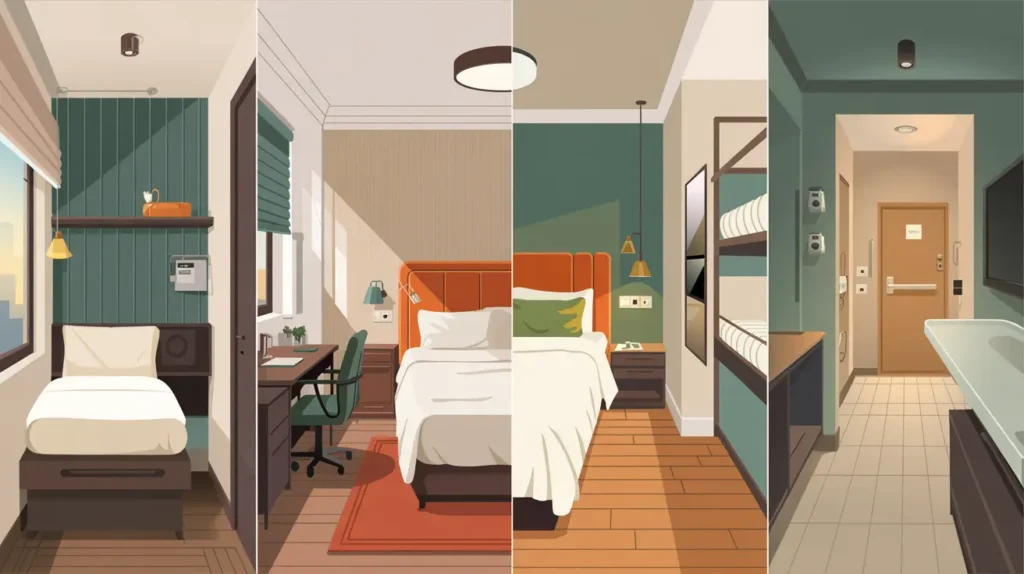
Very few hotels work with one perfect room size, most buildings throw up narrow corners, big suites, family setups and a handful of awkward shapes. Compact rooms in busy districts need slim furniture, tall storage, mirrors and open rails that free up as much floor as possible. Larger resort rooms can carry a reading chair by the window, a small work corner near a socket and still keep the bed as the main focus. Family spaces may use sofa beds that feel like real sofas by day, bunks for children and sliding panels that give each person a little privacy. Accessible rooms deserve wider routes, gentle level changes and fittings that are easy to hold, all wrapped in the same calm look as the rest of the hotel.
Style Choices That Match Your Brand And Guests
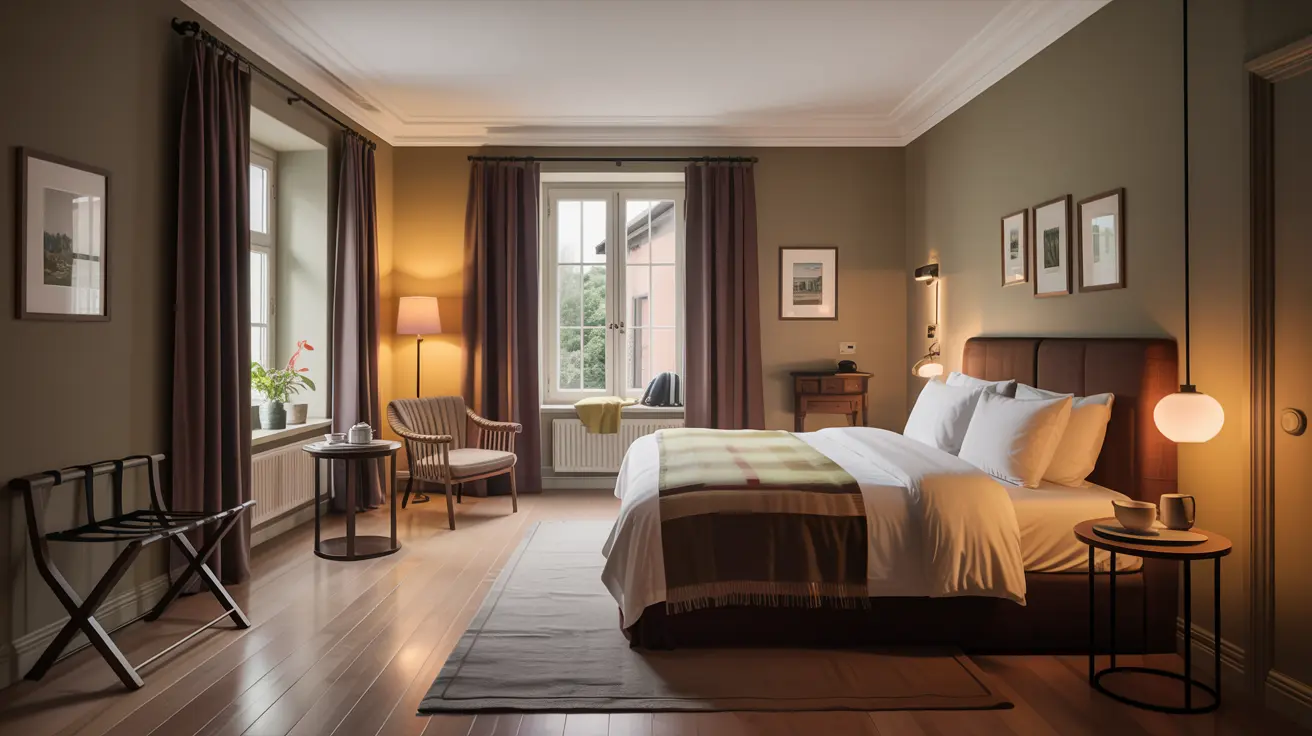
Style is the part guests notice first in photos, but it works best when it grows from the type of stay you offer. A quiet, high end hotel might lean into soft neutral shades, warm timber, stone, generous beds and a few rich fabrics that invite people to slow down. A city hotel that serves people on work trips can keep lines clean, use a cooler palette, add strong task lighting and give real attention to the desk and chair. A small independent place in an old street can mix plain, sturdy furniture with local textiles, a vintage lamp or two and framed prints from nearby artists. When the look of the room lines up with the promise on your website, guests feel that they got what they were expecting.
A Luxury Feel Without Heavy Decoration
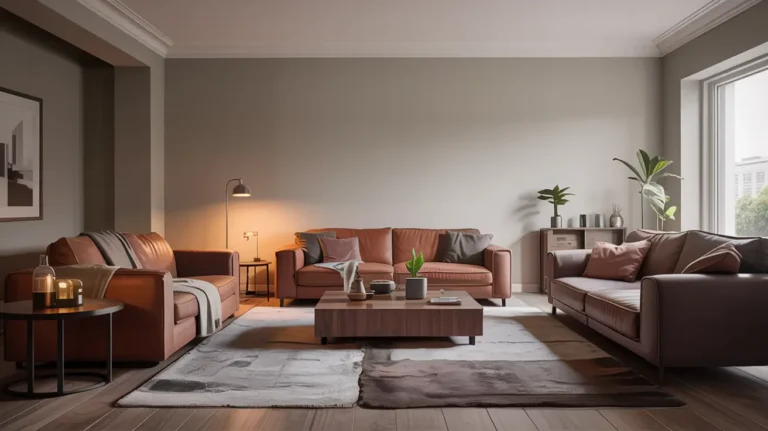
A room starts to feel luxurious when nothing is fighting for space, not when every surface is covered with detail. A tall headboard, a well sized bed, crisp linens in pale tones and a handful of carefully chosen cushions already send a quiet signal of care. Stone tops, polished timber, a soft rug underfoot or a metal trim on a table can appear in small areas and still feel special. Light makes a big difference, so it helps to pair a gentle ceiling wash with warm bedside lamps and maybe a glow behind a curtain track or headboard. Clear surfaces, calm walls and one or two strong features often feel more expensive than a crowd of patterns and objects.
Modern Minimal Rooms For Busy City Travelers
Minimal rooms suit people who land late, wake early and want a space that works without fuss, especially close to stations and offices. Straight lines, flat fronts, slim wardrobes and a short list of colours keep things tidy to the eye, which can feel calming after a loud day. Built in cabinets hide spare bedding, luggage and cables, leaving the top of the desk and bedside tables open for laptops, books and phones. In the bathroom, simple forms in tile and glass, wall hung toilets and raised vanities make cleaning quicker and keep the floor clear. To stop these spaces feeling cold, a few soft elements such as a woven shade, a textured throw or a padded chair seat go a long way.
Boutique Rooms And Local Storytelling
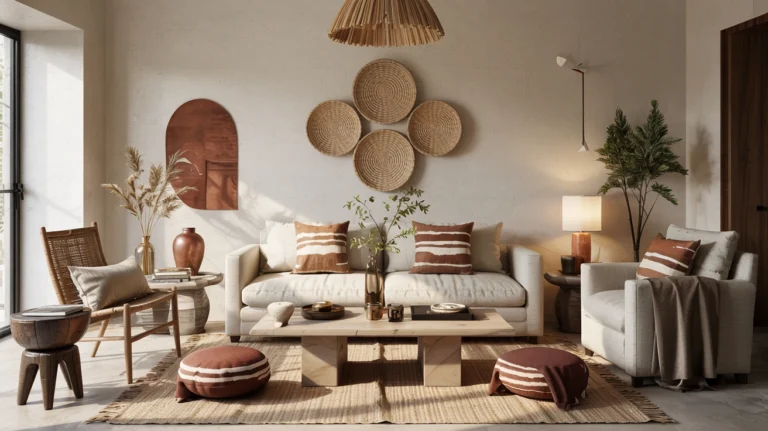
Boutique rooms often win hearts by telling a small, honest story about where they are, rather than by trying to show everything at once. One strong piece of local art, a patterned rug, carved timber or handmade tiles can carry a lot of character. Colours on cushions, curtains and throws might echo the harbour, the hills, the brickwork or the markets outside, without turning the room into a postcard. Handmade bowls, baskets or lamps work best in small numbers, placed where people can notice them and use them. Guests often enjoy a short line in the room guide that names the maker of a textile or print, because it turns decor into a connection with real people in the area.
Materials, Finishes And Natural Elements Guests Notice
Most guests cannot name every material, but they know when something feels solid and when it feels cheap. Doors that close with a reassuring weight, handles that do not wobble and surfaces that do not peel under a wet glass quietly build trust. Soft, breathable sheets, a supportive mattress and a sensible choice of pillows shape the night far more than ornaments on a shelf. A plant in a corner, a strip of green on one wall, woven baskets or a timber accent can soften straight lines and bring a hint of nature into dense streets. In bathrooms, tiles that grip under bare feet, decent grout and fittings that do not drip keep the room feeling clean and safe for both guests and staff.
Light, Colour And Atmosphere For Better Sleep
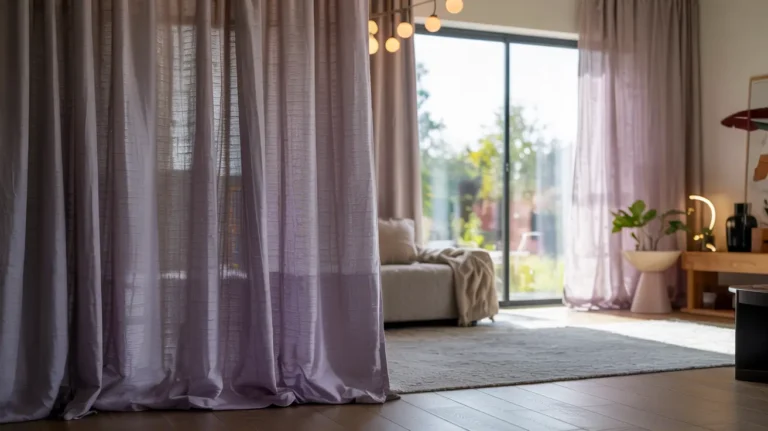
Light and colour work together like mood controls for the whole room, and they change how rested people feel in the morning. During the day, it helps if curtains pull right back and no tall furniture sits in front of the glass, so daylight can reach the far wall. In the evening, a guest may want bright light for shaving or make up and then a softer pool for reading in bed, so the room needs both. Warm white bulbs near the bed encourage the body to slow down, while cooler and stronger light belongs at the mirror or desk. Wall colours and fabrics that sit in gentle blues, greens, creams and soft earthy tones usually feel calmer than very strong, loud shades across big surfaces.
Technology That Helps Rather Than Distracts
Good room technology should feel like an easy helper in the background, not a puzzle to solve. Many guests now expect simple keyless entry, clear switches, generous sockets by the bed and a screen that can mirror a phone or tablet without effort. Central panels that handle light and temperature are useful when the buttons are clearly named and placed where people naturally reach. It still makes sense to keep basic switches for those who prefer to tap a normal button and get instant feedback. A small corner with no television at all, just a chair, a side table and a view or lamp, gives people a place to take a break from constant screens.
Bringing In Local Culture With A Light Touch
Using local culture in a room works best with a gentle hand, especially when the space is meant for rest. Textiles that borrow patterns from nearby doors, tiles or roofs can sit on cushions, rugs or throws without overwhelming the eye. Colours might follow the sea, the sky, the stone or the trees around the building, but appear in measured amounts so the room stays calm. Hanging work by current painters, photographers or makers helps the hotel feel rooted in the present, not stuck in a museum version of the city. Short notes in printed or digital guides that point out where a fabric, bowl or print came from turn those touches into talking points for guests.
Designing For Sound, Sleep And Real Comfort
Noise is one of the quickest ways to break a good first impression, even when everything looks smart and new. Doors with seals, insulated walls, good glazing and heavy curtains help soften the sounds of corridors, lifts and nearby streets. Inside the room, carpets, rugs and upholstered panels soak up echoes from voices, screens and luggage wheels. Choosing bed positions away from common walls with service spaces or busy routes can prevent small knocks and bangs from reaching guests at night. A quiet climate unit, curtains that shut out light properly and a simple route to the bathroom all support deep, unbroken sleep.
Small Rooms And Awkward Layouts That Still Feel Generous
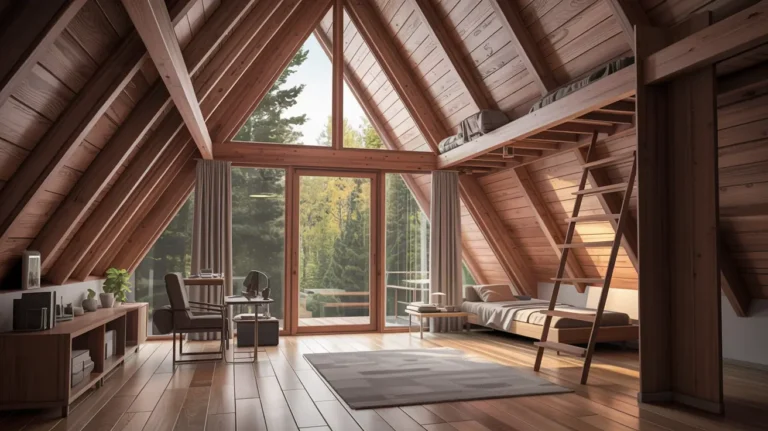
Many of the most charming hotels sit in older buildings that were never planned for modern furniture, so rooms come with odd angles and narrow stretches. Built in wardrobes along one side, beds with drawers in the base and fold down desks can turn those shapes into tidy, practical spaces. Large mirrors placed opposite windows double the sense of brightness and depth, helping the room feel more open than the floor plan suggests. Pale colours on walls and major pieces keep tight corners from feeling like they are closing in, while deeper tones can live in smaller accents and art. Empty corners that cannot hold large pieces can still host a plant, a tall lamp or a print, which keeps the whole room feeling looked after.
Sustainable Choices That Also Help Your Margins
Thoughtful choices at design stage can make rooms kinder to the environment and easier on running costs at the same time. Low energy lamps, good insulation, tight window seals and sensible shading reduce heating and cooling bills across the year. Hardwearing finishes and timeless furniture avoid the need for frequent replacements, which means less waste and fewer closures for major work. Refillable bathroom bottles, durable towels and simple recycling points cut down on single use items without making the stay feel bare. Working with local makers for art, textiles and some furniture pieces can lower transport impact, support nearby jobs and add to the story the hotel tells in its wider marketing.
Making Rooms Photo Ready For Booking Sites
Most guests now meet a room through a photo long before they reach the front desk, so interiors have to stand up on a small screen. Clear focal points, such as a well dressed bed, a neat seating nook or a framed view, help pictures stand out among dozens of similar listings. It helps to keep cables tidy, bins hidden and spare items stored out of sight, because the camera will pick up every stray shape. Layouts that allow curtains to open fully and keep tall pieces away from glass make better use of daylight during photo sessions. When guests arrive and see the same scene they chose online, trust grows and the booking already feels like a good decision.
Simple Steps To Start Updating Existing Rooms
Many owners need to improve rooms little by little while the doors stay open, which means small, smart steps matter. A first pass through the building might focus just on light, swapping harsh bulbs for warmer ones and adding reading lamps where people often struggle. The next stage can tackle beds, pillows and bedding, aiming for a consistent level of comfort even if changes roll out over months. After that, clearing surfaces, removing tired pieces, hanging one strong artwork instead of several weak ones and adding a few natural touches can make rooms feel fresher. As reviews and staff feedback start to mention the changes, it becomes easier to plan larger upgrades to bathrooms, layouts and technology.
Final Thoughts: Design Rooms People Remember And Want To Book Again
The hotel bedrooms that stay in people’s minds are not always the flashiest, they are the ones that quietly support a good night and a simple daily rhythm. Clear routes, kind light, comfortable beds, useful tech, honest materials and a hint of local character work together so guests never have to fight the space. When a room feels easy to live in for a night or a week, people rest better, speak well of the stay and often choose the same place when they return. Over time that steady stream of content guests builds a stronger name for the hotel than any single big design gesture can manage on its own.