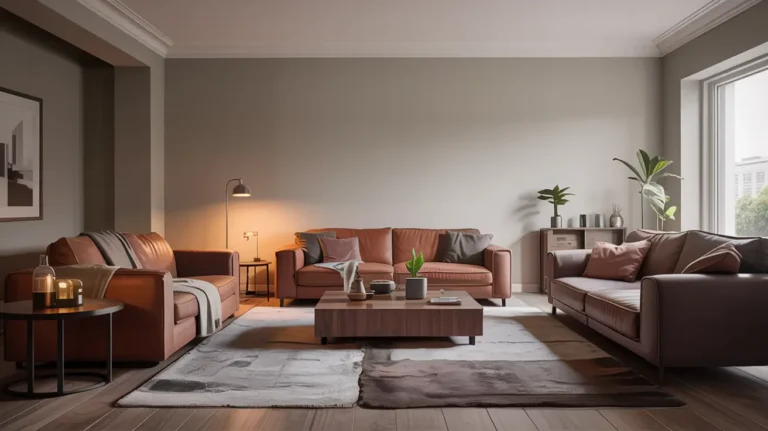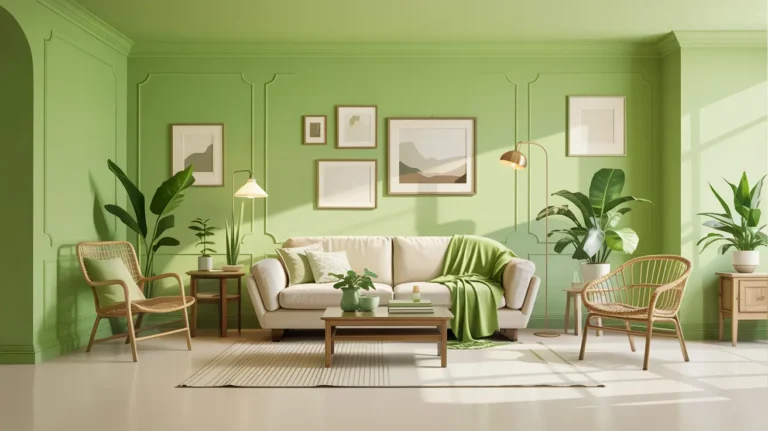

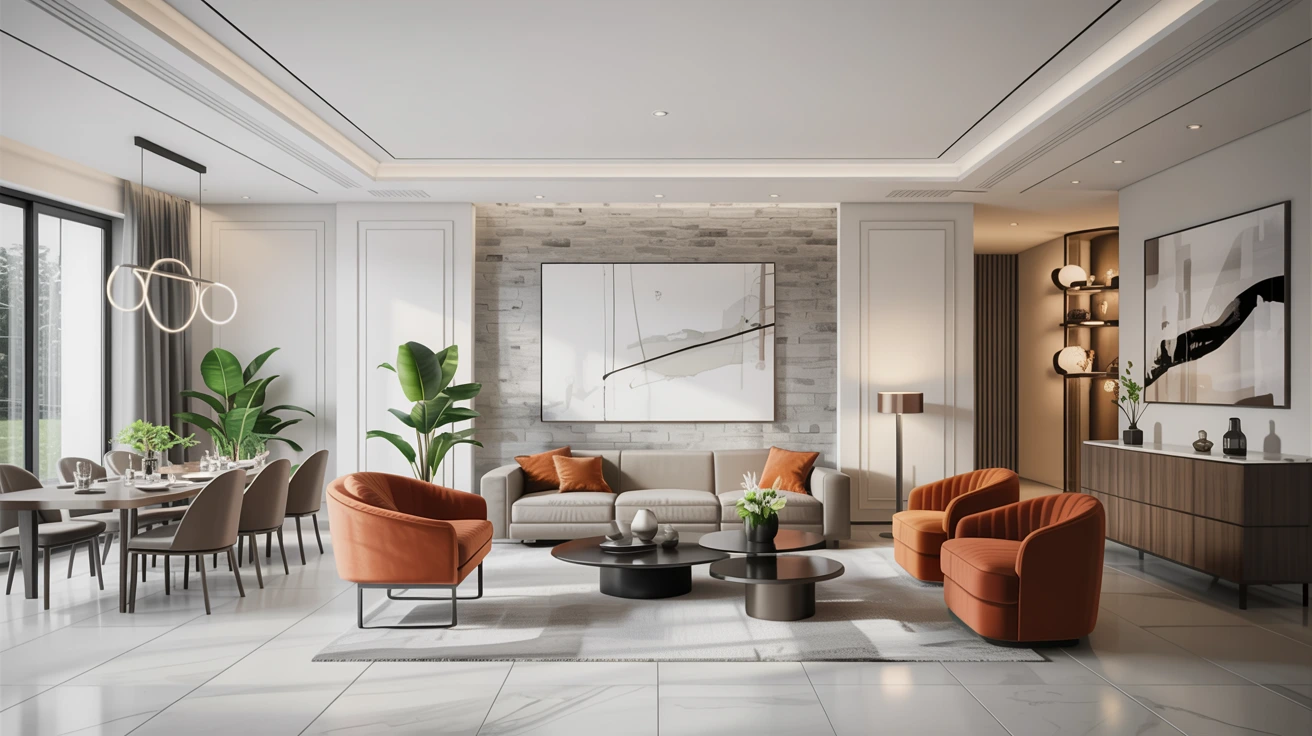
Luxury modern house interior design creates homes that look refined and still feel warm and livable. It blends clean lines, rich materials and thoughtful comfort. The goal is not a show home. The goal is a space that truly fits daily life. This guide walks through every major step, from layout planning to final styling. You can use it whether you design a new build or update an existing home.
What Luxury Modern House Interior Design Really Means
Luxury modern design focuses on quality, intention and comfort. Rooms feel open and calm, not busy or overdone. Architectural Digest often highlights projects where there is less furniture but each piece has strong presence and quality. The best spaces mix modern simplicity with tactile materials like stone, wood and soft fabrics. Technology supports comfort in the background without stealing attention. True luxury feels quiet, balanced and personal, not loud or forced.
Key Principles of a Luxury Modern Home
Quality Over Quantity and Craftsmanship
Luxury starts with what you choose, not how much you buy. Interior designers from groups like the American Society of Interior Designers often stress investment in fewer high quality pieces. Choose a solid sofa, a strong dining table and well made storage. Avoid filling every empty corner with decor. Let materials and shapes breathe. When pieces are well crafted, simple rooms still feel rich and complete.
Clean Lines Balanced With Comfort
Modern style loves clean lines, simple forms and clear geometry. Many celebrated designers in Elle Decor pair these lines with soft surfaces and generous cushions. This balance stops a room from feeling cold. Sofas have straight silhouettes but deep seats. Beds have simple frames but layered bedding. Detail comes from texture rather than heavy ornament. The result is a space that photographs well and still feels inviting at night.
Proportion, Scale and Focal Points
Luxury rooms have a sense of order. Scale feels right for the space. A small room does not hold giant furniture. A large room does not sit with tiny pieces. Designers often choose one clear focal point in each space. This could be a fireplace, a large artwork or a feature wall in stone. Other items support that focus instead of competing with it. This makes the room feel calm and controlled.
Natural Light and Indoor Outdoor Connection
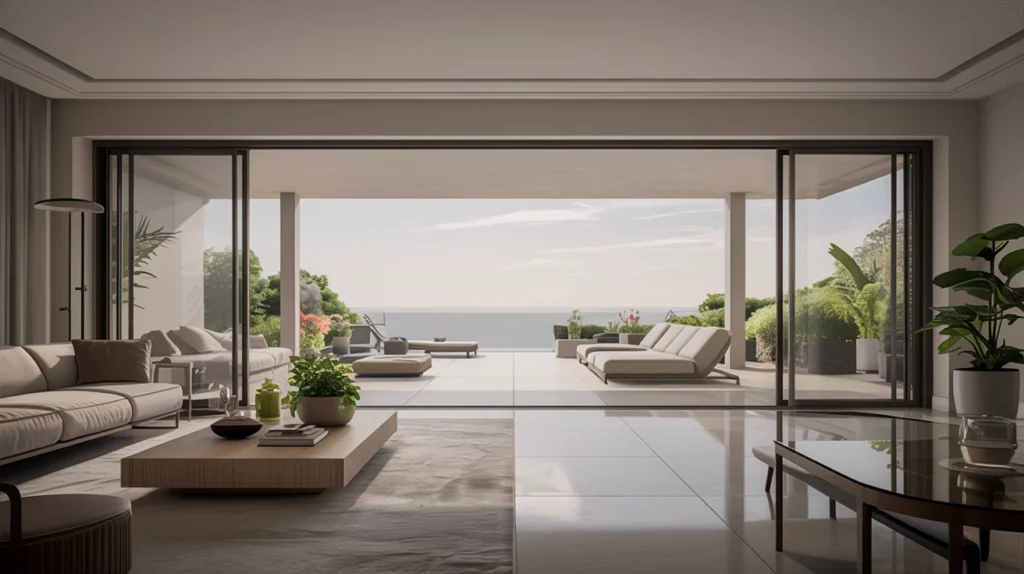
High end homes almost always use light as a design tool. Research from architecture schools often links natural light with better mood and focus. Large windows, glass doors and open views make modern spaces feel expansive. Frame outdoor views rather than block them. Use sheer curtains where privacy allows. On ground floors, connect living spaces to a terrace or garden. This connection adds a sense of resort style living to daily life.
Planning Your Luxury Modern Layout
Zoning Open Plan Spaces
Many luxury homes use open plan layouts. Without planning, these spaces can feel like one large hall. Use furniture to create zones for living, dining and relaxing. A rug can anchor a sofa area while a pendant light marks the dining zone. Keep clear walkways between each area. Designers often imagine invisible lines on the floor to guide movement. When zones are clear, open spaces feel purposeful, not confusing.
Flow Between Rooms and Functions
Walk through your house in your mind first. Start at the entry, then move to living, dining and kitchen. Ask how you want guests and family to move. High end interiors reduce awkward turns and tight spots. Avoid putting large furniture close to doors. Keep main circulation paths wide and clear. When flow makes sense, even simple spaces feel more expensive. This planning also helps future furniture changes stay easy.
Storage Planning for a Calm Look
Clutter breaks every luxury feeling in seconds. Designers on platforms like Houzz often show how hidden storage supports neat spaces. Plan built in storage early in the process. Consider full height wardrobes, media walls with closed cabinets and bathroom vanities with drawers. In living rooms, use closed storage for cables and devices. Open shelves can show a few curated objects. When day to day mess has a home, rooms stay calm with less effort.
Signature Materials and Textures in Modern Luxury
Stone, Wood and Metal Combinations
Luxury modern homes rely on a tight mix of core materials. Natural stone like marble, limestone or quartz brings weight and elegance. Wood adds warmth and character, especially in flooring and cabinetry. Metals such as brass, bronze or blackened steel give a refined edge. Many high end projects featured in design magazines repeat these materials across rooms. This creates a continuous story from entry to bedroom. Too many different finishes can break that story and look cheap.
Fabrics That Feel Rich but Relaxed
Fabric choice has a big effect on comfort and mood. Velvet, wool, linen and cotton blends often appear in high end interiors. Use velvet for cushions or a statement chair, not every surface. Choose natural or natural blend fabrics for bedding and curtains where possible. They drape better and feel more pleasant against skin. Keep patterns simple and large scale. Let texture, not busy prints, do most of the work.
How to Mix Textures Without Clutter
Layering textures is key to luxury. The trick is control. Start with one main texture like smooth stone or timber floors. Add a soft rug, then a mix of fabrics on seating. Introduce one or two contrasting surfaces such as glass or metal. Keep the color palette tight so textures can shine. Many designers limit themselves to three or four main textures in each room. This keeps the look rich yet stable.
Building a Luxury Modern Color Palette
Neutral Foundations
Most luxury modern homes begin with neutrals. Shades of white, beige, greige and warm gray create a soft canvas. Paint experts often note that warm neutrals make spaces feel more welcoming than harsh bright white. Use slightly deeper tones on walls to add depth. Keep trim and ceilings lighter to lift the space. Large pieces like sofas and storage often look best in neutral shades. This allows you to switch accents in the future with less cost.
Deep Accent Tones
Accent colors bring character to modern interiors. Rich blues, forest greens, deep burgundy or charcoal black look particularly refined. Use these tones on one wall, a rug, dining chairs or a statement armchair. Avoid spreading strong colors across every surface. A few focused touches give more impact and still feel grown up. Look to luxury hotel interiors for inspiration. Many of them use one strong color in each main space.
Metallic Highlights
Metallic finishes act like jewelry for the home. Small touches of brass, bronze or brushed gold can lift even simple rooms. Use metals on light fittings, handles, side tables and mirrors. Mix metals with care. Many designers recommend choosing one main metal and a secondary one. For example, brass with blackened steel. Keep chrome to a minimum if you want a warmer mood. Remember that metallics stand out more against matte and textured backgrounds.
Lighting Design That Makes a Home Look Expensive
Ambient, Task and Accent Layers
Good lighting design separates luxury homes from average ones. Professional lighting plans usually combine three types of light. Ambient lighting gives general brightness through ceiling fixtures or concealed strips. Task lighting focuses on activities at kitchen counters, desks and reading spots. Accent lighting highlights art, shelving and architectural features. When all three are present, rooms feel deeper and more flexible. You can also adapt mood across day and night with simple changes.
Statement Fixtures as Design Jewelry
A single strong light fixture can define a room. Many projects in international design awards feature sculptural pendants above dining tables and in entries. Pick a design that suits the scale of the room. Too small looks timid and cheap. Too large feels heavy and clumsy. Hang dining pendants low enough to relate to the table but not block views. In living rooms, use a ceiling fixture plus floor and table lamps for balanced layers.
Lighting Artwork and Architectural Details
Art and architecture deserve dedicated light. Use small spotlights or track systems to wash light over a textured wall or painting. Wall washers can highlight stone cladding or paneling. In bathrooms, backlit mirrors give a soft, flattering glow. Staircases look dramatic with lights hidden under treads or along handrails. Many lighting guides from manufacturers show examples of such effects. Study these and adapt ideas to your own layout.
Room by Room Luxury Modern Ideas
Living Room
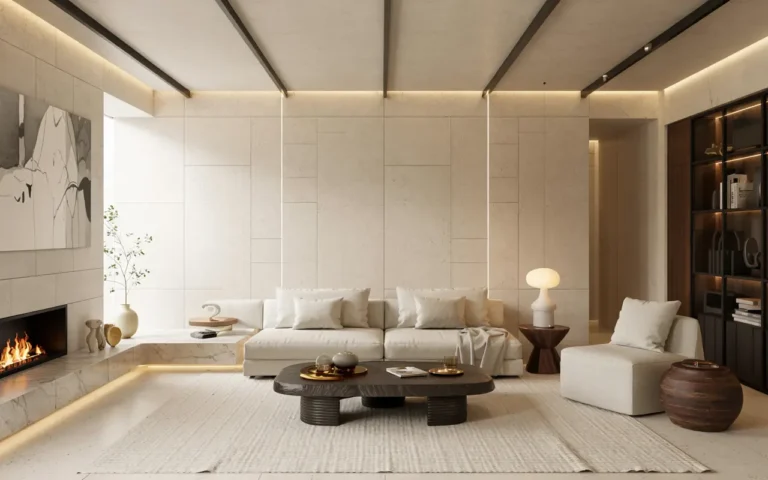
The living room often sets the tone for the rest of the house. Start with the main seating arrangement. Place sofas and chairs so people face each other, not the television alone. A large rug should sit under front legs of all seating. Use a strong coffee table with generous surface space. Keep media units simple and low. Add one statement artwork or sculptural object as a focal point. Finish with layered lighting and a few personal pieces like books or travel objects.
Kitchen and Dining
In luxury homes, kitchens feel both practical and social. Aim for clear surfaces and strong lines. Handleless cabinets and integrated appliances keep the look calm. A kitchen island often acts as a central hub for preparation and casual meals. Use durable stone or composite worktops. Add pendant lights above the island for both task light and atmosphere. In the dining area, choose a table that suits the room length. Keep chairs comfortable and simple. One piece of art or a feature wall keeps the space special without clutter.
Bedroom Suites
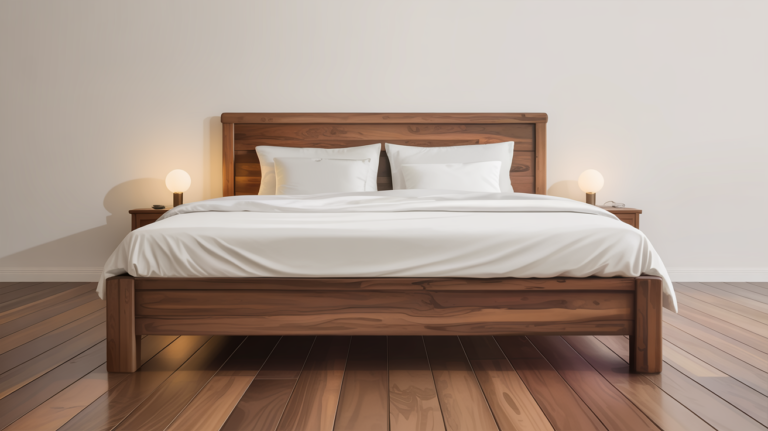
Bedrooms in luxury homes feel like boutique hotel suites. Focus first on the bed and headboard wall. Use an upholstered headboard that spans the width of the bed and side tables. Choose plain but rich fabrics for bedding, layered with a throw and cushions in simple combinations. Keep bedside tables neat, with just a lamp, a book and one decorative item. If space allows, add a small seating area or bench at the bed end. Use blackout blinds or lined curtains for good sleep quality.
Bathrooms and Spa Spaces
Bathrooms offer a chance to bring spa life into daily routine. Use large tiles to reduce grout lines and create a smooth look. Stone or stone effect surfaces add a sense of calm. A walk in shower with a clear glass screen feels more open than a small cubicle. Freestanding tubs can become sculptural focal points in larger spaces. Use soft, warm lighting around mirrors rather than only overhead light. Add niches or ledges for toiletries so surfaces stay tidy.
Entryway, Hallway and Stairs
These areas shape first impressions. A luxury entry does not need to be huge. It must be clear and considered. Use a console table, a mirror and one strong light fixture. Keep shoes and coats in closed storage if possible. Hallways benefit from art galleries or simple wall decor that leads the eye forward. Stairs can have a simple handrail in wood or metal with clean lines. Good lighting along the path makes movement safe and atmospheric.
Technology and Lifestyle in Modern Luxury Homes
Smart Control and Comfort
Modern luxury homes often use smart systems to manage comfort. This can include lighting scenes, climate control and shading. Professional integrators and brands often show case studies where one button sets the mood for evening or guests. When planning, think about how you live each day. Design scenes for waking, working, relaxing and entertaining. Hide devices where possible so screens and boxes do not clutter rooms. The best technology feels invisible yet helpful.
Home Office and Work Spaces
Many people now work from home at least part time. A dedicated home office makes life easier and looks more polished. Place the desk where natural light comes from the side, not behind your screen. Use a supportive chair with simple lines. Add closed storage for paperwork and devices. Keep the background neat for video calls. A few books and art pieces create a professional yet warm setting. Good task lighting is important to avoid eye strain.
Wellness, Fitness and Relaxation Zones
Luxury today also means caring for health and mind. A small gym room, a yoga corner or a reading nook can make a big difference. Place these zones where they feel easy to use. A corner with a chair, lamp and small table can become a daily reading spot. A spare room can hold fitness gear and a sound system. Soft finishes and plants help these spaces feel inviting. Designers often speak about biophilic design, which uses natural elements to improve wellbeing.
Blending Modern and Classic Luxury
Using Classic Pieces in a Modern Shell
You do not need to choose between modern and classic. Many Italian and European studios mix both styles successfully. Keep the base of the room modern with clean lines, plain walls and simple floors. Then add one or two classic pieces. This might be a carved console, a traditional chandelier or a classic armchair shape. Use modern fabrics and neutral colors on these items to keep the look fresh. The contrast makes both styles stand out.
When to Add Rich Ornament
Ornament works best in small measured doses. Wall moldings, ceiling roses or patterned floors can look beautiful in the right setting. Historic homes often deserve such detail. In modern builds, you can still use gentle paneling or fluting to add depth. Balance is key. If you add ornate ceilings, keep furniture simpler. If you choose a bold patterned floor, let walls stay quiet. This control helps you avoid a theme park effect.
Common Mistakes That Break the Luxury Feel
Overcrowding Rooms
Buying too many pieces is the fastest way to reduce impact. Many homeowners keep adding decor when a room feels wrong. Often the real issue is layout or scale, not lack of items. Step back and remove pieces that do not support the focal point. Leave space around furniture so the eye can rest. Luxury interiors rarely pack every wall and corner. Empty space is part of the design.
Ignoring Lighting and Acoustics
People often spend on furniture and ignore lighting and sound. This choice can make even good pieces feel flat. Poor lighting leaves corners dark and faces in shadow. Hard surfaces everywhere cause echo and noise. Use rugs, curtains and upholstered seats to soften sound. Plan multiple light sources at different heights. When light and sound feel gentle, rooms feel more refined and peaceful.
Forgetting Daily Life Needs
A home must support real life. If surfaces mark easily or fabrics stain fast, stress will follow. Luxury design considers pets, children and habits. Choose durable finishes in heavy use zones. Add power outlets where you plan to sit with devices. Make sure there are places to drop keys, bags and mail. When life flows easily, elegance feels natural instead of fake.
Step by Step Plan to Design a Luxury Modern Home
Define Vision and Budget
Begin with a clear vision for how you want the home to feel. Collect reference images from trusted design magazines and professional portfolios. Notice repeating themes in those images. Maybe you love warm neutrals, sculptural lights and stone features. Set a realistic budget early. Decide where to invest more, such as flooring, lighting and main furniture. This plan will guide many choices and prevent random spending.
Fix Layout and Core Materials
Work on layout before buying pieces. Mark zones, circulation paths and key focal points. Then choose core materials for floors, walls and built in elements. Use the same or similar finishes across connected spaces for a calm look. Confirm all technical details such as lighting points, switches and storage. Once these bones are strong, you can add layers with confidence. Changes later are harder and more costly.
Layer Furnishings and Details
After the structure and materials are set, begin furnishing. Start with large items like sofas, beds and tables. Then bring in rugs, curtains and main light fixtures. Next, add side tables, chairs and storage units. Finally, style surfaces with books, art, plants and objects. Use restraint when adding decor. Ask if each item improves the room or only fills space. Adjust until the room feels balanced, inviting and personal.
Frequently Asked Questions About Luxury Modern House Interiors
How can I make my home look more luxurious on a modest budget
Focus on a few high impact changes. Upgrade lighting, repaint walls in better neutrals and add one strong rug. Replace small scattered decor with fewer larger pieces. Declutter surfaces and hide cables. These steps cost less than full renovation yet shift the mood strongly.
Which rooms should I prioritize first
Most designers suggest starting with the living room, main bedroom and entry. These spaces shape daily experience and first impressions. When they feel calm and complete, the whole home feels more under control. You can then update secondary rooms in stages.
Are glossy finishes still modern and luxurious
Glossy surfaces can look elegant in the right amount. High gloss lacquer on one feature cabinet or a polished stone table can work well. Too many glossy finishes, especially on floors and walls, can feel dated and cold. Balance them with matte textures and soft fabrics for a richer effect.
How do I choose art for a modern luxury home
Choose pieces that match the scale of the wall and the mood of the room. One large artwork often looks better than many tiny frames. Support local artists or galleries when possible. Simple frames and generous mounts keep the focus on the work itself. Place lighting nearby to highlight important pieces.
Do I need an interior designer for a luxury modern home
A good designer can save time, errors and long term cost. They bring technical knowledge, trade contacts and a trained eye. Many clients in published case studies mention that design fees balanced out mistakes they would have made alone. If a full service designer is not possible, consider a consultation session. Even a few hours of guidance can set a strong direction.