
A small bedroom does not have to feel tight and stressful. With a clear plan, it can feel calm, clever, and surprisingly spacious. The goal is simple. Every choice should support sleep, easy movement, and daily routine. Style comes from these choices, not from random decor.
Start by Understanding the Exact Size and Limits
Start by really understanding the space. Measure the length and width of the room and note the ceiling height. Mark the exact position of doors, windows, and any built in closet. This tells you how much wall you can use and where walkways must stay open. Then decide the main job of the room. Some spaces are only for sleep. Others must also hold a desk, extra storage, or a vanity. When you know the main job, it becomes easier to say no to pieces that do not support it.
Use Focal Walls and Layout to Calm the Room
Layout is the most powerful tool in a small bedroom. In a narrow room, place the bed along the long wall so one side stays open as a clear path. In a nearly square room, center the bed on the main wall you see from the door. Try to keep at least a comfortable step beside the bed and at the foot. In long, corridor style rooms, break the space into zones. Put the bed in one half and a sitting or storage area in the other half. In rooms with sloped ceilings, use the low side for a low bed and keep tall storage on the high side. When the layout respects the shape of the room, the space already feels more balanced.
Choose A Bed Type That Matches Room And Lifestyle
The bed is the largest item in the room, so choose it with care. In very small rooms, a storage bed is often the best choice. Drawers or a lift up base turn the footprint of the bed into useful storage for bedding and off season clothes. In rooms for teens or single adults, a loft bed above a desk can free almost the entire floor. In guest rooms or studios, a daybed or sofa bed lets the room change role between day and night. After the bed, choose only a few pieces that solve more than one problem. A compact desk can double as a nightstand. A storage bench at the foot of the bed gives both seating and hidden space. An ottoman with a lid can hold chargers and small items that would otherwise clutter shelves.
Control Visual Weight to Make The Room Feel Larger
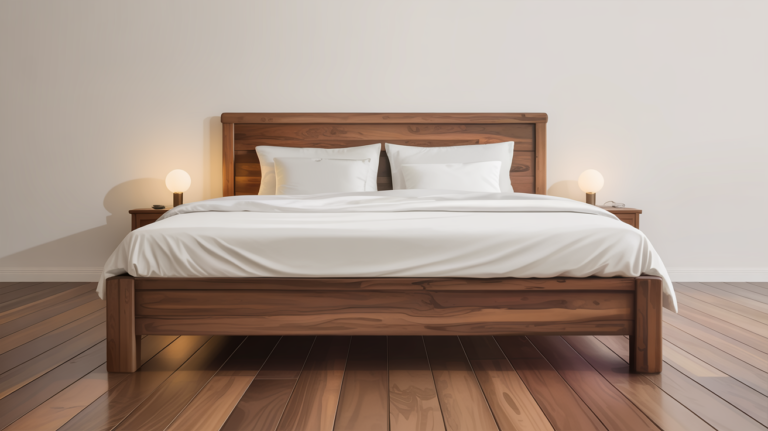
Visual weight matters as much as real size. Choose beds and dressers with legs that show the floor underneath. This makes the room feel lighter. Use tall but narrow dressers instead of deep, low ones. They store as much while using less floor area. Light wood tones and pale fabrics help the room feel open. When you can see more floor and wall around furniture, the space reads as larger than it is.
Edit Belongings Before Adding Storage Solutions
Storage and order decide how calm the room feels. Before adding new storage, remove what you no longer need. Keep only clothes that fit and suit your life now. Limit decor to pieces you enjoy seeing every day. Once you edit, use the full height of the room. Install floating shelves above the bed or desk for books and baskets. Add wall hooks or a rail for bags, robes, and hats. Use over door organizers on the closet or room door for shoes and small items.
Use Vertical and Under Bed Storage with Clear Categories
Under the bed, use drawers or rolling boxes sized to the gap. Group items by type and label containers so you can find things quickly. Inside the closet, add a second hanging rail for short items, shelf risers for folded clothes, and small bins at the bottom. Every item should have a clear home so it returns there after use.
Shape Space with A Smart Color Palette
Color and light shape both mood and the feeling of space. Soft light shades such as warm white, beige, and gentle grey usually help small bedrooms feel more open. They reflect light and blur hard edges. In tiny rooms that you want to feel snug, deep blues and greens can work well if you keep furniture simple and floors clear. Mirrors are a powerful tool. A tall mirror placed near a window bounces light deeper into the room and makes it appear longer. A mirror above a dresser or on a wardrobe door doubles as a practical piece and a space stretcher.
Plan Window Treatments for Daylight and Deep Sleep
Window treatments should protect sleep while letting in daylight. Sheer curtains soften strong sun but still keep the room bright. A blackout blind or lining behind them helps you sleep in darkness. Mount rods close to the ceiling and slightly wider than the window. This makes the window look taller and allows more light to enter when curtains are open.
Layer Light For Morning Energy and Evening Calm
For lighting, think in layers. Use a ceiling light for general tasks. Add bedside lamps or wall lights for reading. Use a small lamp or hidden strip on a shelf for a gentle evening glow. Warm light in the evening helps your body relax, while brighter light in the morning helps you start the day.
Use Materials and Textures to Add Warmth without Clutter
Materials and textures finish the mood. Natural fibers such as cotton, linen, and wool feel good on skin and allow air to move. A single rug under the bed that reaches beyond the sides makes the floor feel soft and anchors the furniture. Light or medium wood tones keep the atmosphere calm. A small amount of metal, such as brass or black handles, gives structure without noise.
Treat the Bed as the Main Style Anchor
Decor adds character, but it must stay controlled to keep the room calm. Treat the bed as the main canvas. Choose one main color for sheets and duvet, then add a single accent through a throw and a few cushions. This gives a rich look without chaos. The layered look also lets you adjust warmth through the year by adding or removing pieces.
Use One Strong Focal Point Instead Of Visual Noise
Above the bed, choose either a simple headboard or one main artwork. Many small frames often feel busy in a tight room, while one clear focal point feels steady. Bring in nature with one or two plants, not a forest. A slim floor plant, a small pot on the dresser, or a hanging planter near the window can be enough. Use woven baskets, wood trays, and natural rugs to add texture in a quiet way.
Set Strict Rules for Flat Surfaces
Flat surfaces need strict rules or they will fill up. Keep only a lamp, one small object or plant, and room for a book or glass on each bedside table. On the dresser, use a tray for daily items and one larger piece such as a vase or lamp. When every item has a reason to be there, cleaning is quick and the room stays restful.
Avoid Common Design Traps In Small Bedrooms
A few common mistakes make small rooms feel much worse. Very large beds and heavy dressers steal space and force you to squeeze through narrow gaps. Curtains that stay closed all day waste light and make the room feel gloomy. Piles of clothes, random decor, and old belongings keep your mind busy instead of relaxed. Bare walls paired with a crowded floor show that you have not used height for storage. Loud color mixes and too many patterns confuse the eye.
Follow a Simple, High Impact Plan for Transformation
A more effective approach is simple and clear. First, remove what you do not need. Then choose a layout that respects the shape of the room and the way you live. Pick a bed and a few flexible pieces that handle both comfort and storage. Use color, light, and materials to support rest rather than fight it. Add decor that shows your taste but still leaves breathing room. When you follow these ideas with care, even a very small bedroom can feel like a calm, well designed retreat that stands out among other spaces and gives visitors the sense that every inch has been planned with purpose.