What Wellness-Focused Design Means In a Home
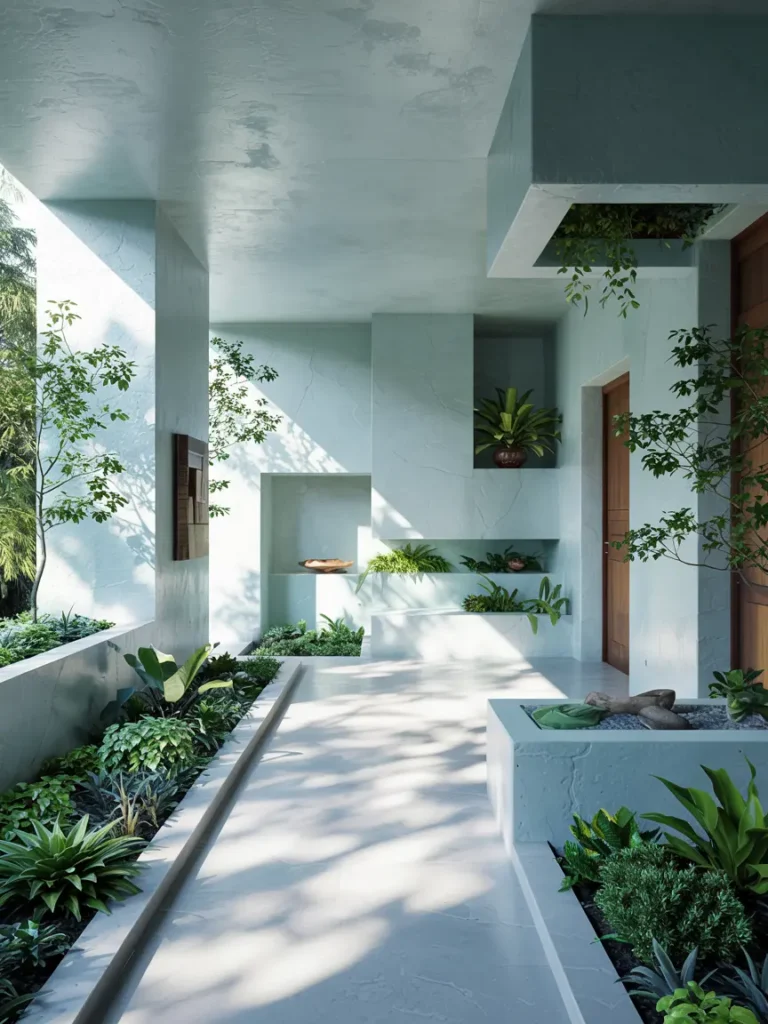
Wellness design looks at how each room supports sleep, focus, and recovery. It is not only about a beautiful photo; it is about how you feel in the space. We study light, noise, clutter, temperature, and materials, then adjust them to support calmer mornings and quieter evenings. That can mean softer color palettes, simpler sightlines, better storage, and fewer harsh contrasts. It can also mean planning where you sit so you look toward the outside instead of a blank wall. The goal is always rooms that help your nervous system relax, not fight it.
What Biophilic Home Design Really Is
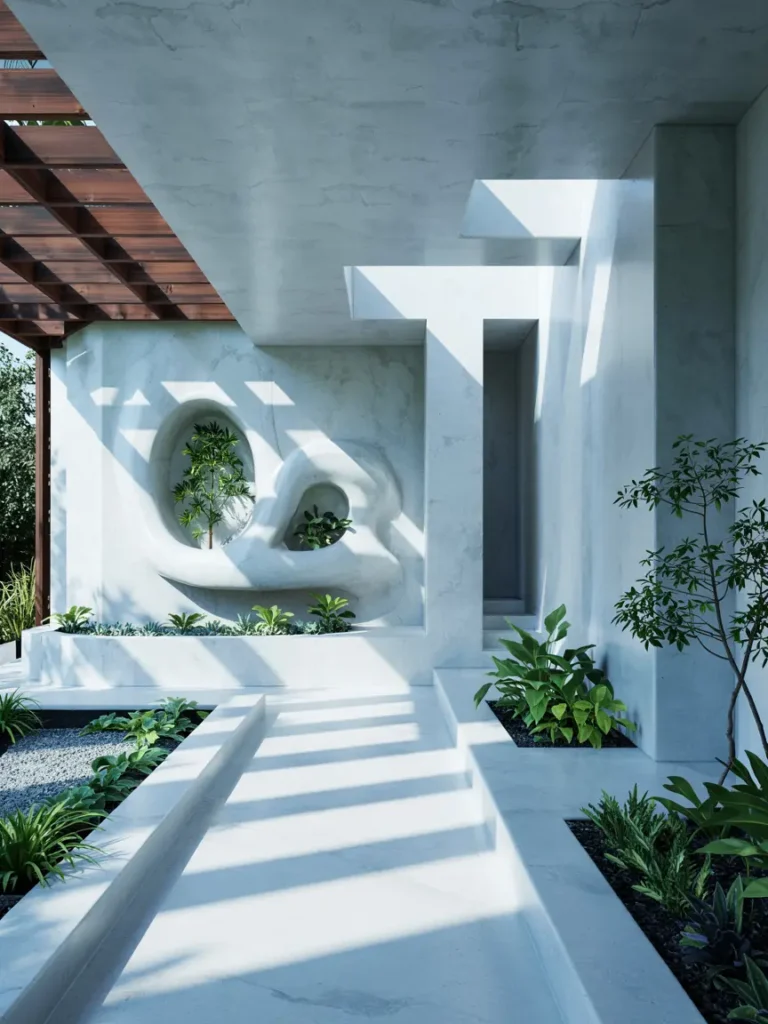
Biophilic design is the practice of bringing nature into built spaces. It uses natural light, plants, textures, water, views, and organic shapes to ease stress. Large reviews show that biophilic spaces can reduce stress and improve cognitive performance, and studies on indoor plants link them to lower anxiety and better mood as well.
In a home, biophilic design can look very simple. It might mean more daylight and better curtains, a plant plan that matches your light and routine, and wood, stone, and natural fibers instead of plastic and gloss. Soft edges and tactile surfaces can replace only hard lines. You do not need a full green wall or a fountain; you need the right natural elements in the right places.
The Science Behind Calm, Nature-Linked Interiors
Well-known building standards like WELL focus on air, light, comfort, and mind when they measure healthy spaces.
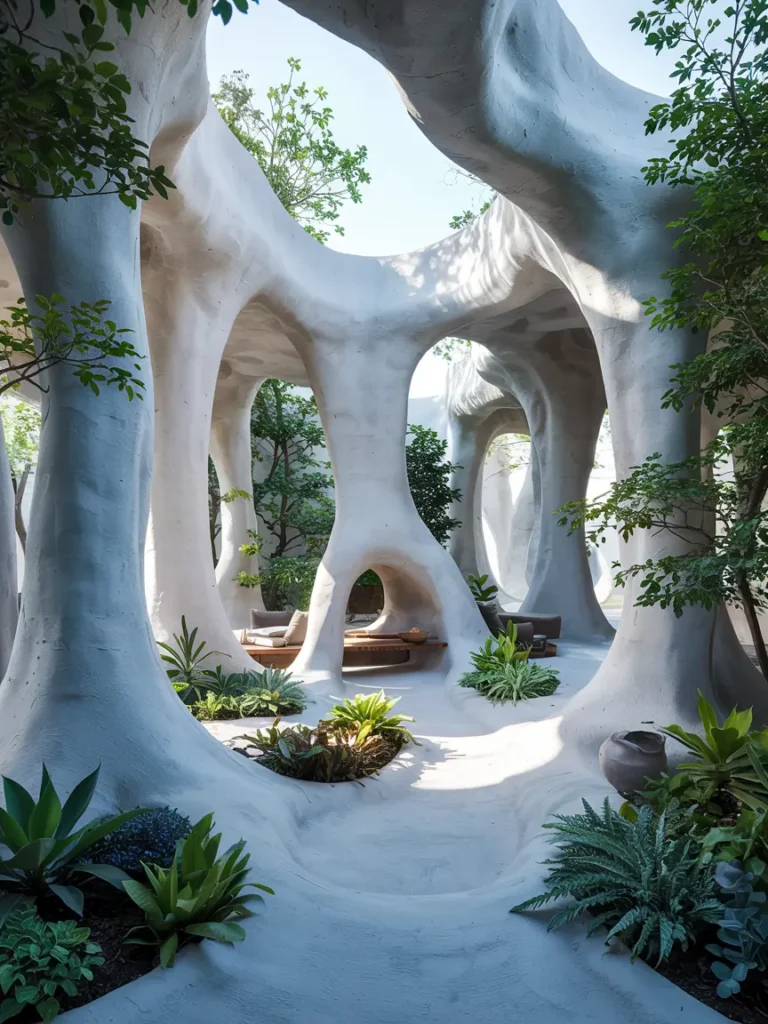
Research on natural light in homes shows strong links with better mood, better sleep, and higher life satisfaction. Studies on indoor biophilic environments report lower stress and improved cognitive function in many groups, including older adults.
Houseplants have been linked to lower tension, reduced symptoms of depression, and a stronger sense of relaxation. We bring this research into everyday homes in a simple, practical way.
What Our Wellness and Biophilic Design Service Includes
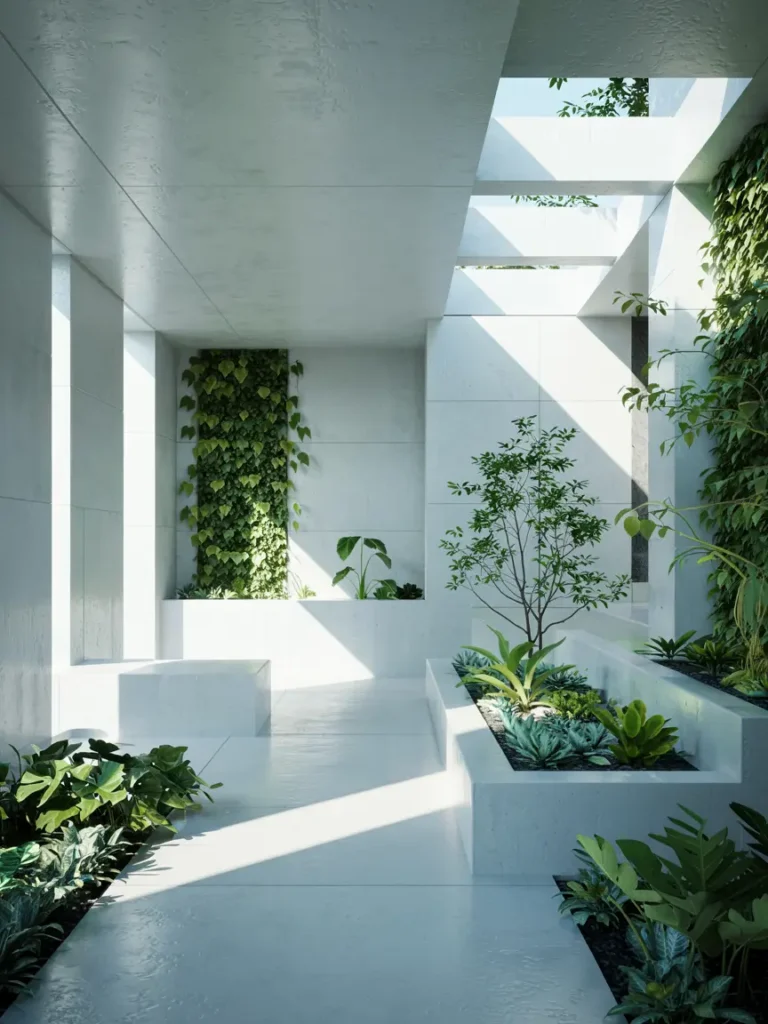
We start with a deep look at how you live. We ask how you sleep, where you work, when you feel stressed, and where you already feel calm. Then we review your rooms, paying attention to daylight, window size, glare, and dark corners. Air flow, noise from outside, and busy views inside all come into the picture, along with storage, clutter, and any objects that pull your attention in too many directions. From there, we create a full concept for your home or key rooms. The design can include:
- A light plan that uses daylight better and layers warm artificial light at night
- Color palettes that support rest instead of constant stimulation
- A plant strategy that fits your light, time, and skill level
- Natural materials like wood, stone, wool, linen, jute, and rattan
- Layout changes that open sightlines and clear traffic paths
- Soft acoustic ideas to reduce echo and noise
You receive visual boards, layout drawings where needed, and a clear list of changes and items to add.
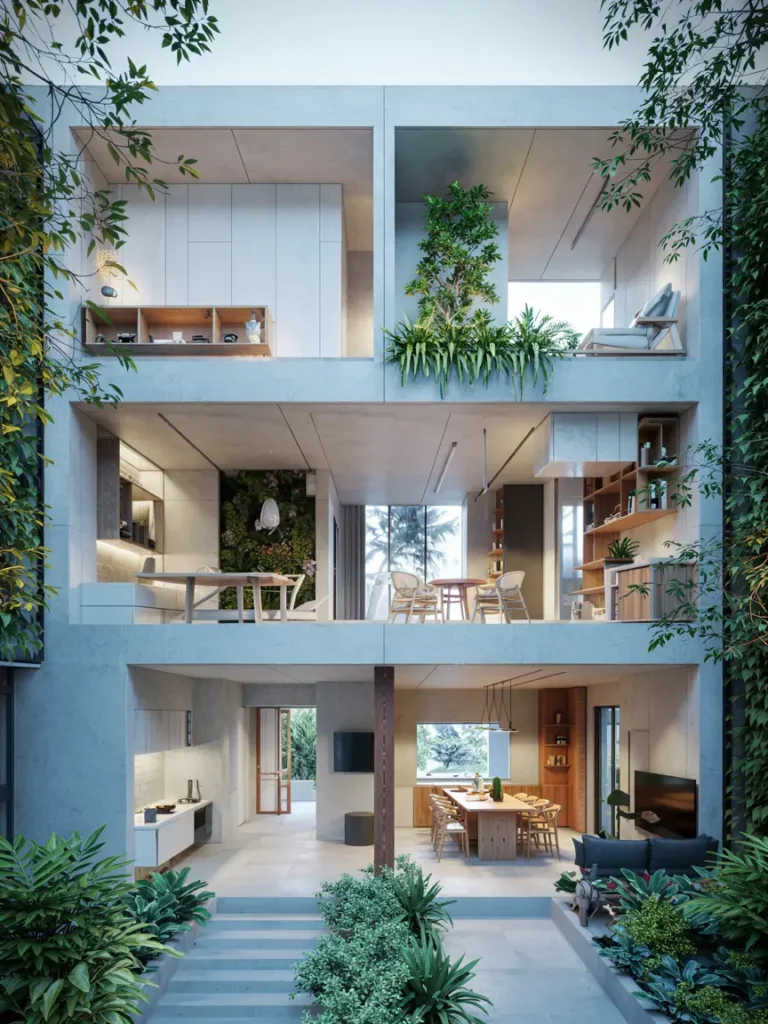
Focus Areas: Rooms That Change Your Daily Rhythm
Some rooms have more impact on your health than others.
We often start with bedrooms, living rooms, home offices, and bathrooms.
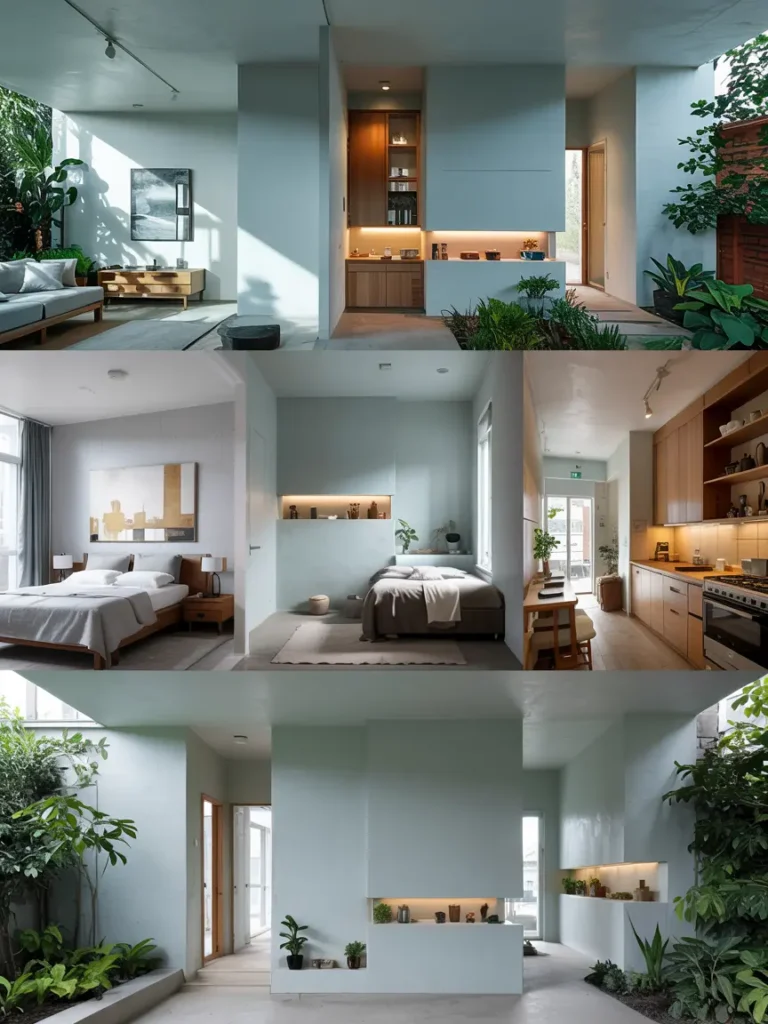
In bedrooms, we work on darker, calmer nights and softer, brighter mornings.
This can include blackout layers, sheer layers, warm reading lights, and clear, low-visual-noise storage.
In living rooms, we connect seating to natural light and external views.
We shape social zones and quiet corners and avoid overcrowding with furniture.
Home offices often need glare control, better task lighting, and more planting or natural textures in your sightline.
Studies show that natural views and indoor plants can support focus and reduce stress during demanding tasks.
Bathrooms can shift toward a spa-like feel with softer lighting, warmer materials, and simple storage that hides clutter.
Air, Light, Sound, and Materials
Wellness and biophilic design always come back to four things.
What you breathe.
What you see.
What you hear.
What you touch.
We encourage better ventilation and fresh air wherever possible and can suggest low-VOC paints and finishes when you plan upgrades. We also design to avoid harsh, exposed bulbs and flat, cool white light in resting areas, so the rooms feel softer and more comfortable at the end of the day.
For sound, we use rugs, curtains, soft seating, and sometimes acoustic panels to reduce echo.
Sound control is a key part of comfort in many healthy building frameworks.
For touch, we choose materials that feel good underfoot and in hand.
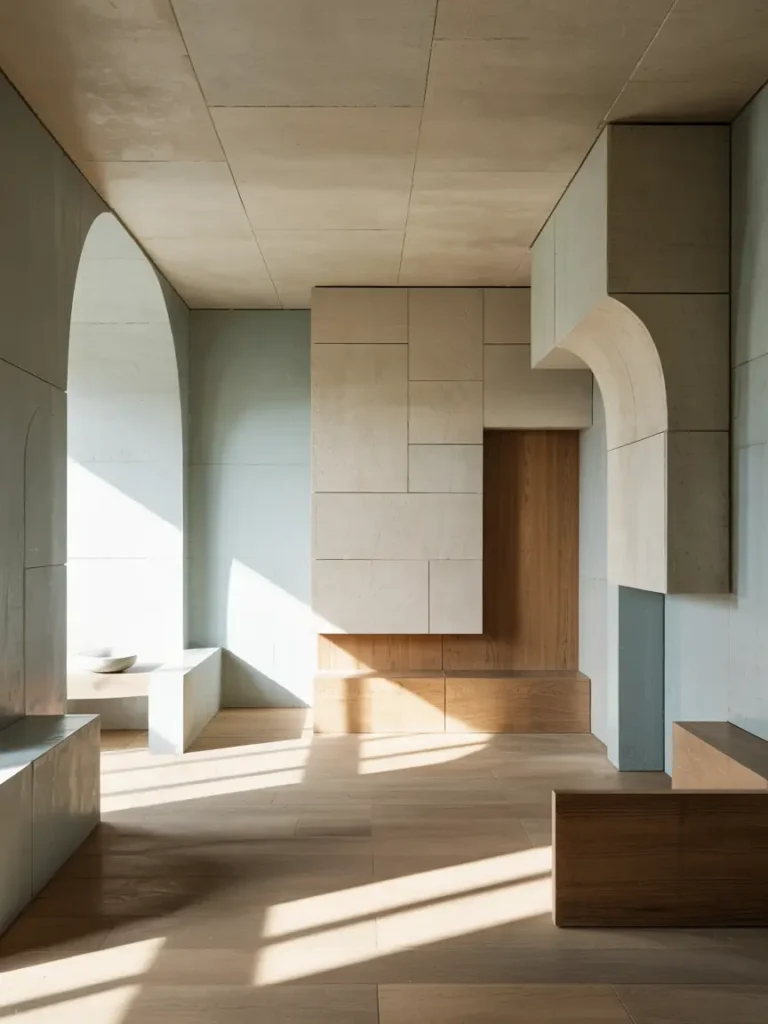
Timber, cork, wool, textured plaster, and natural fabrics help a room feel warmer and more grounded.
Our Process for Wellness and Biophilic Projects
We begin with a conversation about your current stress points at home. We ask where you feel most drained and where you already feel at ease, and then you share photos, a simple video tour, and basic measurements. If you have any health concerns or sensory needs, you can let us know so we can design with those in mind.
From there, we study your home and prepare a wellness-focused concept that can include a mood board, layout notes, light and plant strategies, and material ideas. We review this with you in a call, you tell us what feels right and what feels off, and we refine the design until the direction feels like a true fit. Once everything is agreed, we finalize your plan with clear steps, suggested products, and simple instructions. If your package includes support during implementation, we also help you adjust placements and details as pieces arrive.
Is Wellness and Biophilic Home Design Right for You
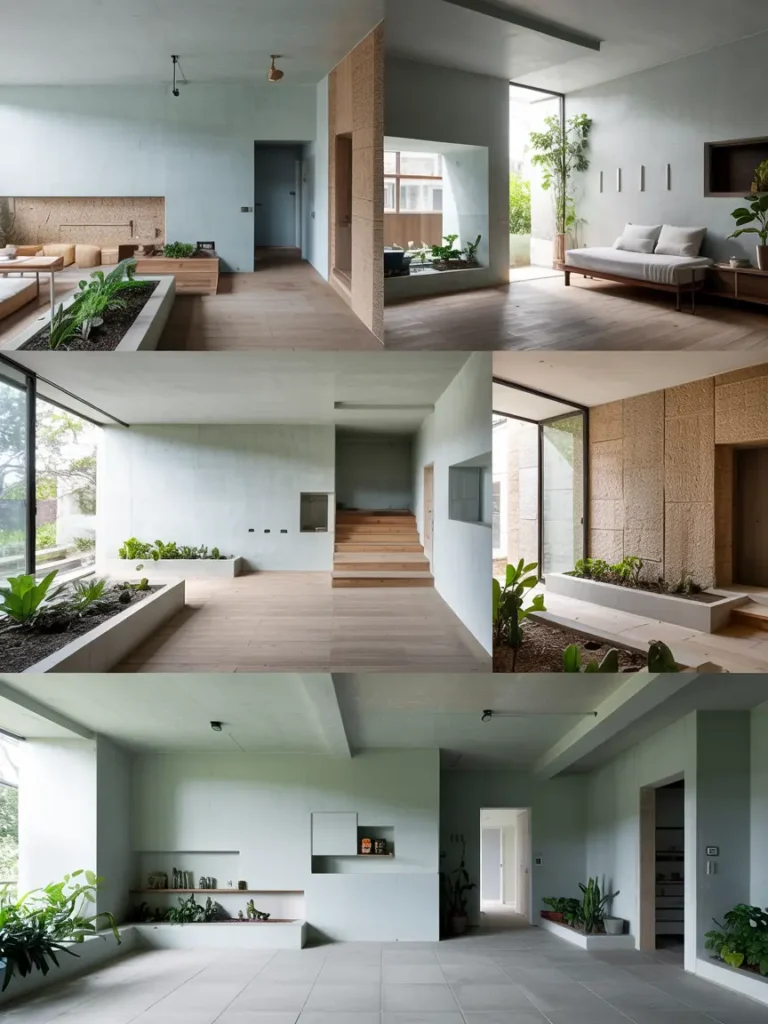
This service is a strong fit if you want more than a styled photo and instead want a home that helps you recharge, recover, and think clearly. It works well if your space always feels busy, your sleep is affected by light or noise, or your rooms seem cold and hard. It also suits you if you value natural materials, plants, and calm color palettes but do not know how to put them together. If you are already planning a refresh or renovation, wellness design can shape your choices before you spend on paint, flooring, and furniture. If you are not renovating, many changes can still come from better lighting, layouts, textiles, and planting.
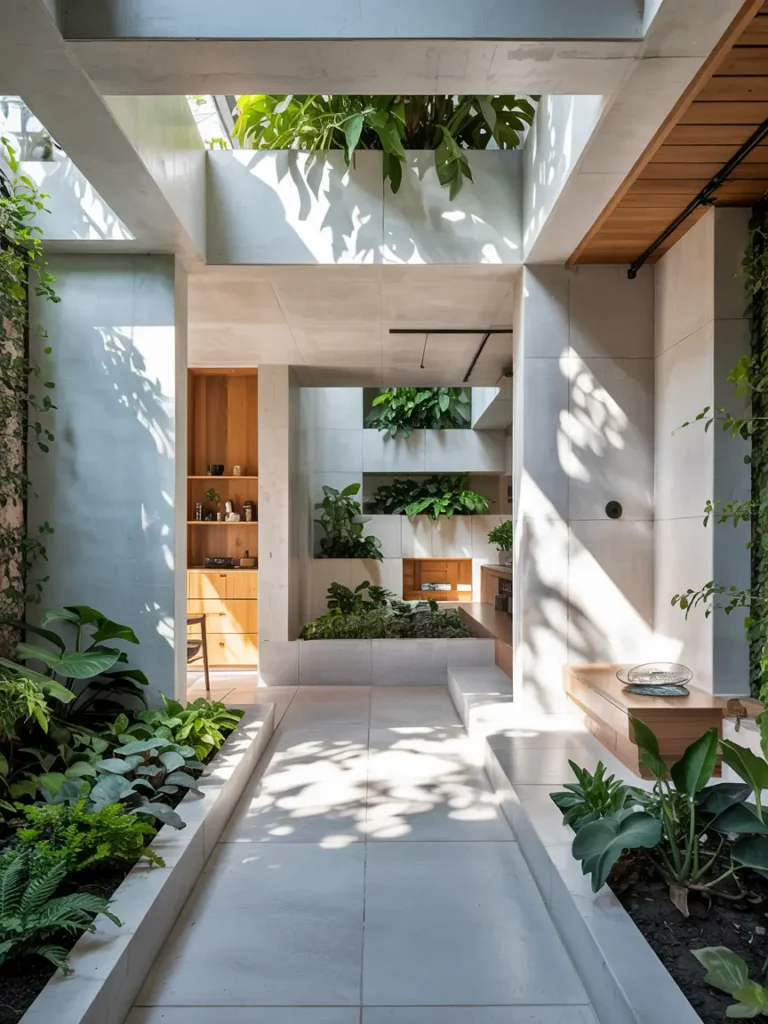
Start Turning Your Home into a Retreat
You do not need a huge house to have a restorative home; you need spaces that are kind to your senses and easy on your mind. If you want your home to feel softer, calmer, and more connected to nature, this service is built for you. Share your rooms and your goals with us through homeinteriorlab, and we will create a wellness and biophilic design plan that supports the way you want to live every day.