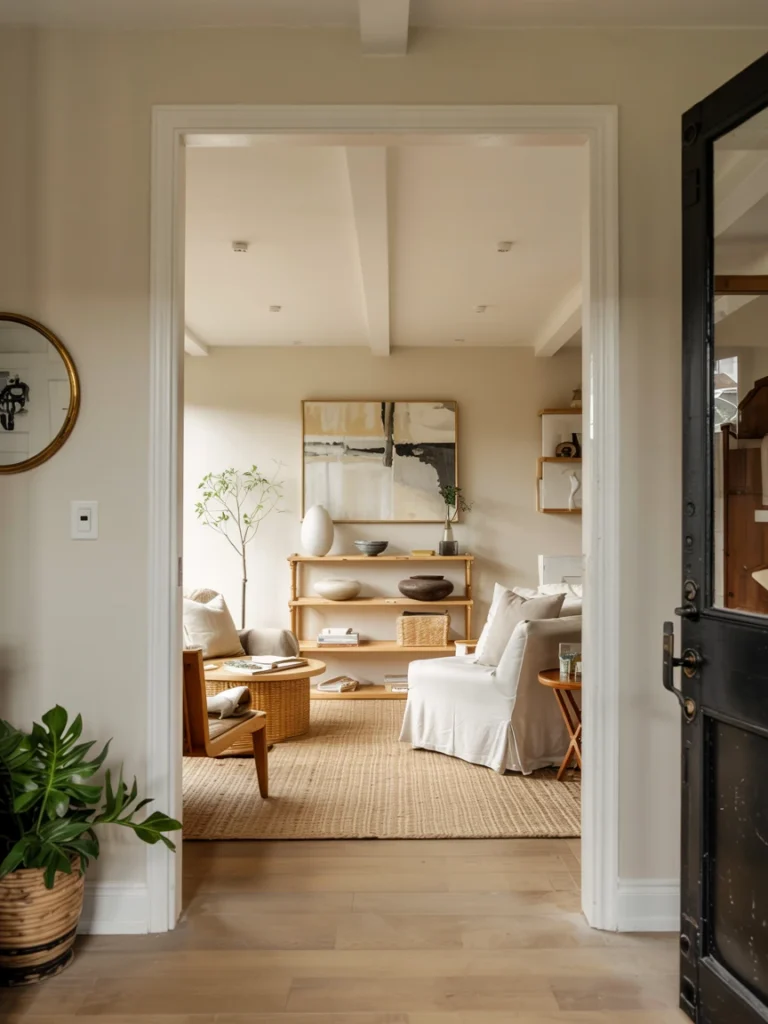
Why Interior Styling Matters In A Renovation
Many projects start with structure and finishes and only think about style at the end. That is backwards. Layout, materials, lighting, and furnishings all affect one another. Decisions made in isolation lead to odd corners, poor storage, and rooms that feel “almost right” but never fully work.
Professional organizations that focus on kitchens and baths stress the role of trained designers in planning functional, safe, and beautiful spaces. A good plan ties together circulation, storage, work zones, lighting, and surfaces long before the first contractor visit.
Renovation-focused styling sits between pure architecture and simple decorating. It connects the building work with the way your home will look and feel when you move back in.
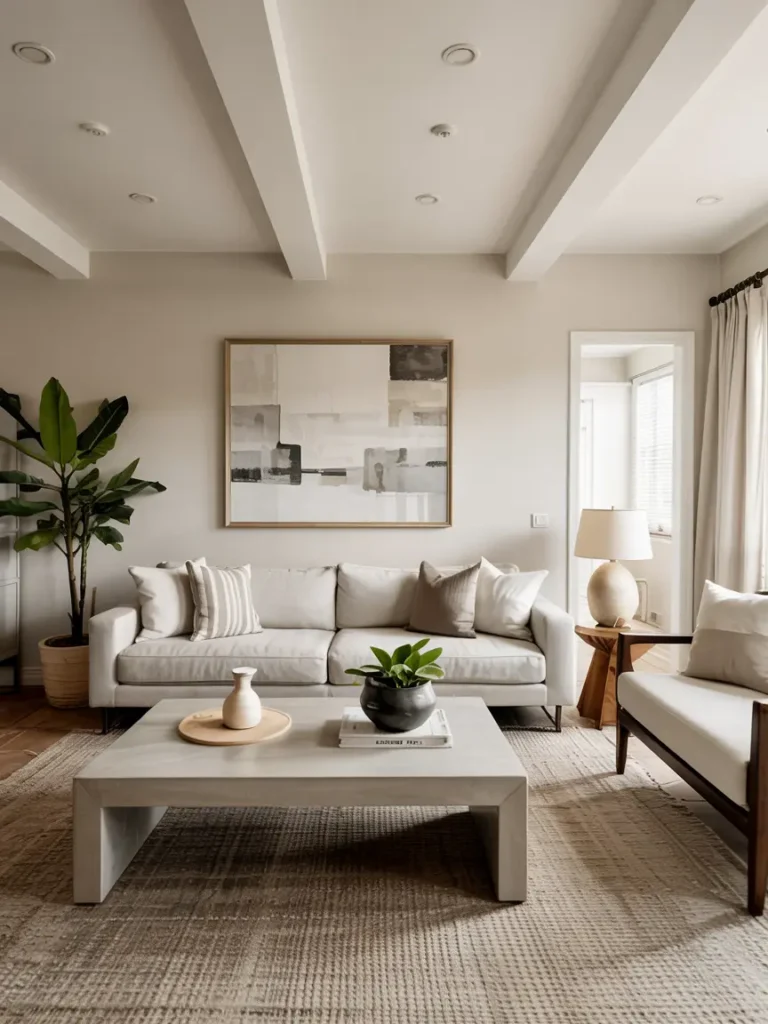
What We Cover In Renovation-Focused Styling
We start with the spaces that carry the most weight in a home. That usually means the kitchen, living area, and bathrooms. For each room, we review how you use it now and how you want it to work after the renovation.
We rework layouts to improve flow, sight lines, and clearances. In kitchens, that can include work triangles, island sizing, and pantry or larder placement. In living spaces, it can mean better furniture arrangements, focal points, and balanced views. In bathrooms, it often includes shower and tub placement, vanity proportions, and safe walking paths.
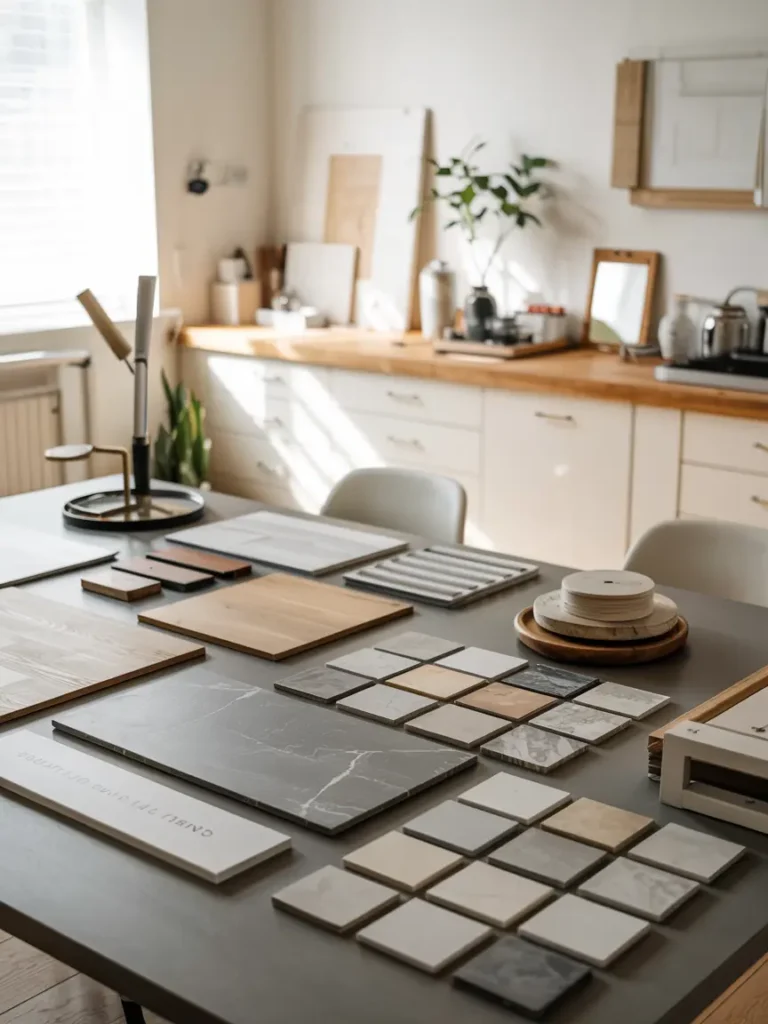
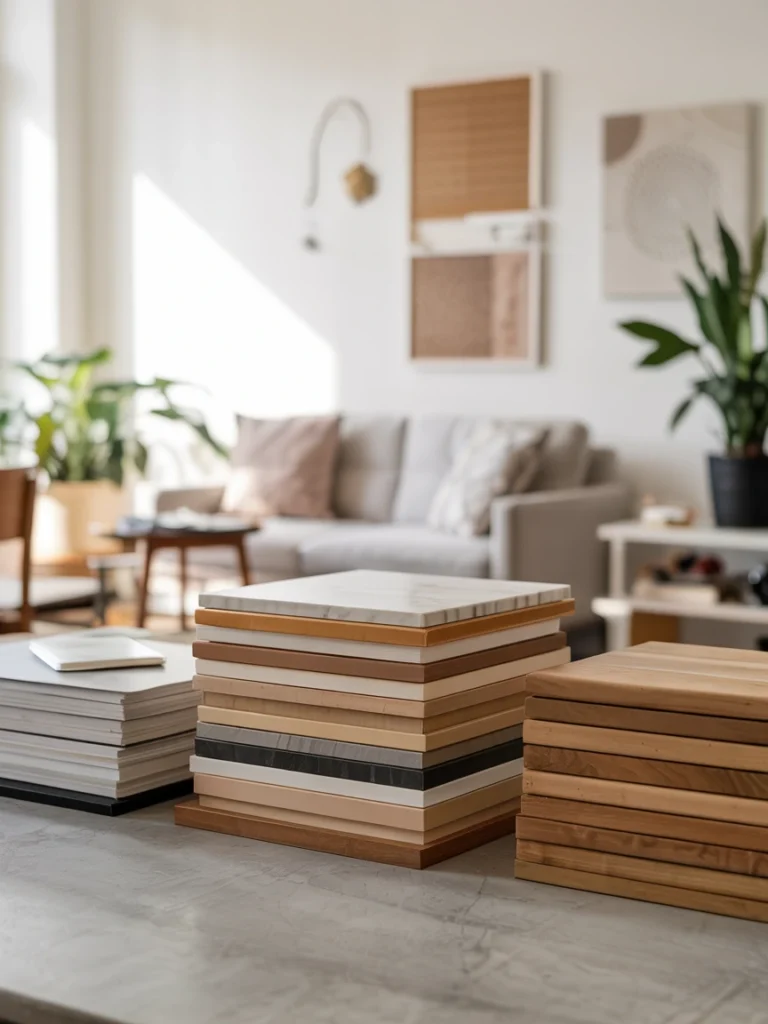
Alongside layout, we design the material palette. We look at flooring, wall finishes, tile, countertops, backsplash details, joinery finishes, and metal fittings. We consider how each surface will look, feel, and perform over time. Guidance from experienced remodel designers shows that material choice and durability are a key part of long-term satisfaction.
Lighting is another core part. A renovation is the perfect time to plan ceiling lights, wall lights, under-cabinet lighting, mirror lighting, and dimming controls. Good lighting design supports function and creates atmosphere. We build a lighting concept that matches your layout and finishes instead of treating it as a late add-on.
The final styling layer includes ideas for furniture scale, color direction, hardware style, mirrors, and key decor pieces. Even in a renovation, these details are what make the space feel finished and personal.
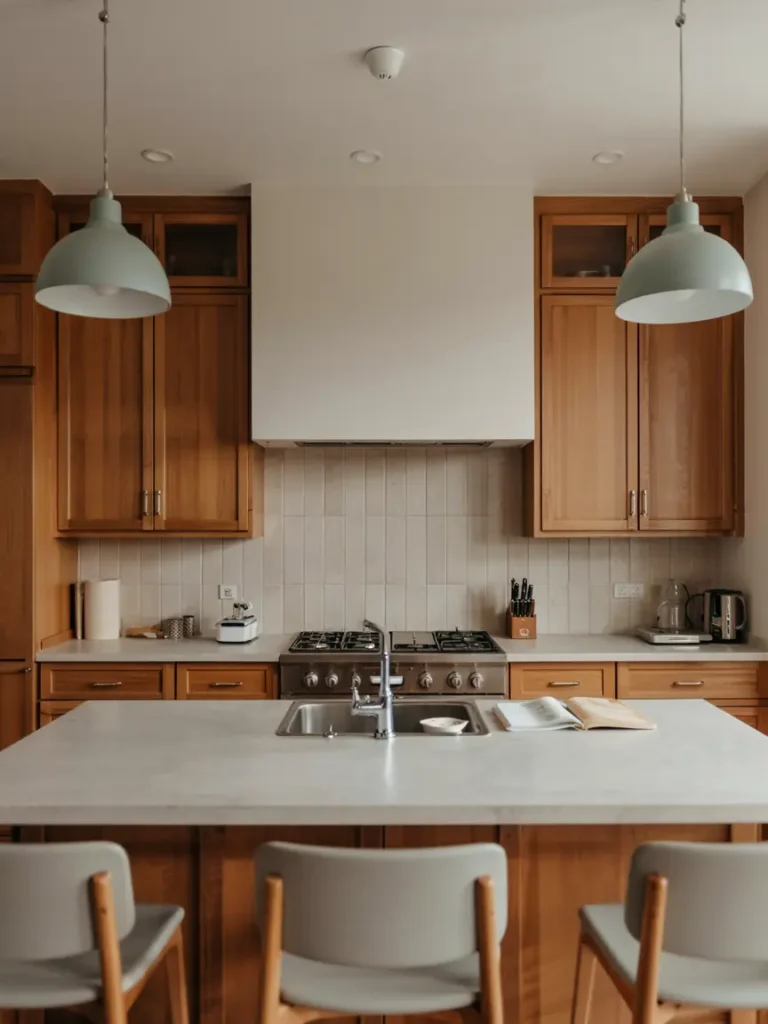
Kitchens: The Heart of Most Renovations
Kitchens are usually the most complex room to change. They combine plumbing, electrics, ventilation, storage, cooking, and seating in one place, and renovation surveys show they remain the most renovated and most expensive room in the home. We look at how you cook, store food, clean, and host, then plan zones for preparation, cooking, cleaning, and serving. Cabinet layout, drawer types, pull-outs, integrated bins, appliance placement, and worktop runs are all considered so the space works smoothly. For materials, we weigh options like quartz, stone, timber, and porcelain and build backsplash and tile details that match your style and are easy to maintain. We plan task lighting under wall units, pendants over islands, and general lighting that supports the whole room. The result is a kitchen that respects building constraints but still feels tailored to you.
Bathrooms: Function, Comfort, and Calm
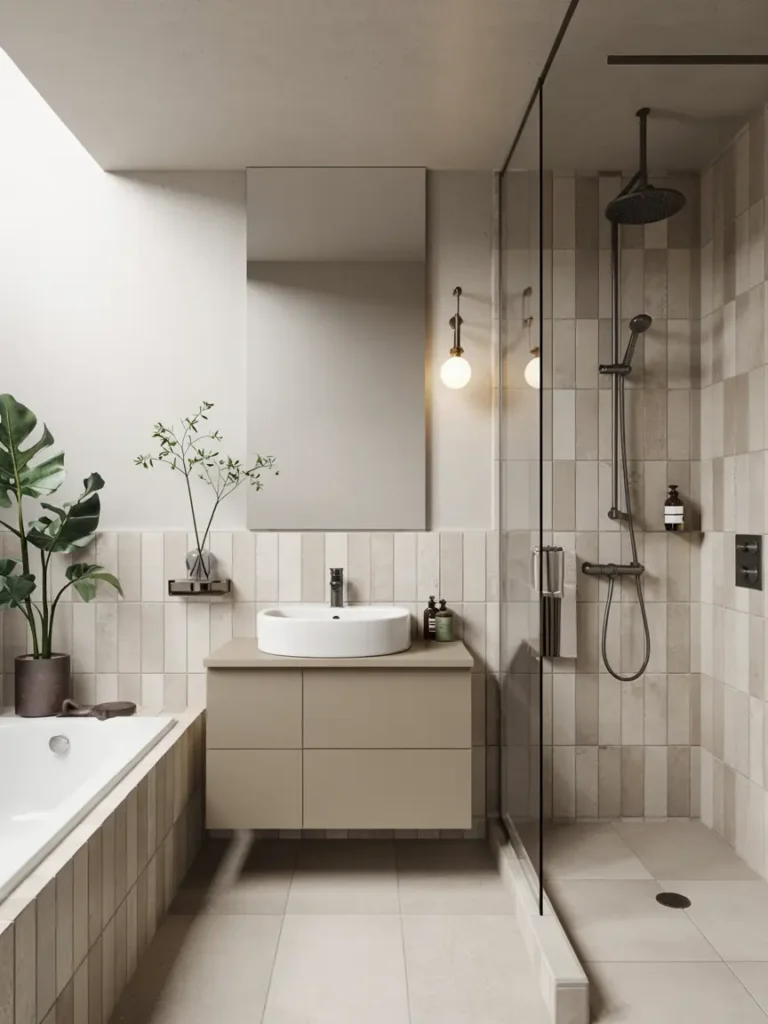
Bathrooms combine water, electrics, tight space, and daily routines. They need careful planning. We look at shower size, tub choice, drainage positions, ventilation, and storage for real items, not just empty surfaces.
We explore slip-resistant flooring options, tile sizes, grout colors, and wall finishes that suit moisture and cleaning. We position mirrors, sconces, and ceiling lights so faces are lit softly, not harshly. In many award-winning projects, calm bathrooms rely on natural materials, balanced lighting, and well planned layouts.
For many clients, we also consider future needs. That can include curbless showers, wider doorways, seating, or discreet grab bar positions for aging in place. Renovation trends show a growing interest in multigenerational and accessible design, especially in bathrooms.
Living and Open-Plan Spaces
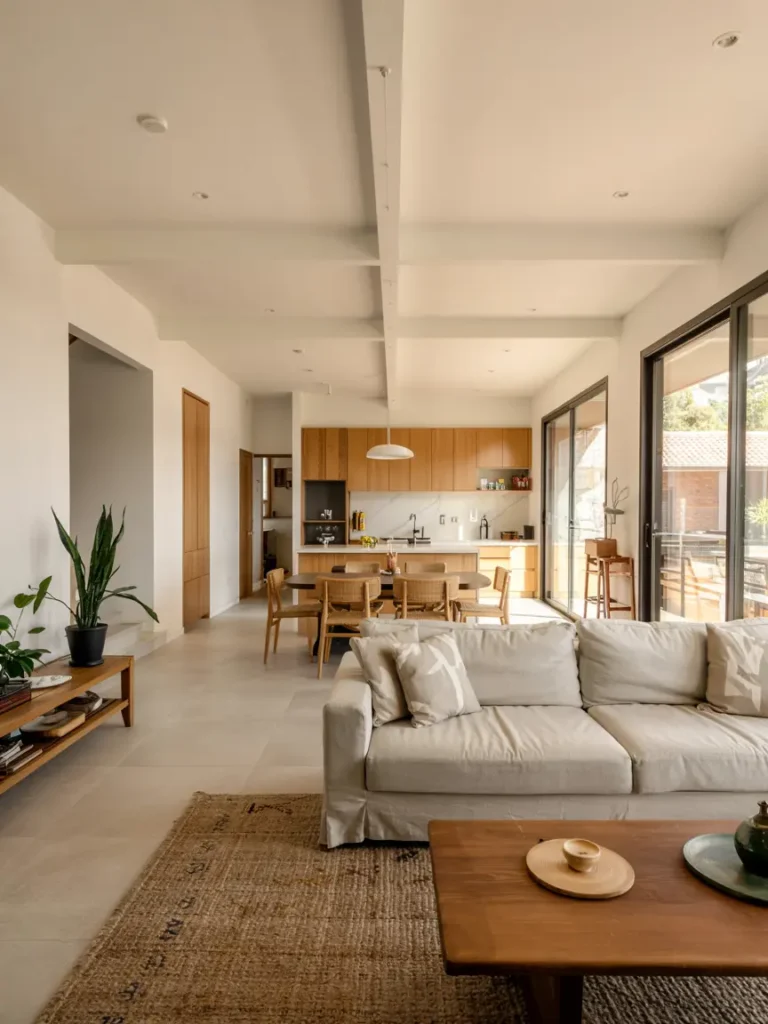
Modern homes often remove walls to create open-plan living. That offers light and connection, but it also creates challenges. Spaces can feel empty, noisy, or hard to arrange.
In open-plan spaces, we use zoning to define areas for cooking, eating, working, and relaxing inside a single room. Furniture groupings, rug sizes, and circulation routes are planned so the space feels both open and structured. We also think about media placement, storage for everyday items, and the best spots for features like fireplaces or built-ins, so every zone has a clear role and the room still reads as one whole space.
Lighting and finishes help define each zone. A change in pendant height or wall color can mark a dining space. A shift in texture can separate a soft seating area from a busy kitchen.
Documentation You and Your Contractor Can Use
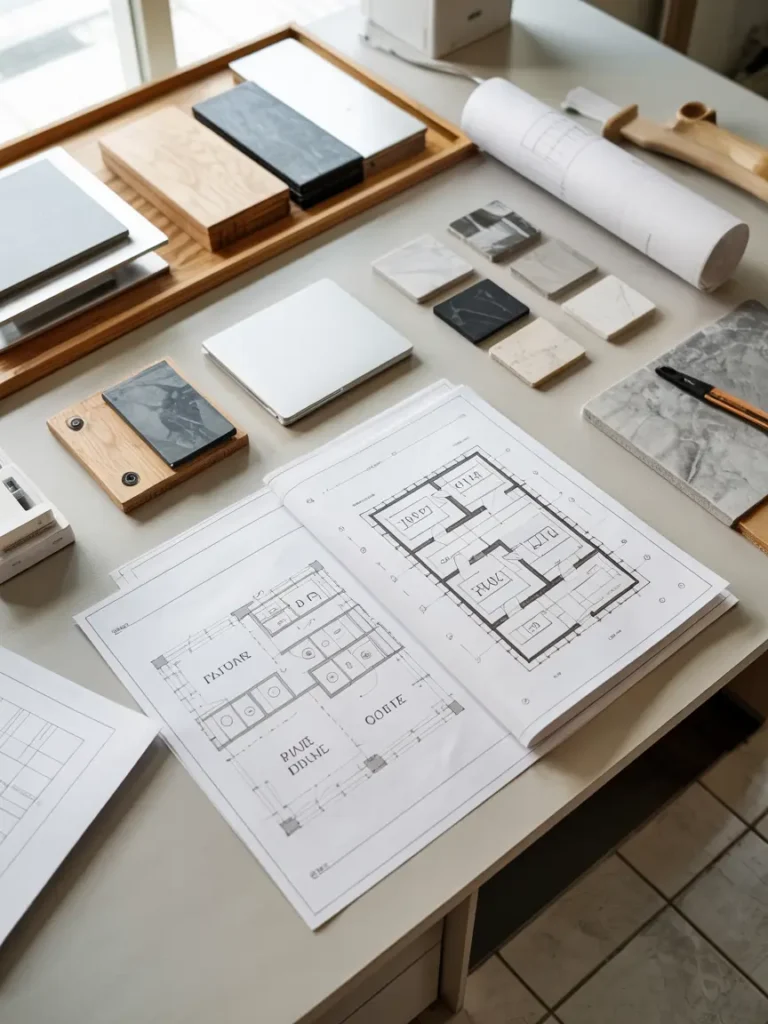
A strong renovation styling plan is not just a pretty image. It is a set of tools your builder can use. We prepare layout drawings that show room dimensions and key clearances. We can provide elevations for kitchens and bathrooms that show cabinet heights, tile patterns, and fixture positions.
We also develop specifications or finish schedules. These list chosen materials, fittings, and fixtures with notes on color, finish, and placement. Industry bodies for kitchens and baths highlight the value of clear documentation for smooth remodels. It reduces on-site confusion and gives you a record of what was planned.
This pack becomes the visual and technical language shared between you, the design studio, and your contractor.
How We Work With Your Builder and Trades
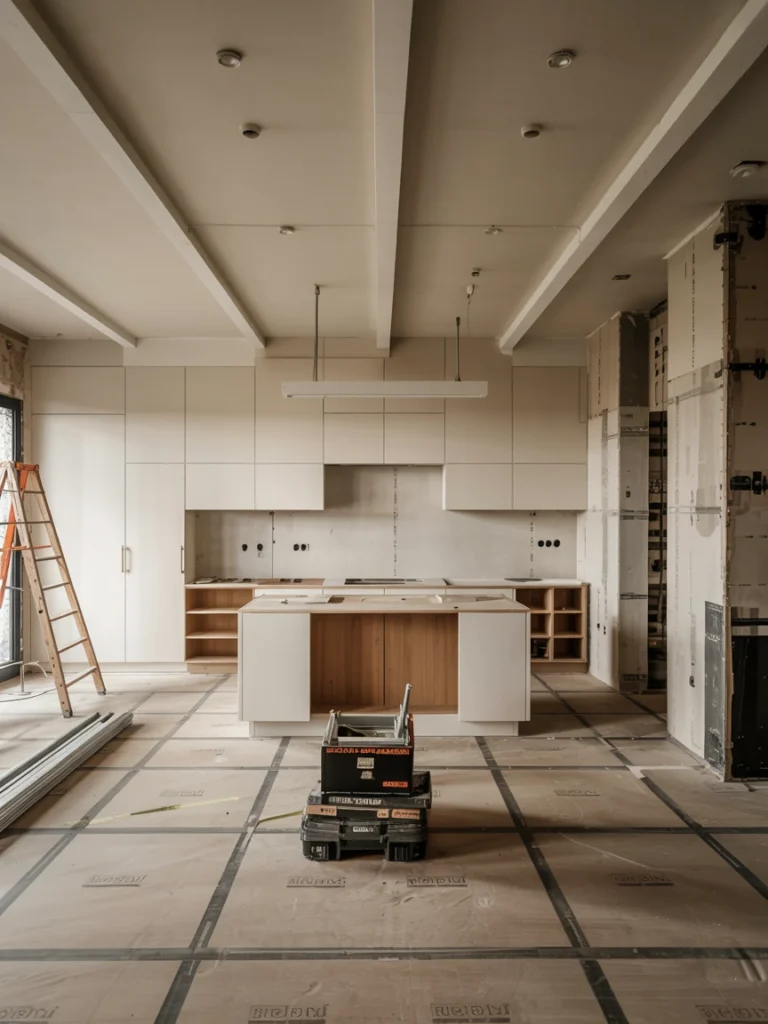
We do not replace your architect or contractor; we work alongside them. They focus on structure, services, and construction, while we focus on how spaces look, feel, and function once you move back in. When needed, we join meetings with your contractor to explain the design, answer questions about layouts, finishes, and lighting, and help solve small issues that come up on site so the design intent stays intact. Many remodelers note that having an interior designer involved improves coordination and helps keep budgets on track. This teamwork lets each professional focus on their strengths while you stay at the center of the project.
Budget, Scope, and Phasing
Renovations always involve money, time, and trade schedules. A clear interior styling plan helps protect all three. Planning finishes, lighting, and layouts early can reduce late changes that often increase costs.
We start by agreeing on priorities. Some clients want to invest more in kitchens and primary bathrooms and save in secondary spaces. Others want to phase work across several years. We design with these realities in mind. Material options can be adjusted up or down. Lighting plans can be phased. Built-ins can be prepared for now and installed later.
The aim is not to spend as much as possible. The aim is to spend where it makes the biggest difference.
Is Renovation-Focused Interior Styling Right For You
This service fits when you are planning real building work rather than a simple refresh. If you will be changing walls, plumbing, electrics, flooring, or built-ins, you need more than basic decorating advice. You need a plan that links the renovation work to the final interior.
It is also right for you if you want your kitchen, living room, or bathrooms to feel cohesive, not pieced together from separate decisions. If you care about how light, layout, and materials come together, this service gives you that control.
If you are unsure whether you need renovation styling or a lighter service, a short call can usually make that clear.